Tesla’s Biggest Influencers Turn On The Brand And Call It A ‘Cult’ After 2 Million Cars Recalled
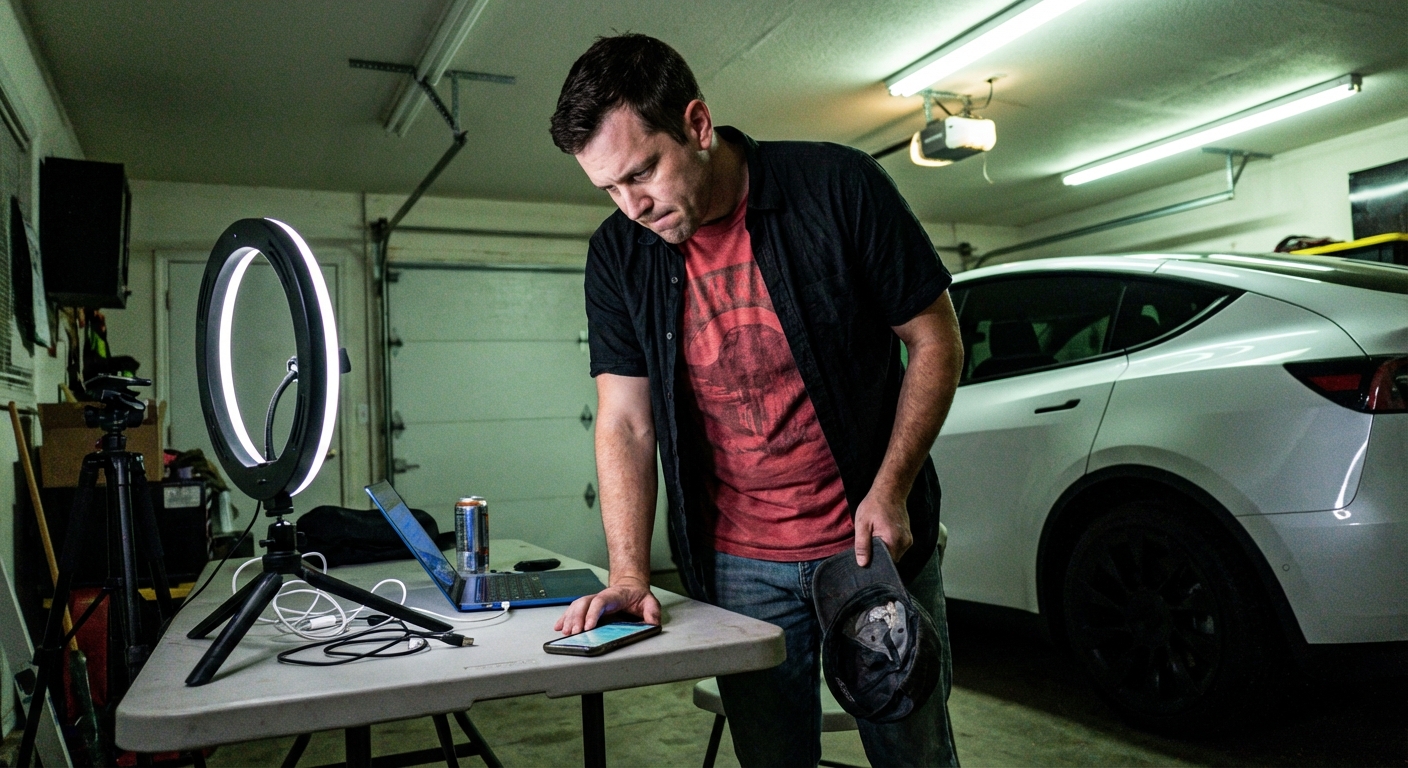
Creators who built audiences around Tesla left with public statements. According to WIRED, some of the most trusted voices in the Tesla influencer world have distanced themselves from the brand and from Elon Musk, describing the fandom they once championed as something closer to a “cult.”
Insiders used that label. The timing matched a regulatory environment that forced issues into the open.
How the Hype Began
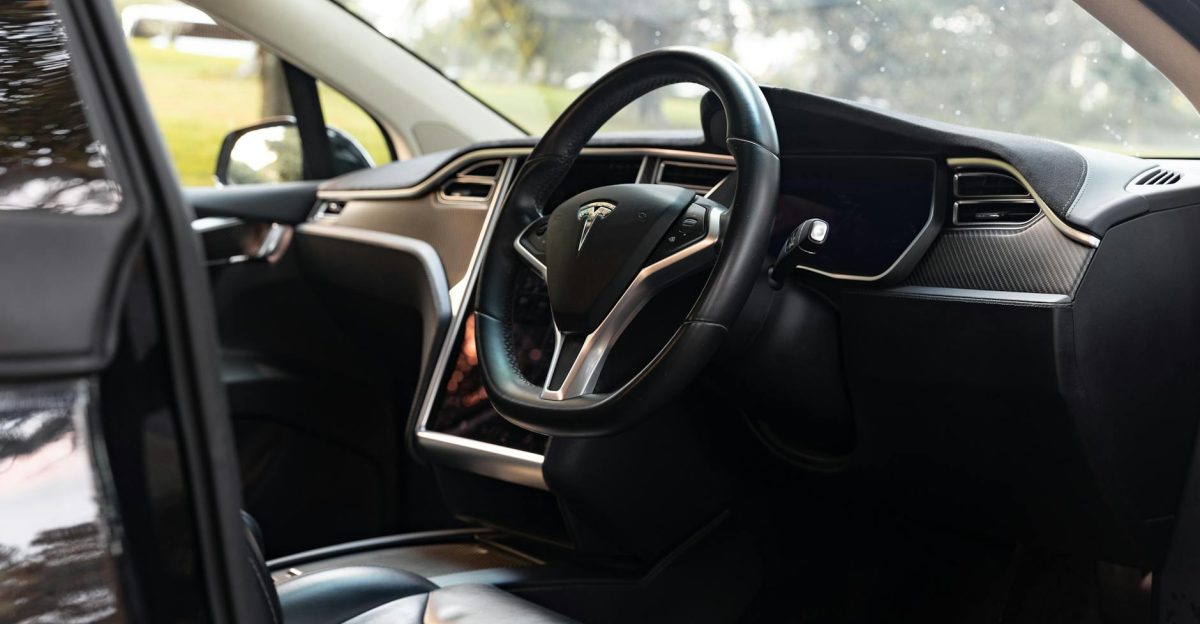
The story starts in 2016. Tesla published a company blog post declaring that “all Tesla vehicles being produced now have full self-driving hardware.”
That sentence became a foundation for an entire group of influencers who acted as unpaid, identity-driven marketing. Fans repeated it. Creators built channels around it. Buyers made purchasing decisions shaped by it. The language was absolute. Absolutes create belief quickly and age poorly.
Doubts Start to Surface
Years passed. The cars received software updates. The full autonomy promised by that 2016 language never appeared as described. Meanwhile, California’s DMV filed administrative accusations against Tesla, alleging its “Autopilot” and “Full Self-Driving” marketing statements were “false or misleading.”
State regulators saw the same words influencers amplified and called them deceptive. That moment broke the belief that great products sell themselves.
The Regulatory Clash
A major recall followed. Reuters reported Tesla recalled about 2 million vehicles in the U.S. to install new Autopilot safeguards after NHTSA pressure. Two million cars. Software guardrails arrived over the air. The recall targeted a feature sold as “full self-driving hardware.”
The marketing language that built belief became the language regulators cited as misleading. One phrase built a movement. That phrase triggered enforcement.
The Influence Machine
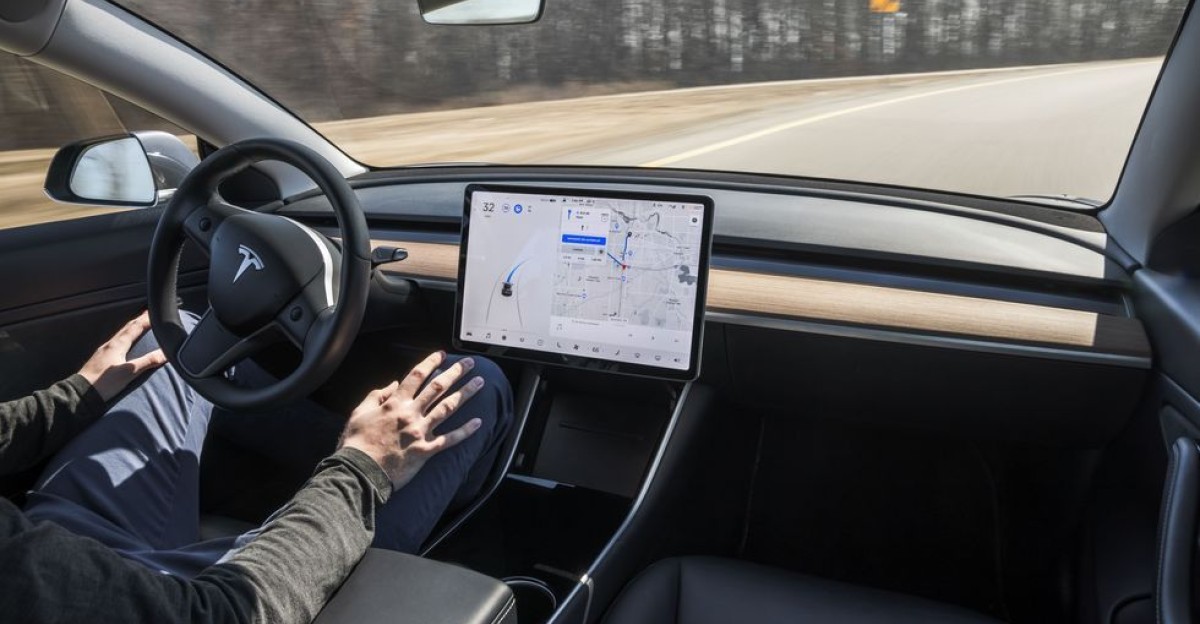
Tesla’s network of influencers operated like distributed PR. Unpaid, high-trust, and identity-driven. Creators reviewed cars and interpreted Tesla’s promises for their audiences. When Tesla said “full self-driving,” these creators turned it into content shaping buyer expectations at scale.
That system worked until the gap between the promise and regulatory reality became too wide. The interpreters reached a limit.
The Scale of the Recall
NHTSA’s recall database shows the scale. Recall 23V-838 addressed Autopilot’s control strategy through an over-the-air update, reaching about 2 million vehicles in the U.S. fleet. The fix did not involve a physical part swap. Instead, it delivered new behavioral guardrails.
The software told the car to do less than the marketing suggested. Even an OTA recall changes perception. Owners expecting the future received a patch that quietly admitted the present had limits.
Industry-Wide Consequences
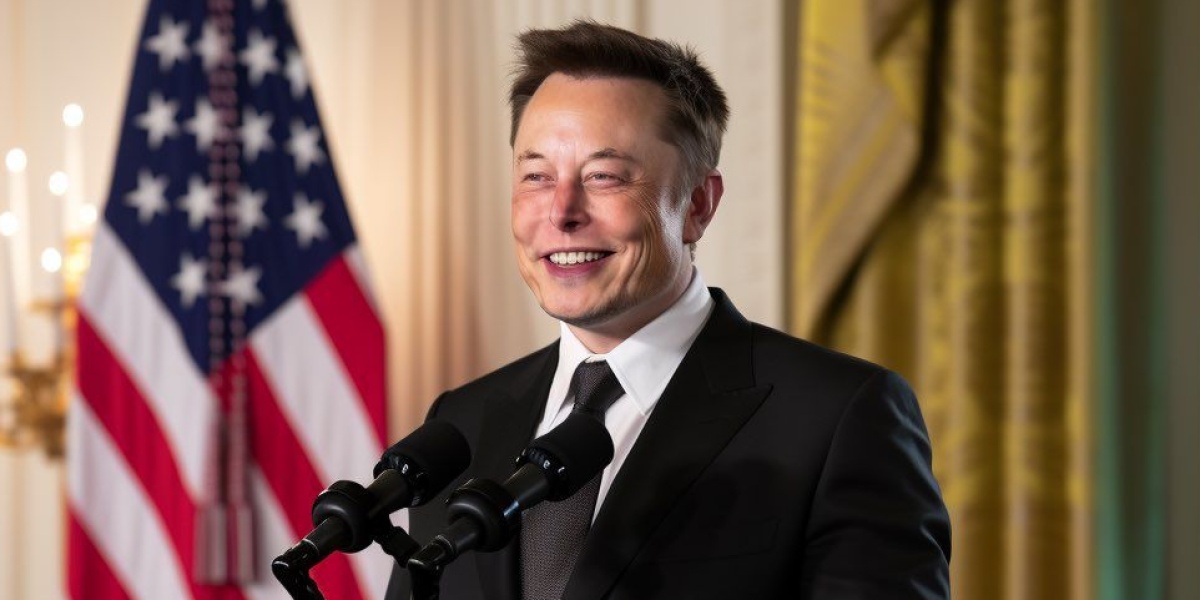
The fallout stretches beyond Tesla. Pew Research Center data shows measurable polarization around Elon Musk as a public figure, and brand trust volatility now affects demand. Tesla’s own 10-K filings disclose regulatory, reputational, and demand-related risks.
Other automakers face pressure to tighten their driver-assistance naming conventions as regulators examine what “self-driving” means to buyers. One company’s marketing vocabulary increased the entire industry’s compliance burden.
New Precedents for Automakers
California’s DMV action set a precedent: state regulators can challenge marketing claims, not just vehicle compliance. That shift reframes every automaker’s advertising department as a potential regulatory target.
The deeper insight is clear: the real battleground was always interpretation. What “self-driving” means to an ordinary person reading a blog post at a kitchen table. Words became liabilities.
What’s Ahead for Creators and Buyers
More creators are expected to hedge their language, diversify content, or shift to covering competitors. The escalation path looks predictable: more enforcement, more recalls, more influencer departures fueling a narrative shift where the brand’s advocates become its most credible critics.
Retail buyers who trusted social proof face the sharpest exposure. Smaller creators who built entire channels around one brand narrative have no easy pivot without admitting what they promoted.
Tesla’s Attempt to Rebuild Trust
Tesla and its remaining supporters will use disclaimers, safety statistics, and OTA improvements to stabilize the story.
Whether that approach holds depends on something no software update can fix: the gap between what people believed they bought and what regulators say they were told. Influencers formed the trust structure. That structure cracked. People who recognize this first are already making different decisions.
Sources:
Tesla, Inc. – “All Tesla Vehicles Being Produced Now Have Full Self-Driving Hardware” (company blog / echoed in CNBC coverage cited as “All Tesla Vehicles Being Produced Now Have Full Self-Driving Hardware”) – October 2016
National Highway Traffic Safety Administration (NHTSA) – Safety Recall Report 23V-838 (Defect Information Report for Tesla Autopilot recall of ~2 million vehicles in the U.S.) – December 12, 2023
California Department of Motor Vehicles / Administrative Law Judge decision as reported – “California judge says Tesla engaged in deceptive Autopilot marketing” – December 16, 2025
WIRED – “The Tesla Influencers Leaving the ‘Cult’” – March 16, 2026
Pew Research Center – “Musk claims journalists are doxxing his staff” (newsletter briefing including national favorability/unfavorability data for Elon Musk showing polarized views) – February 13, 2025
Tesla, Inc. – Annual Report (Form 10-K) for FY 2024 (risk factors covering regulatory, reputational, and demand-related risks) – February 15, 2026