Formula One Missed Safety Warning About Race Starts That Puts All 20 Drivers At Risk
Five red lights, then darkness. Twenty cars launch from a standing start, funneled into the same braking zone at nearly the same moment, separated by inches and instinct. Lap one of a Formula 1 grand prix stands as the most compressed danger window in professional motorsport.
Every driver on the grid faces that funnel, every race weekend, all season long. Margins are razor-thin before anyone even touches a brake pedal. According to Autosport’s detailed analysis, a safety warning about that window went unheeded.
Danger at the Start
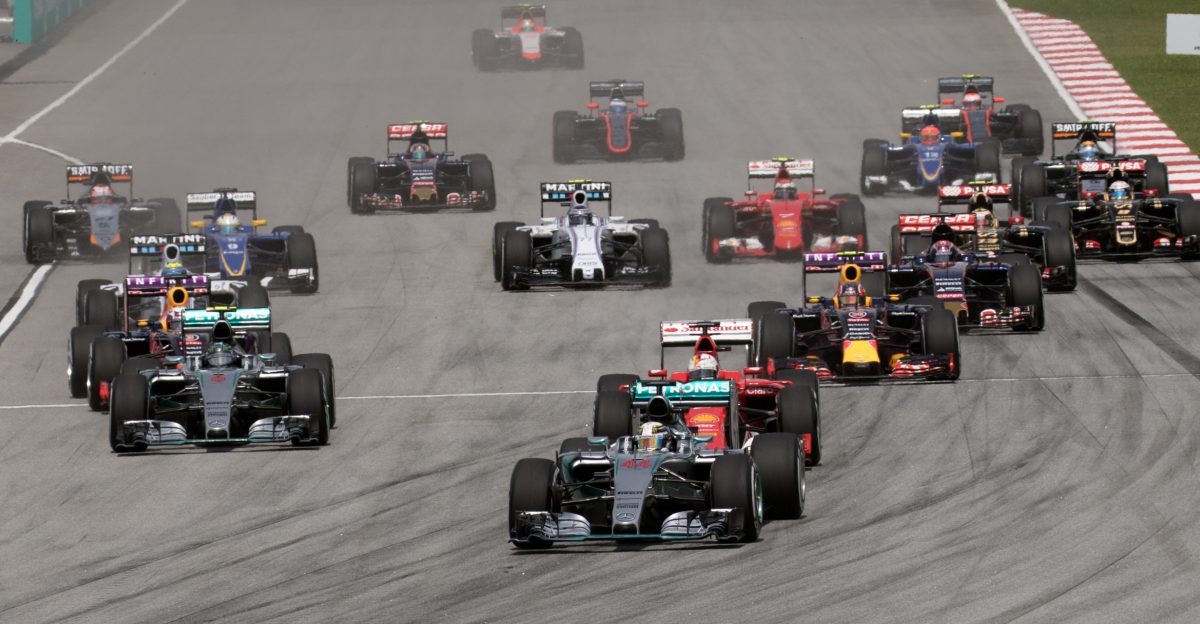
The issue goes beyond a single crash. A pattern is baked into the calendar. Race starts across an F1 season regularly expose drivers to the same lap-one hazard conditions. Tight packs, cold tires, aggressive positioning, and limited escape routes combine at every grand prix.
The FIA oversees these procedures. Steward documents and race reports from recent seasons show repeated start-line incidents and near-misses. No comprehensive regulatory overhaul has targeted the root cause of that recurring exposure.
Safety Assumptions Exposed
Many fans assume F1 has never been safer, so current procedures must be enough. Halo devices, improved barriers, and faster medical response times are all genuinely lifesaving. Those innovations address what happens after contact.
The missed warning is about what happens before it. The gap sits upstream of the crash, in the start procedure itself, where conditions for contact are structurally built into every lap one. That assumption needs a closer look.
Ignored Warnings
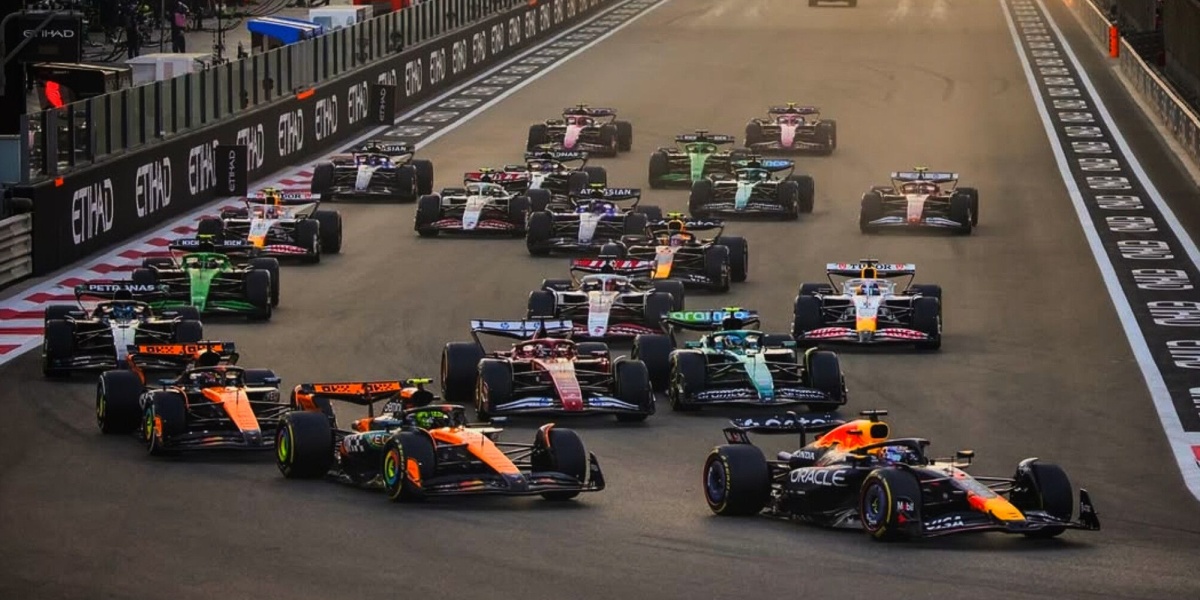
The early safety warning Autosport identified pointed to a systemic vulnerability in F1 race-start procedures. This was no freak accident or one driver’s error. It was a repeatable condition affecting the entire grid at the most dangerous moment of every race. The FIA, the sport’s governing authority, had the data.
The pattern was visible across multiple events, but the response never matched the signal. Season after season, the same lap-one funnel. The same exposure. No structural fix.
Lap One’s Bottleneck
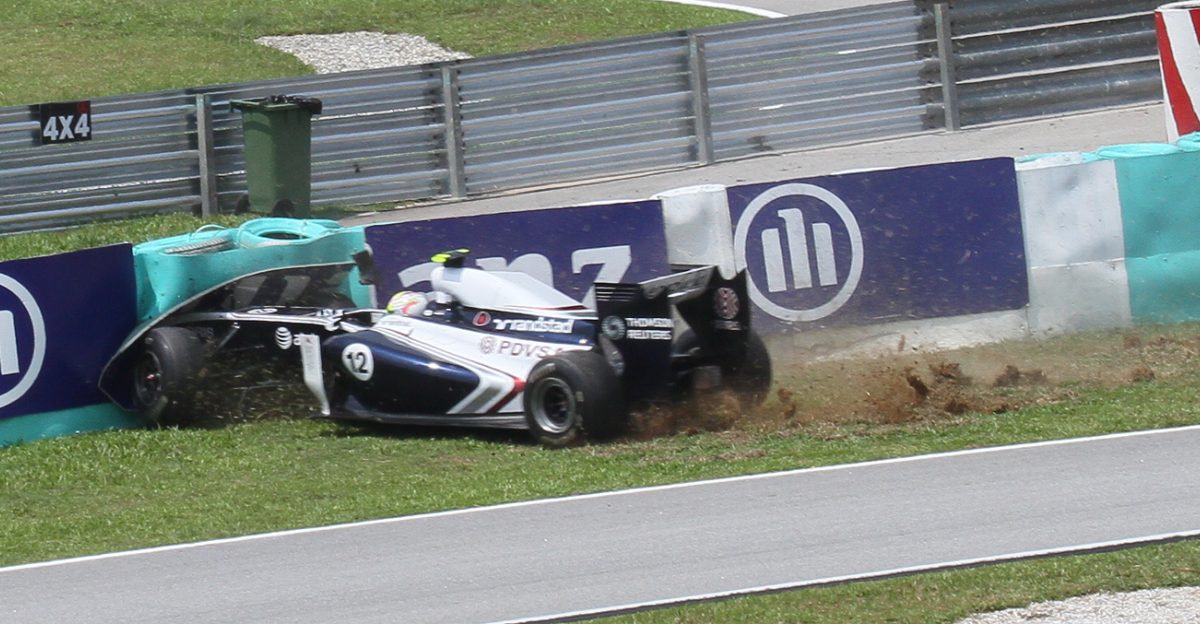
Every driver faces the same start funnel every weekend. This is not a quirk or a matter of bad luck. Cold tires reduce grip. Standing starts compress the field into a narrow corridor. Drivers jockey for position with limited visibility and reaction times measured in fractions of a second.
The mechanics of lap one create conditions where contact is statistically predictable over an entire season. The warning focused on a system that produces risk, not any individual behind the wheel.
The Data Was There
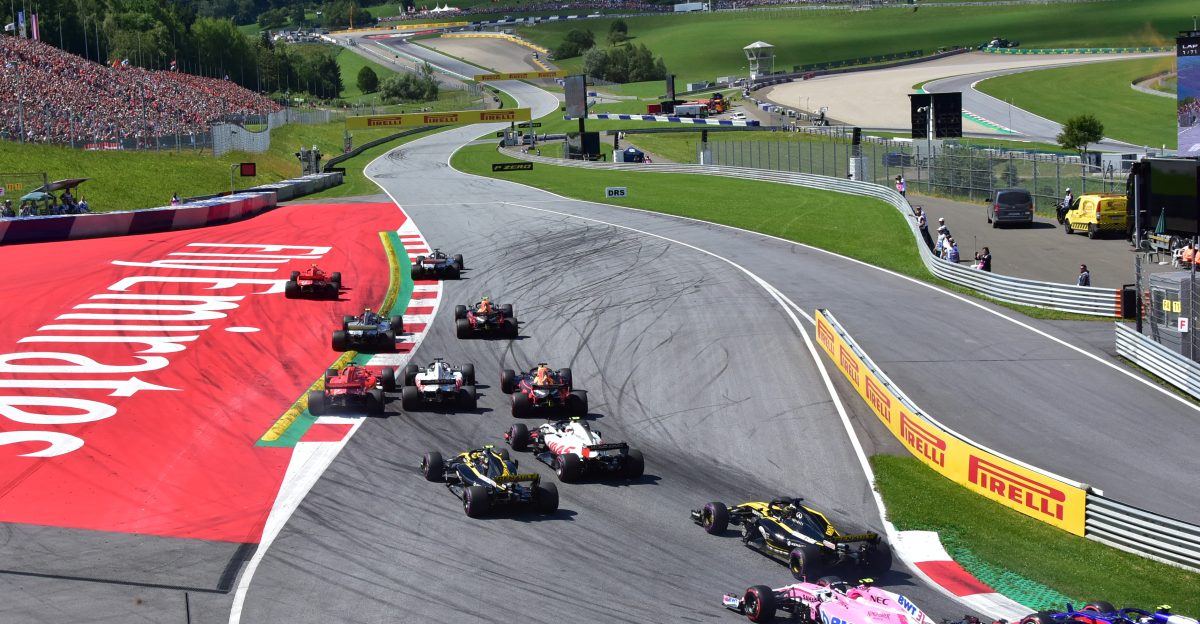
The missed warning is difficult to excuse. The FIA maintains detailed steward documents for every grand prix. Incident reports, penalties, safety car deployments, and lap-one contact records all flow through a centralized system. The data to identify the pattern was there.
Multiple seasons of race reports reflected recurring start-line collisions and near-misses. That volume of documentation, stored in the governing body’s own system, makes “we didn’t see it” a hard position to defend.
Ripple Effects
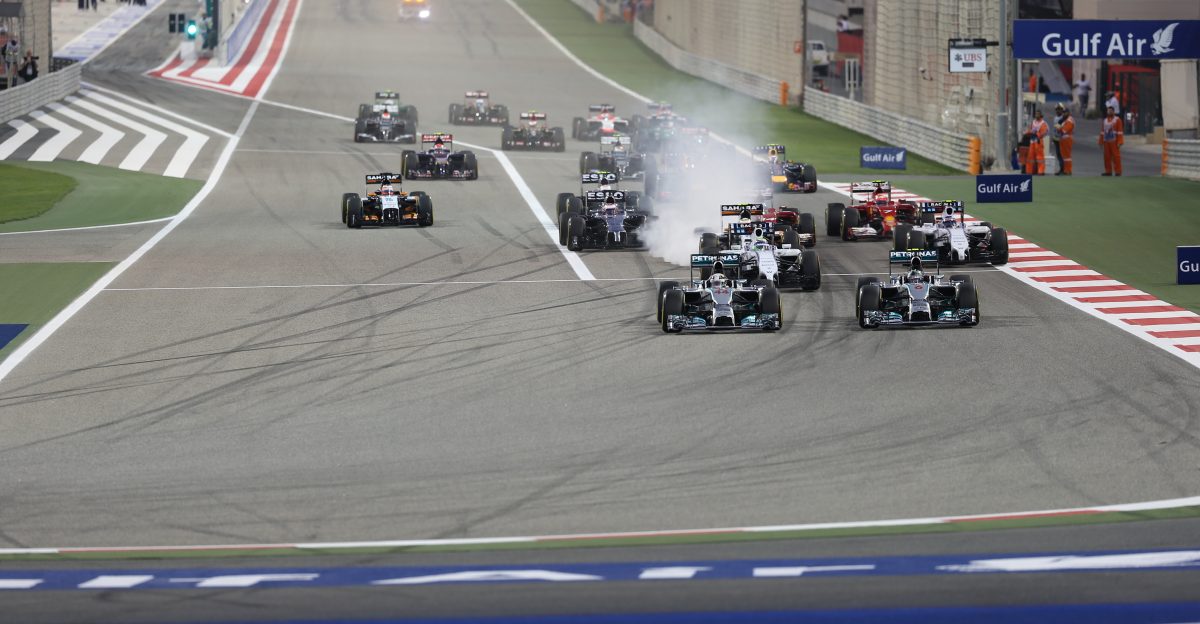
When the danger is built into lap one, it affects the entire grid: drivers and trackside workers alike. One unaddressed start-line incident can affect far more than the two cars involved. Debris fields, chain-reaction collisions, and marshals working within meters of the track all fall inside the blast radius.
Without intervention, the risk of normalizing avoidable accidents increases across a season. The cost of inaction grows with every race weekend under the same unrevised procedures.
What Needs to Change
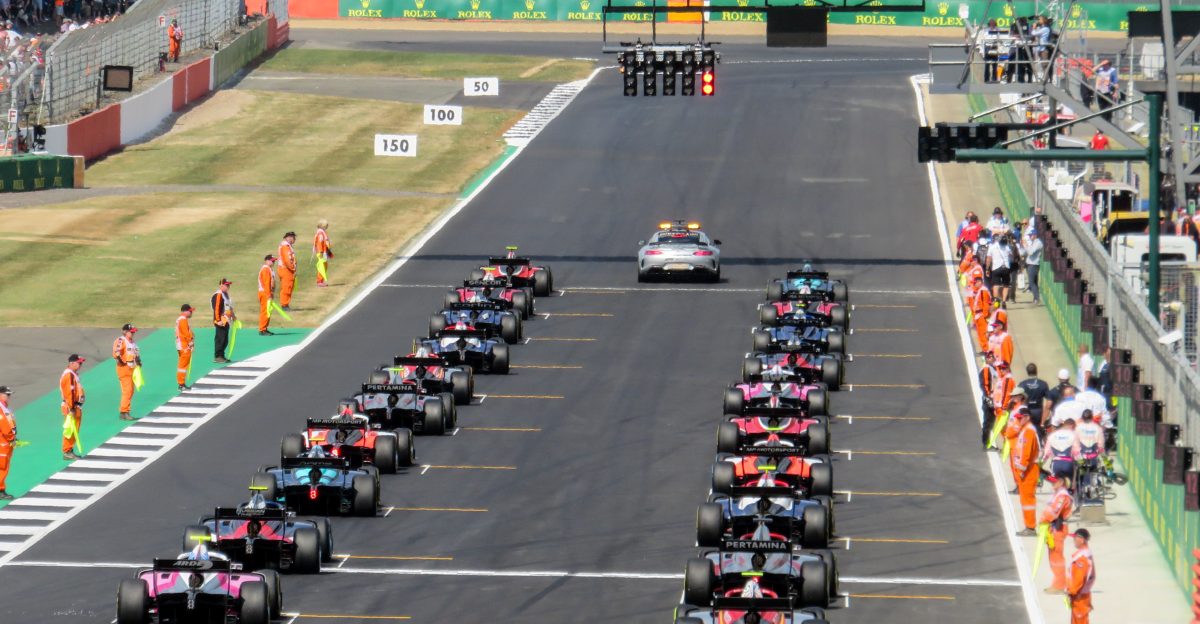
This situation is not an exception. It is a structural condition that repeats by design. Every grand prix features a standing start, funneling twenty cars through the same compression point. The missed warning reframes what fans see every other Sunday.
The spectacle of skill on display coexists with recurring exposure to a known hazard that the governing body has documented but not resolved. Once that framing clicks, every race start looks different. The spectacle and the risk share the same footage.
No Time to Wait
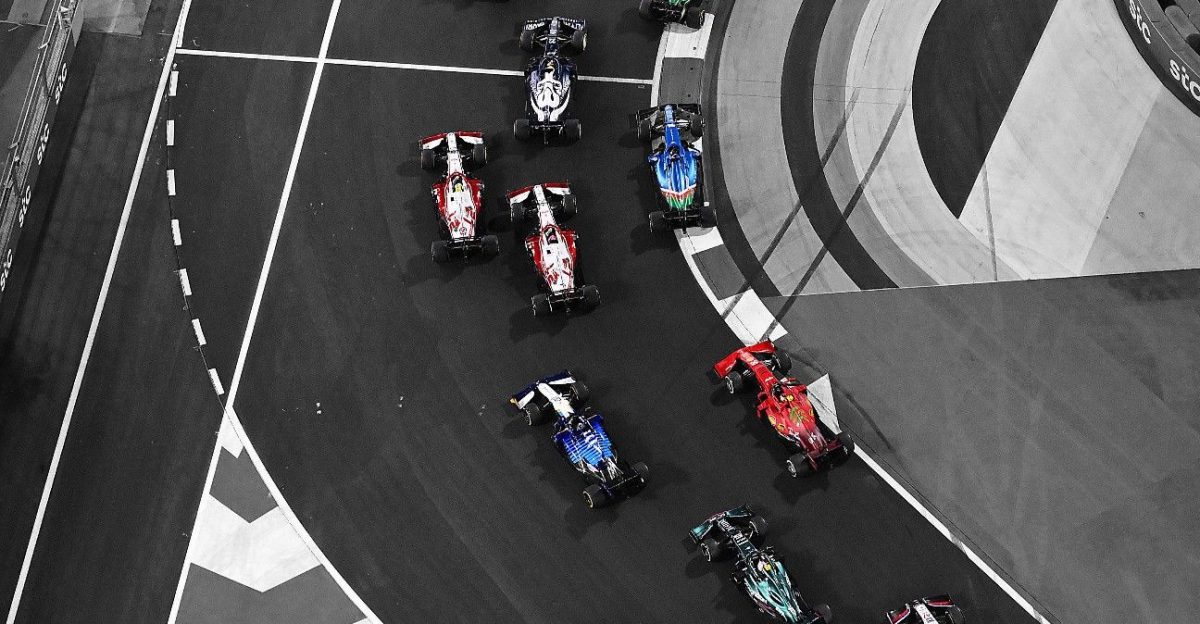
The calendar never pauses for regulatory debate. Races keep coming. Starts keep happening. Drivers continue entering the same lap-one funnel under the same unrevised rules. The longer the FIA delays a comprehensive response, the more race weekends pile up under conditions the sport’s own data flagged as problematic.
The next loss in that funnel will generate headlines asking why nothing changed after the warning became public. That question gets harder to answer with every grand prix.
Decision Point
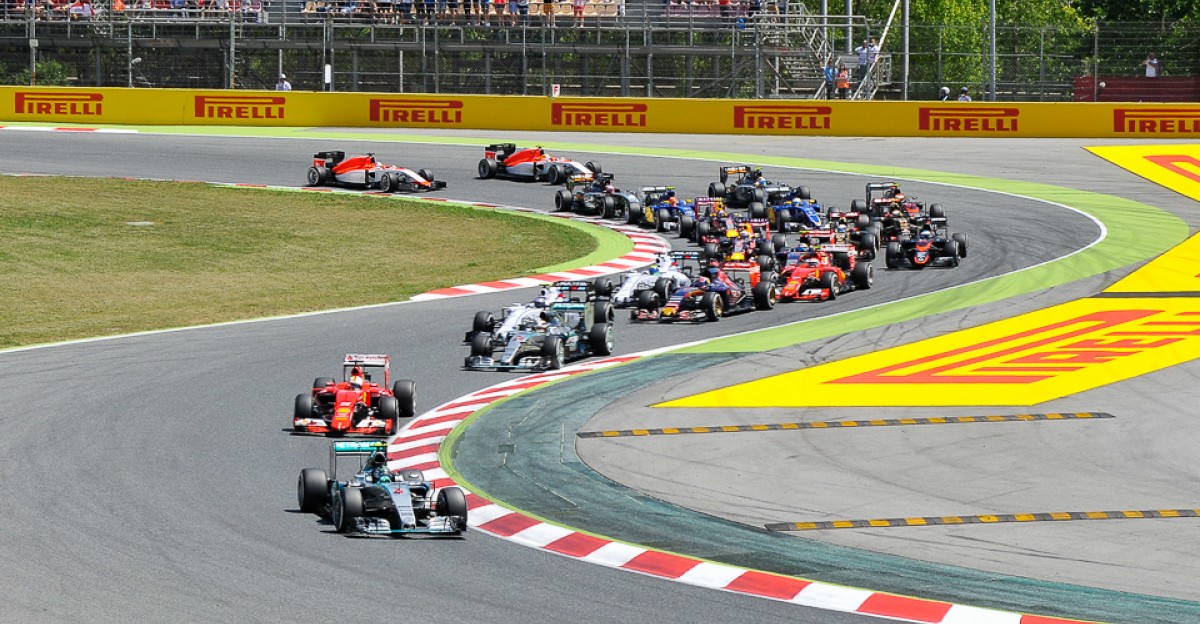
The warning is now public. Autosport published it. The FIA’s own documents contain the evidence. Every fan who watches the next race start now carries information most in the grandstand do not have: the pattern is known, documented, and unresolved.
Formula 1 faces a choice: can the next regulatory session move faster than the next lap-one incident? History shows the incident usually wins that race. The people strapped inside those cars cannot afford another season of waiting.
Sources:
Autosport – “The grim start warning Formula 1 seems to have missed” – March 15, 2026
Motorsport.com – “FIA to trial start procedure tweaks at Bahrain F1 test” – February 17, 2026
Grandprix.com – “Start procedure chaos raises fresh safety fears” – February 15, 2026
The Independent – “McLaren F1 boss calls for three 2026 rule changes due to car safety …” – February 15, 2026
Motorsport.com – “F1 drivers urge FIA to avoid late standing restarts” – May 6, 2023
ESPN – “F1 drivers call for rule change amid ‘dangerous’ race starts” – March 12, 2026