Oregon’s Gas Prices Climb To Among The Highest In America As Own State Rules Add To Every Gallon
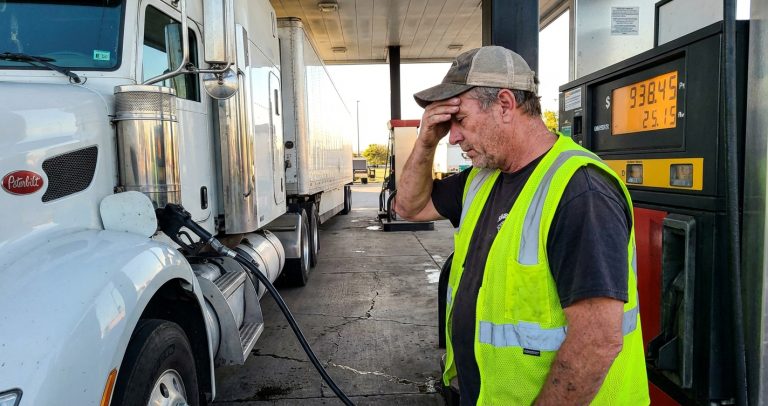
Oregon drivers are shelling out $4.54 for a gallon of regular gasoline, the state’s highest pump price since late 2023, exceeding the national average by 75 cents. As of March 17, 2026, the AAA-reported average places Oregon among the five most expensive states for fuel, behind only California, Hawaii, Washington and Nevada. The spike arrives amid widening global oil market jitters, setting the stage for a deeper look at what’s pushing pump prices to painful highs.
Rapid Rise From Year-Start Levels
At the start of 2026, Oregon’s average gasoline price sat at $3.42 per gallon. By mid-March it had climbed to $4.54, marking a $1.12 increase in just over two months. The lowest price this year was $3.33 on January 20, showing how quickly the market has turned. Compared with the national average, which began the year at $2.83 and now rests at $3.79, Oregon’s rise has outpaced the rest of the country, reflecting both local factors and broader geopolitical shocks.
State Fuel Tax Adds Fixed Cost
State fuel taxes contribute a steady $0.40 per gallon to Oregon’s pump price, a rate that has been in effect since January 1, 2024. While this levy is modest compared with California’s higher taxes, it adds a fixed baseline that compounds with market-driven fluctuations. Oregon’s tax structure also includes additional fees on vehicle registration and titling, which together fund transportation projects. Analysts note that even without tax hikes, the underlying crude cost would still push prices well above the national norm.
Strait of Hormuz Disruption Sparks Oil Surge

The immediate catalyst for the recent surge is the severe disruption of traffic through the Strait of Hormuz, a waterway that carries roughly 20 million barrels of oil equivalent daily. Beginning in early March 2026, Iranian authorities sharply restricted tanker movements, citing ongoing conflict with Israel and the United States. Although the White House confirmed on March 17 that ships are beginning to trickle through again, with approximately 90 vessels transiting since March 1 against a historical norm of around 138 ships per day, flow remains over 90% below normal levels and the situation continues to evolve. The disruption has tightened global supplies, sending benchmark Brent crude above $100 per barrel and West Texas Intermediate to around $96. Market observers warn that any reversal of the partial resumption could exacerbate the price shock felt at Oregon pumps.
Conflict Escalation Adds Fresh Uncertainty
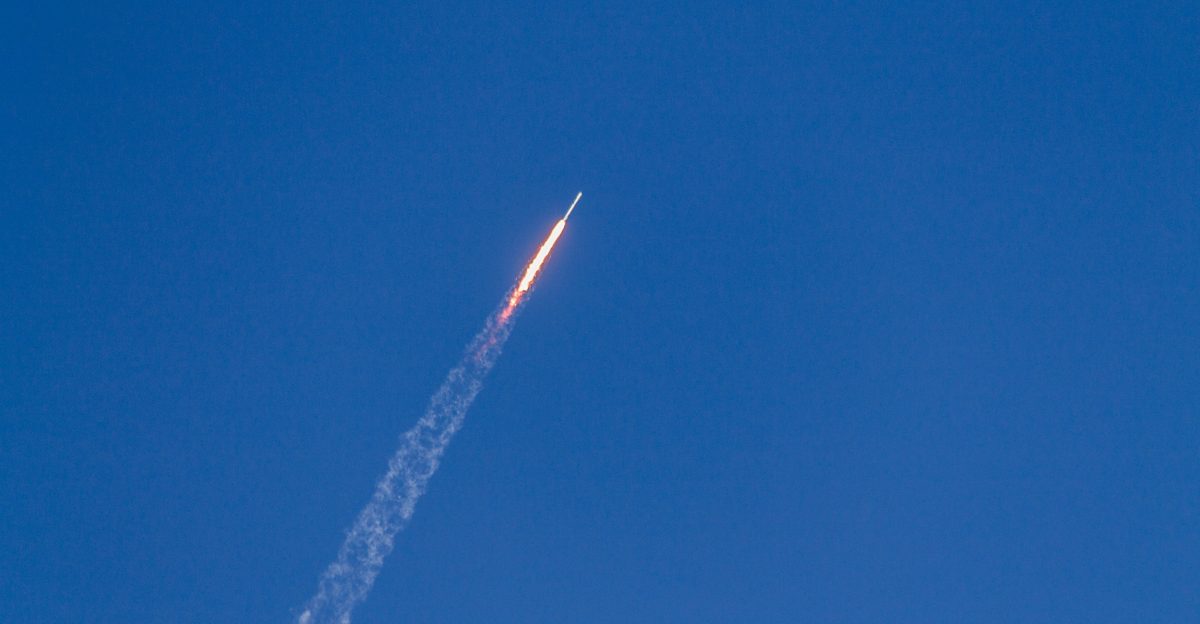
On March 17, U.S. Central Command announced strikes against hardened Iranian missile installations near the Strait of Hormuz, targeting anti-ship cruise missiles that posed a threat to international shipping. The development introduces renewed uncertainty into the partial resumption of tanker traffic and may affect near-term oil price movements. Further compounding the situation, Iran launched a missile strike targeting Tel Aviv on March 18, an escalation that may exert additional upward pressure on oil prices beyond what is currently reflected in market data.
Experts Quantify Geopolitical Risk Premium
Financial institutions have quantified the risk premium tied to the standoff. Goldman Sachs estimated the real-time risk premium embedded in crude prices at $18 per barrel, and warned that oil prices, particularly for refined products, could surpass the peaks seen in both 2008 and 2022 if Strait of Hormuz flows remain constrained throughout March. Meanwhile, Wood MacKenzie warned that if tanker operations are not swiftly resumed, prices could surpass $100 per barrel, amplifying the cost burden on consumers nationwide.
Echoes of Past International Crises
The current situation echoes past price spikes. In March 2022, after Russia’s invasion of Ukraine, the national average jumped 60 cents and Oregon’s average rose 58 cents in a single week. Today’s increase, while steadier over weeks, has pushed Oregon’s average to its highest point since late 2023. Experts observe that both events illustrate how international conflicts can rapidly translate into higher fuel costs for drivers far from the front lines.
Household Budget Strain at the Pump

For Oregon households, the higher pump price translates into real-world budget strain. A driver who travels 12,000 miles annually in a vehicle that gets 25 miles per gallon will need roughly 480 gallons of fuel each year. At $4.54 per gallon, that annual fuel bill exceeds $2,180, compared with about $1,819 at the national average of $3.79. The extra $360 per year can force families to trim discretionary spending or delay other purchases.
Legislators Secure Earlier Tax Vote

State lawmakers responded to the price pressure by advancing legislation to move a voter-approved gas-tax increase from the November 2026 ballot to a May special election. The Oregon Senate passed Senate Bill 1599 by a 17-13 margin in February; the House followed with a 31-20 vote on March 2, and Governor Tina Kotek signed the bill into law the same day. The referendum is now scheduled for May 19, 2026. Two Republican state lawmakers and dozens of referendum campaign leaders filed a lawsuit seeking to block the date change. However, a Marion County judge declined to block the May election on March 11, ruling the Legislature was likely within its constitutional rights, though the legal challenge may continue. Proponents argue that an earlier vote allows quicker reinvestment in road maintenance, while opponents warn that any additional tax could further aggravate already high pump prices.
Outlook Hinges on Strait Normalization
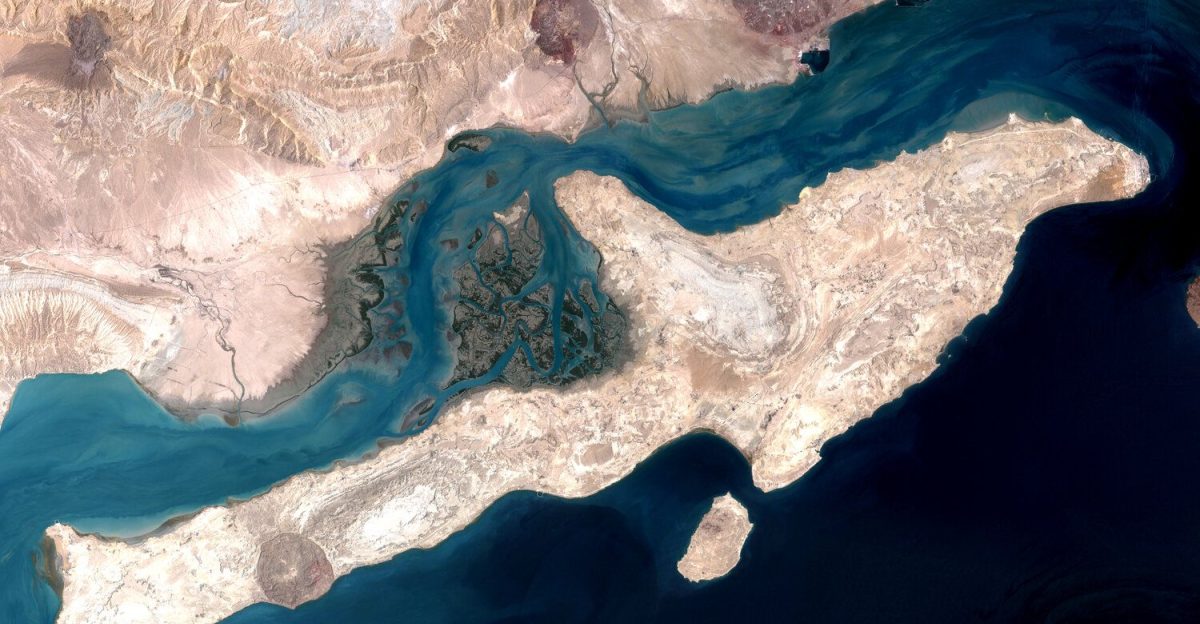
Looking ahead, analysts say meaningful relief could arrive if tanker traffic through the Strait of Hormuz fully normalizes or if global oil output increases to compensate for lost flows. JPMorgan estimates that a restriction lasting three to four weeks could push Brent crude above $100, but a swift return to full capacity would ease the risk premium. Brent edged down slightly to around $101 on March 18 as partial resumption signals emerged, suggesting markets are watching developments closely. However, the March 17 CENTCOM strikes on Iranian missile sites and the subsequent Iranian missile attack on Tel Aviv on March 18 introduce fresh escalation risk that could reverse any near-term price relief. In the meantime, Oregon drivers continue to feel the pinch, with prices remaining among the nation’s highest as diplomats and traders alike watch for signs of lasting de-escalation.
Summing Up Oregon’s Fuel Price Challenge
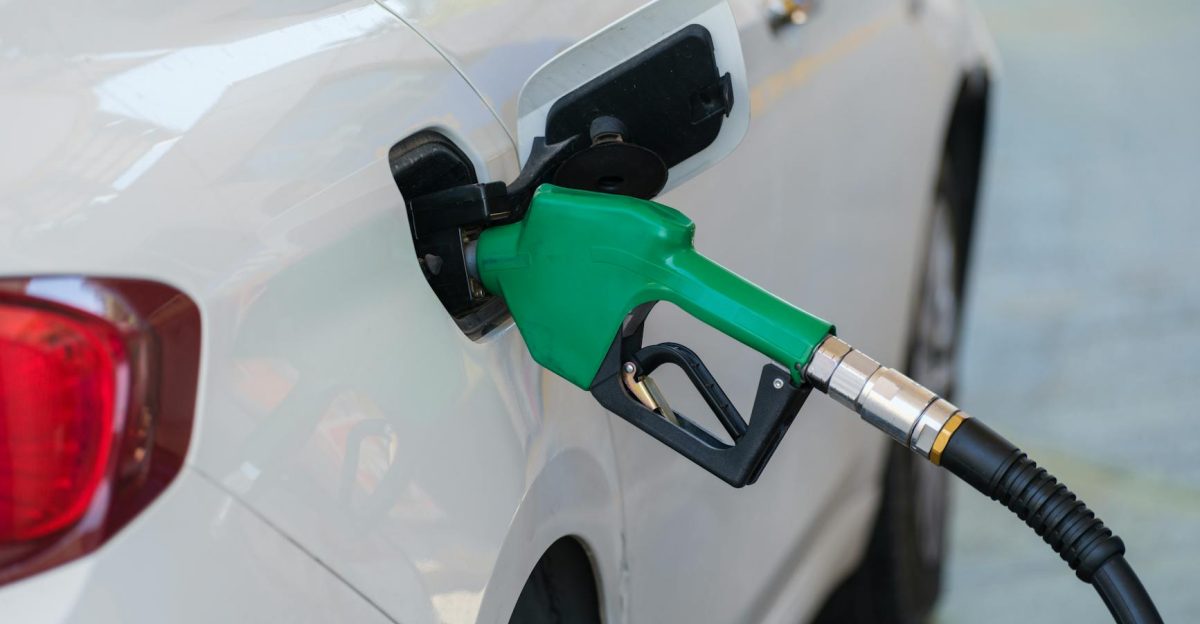
In summary, Oregon’s gasoline price of $4.54 per gallon reflects a combination of state taxes, limited refining capacity, and a geopolitical shock that has severely curtailed oil shipments through a vital chokepoint. While the situation mirrors earlier crises, the convergence of local policy and international conflict has produced a uniquely painful burden for motorists. Monitoring both diplomatic developments and state fiscal decisions, including the outcome of the legal challenge to SB 1599, will be key to predicting when pumps might finally see some relief.
Sources
“Oregon Average Gas Prices.” AAA Fuel Gauge Report, March 17, 2026.
“Amid Regional Conflict, the Strait of Hormuz Remains Critical Oil Transit Chokepoint.” U.S. Energy Information Administration, March 11, 2026.
“Current Motor Fuel Tax Rates.” Oregon Department of Transportation, effective January 1, 2024.
“Oregon Senate Passes Bill to Move Gas Tax Vote to May.” OPB, February 22, 2026.
“Oregon Gas Tax Vote is Moving to May, as Democrats OK Election Date Change.” OPB, March 2, 2026.
“Oregon Judge Declines to Block May Gas Tax Election.” OPB, March 11, 2026.