Tesla Sued After Cybertruck Autopilot Drives Into Overpass With Family Inside
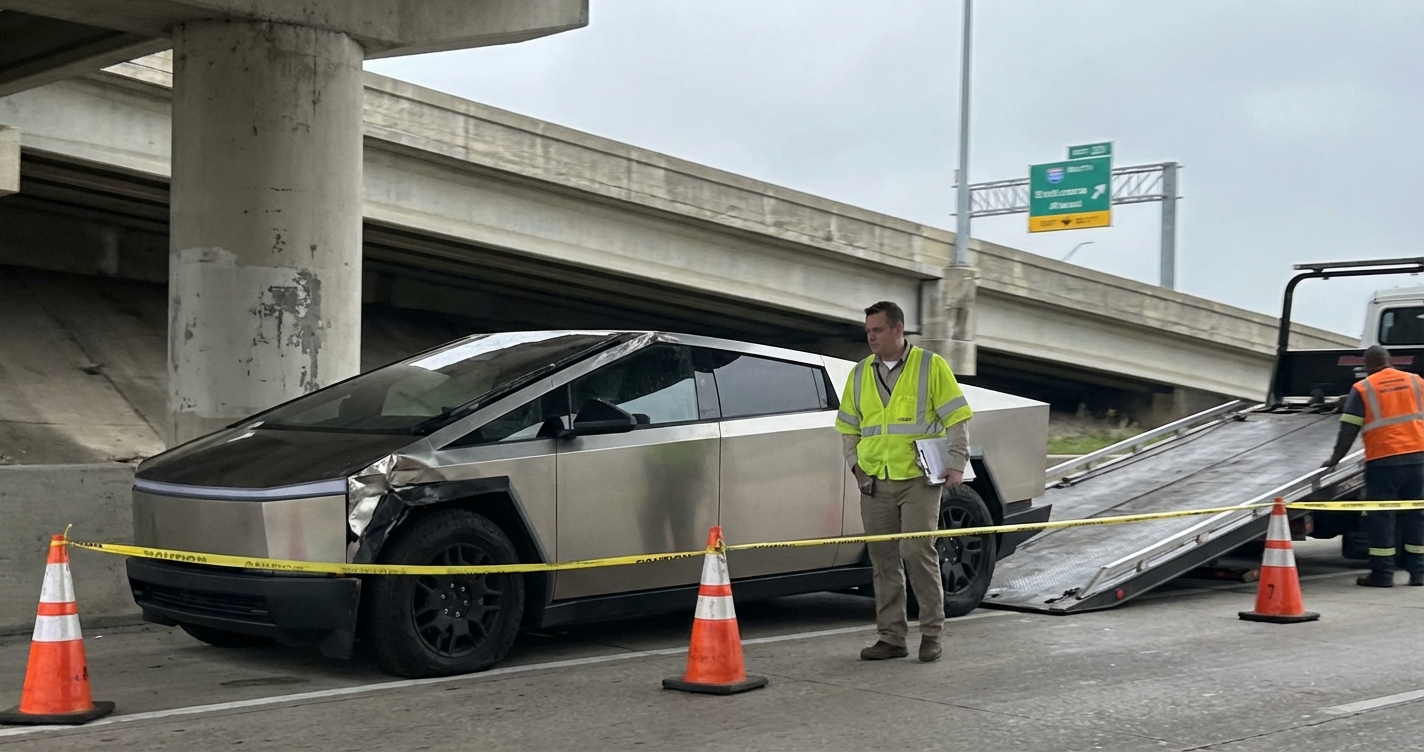
A Cybertruck on a Houston overpass, Autopilot allegedly engaged, approaching a Y-shaped freeway split where the road curves right. The system allegedly failed to follow the curve and drove straight toward the edge. Not a darting pedestrian. Not a sudden lane merge. A concrete barrier at the edge of a freeway split, fixed and immovable, visible on every map ever made. The vehicle struck it. The driver was inside. And the driver-assistance system that was supposed to be watching the road apparently never flinched. Now a courtroom will decide what went wrong.
Trust Built at Highway Speed
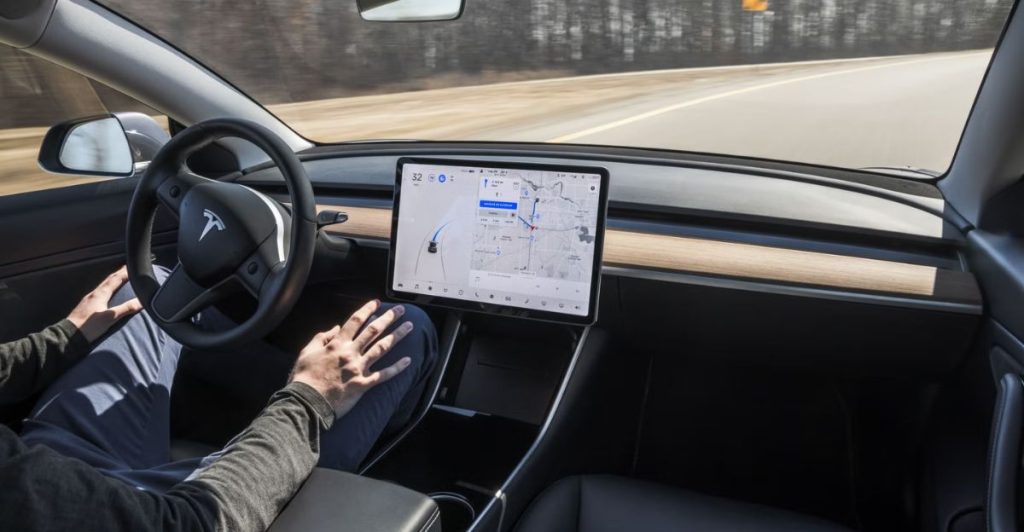
Most people who activate Autopilot do it because the system is built into the vehicle they already bought. It feels like a safety net. Tesla’s own support page says the driver must remain attentive, keep hands on the wheel, and understand the features do not make the vehicle autonomous. That language exists for a reason. But at highway speed, with the system holding the lane and managing throttle, the line between “assisting” and “driving” gets blurry fast. That blur just became a lawsuit.
This Didn’t Happen in a Vacuum
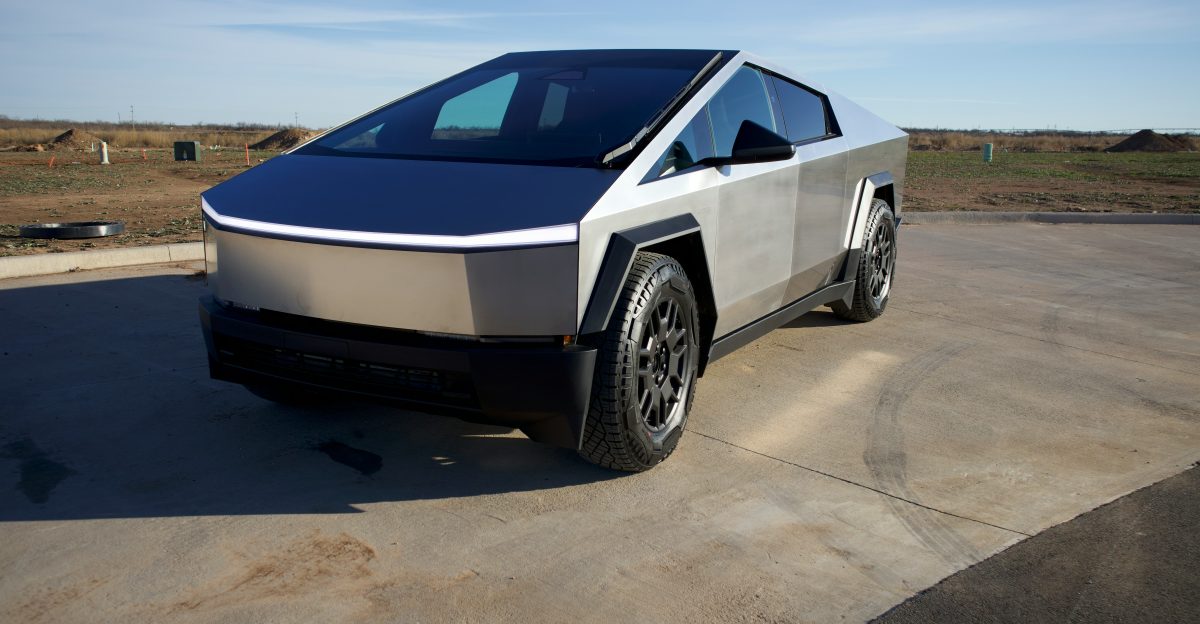
This crash did not land in a vacuum. NHTSA has already opened formal investigations into Tesla Full Self-Driving crashes under certain conditions. The agency’s Office of Defects Investigation produced detailed engineering analyses of Autopilot crashes into stationary emergency vehicles. Reuters and the Associated Press have both covered the expanding federal scrutiny. So when a Cybertruck allegedly plows into a fixed overpass with Autopilot on, it slots into a pattern regulators already recognized. The assumption that “if it’s on, it’s safe” was cracking long before Houston.
The Real Fight Happens in Discovery
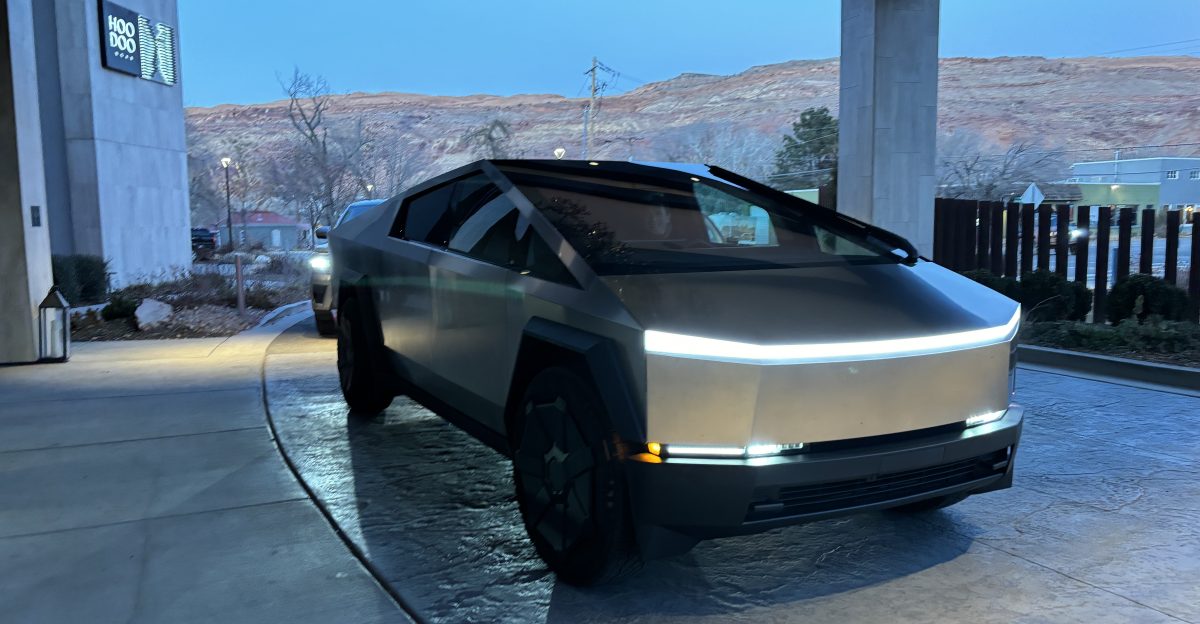
Forget the crash footage. The lawsuit’s true weapon is discovery. A civil suit can force Tesla to hand over vehicle logs, system behavior data, warning sequences, and driver-monitoring records. That is the information nobody outside Tesla normally sees. One truck. One overpass. One set of logs that could reveal exactly what the software “saw” and whether it ever told the driver to take over. The crash lasted seconds. The legal fight over those seconds could redefine how courts judge supervised automation nationwide.
Two Tracks Running at Once
Safety accountability for automation crashes runs on two separate tracks. NHTSA holds defect-investigation authority and can mandate recalls, restrictions, or design changes. Private litigation forces individual accountability and public disclosure. Both tracks are now active against Tesla’s driver-assistance systems simultaneously. That dual pressure means the company faces consequences in courtrooms it cannot control and regulatory offices it cannot ignore. One rail can be slow. Two rails moving at once compress the timeline for answers about what “supervised” actually means in practice.
The Fine Print Was Built for This
Tesla’s consumer terms include arbitration clauses and class-action waiver provisions. That language can route disputes away from open court into private proceedings where outcomes stay sealed. Think about that for a second. The same company selling a system it calls “Autopilot” also built a legal structure designed to keep crash disputes out of public view. “Supervised” is not just a feature label. It is a legal architecture, a framework engineered to define who bears blame before the first impact ever happens.
The Ripple Beyond Houston
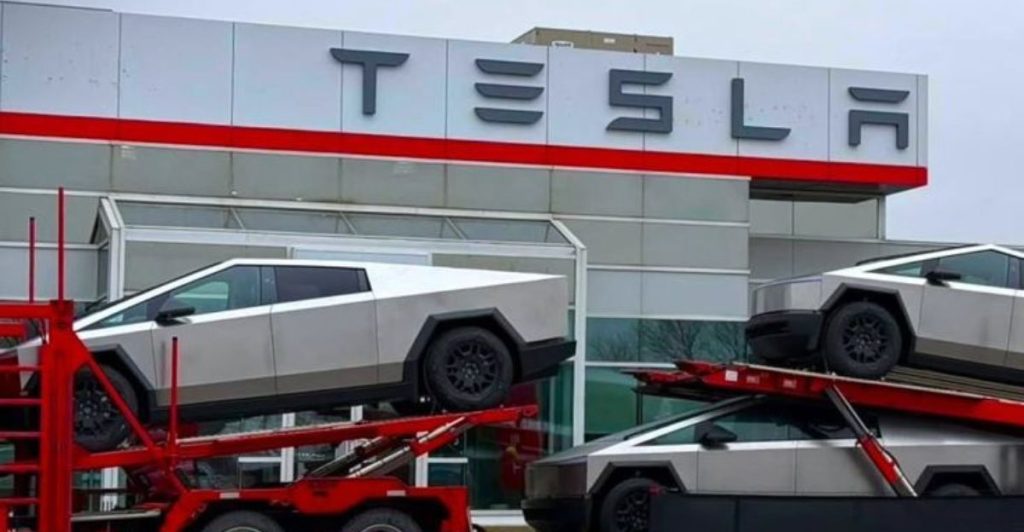
If this case survives arbitration attempts and reaches open court, the ripple effects extend far beyond one Houston driver. Litigation plus federal scrutiny can raise compliance costs and insurance premiums across the entire driver-assistance sector. Pressure builds for clearer feature naming, stricter driver-monitoring requirements, and more transparent crash reporting. Every automaker watching this case understands the stakes: the rules governing how “assisted” driving features are marketed, labeled, and legally defended could shift based on what those Cybertruck logs reveal.
One Crash Away From New Rules
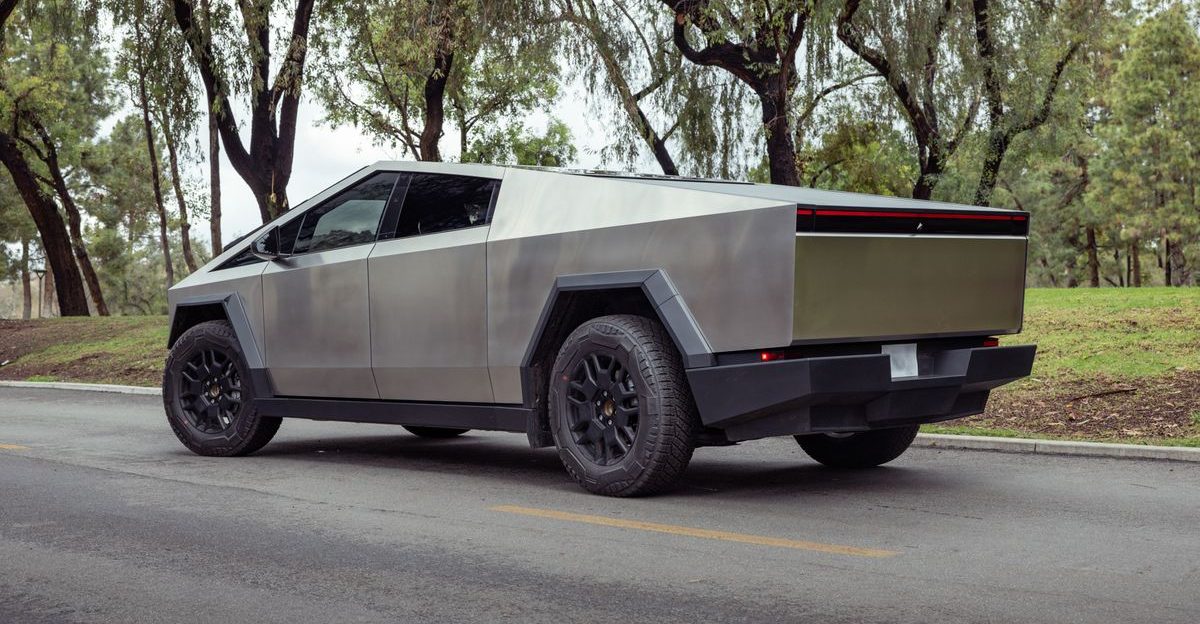
This is not an isolated fender-bender. If litigated publicly, the case could shape how courts evaluate “supervised” automation claims going forward. NHTSA has already escalated Tesla Autopilot crash concerns into formal engineering analysis before. Each escalation establishes precedent. Each precedent narrows the gap between what companies call “assistance” and what the law treats as responsibility. The pattern is clear: local crash becomes discovery fight becomes broader pattern claim becomes regulatory attention. Houston might be where that chain reaction goes public.
The Drivers Who Lose Next
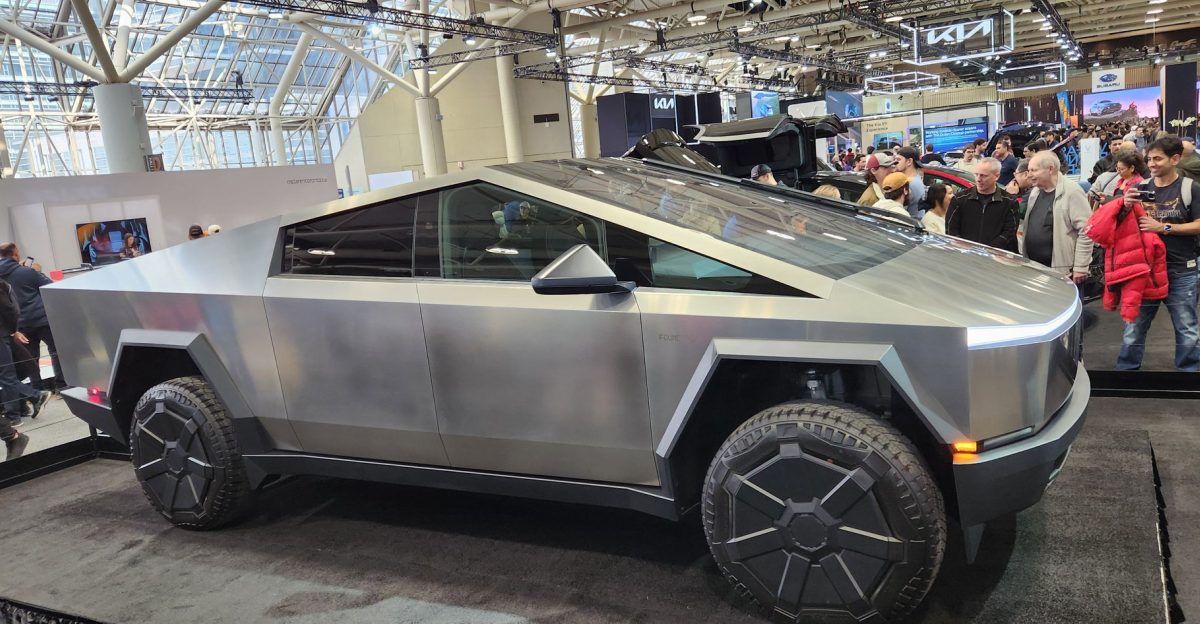
The drivers who lose next are the ones still trusting ambiguity. Anyone activating a system labeled “Autopilot” without reading Tesla’s own fine print is operating under assumptions the company itself disclaims in writing. That gap between marketing energy and legal language is where crashes become catastrophes and lawsuits become class-defining battles. Federal investigators keep adding cases to the file. Plaintiffs’ attorneys keep finding new crashes. And Tesla keeps emphasizing driver responsibility while selling a feature whose very name suggests the driver can relax.
Tesla’s Predictable Move
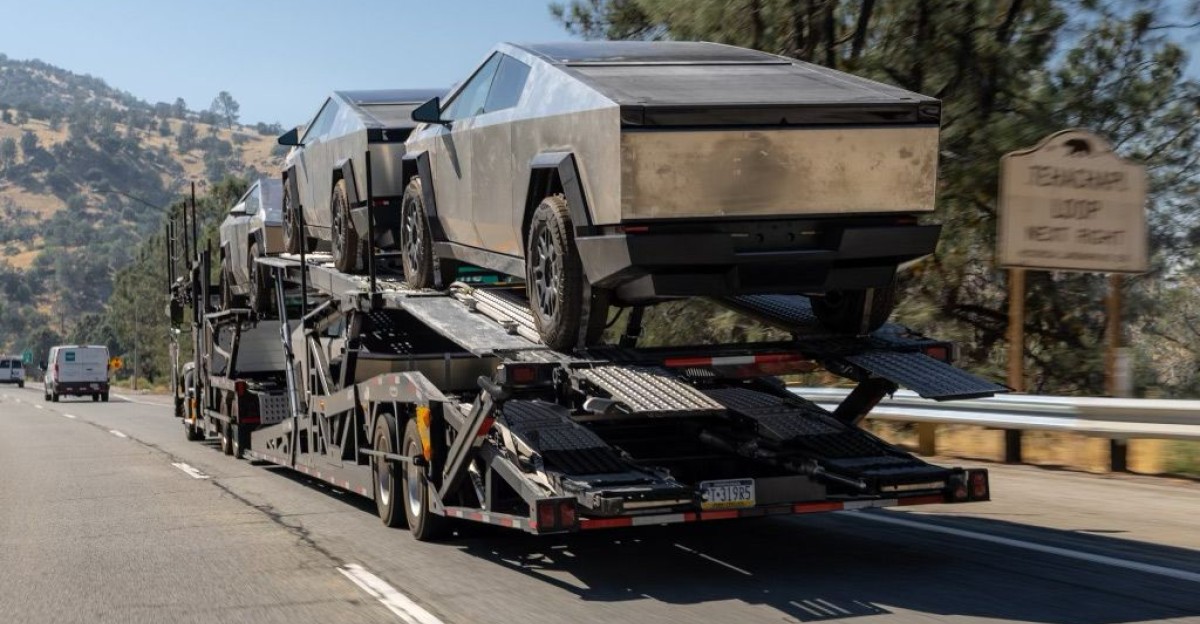
Tesla’s likely move is predictable: compel arbitration, emphasize that the driver accepted supervision terms, and point to its own documentation saying the system requires attentive human control. That defense has worked before. But each new overpass, each new emergency vehicle, each new fixed object that a “supervised” system allegedly fails to see makes the supervision argument harder to sell. The person who reads the fine print before activating Autopilot now knows something most Tesla owners never bothered to learn. That knowledge might be the only real safety feature left.
Sources:
“Houston driver sues Tesla after Cybertruck on Autopilot crashes into overpass.” Click2Houston (KPRC 2), 13 Mar 2026.
“US probes Tesla’s Full Self-Driving software in 2.4 million cars after fatal crash.” Reuters, 18 Oct 2024.
“Autopilot and Full Self-Driving Capability.” Tesla Support, tesla.com.
“Arbitration Agreements in Context: Lessons from Wise v. Tesla.” Ropers Majeski, 19 Jan 2026.