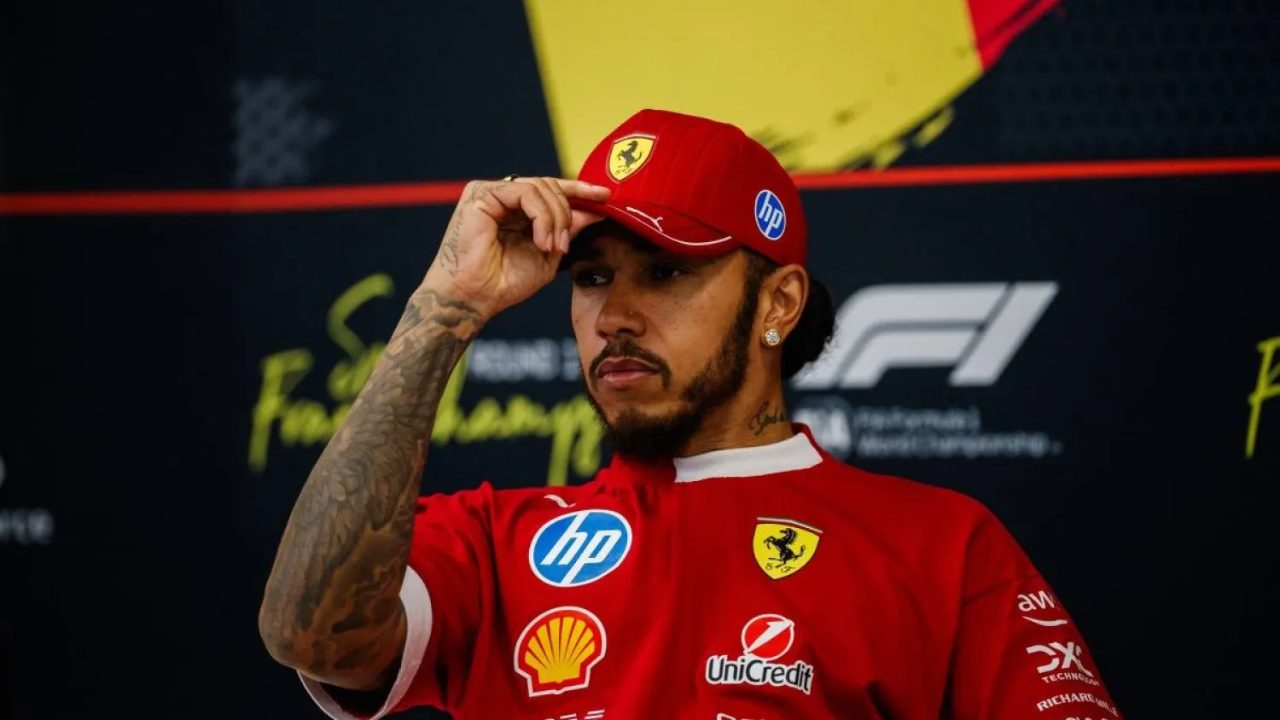
Lewis Hamilton Turns Back The Clock At 41 As Formula One Weighs Rule Changes
The seven-time world champion looked sharper than he has in months. Quicker on corner entry, more aggressive on the brakes, carrying the kind of confidence that used to make the rest of the grid nervous. The paddock noticed. BBC Sport’s weekend Q&A centered on one phrase that keeps surfacing: “the Hamilton of old.” That kind of talk doesn’t start without reason. But the timing of this particular resurgence is what makes it worth pulling apart, because Hamilton wasn’t the only thing moving last weekend.
A Loaded Calendar
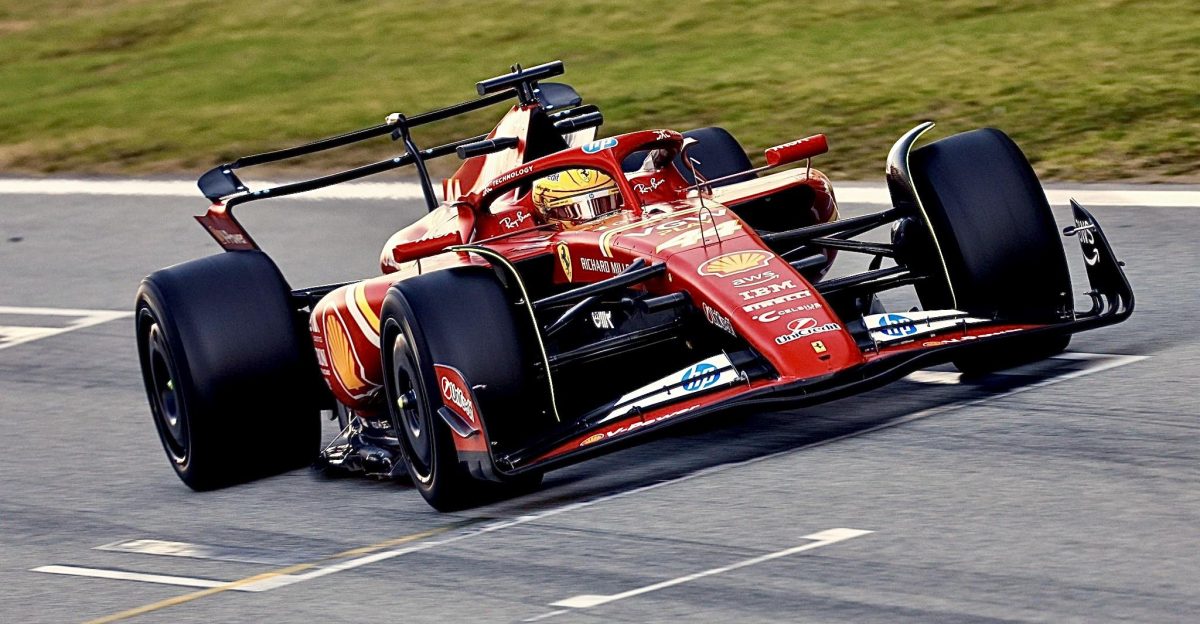
Hamilton’s stronger form arrived while Formula One’s regulatory body, the FIA, was actively discussing potential rule changes that could affect the entire grid. Eleven teams. Twenty-two drivers. All operating under the same technical regulations, all vulnerable to the same enforcement shifts. The comeback narrative is resurfacing, but it’s colliding with a rulebook that may be shifting under everyone. That collision is the real story, because in modern F1, “form” and “legality” share a border nobody talks about on television.
The Easy Explanation Falls Apart
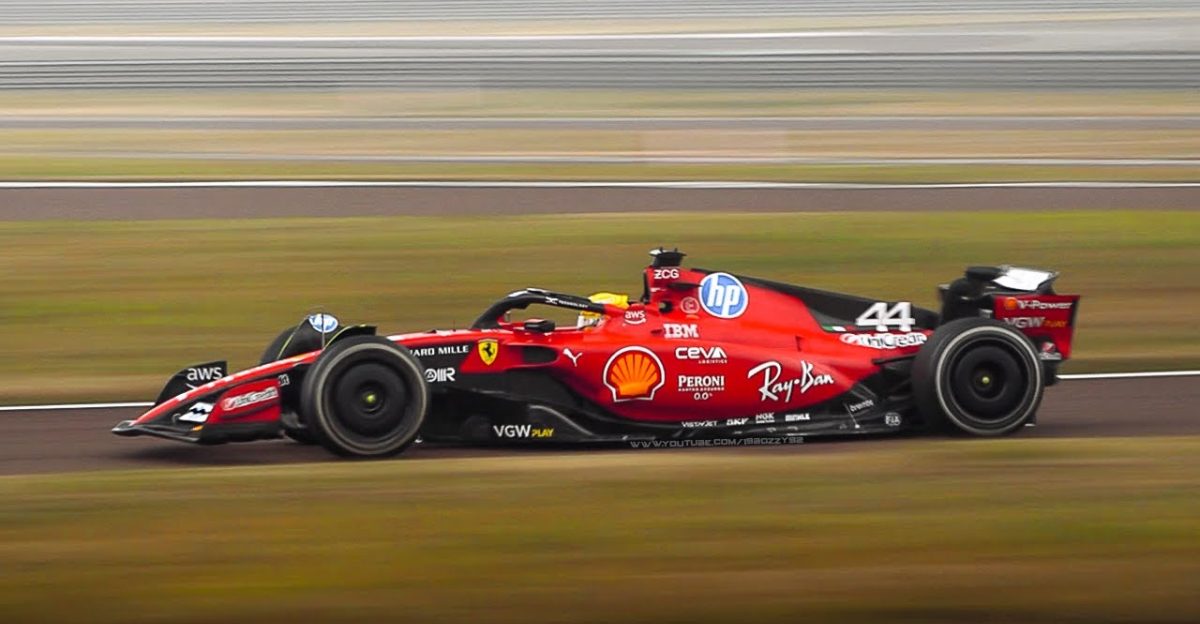
The default fan logic runs like this: if a champion struggles, it must be age or motivation. If he’s fast again, he “found something.” Clean. Simple. Wrong. Formula 1’s rules flow through FIA-issued regulations, clarifications, and technical directives. That pipeline can change what teams are effectively allowed to run without a single new part bolted to the car. Driver-form headlines can be downstream of car legality shifts, and specialist outlets routinely track exactly how. Age is the easy storyline. The harder truth lives in the documents folder.
When Paperwork Moves the Grid
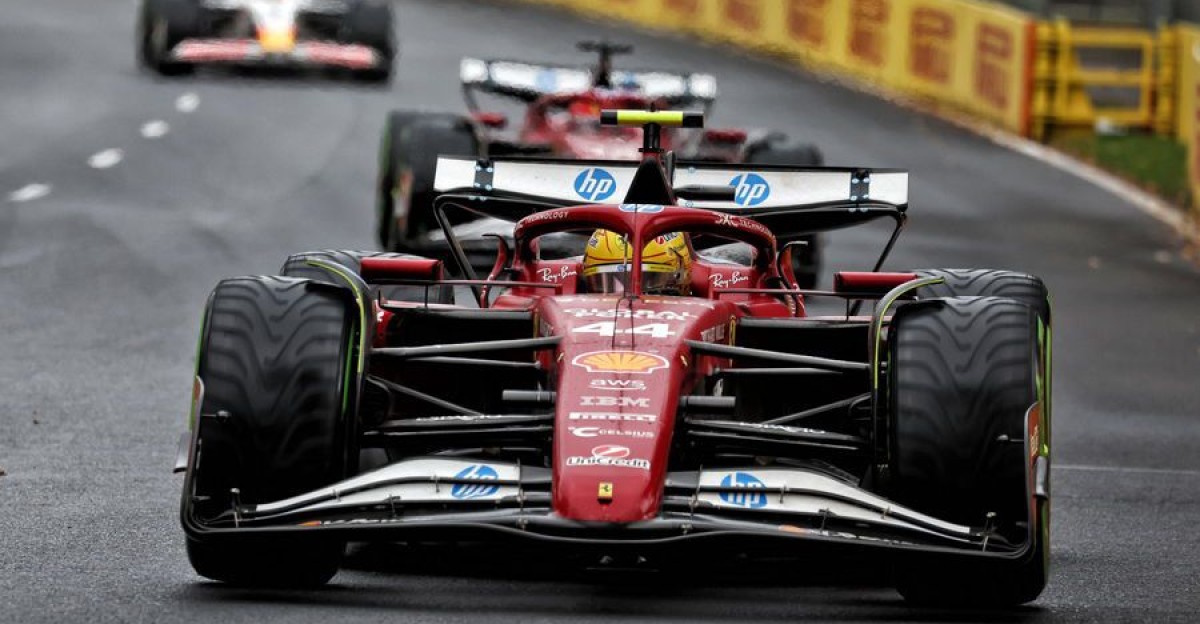
Here is where the comeback narrative cracks open. The FIA’s regulation and clarification pipeline acts as a mid-season performance governor. A document update can move lap time as surely as an upgrade package. Competitive order can shift without new hardware, purely from enforcement. One clarification. Eleven teams scrambling. Twenty-two drivers watching the stopwatch change meaning overnight. The “best car” can become the “wrong car” without a crash. Just a PDF. That’s the system sitting above every lap Hamilton or anyone else turns.
The Hidden Layer Between Fans and Teams
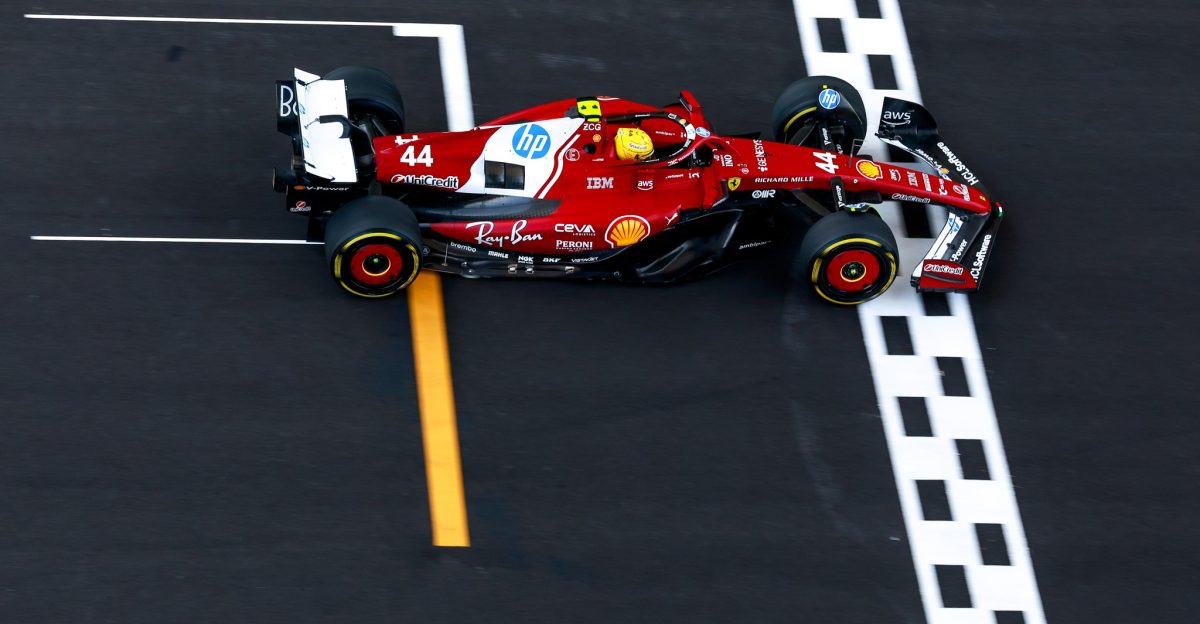
Fans see lap times. Teams see compliance risk and enforcement signals. That gap between audience perception and paddock reality is where the actual championship lives. Media Q&As often surface rule-change chatter before formal publication, signaling governance pressure building behind closed doors. When BBC Sport frames “Hamilton of old” alongside “potential rule changes” in the same breath, the paddock is already reacting to something the public hasn’t fully processed. Performance is talent filtered through car concept and rule enforcement. Remove any leg of that stool and the picture changes completely.
The Real Cost of Compliance
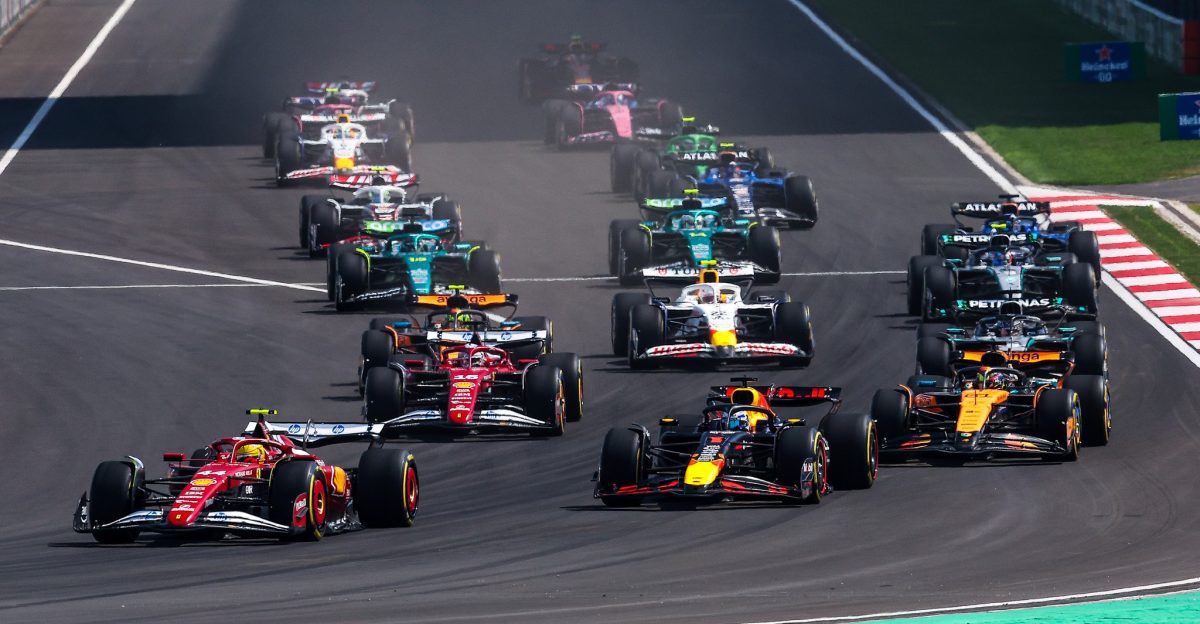
Rule or interpretation changes can force setup redesigns and development pivots mid-season. Teams may divert resources from performance upgrades to compliance-proofing, essentially spending money to stand still. Development budgets don’t expand because the FIA published a clarification. The money just moves from “go faster” to “stay legal.” That redirection is invisible to the broadcast audience but brutal inside the factory. A team can spend months optimizing a concept, then lose it to a single enforcement document. Engineering freedom, narrowed instantly.
A Shockwave Across the Grid
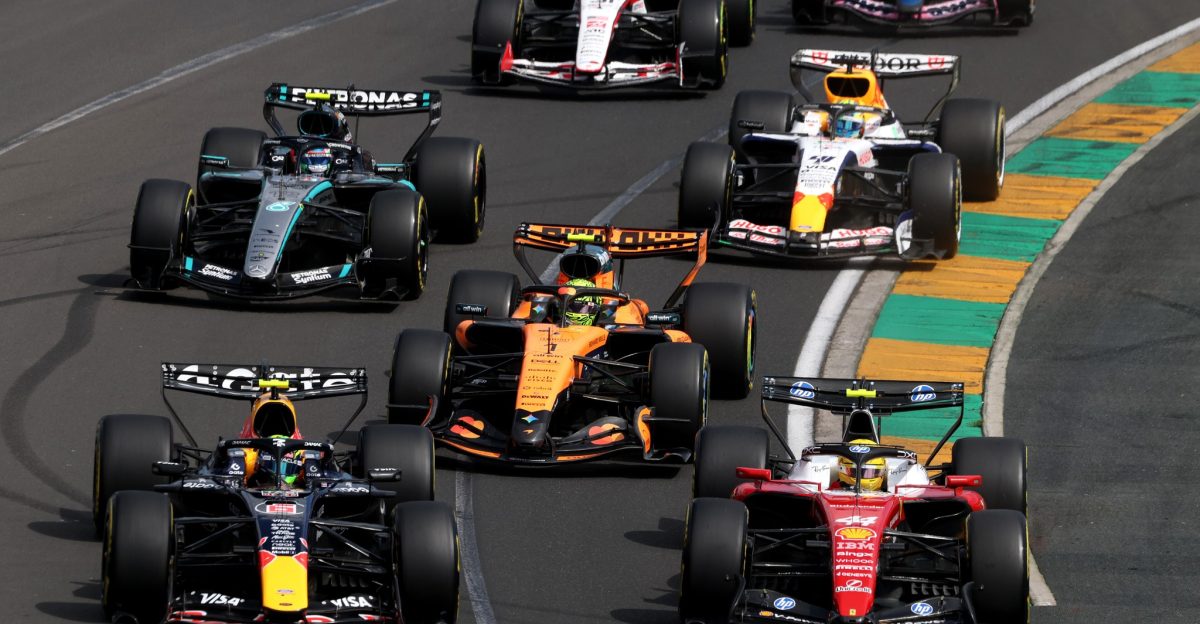
The ripple effect extends well beyond one team or one driver. Any grid-wide rule change touches all eleven constructors simultaneously. Teams whose performance depends on the targeted interpretation stand to lose the most, and they know it. The technical arms race shifts toward interpretation-proof designs and, increasingly, lobbying. Engineers who should be chasing downforce end up chasing legal certainty instead. That’s development spend redirected from the wind tunnel to the conference room, a tax on innovation that every constructor pays differently.
A New Kind of Precedent
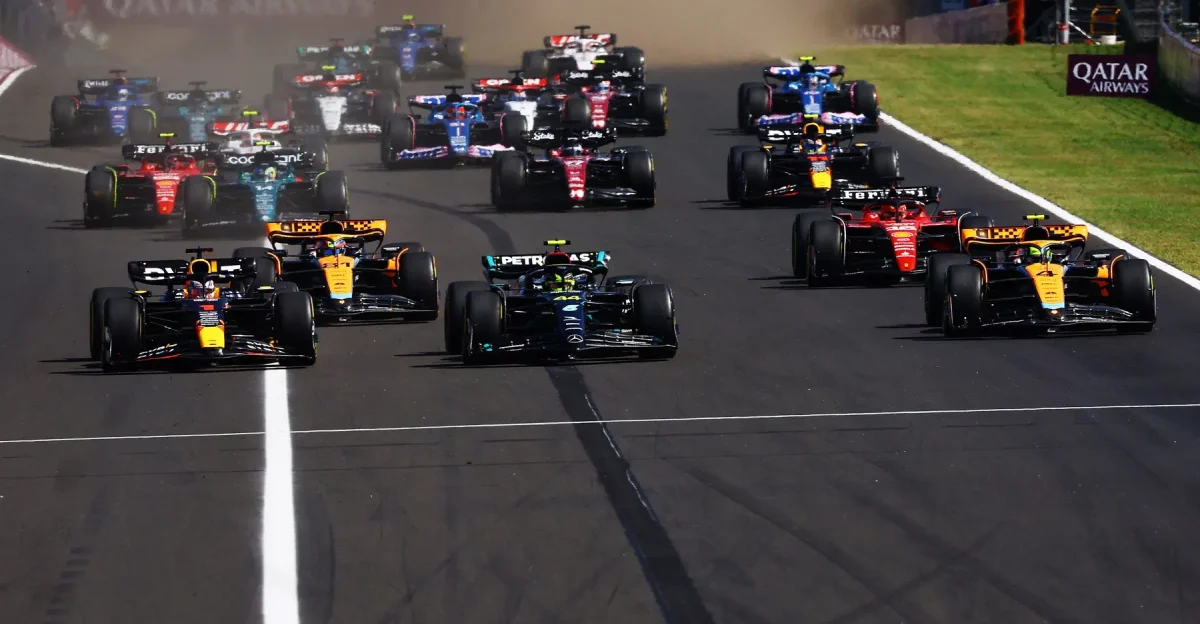
This pattern has a name now. Rival protests trigger FIA clarification, which forces counter-innovation, which triggers a new clampdown cycle. Each loop tightens the expectation that gray-area solutions can be curtailed quickly. The championship is also a paperwork race: engineering plus legal survivability. Once you see that framework, every “comeback” and every “slump” looks different. Hamilton’s sharper form is the headline. The FIA’s enforcement layer is the fine print that can change what “form” even means across an entire season.
The Unresolved Threat
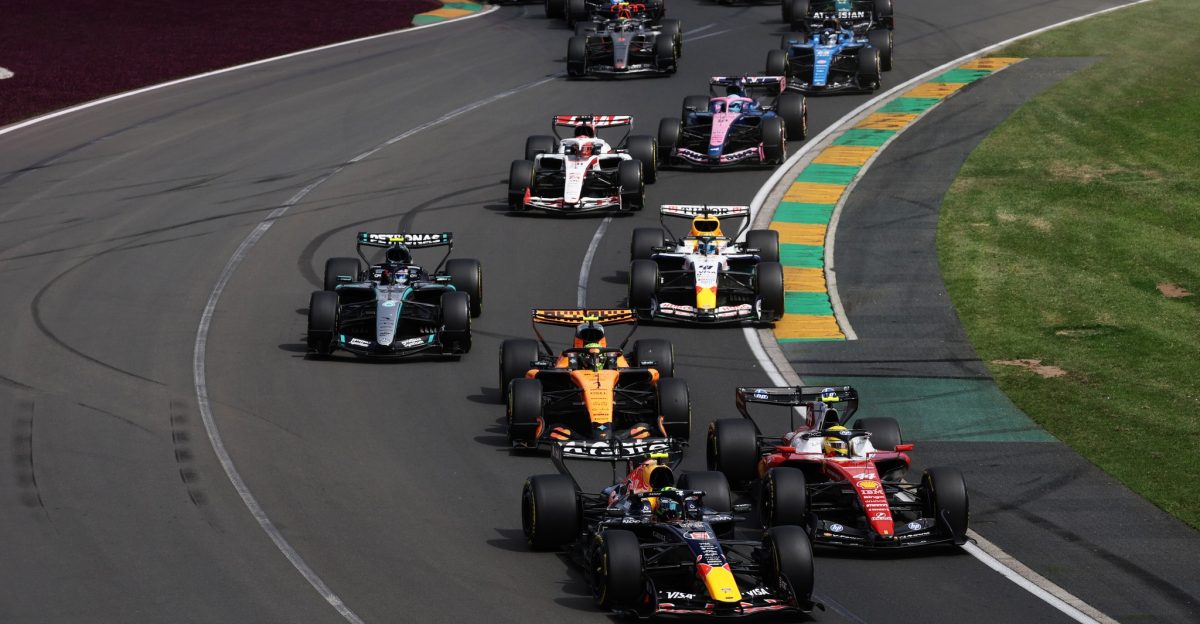
Not everything has been finalized. The FIA has announced some amendments—including a compression-ratio test effective from June—but is still weighing further changes, and the uncertainty itself is a weapon. Teams must prepare for rules that might land and simultaneously develop for rules that might not change at all. Limited testing windows make mid-season pivots brutal. Whoever reads the regulatory tea leaves best gains weeks of lead time. Whoever guesses wrong burns resources chasing a ghost. The next few races will reveal which teams anticipated correctly and which ones got caught flat-footed.
What the Smarter Fan Sees
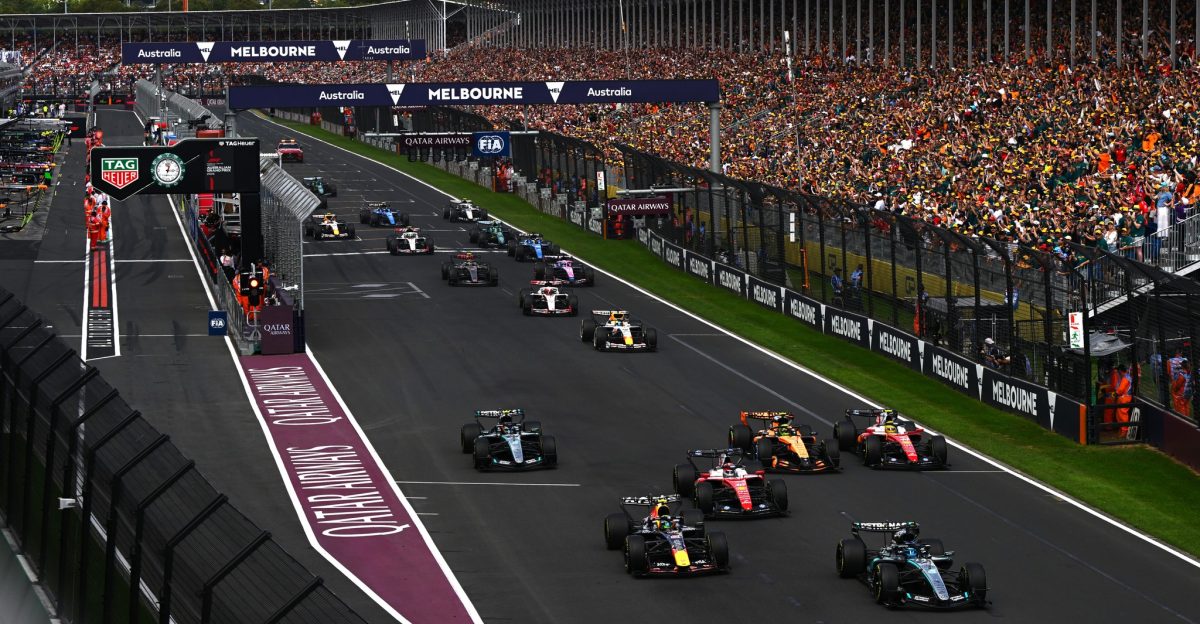
Here is what most people watching the broadcast will miss: teams whose current advantage depends on a targeted interpretation are already gaming out their counter-move, pivoting to alternative concepts within the same regulations before any formal announcement drops. The sport sells pure competition. The reality is that a small wording tweak in an FIA clarification can reshuffle the pecking order as decisively as a new car. Knowing that separates the casual viewer from the person who actually understands why the grid order changed.
Sources:
“FIA Statement – Amendments to 2026 F1 Regulations.” Fédération Internationale de l’Automobile, 28 Feb 2026.
“F1 Q&A Lewis Hamilton, Ferrari’s starts, rule changes and ‘looking like the Hamilton of old’.” BBC Sport, 17 Mar 2026.
“Lewis Hamilton’s First Ferrari GP Podium ‘One of the Most Enjoyable F1 Races Ever’.” Motorsport.com, 14 Mar 2026.
“FIA Announce New Rules for 2026 F1 Season with Major Engine U-Turn.” SportBible, 27 Feb 2026.