New Mexico Mom’s Crosswalk Crusade Forces Legislature To Pass 3 Tougher Pedestrian Safety Laws
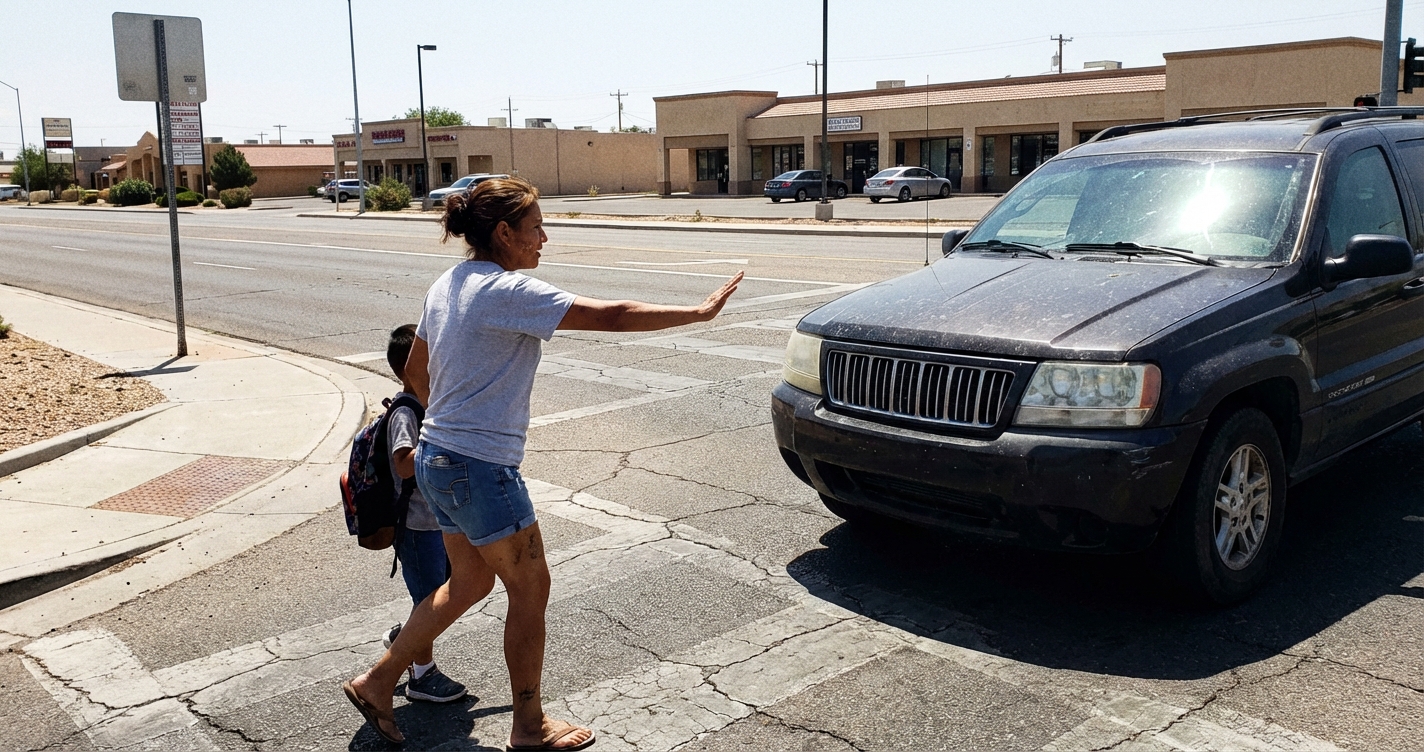
Every parent recognizes the tension at a busy curb: gripping a child’s hand, scanning for traffic, calculating risk in a split second. In New Mexico, that calculus changed when one mother shifted her focus from drivers to city hall and the statehouse.
In Albuquerque, Melinda Montoya lost her 19-year-old daughter, cyclist and cancer survivor Kayla Vanlandingham, while Kayla was crossing Carlisle Boulevard in July 2025. In the aftermath, New Mexico lawmakers passed stricter safety laws for pedestrians and cyclists in 2025 and 2026, adding two new rules to an existing crosswalk right-of-way statute. The push for change began at a crossing.
Loaded Calendar

Timing played a critical role. Nationally, pedestrian fatalities have remained high compared with earlier decades, according to the Governors Highway Safety Association. New Mexico served as a case study in this troubling trend. NHTSA crash data showed a clear upward trajectory.
Streets designed for vehicle speed kept putting walkers and cyclists at greater risk. Against that backdrop, one mother armed herself with data—a tool lawmakers use to justify action.
Myth Cracking
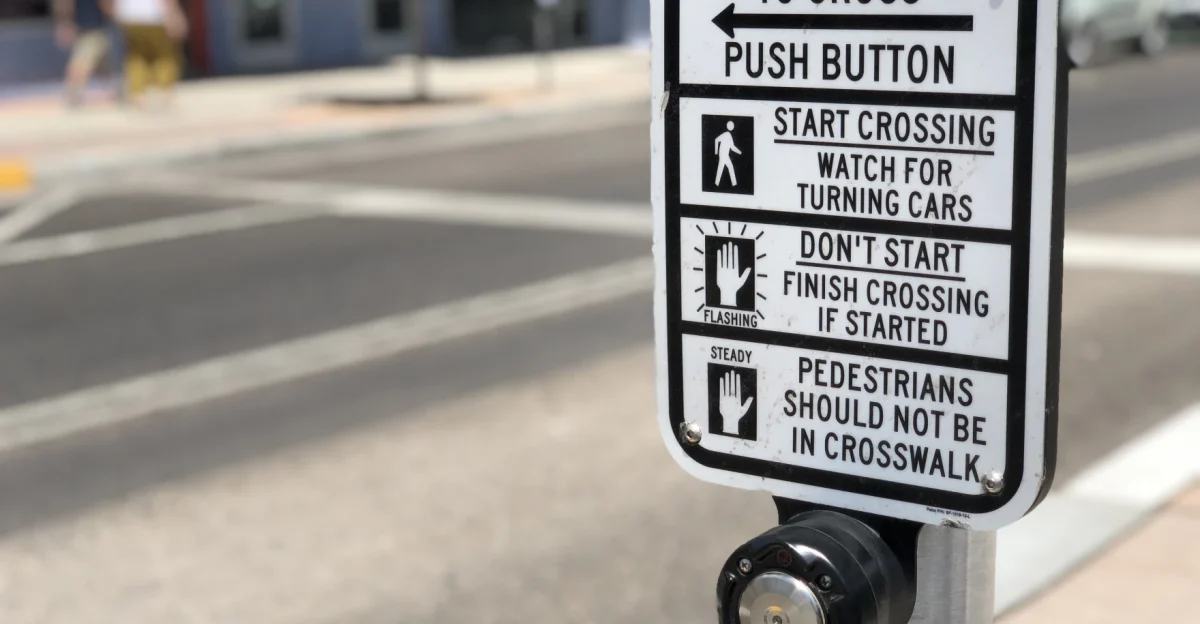
Many expect traffic laws to change only after agencies write reports and officials revise codes. In this case, citizens led the way. After Kayla’s death, Montoya met with Albuquerque City Councilor Tammy Fiebelkorn and began learning how policy really moves. She mastered the committee process, tracked bill language, and kept attending public meetings.
City Ordinance O-25-98 and Senate Bill 73 both aimed to protect vulnerable road users. Each step required sponsors, amendments, and floor votes. Montoya worked with Fiebelkorn at City Hall and legislators in Santa Fe, proving that citizen advocacy can accelerate change faster than official channels.
Laws Passed
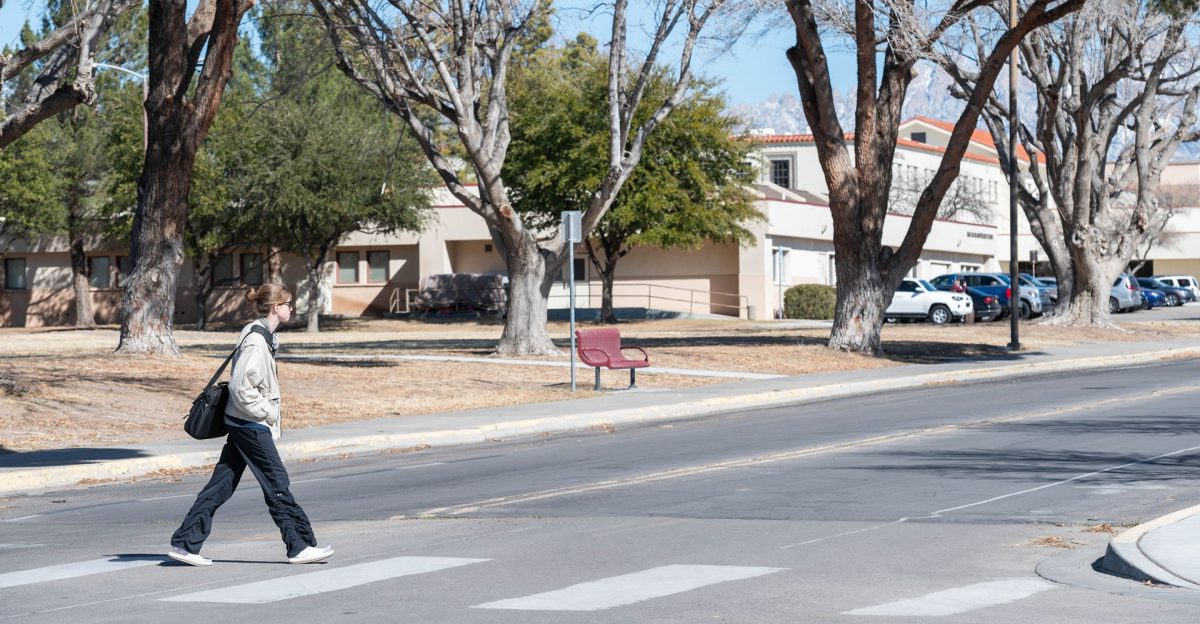
Three laws stand at the center of this story: two new, one old. Passing new rules happened quickly, but getting the entire system to adapt takes much longer. New Mexico’s crosswalk statute already required drivers to yield to pedestrians when no signal said otherwise. Kayla’s Law (O-25-98) and Senate Bill 73 built on that foundation. One clarified the duty to protect vulnerable road users; the other changed how new drivers learn about those responsibilities. In November 2025, the Albuquerque City Council unanimously passed Kayla’s Law, and Mayor Tim Keller signed it at the Esperanza Bicycle Safety Education Center, where Kayla once taught others to ride safely.
The Insurance Institute for Highway Safety links higher vehicle speeds to much greater pedestrian death risk. Speed limits, road design, and driver behavior shape outcomes over time. Laws can change quickly. Street design takes years. The core issue remains: pedestrian safety depends on the contest between human bodies and vehicle speed. The law changed, but the streets stayed the same.
Hidden System
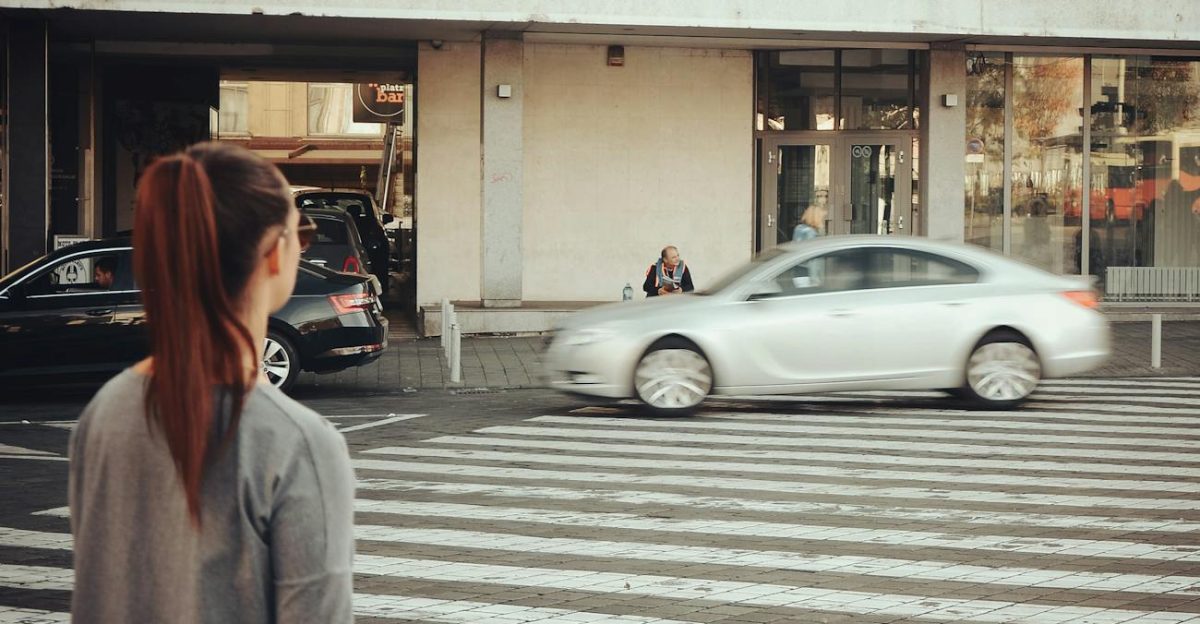
A statute is only as effective as its enforcement and support systems. Traffic safety depends on a combination of speed limits, penalties, design standards, and consistent enforcement. Remove one, and the others struggle to fill the gap. IIHS research shows that pedestrian and cyclist safety comes down to speed, road design, visibility, and driver behavior.
Laws play just one role in that larger system. Montoya’s efforts put the issue on the legislative agenda, but the real challenge happens at the curb.
Numbers Reality
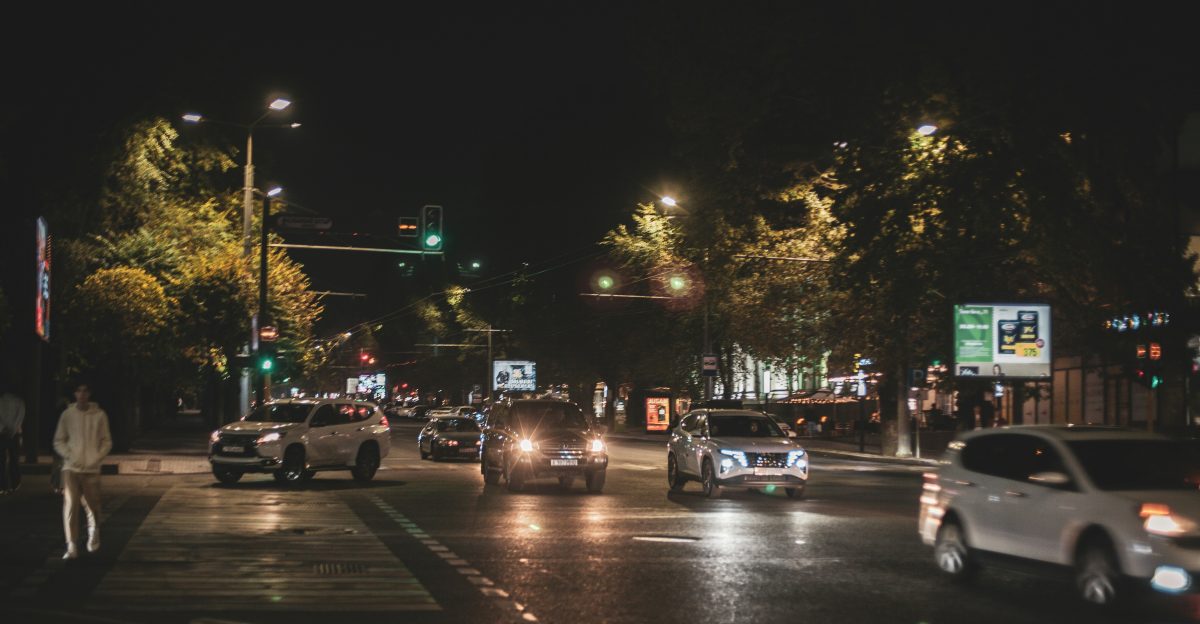
There is a clear gap between passing tougher laws and actually creating safer streets. GHSA’s national data shows pedestrian deaths have increased over time, not as isolated incidents but as part of a persistent problem. NHTSA datasets allow before-and-after comparisons around policy changes, so New Mexico now has a way to measure results.
If fatalities decrease, the laws worked. If not, the changes were symbolic. The difference between statute and outcome is where many safety debates quietly end, often overshadowed by the next preventable tragedy.
Enforcing New Statutes
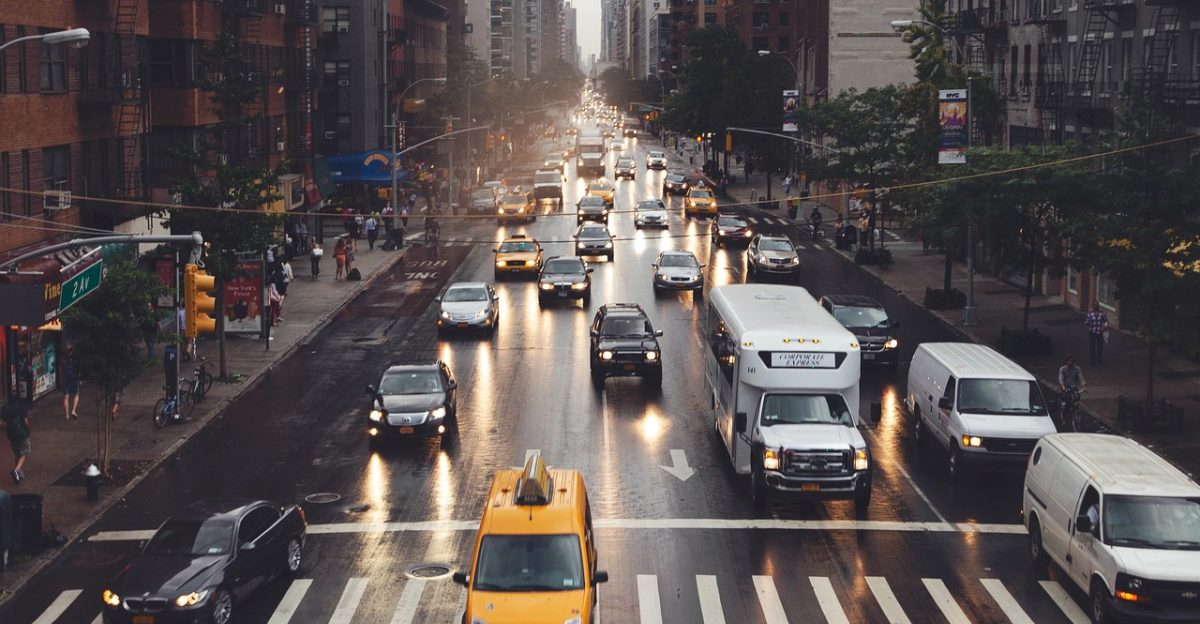
Agencies and police now face the task of interpreting and enforcing the new statutes. Driver education, insurance claims, and legal arguments may all shift to meet stricter standards. More enforcement could mean more citations and increased court workloads, impacting city budgets. The familiar “I didn’t see them” defense has less weight under these laws.
Bicyclists are included too, but the crosswalk remains the most visible battleground. Through determined advocacy, one mother changed the accountability equation for every New Mexico driver.
New Template
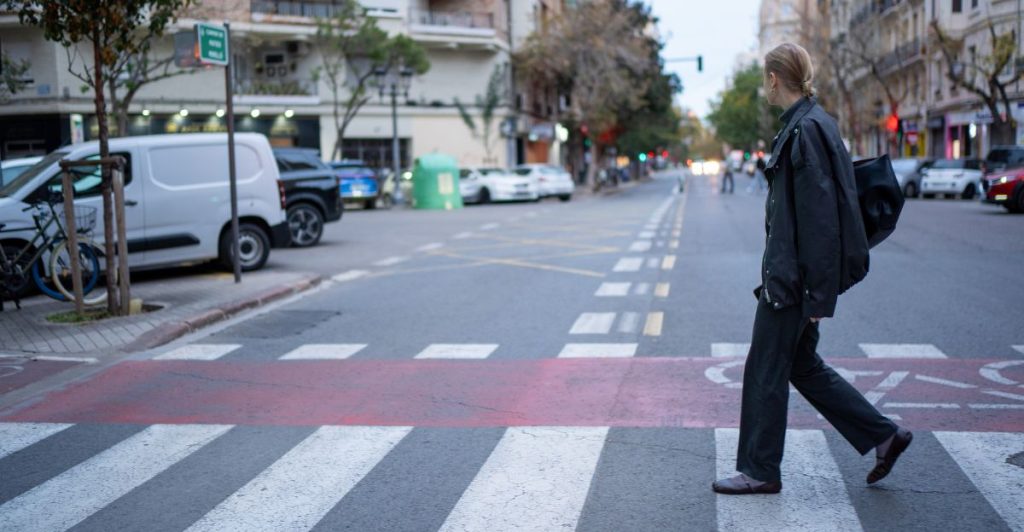
This campaign set a new example. Citizen-led safety advocacy can create templates for future legislative action. The mother’s work in passing two key laws proved that a determined individual can build a model for others to follow. Present data, highlight the human cost at the crosswalk, and bring the process into public view.
The pattern is clear: safety reform advances when constituents make inaction more costly than action. This principle applies in every statehouse across the country.
Unfinished Fight
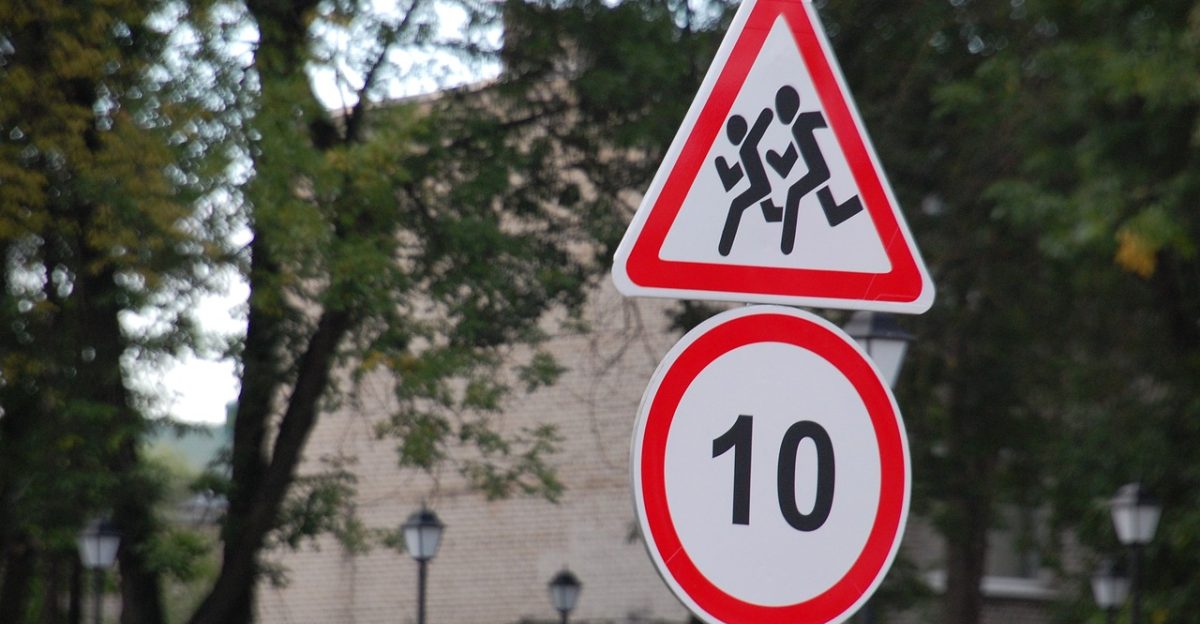
The next challenge is clear: securing infrastructure funding and managing speed. Laws can change quickly, but updating streets takes much longer. The gap between statutes and physical changes is where most risks remain. Opponents of reform will often claim these efforts are anti-driver or amount to over-policing, a powerful argument in car-dependent regions.
Progress depends on budget debates over safer intersections, lower speed limits, and protected bike lanes. Those changes remain ahead. The mother succeeded in passing laws, but the longer fight for safer streets continues.
Your Crosswalk
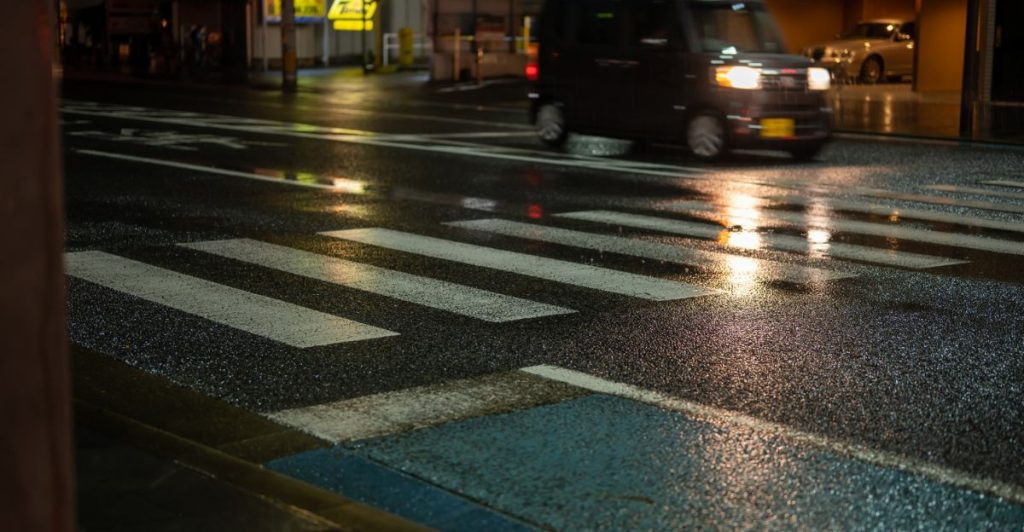
Many still believe that accidents are random events. In reality, crashes follow patterns tied to speed, road design, and enforcement lapses. The mother who brought her case to New Mexico’s city halls and the statehouse recognized what many voters have yet to realize: safety is built on policy, not just sentiment.
Understanding this difference separates online complaints from those willing to show up at committee hearings, prepared with bill numbers and facts. The laws set a precedent, but every neighborhood crosswalk still waits for the next advocate.
Sources:
City of Albuquerque – “Albuquerque City Council Unanimously Passes Historic Overhaul of Traffic Code (O-25-98 and R-25-196)” – November 5, 2025
City of Albuquerque Clerk – “Notice of Publication Council Bill No. O-25-98 (Enactment No. O-2025-032)” – November 18, 2025
Albuquerque Journal – “After 19-year-old cyclist killed, Albuquerque City Council tightens traffic law” – December 16, 2025
Albuquerque Journal – “Governor signs bill requiring student drivers to take course on bicyclist and pedestrian safety” – March 9, 2026
New Mexico Legislature (LESC) – “LESC Analysis: Senate Bill 73 (Vulnerable Road Users Driver Education Requirements)” – February 6, 2026
Smart Cities Dive (summarizing GHSA data) – “Pedestrian deaths declined last year but remain high: report” – July 9, 2025