
F1’s 2026 Power Reset Sparks Verstappen Walkaway Fear—Hamilton’s ‘Mixed Feelings’ Era Begins
Max Verstappen’s potential sabbatical and Lewis Hamilton’s “mixed feelings” are raising alarm across Formula 1 as the FIA World Motor Sport Council approved the 2026 power unit regulations in 2025. The decision sets binding technical and strategic deadlines that will determine competitive advantage years before the first race. Teams must commit to designs, staffing, and partnerships now, shaping the next era. While driver headlines dominate media, the real shift is structural: governance and technical interpretation are defining winners and losers before engines even turn on circuits worldwide.
Calendar Forces Early Decisions
Formula 1 confirmed the 2026 calendar in 2025 alongside the new regulations. Teams must make irreversible design choices before the first lap. Every staffing, partnership, and power unit investment aligns with the fixed schedule. Decisions that take months now compress into weeks, affecting performance and strategy across the grid. Teams planning early gain a measurable advantage. The announcement defined the rules for the next era. Regulatory deadlines dictated competitive priorities. Decisions that appear operational will shape results before engines roar. Pressure now falls on technical teams as much as drivers.
Headlines Follow Driver Drama
Fans focused on personalities. PlanetF1 framed Verstappen’s possible sabbatical and Hamilton’s “mixed feelings” as the headline story during the 2025 Chinese Grand Prix. Driver narratives dominate coverage, but technical timelines already shifted competitive potential. Sabattical rumors collided with planning that operates on years, not moods. Engineering departments interpreted regulations for multi-year advantages. The story in Shanghai hinted at deeper changes. Media attention concentrated on individuals while governance milestones silently altered team hierarchies. The celebrity discussion reflected only one layer of the transition. The next competitive era had already begun behind the scenes.
Power Unit Vote Shapes Teams
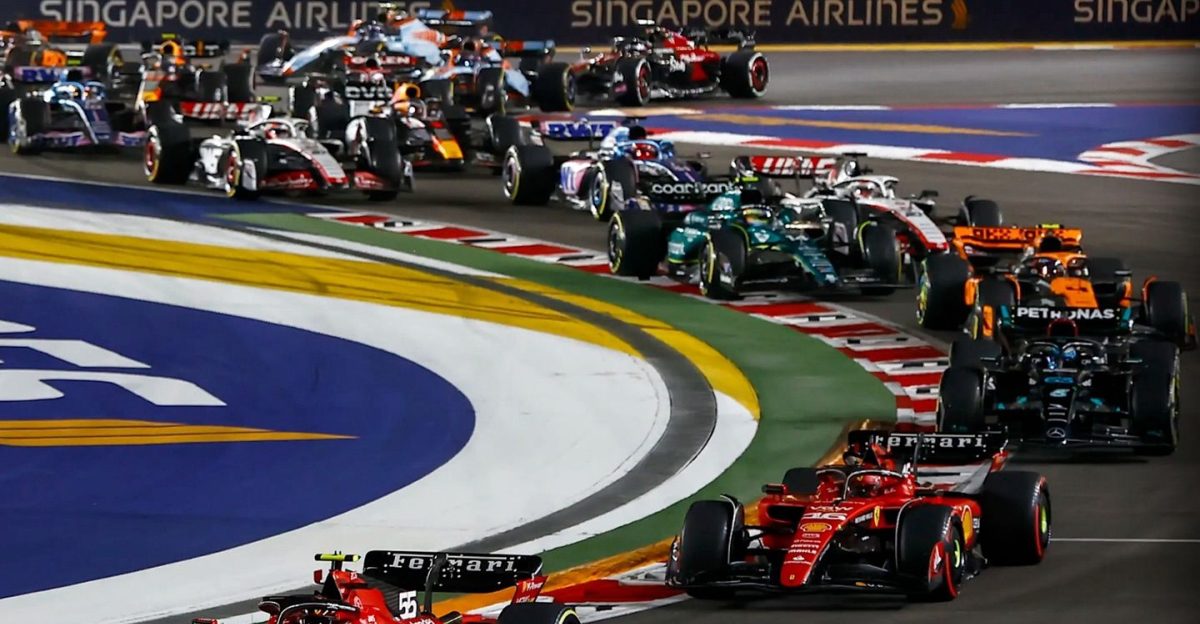
The FIA World Motor Sport Council approved 2026 power unit regulations in 2025, marking a structural shift for teams. Organizations interpreting and building to the new framework fastest gain performance advantages. Teams that misread rules risk long-term setbacks before a single race. Ten teams committed to technical paths defined by the rulebook. The governance vote set the conditions for era transitions. Drivers remain unaware of the long-term consequences. Technical interpretation now drives competitive positioning. Teams that act first lock in advantages. The foundations of performance were determined before engines turned.
Rulebook Drives Outcomes
FIA’s binding Sporting and Technical Regulations create the framework for Formula 1 performance. Lap times, championship points, and podium finishes reflect what rules allow or forbid. Regulatory milestones define competitive eras before racing begins. Engineering departments already placed multi-year bets on interpreting 2026 regulations. Fans debated whether Verstappen remains, but the invisible mechanics of rules shape the championship more than headlines. Governance and technical decisions set trajectories. Every team now competes against the regulation clock. Outcomes trace back to documents few see. The era’s direction depends on precise reading and application of technical rules.
Early Investments Accelerate Advantage
The 2026 regulations provide a fixed horizon for every team. Calendar confirmation in 2025 compressed uncertainty and forced accelerated decisions in staffing and resource allocation. Teams prioritized wind tunnel programs, testing schedules, and personnel recruitment to maximize power unit efficiency. Partnerships and supplier contracts now revolve around regulatory interpretation. Understanding rules before rivals translates into faster cars. Early action compounds advantage across technical and strategic domains. Teams that act late face multiple setbacks. Investments now determine performance for 2026. The timing of each decision, guided by regulation dates, governs competitive balance before the season begins.
Errors Multiply Quickly
Teams selecting the wrong power unit architecture face performance disadvantages that grow over time. Disputes over regulation interpretation trigger clarifications, producing sudden shifts in the competitive hierarchy. Late adaptation reduces opportunities to recover from flawed design choices. Partnerships reorganize as teams scramble to align with clarified rules. Winners emerge from precision and speed in planning. Early movers gain measurable benefit in performance, strategy, and resource allocation. The 2026 reset defines both advantages and hidden losses. Teams experience amplified consequences from mistakes in design, investment, and interpretation. The ripple effect spreads across the grid before the first race.
Regulations Shape the Era
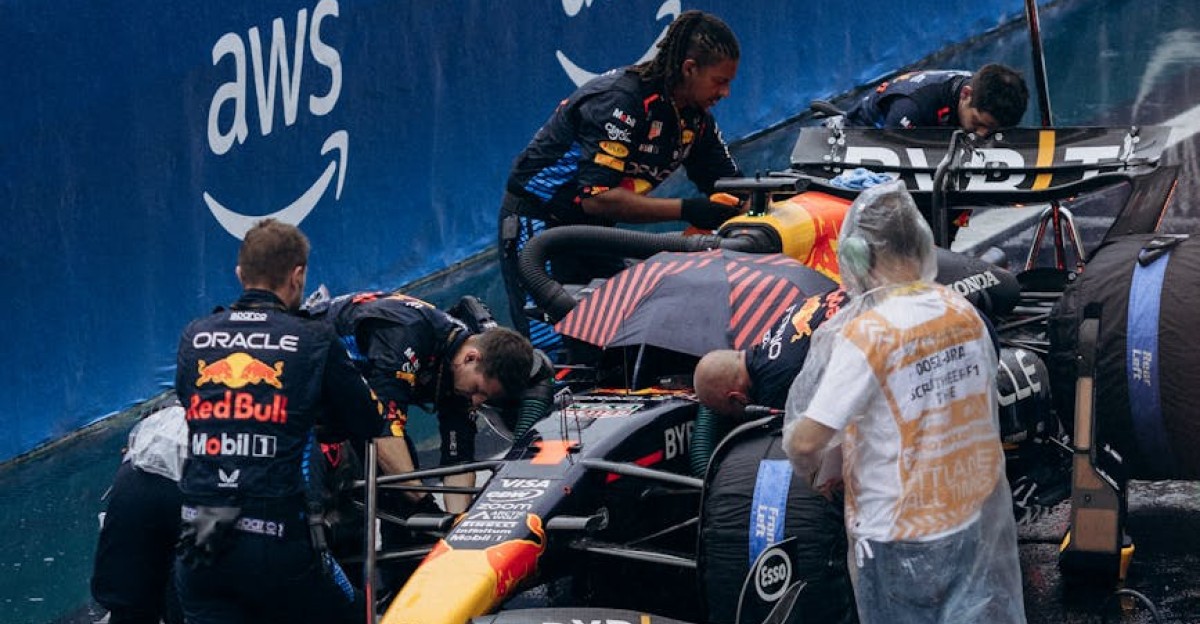
WMSC approvals now act as binding signals for era transitions. Governance dictates the competitive structure at the start of each cycle. Headlines reflect driver personalities, but regulations set the first moves. Verstappen’s sabbatical fears, Hamilton’s “mixed feelings,” and McLaren’s powertrain strategy respond to regulatory timing. The pattern makes clear that Formula 1 is engineered as much as raced. Technical timing now outweighs media narratives. Competitive advantage stems from regulatory understanding. Teams reading the rulebook first establish structural dominance. The era begins with documents rather than headlines, guiding performance and outcomes before racing starts.
Drivers Navigate New Rules
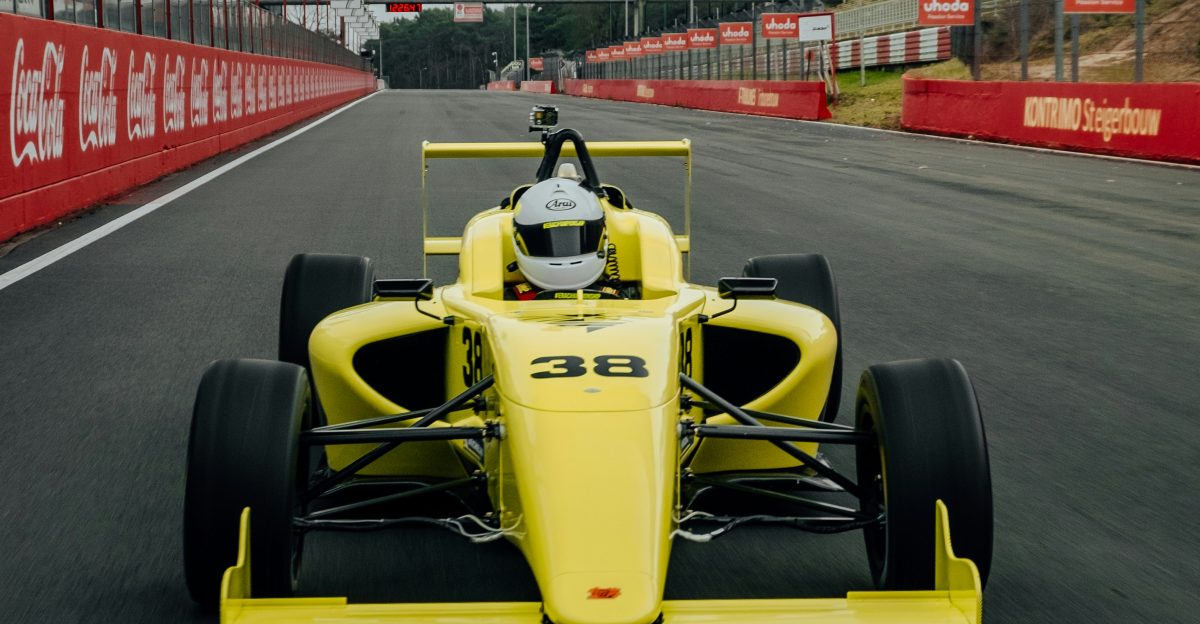
Driver futures remain unsettled. Verstappen’s potential sabbatical is not confirmed, but the 2026 reset explains why the risk feels real. Hamilton’s ambivalence exists within a competitive landscape reshaped by technical regulations. McLaren Racing’s powertrain initiatives introduce further uncertainty. Regulation interpretation disputes and gray areas in the 2026 Technical Regulations drive unpredictable performance swings. Every team is actively managing risk. Understanding rules shapes results more than speculation about driver decisions. Competitive strategy now determines potential for success. The environment favors teams with foresight in interpreting regulations. Drivers adjust within a structure set by governance.
Teams Plan Every Move
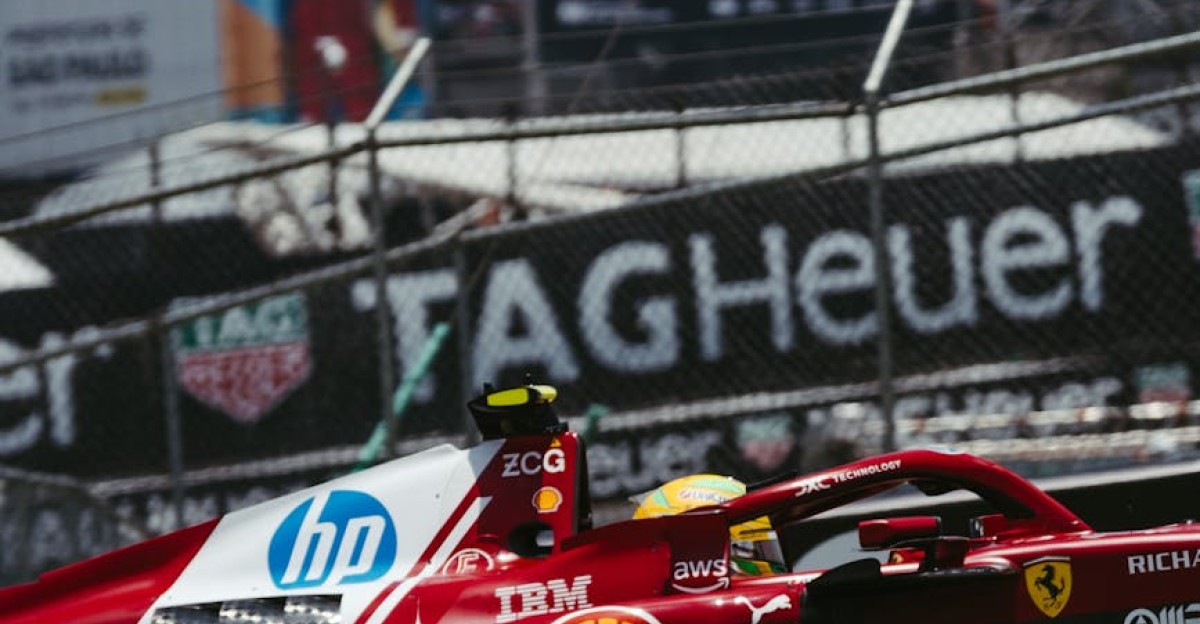
Teams are lobbying for clarifications and exploiting permissible ambiguities in the 2026 Technical Regulations. Factories across Europe are planning strategy in advance of racing. The rulebook and timing determine the opening chapters of the era. Fans remain focused on driver headlines while teams act on regulation interpretation. Competitive advantage relies on understanding the structure that governs performance. Early movers in regulation application dictate outcomes. The cars for 2026 are not built, yet the new era has begun. Knowledge of regulatory authors and interpretation guides team strategy and determines which organizations gain an edge.
Sources:
FIA World Motor Sport Council approves power unit regulations for 2026. Formula1.com, August 15, 2022
Max Verstappen exit fear grows with Hamilton regret — Chinese Grand Prix conclusions. PlanetF1, March 16, 2026
Formula 1 reveals calendar for 2026 season. Formula1.com, June 9, 2025
Max Verstappen brands F1 2026 racing ‘a joke.’ PlanetF1, March 15, 2026
FIA Statement — Amendments to 2026 F1 Regulations. FIA, February 27, 2026
Verstappen: F1 fans who enjoy 2026 rules ‘don’t understand racing.’ Autosport, March 14, 2026