Formula 1 Scraps Bahrain And Saudi Races Amid Regional War Risk
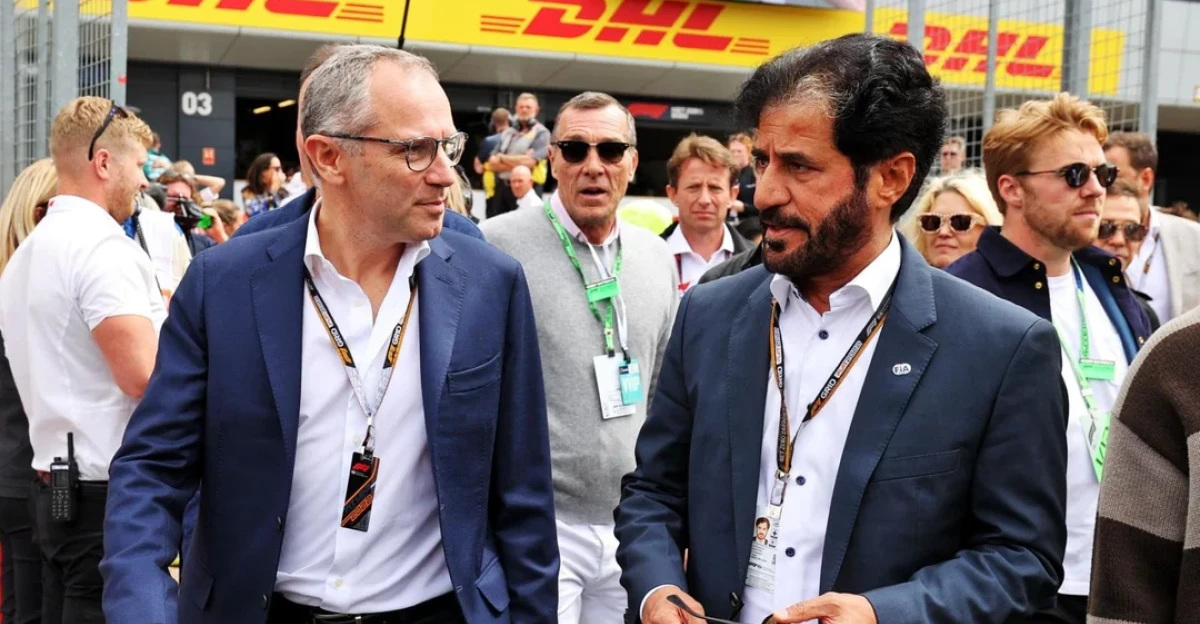
Formula 1 has abruptly cancelled the Bahrain and Saudi Arabian Grands Prix scheduled for April 2026, citing safety concerns amid escalating Middle East conflict. The announcement came just days before the Chinese Grand Prix, shocking fans and teams who had prepared for the season’s fourth and fifth rounds. FIA President Mohammed Ben Sulayem confirmed the decision, stating, “The FIA will always place the safety and wellbeing of our community and colleagues first. After careful consideration, we have taken this decision with that responsibility firmly in mind.” This sudden halt reduces the 2026 calendar to 22 races, marking the first Middle East race cancellations due to an active regional war since the series began visiting the region.
Details of the Affected Races
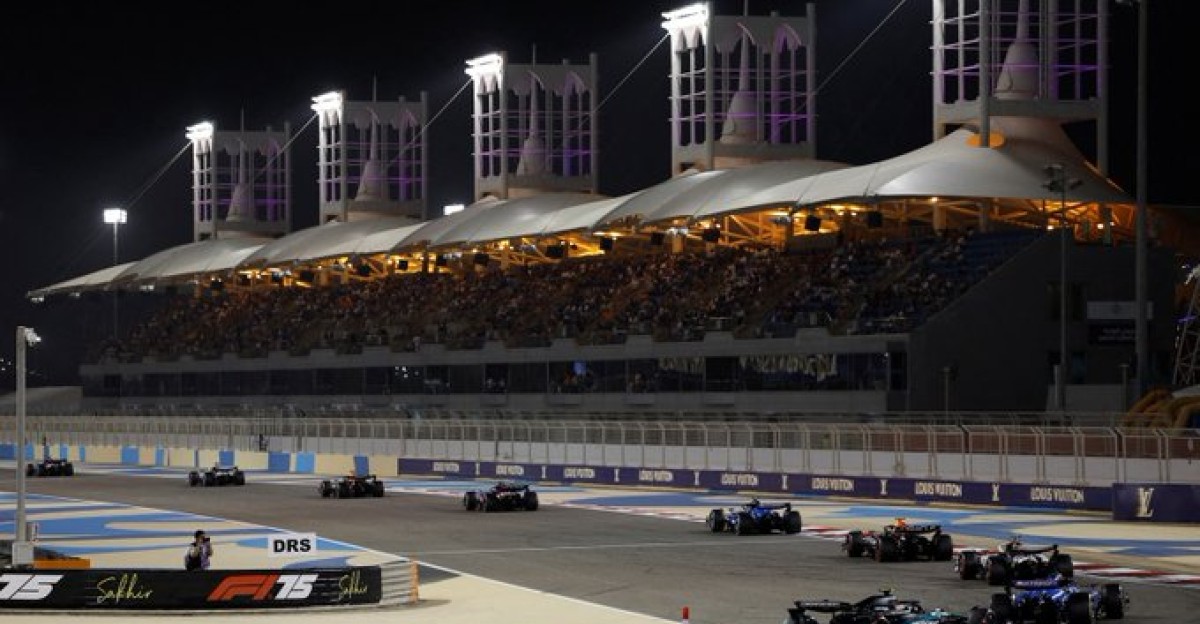
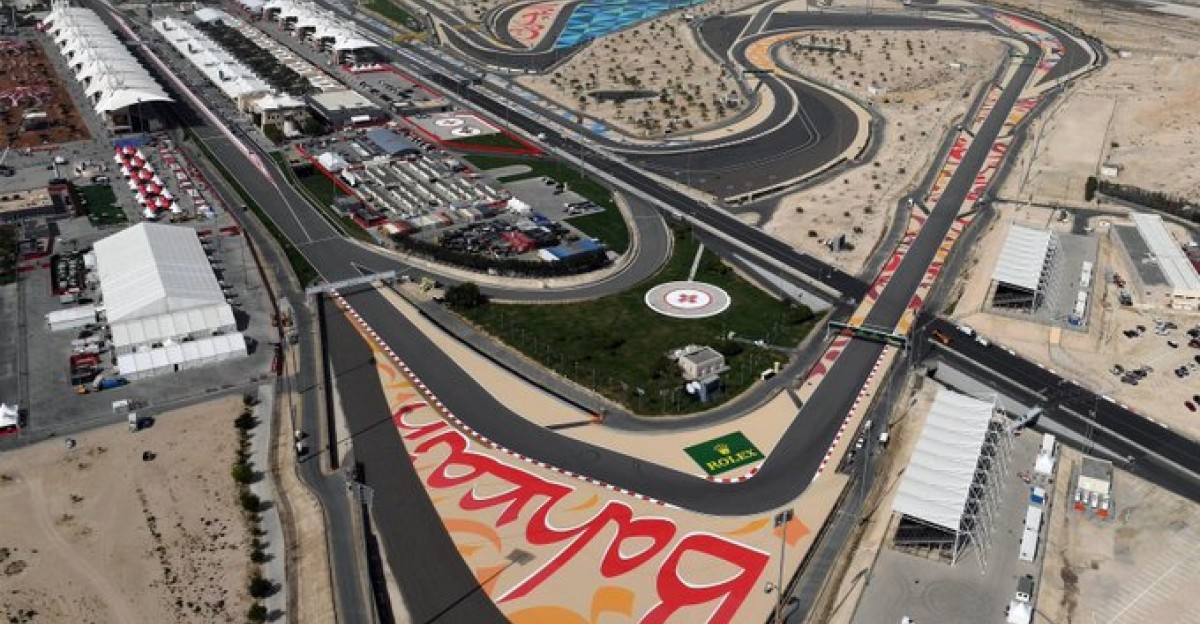
The Bahrain Grand Prix was set for April 10 to 12 at the Sakhir circuit, while the Saudi Arabian event was planned for April 17 to 19 on the Jeddah street circuit. Both races were to host thousands of spectators and serve as key early-season points battles. With the cancellations, the season will jump from the Japanese Grand Prix (March 27 to 29) directly to the Miami Grand Prix (May 1 to 3), creating a five-week gap, the longest break between consecutive races in the 2026 calendar. No replacement events have been scheduled for the vacant April dates.
Safety Concerns and Conflict Context
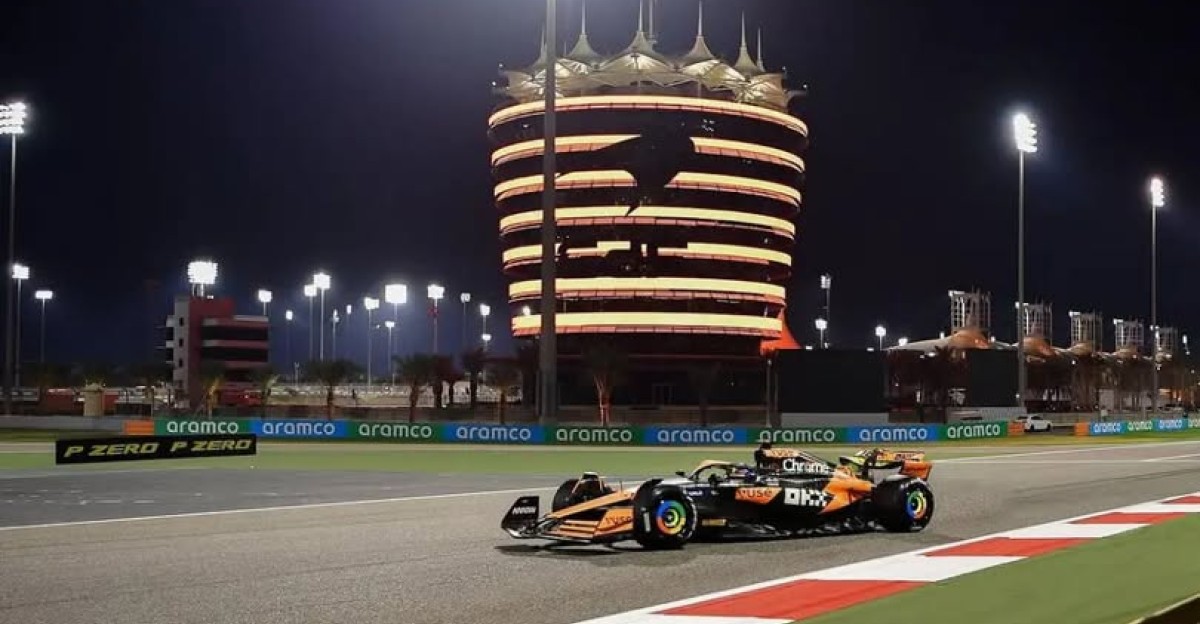
The cancellations stem from heightened instability across the Middle East, including cross-border tensions and military activity near both host nations. The decision was directly linked to the US killing of Iranian Supreme Leader Ayatollah Ali Khamenei on February 28, which triggered Iran’s retaliatory missile strikes on Bahrain and other Gulf states, spreading violence across the region and leaving Formula 1 with no viable path to proceed. The sport has previously raced in Bahrain and Saudi Arabia despite political sensitivities, but the current climate prompted an unprecedented safety-first stance.
Official Statements from F1 Leadership
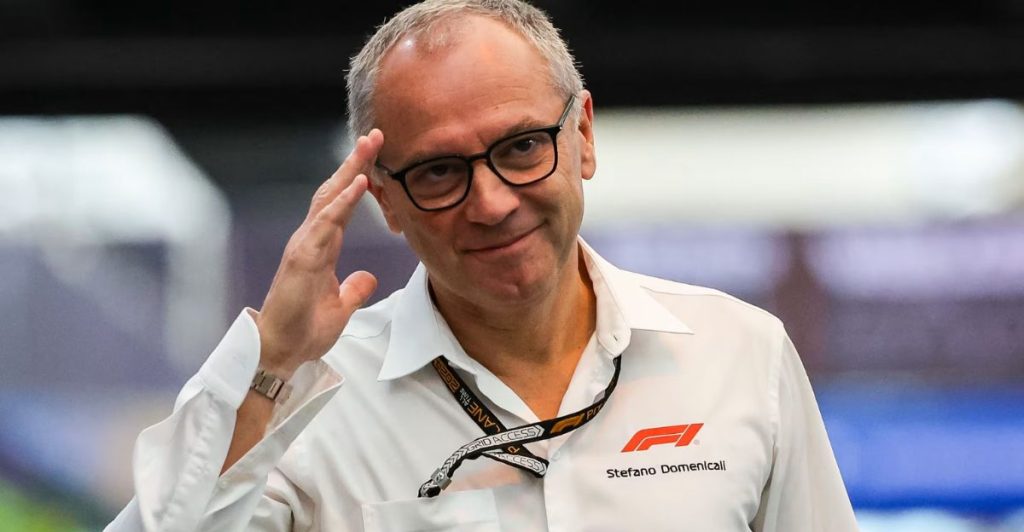
Formula 1 CEO Stefano Domenicali emphasized that the move was not taken lightly, declaring, “While this was a difficult decision to take, it is unfortunately the right one at this stage considering the current situation in the Middle East. We cannot wait to be back with them as soon as the circumstances allow us to do so.” FIA President Mohammed Ben Sulayem echoed this commitment, adding, “We continue to hope for calm, safety and a swift return to stability in the region, and my thoughts remain with all those affected by these recent events. Bahrain and Saudi Arabia are incredibly important to the ecosystem of our racing season, and I look forward to returning to both as soon as circumstances allow.”
FIA’s Security Assessment
The FIA’s security department conducted an intensive review in the days leading up to the announcement. The assessment was conducted in full consultation with the Formula One Group, local promoters, and Member Clubs in the region, ultimately concluding that proceeding would endanger participants. The FIA stated the cancellation followed “careful evaluations” accounting for the current situation, with the governing body emphasizing that “the safety and wellbeing of our community and colleagues” would always come first. This rigorous process illustrates the seriousness with which the FIA treats security concerns.
Impact on the Championship Calendar
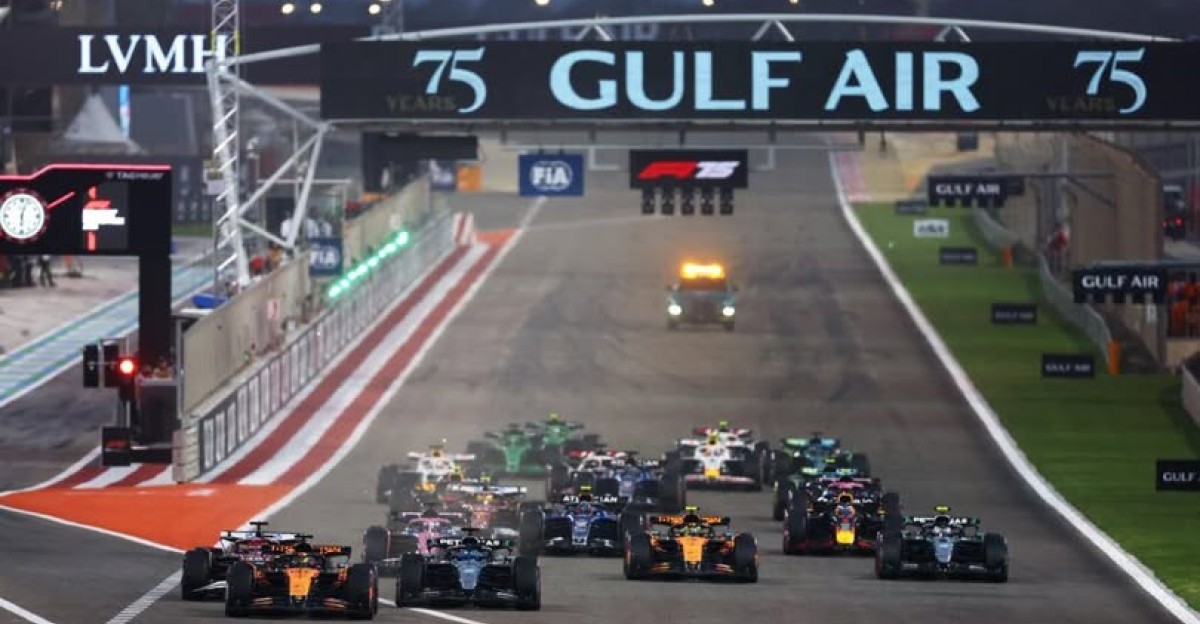
With the Bahrain and Saudi Arabian rounds removed, the 2026 season now consists of 22 races, two fewer than the original 24-race plan. This contraction could affect championship dynamics, as early-season points opportunities are reduced and teams must adapt strategies for a longer hiatus before Miami. Historically, a shortened calendar has intensified mid-season battles, and the gap may allow teams extra development time. However, the loss of two high-profile events also diminishes revenue streams for promoters and regional broadcasters.
Reaction from Teams and Drivers
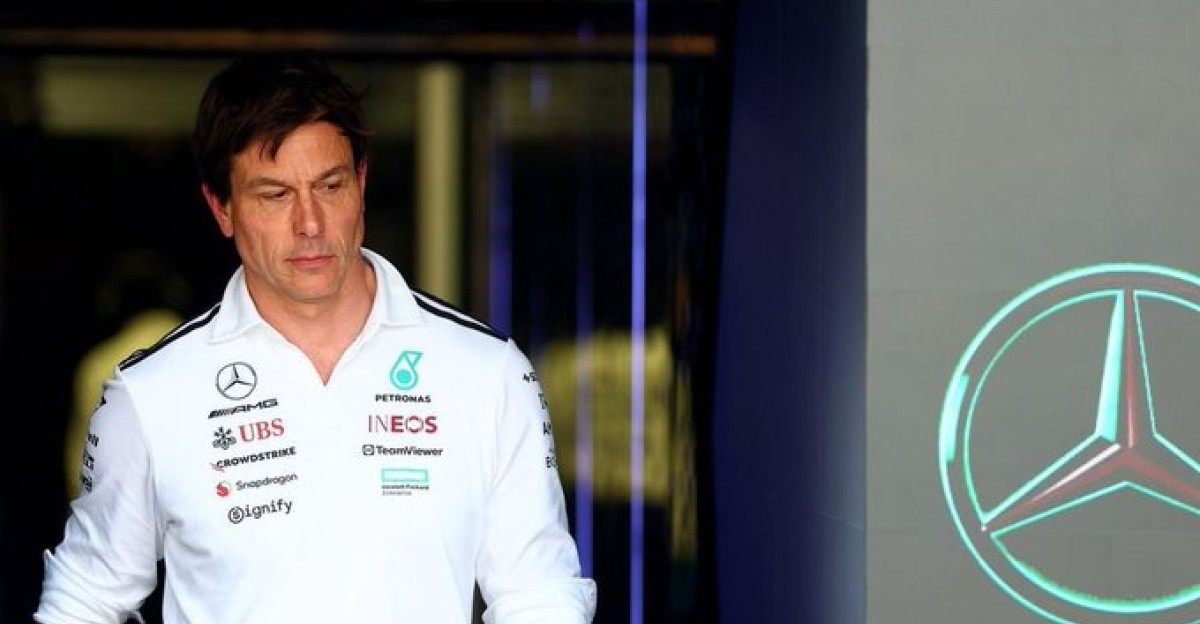
Several team principals expressed understanding despite disappointment. Toto Wolff of Mercedes told reporters ahead of the Australian Grand Prix that “Formula One in a way becomes the second priority,” adding: “I would very much hope we race. Is it realistic that we race there at the moment? I’m not quite sure.” Max Verstappen was among the drivers most directly affected by the calendar shift, as the cancellation of the Saudi GP weekend now frees him to contest the 24hr Nürburgring Qualifiers, a race he described as having been “on my bucket list for a long time.” Drivers also noted the unusual break could affect rhythm, yet many welcomed the chance to focus on car development during the unexpected off-period.
Fans and Ticket Holders
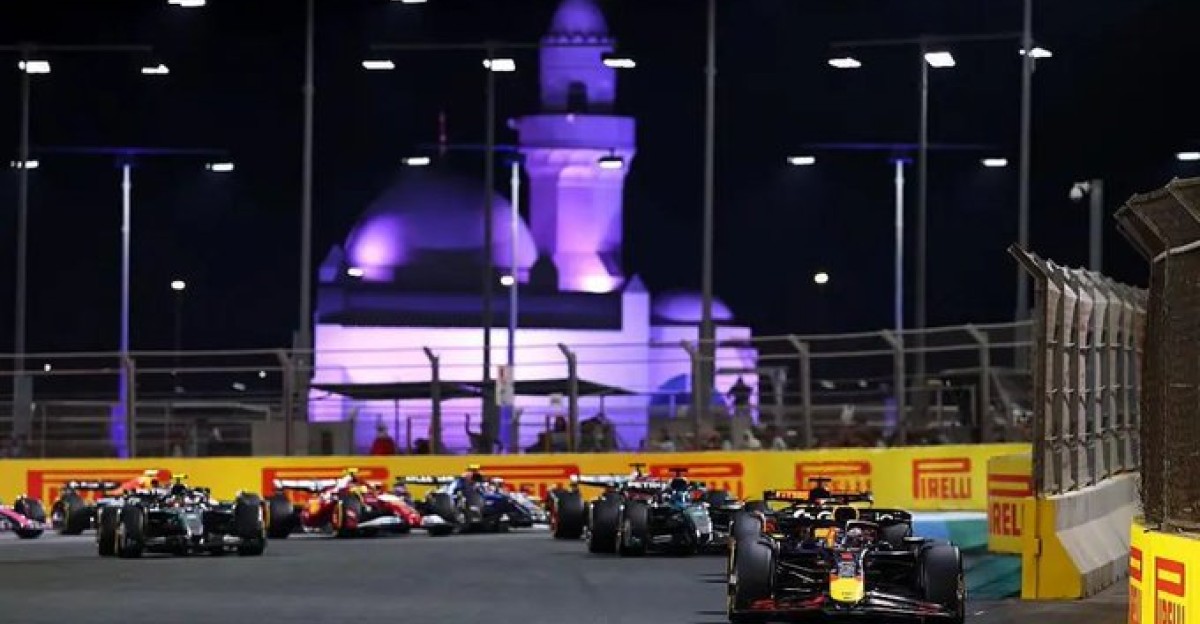
Bahrain ticket holders who purchased through the official BIC website are being offered either a full refund or a credit redeemable for a future Bahrain GP, with instructions being sent by email. Saudi Arabia ticket holders will receive automatic refunds to their original payment method within 10 to 21 working days, with no action required. Fans in both countries voiced mixed reactions on social media, with many expressing understanding while lamenting the lost opportunity to witness live F1 action. Local organizers have pledged to work with Formula 1 on future events, hoping the hiatus is temporary.
Future Prospects and Rescheduling Possibilities
Formula 1 has stated that it will not attempt to replace the April dates with other events this year, citing a tightly packed contract schedule and logistical hurdles. Both Domenicali and Ben Sulayem expressed a desire to return to Bahrain and Saudi Arabia “as soon as circumstances allow,” though no specific future date or calendar slot has been confirmed. The sport’s flexibility in reshuffling races remains limited by existing broadcast and sanctioning agreements.
Broader Implications for Motorsport in the Region
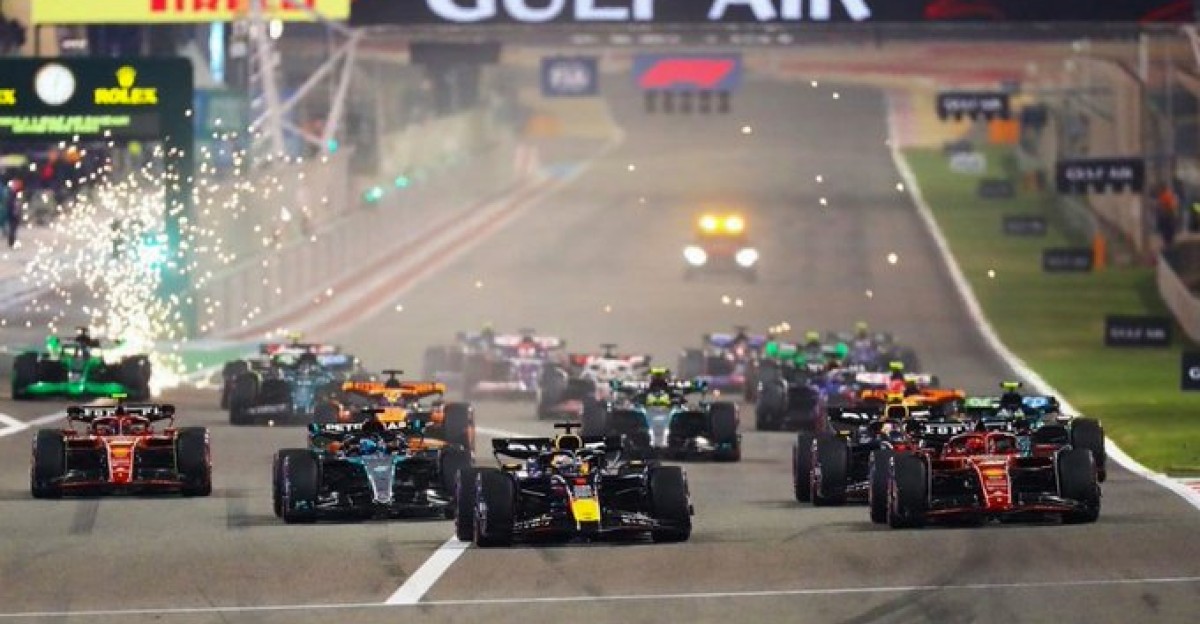
The cancellations raise questions about the long-term viability of hosting major motorsport events in regions prone to volatility. While Bahrain and Saudi Arabia have invested heavily in state-of-the-art circuits and hospitality infrastructure, repeated disruptions could deter future commitments. The cancellations raise questions about whether Formula 1 needs more robust contingency plans, including flexible clauses in host contracts. For now, the focus remains on safety, with the sport hoping to resume its Middle East presence once the security climate stabilizes.
Sources
“Bahrain and Saudi Arabian Grands Prix Will Not Take Place in April.” FIA, March 13, 2026.
“Bahrain and Saudi Arabian Grands Prix Will Not Take Place in April.” Formula 1, March 13, 2026.
“Bahrain and Saudi Arabian F1 Races Officially Cancelled Amid Middle East Conflict.” Motorsport.com, March 13, 2026.
“F1 Confirms Cancellation of Bahrain and Saudi Arabian Grands Prix Due to War in the Middle East.” Sky Sports, March 13, 2026.
“F1 Calls Off April Races in Bahrain and Saudi Arabia.” Reuters, March 14, 2026.