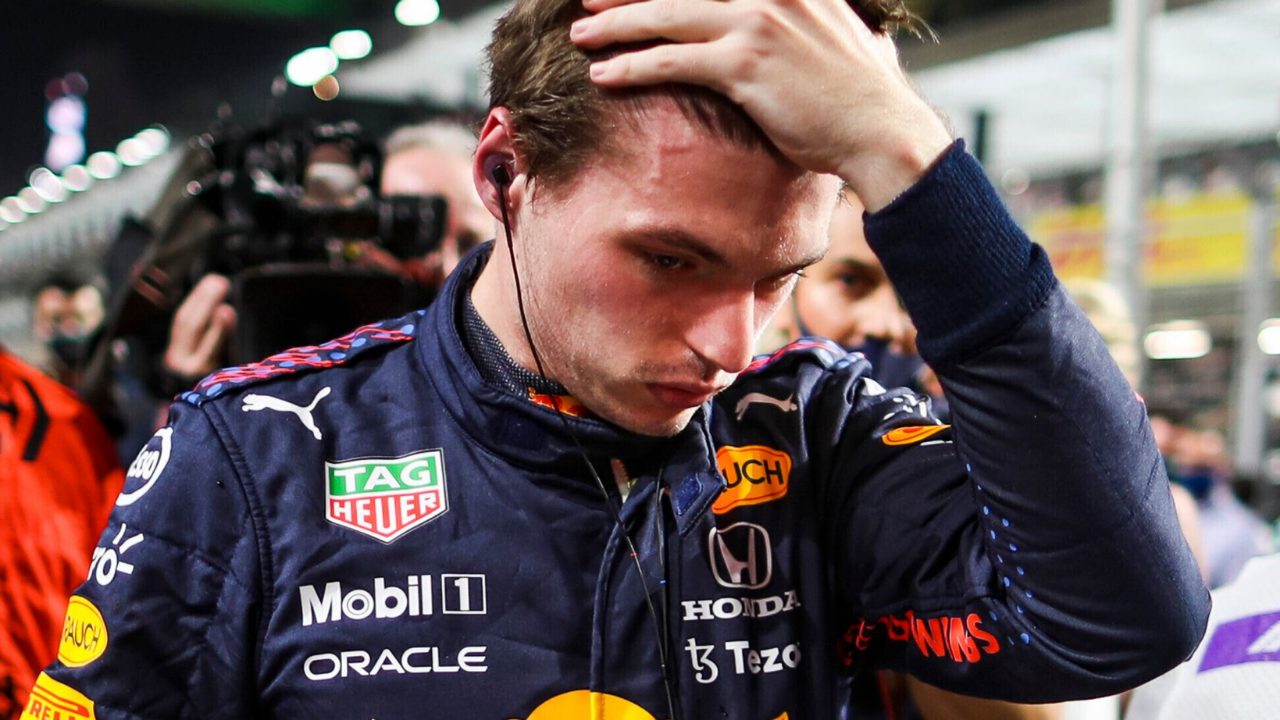
Max Verstappen Calls 2026 F1 Rules “Terrible” After FIA Approval
Four-time Formula 1 champion Max Verstappen has delivered the clearest public critique yet of the 2026 regulations. Speaking after the Chinese Grand Prix, he accused the sport of being “fundamentally flawed,” reinforcing concerns he raised as early as 2023. The governance vote approving the rules was concluded years ago, leaving the sport locked into a new technical era. Verstappen retired from the race frustrated and unfiltered, telling reporters, “It’s a joke.” The comment set the tone for a season already shaping up differently than fans expected. The racing world is listening closely.
“It’s Going To Be Terrible”
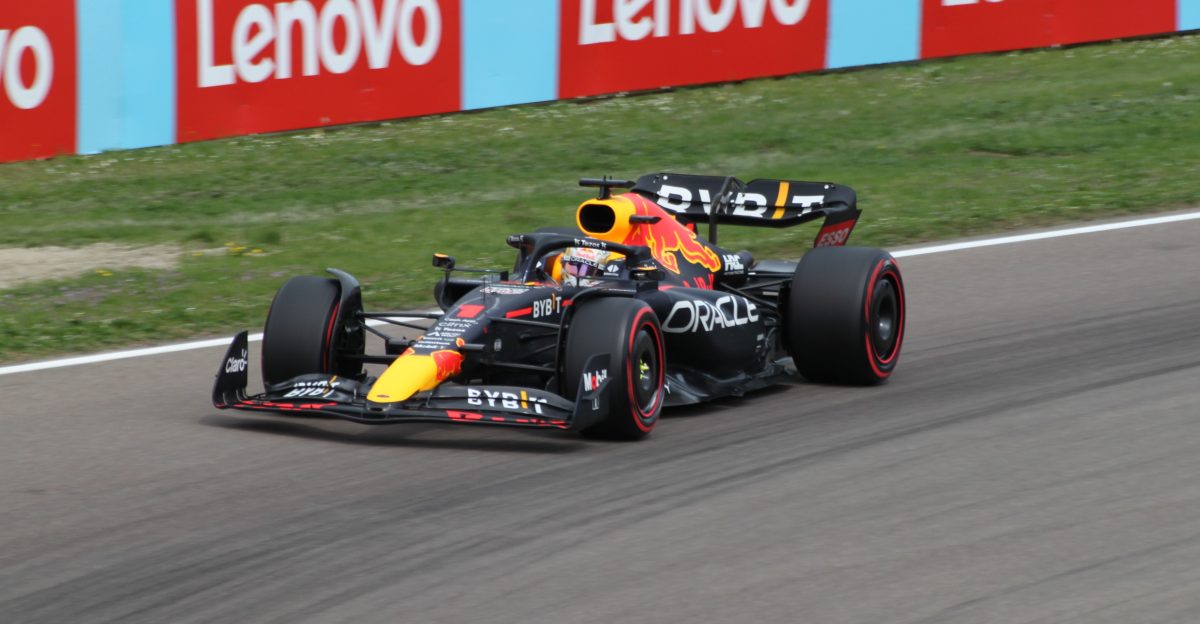
Verstappen’s phrase “I think it’s going to be terrible” first echoed through regulation debates in 2024. Two races into the 2026 season, he insists his prediction was correct. “You are boosting past, then you run out of battery the next straight, they boost past you again. For me, it’s just a joke,” he said after China. The reigning world champion argued the new cars produce less genuine racing. His warning is no longer theoretical, with firsthand experience highlighting how energy management often dictates outcomes more than driver skill or wheel-to-wheel battle.
Regulations Were Locked Years Ago
The FIA World Motor Sport Council approved the 2026 power unit regulations in August 2022. Chassis regulations were unveiled in June 2024 and ratified shortly afterward. That means the current F1 era’s architecture was fixed long before drivers could experience it. Every driver, constructor, and engine manufacturer must now race within this technical blueprint. Verstappen, arguably the sport’s most accomplished active competitor, believes these rules degrade racing quality. The framework rewards energy strategy over direct competition, forcing teams to optimize around rules that prioritize sustainability and technical compliance above wheel-to-wheel entertainment.
The Technical Reality On Track
The 2026 regulations mandate 100% sustainable fuel and roughly equal splits between combustion engines and electric power, up from 20/80. Cars weigh 30kg less and use active aerodynamics with movable wings. Removing the MGU-H forces reliance on the MGU-K and battery systems. While intended as a technical innovation, the formula produces what drivers call “yo-yo” racing, emphasizing energy management over direct competition. Verstappen and McLaren’s Lando Norris warn this approach can compromise genuine racing dynamics, with cars surging and slowing based on battery state. Fans are seeing a new style of F1. Energy strategy dominates.
Energy Management Shapes Racing
Doubling electrical contribution and relying heavily on batteries shifts how drivers compete. Lift-and-coast strategies replace aggressive overtakes. Deploying energy becomes as critical as braking points. Norris said after Australia that speed differentials of 30-50 kph between harvesting and deploying cars could create accidents. Verstappen emphasized that the rules engineer behavior: “Drivers race the energy model.” Winning now depends as much on strategy and conservation as on raw pace. Fans see the sport differently, with constant fluctuations in position based on battery deployment. The challenge is adapting to rules that dictate not just cars, but driver behavior.
The Yo-Yo Effect Emerges
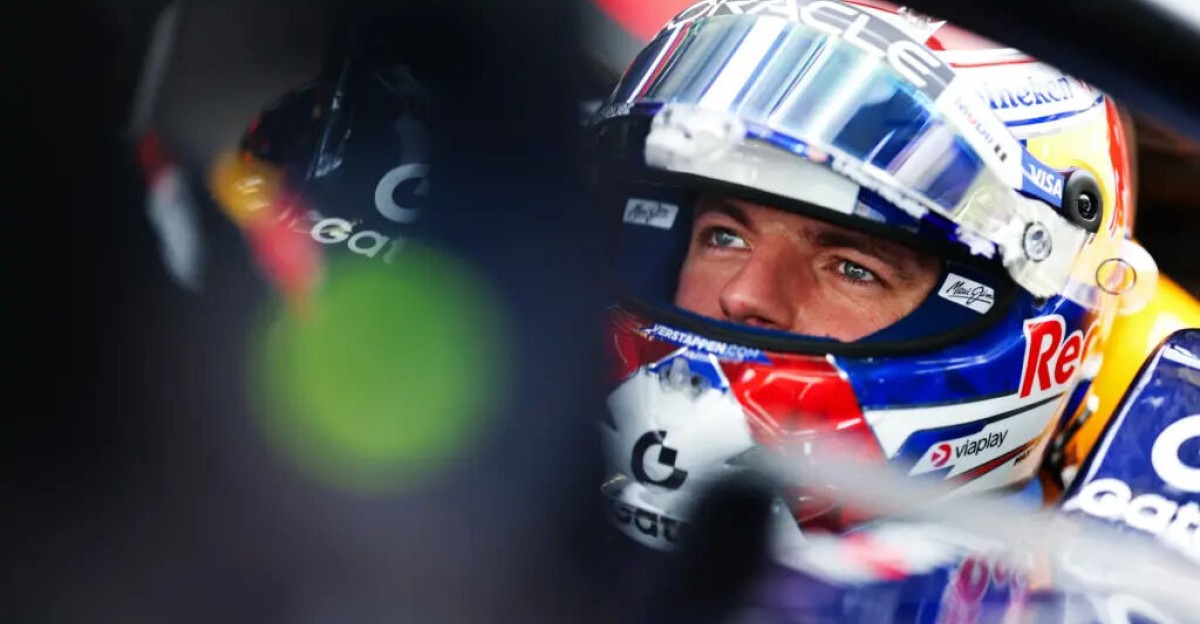
Critics call early 2026 racing “yo-yo” style—repeated overtakes and re-passes as battery deployment fluctuates. F1 promoted record overtakes after Australia, but drivers distinguish between genuine racing and artificial boost maneuvers. Norris said, “It’s very artificial. Depending on what the power unit decides to do, you just get overtaken by five cars or you can do nothing about it.” Active aerodynamics intended to improve following are outweighed by energy rules. The sport now navigates a balance between flashy metrics and authentic wheel-to-wheel competition, raising questions about how fans perceive racing quality amid electric-era complexity.
Twenty Drivers, One Blueprint
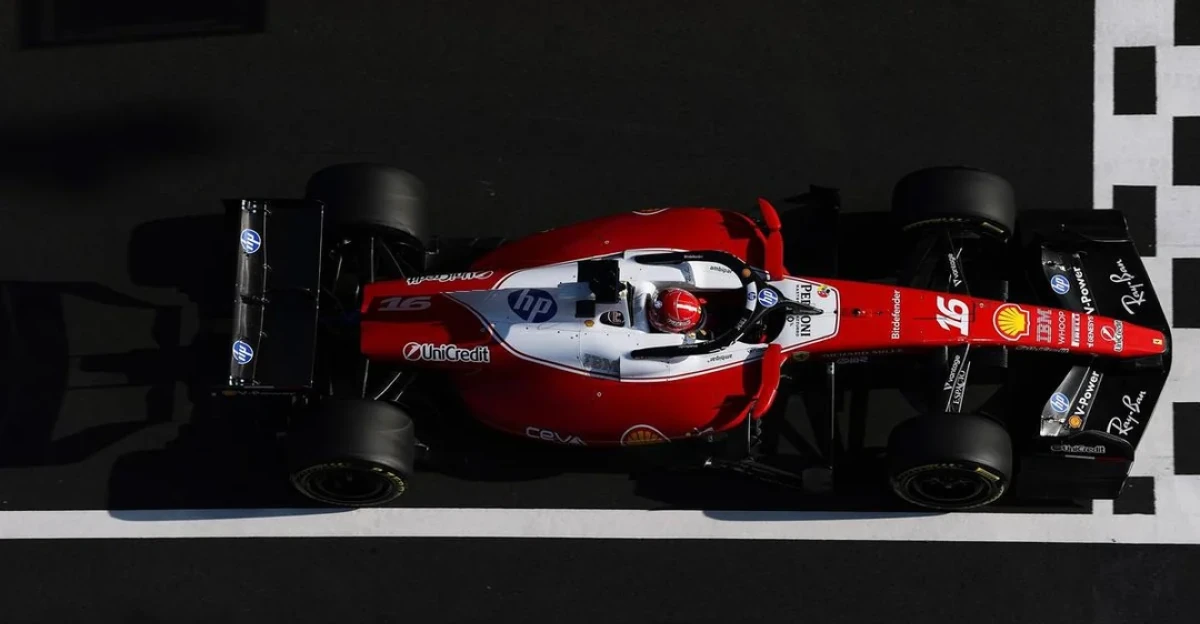
Every competitor inherits the consequences of the 2026 regulations. Verstappen and Norris warned the field races under energy constraints that reward conservation over aggression. Mercedes adapted fastest, with George Russell winning Australia and Kimi Antonelli taking China. Teams invested billions in developing cars for rules multiple champions now call flawed. Fans experience the product the rulebook engineered. The tension between technical innovation and authentic competition grows with every round. Whether drivers can reclaim classic racing dynamics remains untested, leaving enthusiasts wondering if the season delivers excitement or strictly engineered strategy.
Sustainability Drives Design Choices
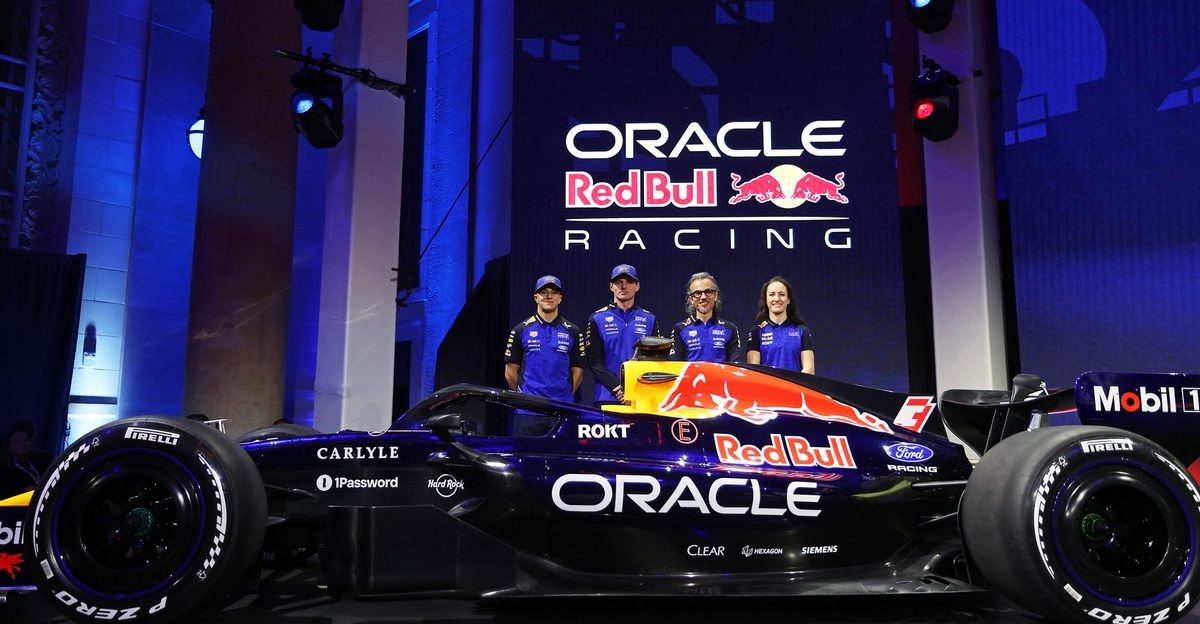
The FIA positioned 2026 rules as critical for environmental credibility and manufacturer road relevance. Mandatory 100% sustainable fuel and higher electrification underpin the technical architecture. Six power unit manufacturers committed to the formula, prioritizing policy objectives over pure entertainment. While racing’s environmental footprint improves, critics argue the blueprint sacrifices traditional wheel-to-wheel competition. Verstappen and others highlight the tradeoff between green credentials and racing quality. Cars now embody a dual mission: showcase technological progress while remaining competitive on Sundays. Observers debate whether the sport can satisfy both goals without further structural compromise in coming races.
Early Season Tweaks Considered
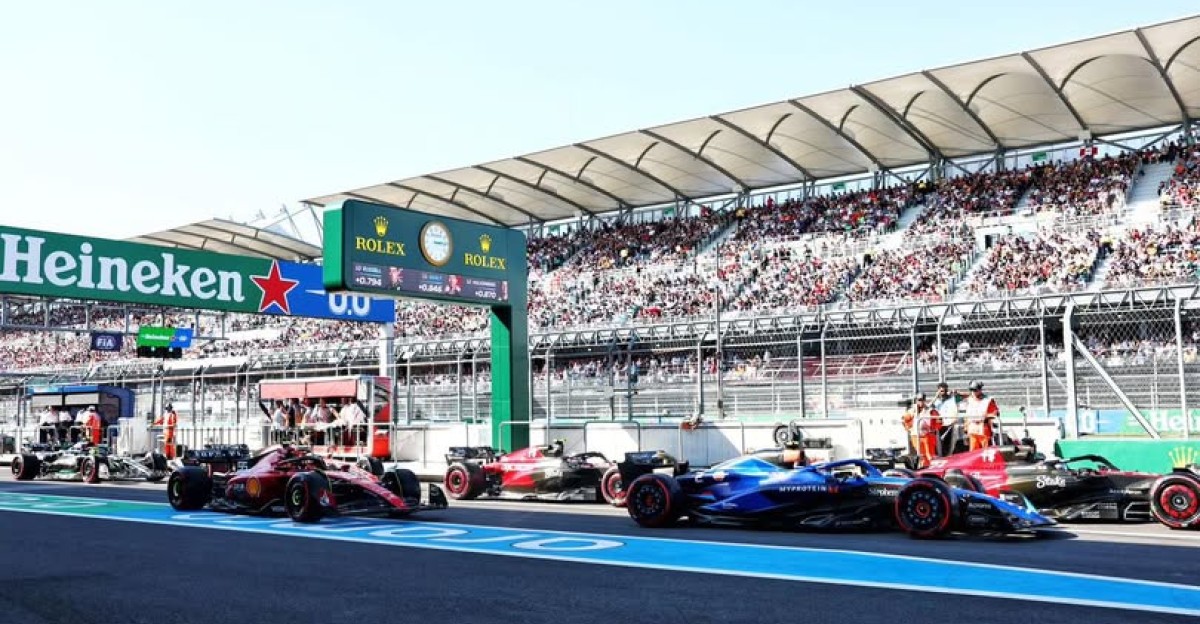
F1 and the FIA are reviewing potential rule changes as early as Japan, round three of the season. Criticism from champions, plus safety warnings from drivers, amplifies pressure to adjust quickly. Teams have already spent billions, raising the political cost of mid-season changes. Verstappen acknowledged discussions: “We are talking about it. I think they understand where we are coming from as drivers.” Whether institutional momentum allows meaningful revisions remains uncertain. Drivers are already influencing governance, but the clock ticks. The outcome may redefine expectations for the 2026 season if compromises are introduced.
Verstappen’s Verdict On Racing
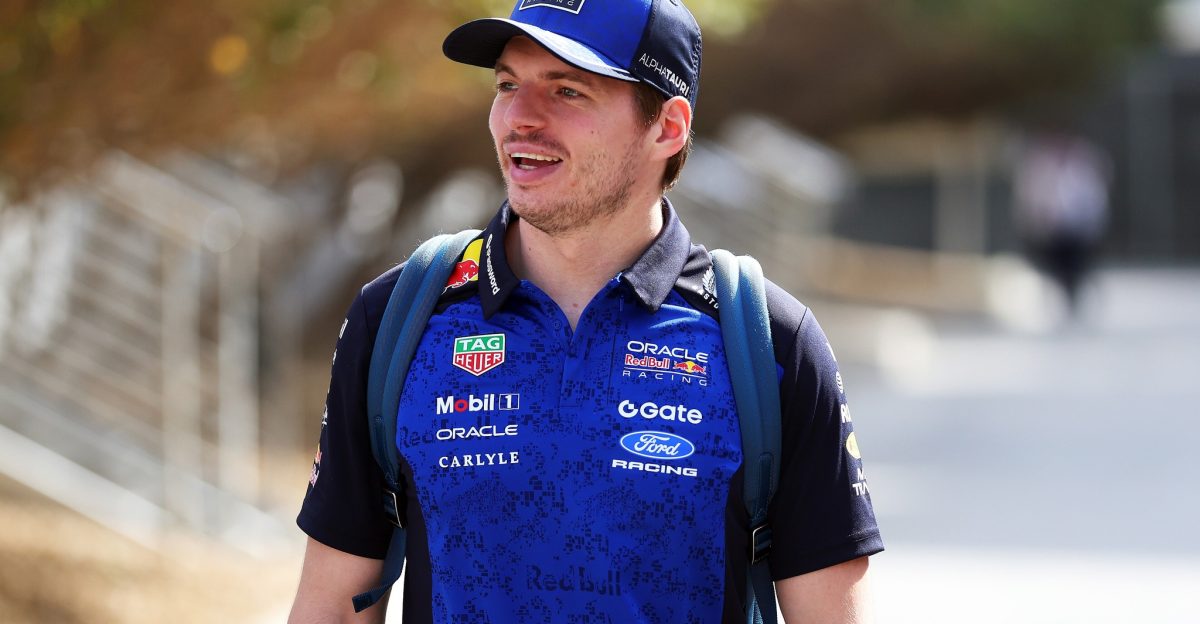
When Verstappen calls the racing “terrible” and “fundamentally flawed,” he critiques the incentive structure embedded in 2026 regulations. He supports sustainability but rejects a format where following, overtaking, and genuine wheel-to-wheel competition are compromised. The FIA delivered a cleaner, more advanced technical package that world champions now call a joke. Two races into the season, the blueprint has proven controversial. Drivers who warned early were validated. Fans, teams, and regulators face the challenge of balancing environmental goals with excitement on track, with the full season likely to test whether reforms can satisfy both objectives.
Sources:
Max Verstappen slams F1 regulations again. ESPN, March 14, 2026
Max Verstappen doubles down on terrible F1 cars. Speedcafe, March 15, 2026
Lando Norris continues criticism of artificial 2026 regulations. Motorsport.com, March 7, 2026
FIA World Motor Sport Council approves power unit regulations for 2026. Formula 1, August 16, 2022
FIA unveils Formula 1 regulations for 2026 and beyond. Formula 1, June 5, 2024
F1 considering tweaks to 2026 rules. Drive, March 12, 2026