One Collision At Chinese GP Triggers Death-Threat Warning As F1’s Fan Violence Crisis Explodes
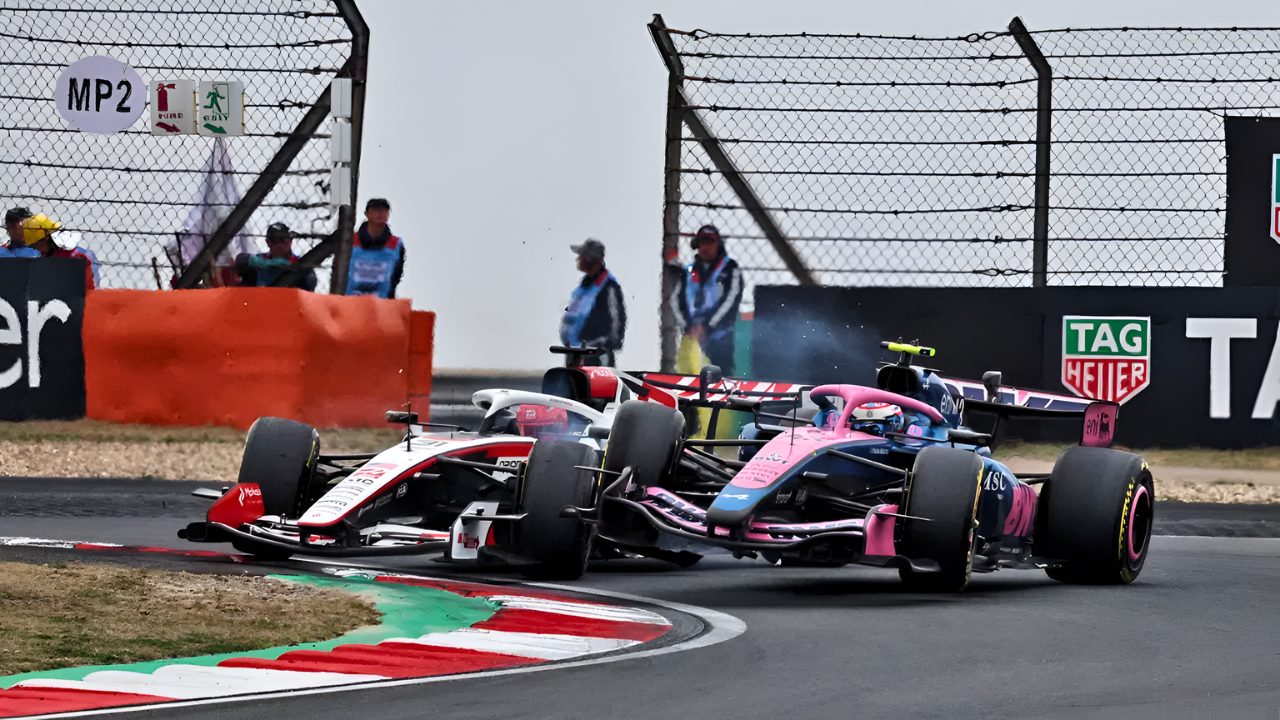
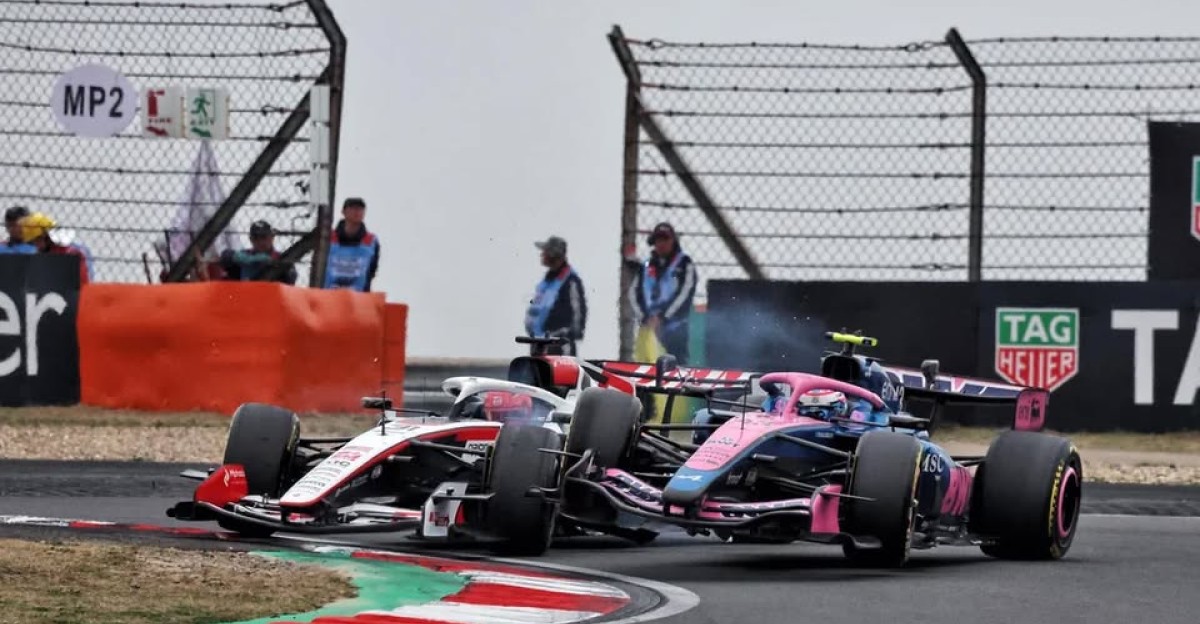
A routine on-track collision during the Chinese Grand Prix weekend quickly turned into something far more troubling for Formula 1. Esteban Ocon and Franco Colapinto made contact during the event in Shanghai, a common racing incident that normally ends with steward review and a quick apology. Instead, the aftermath triggered public warnings about online harassment and death threats aimed at drivers. The episode highlighted a growing problem for the sport: fan outrage spilling into abuse and intimidation. One moment of racing drama exposed how quickly F1’s digital backlash machine now activates.
When Racing Contact Turned Into Chaos
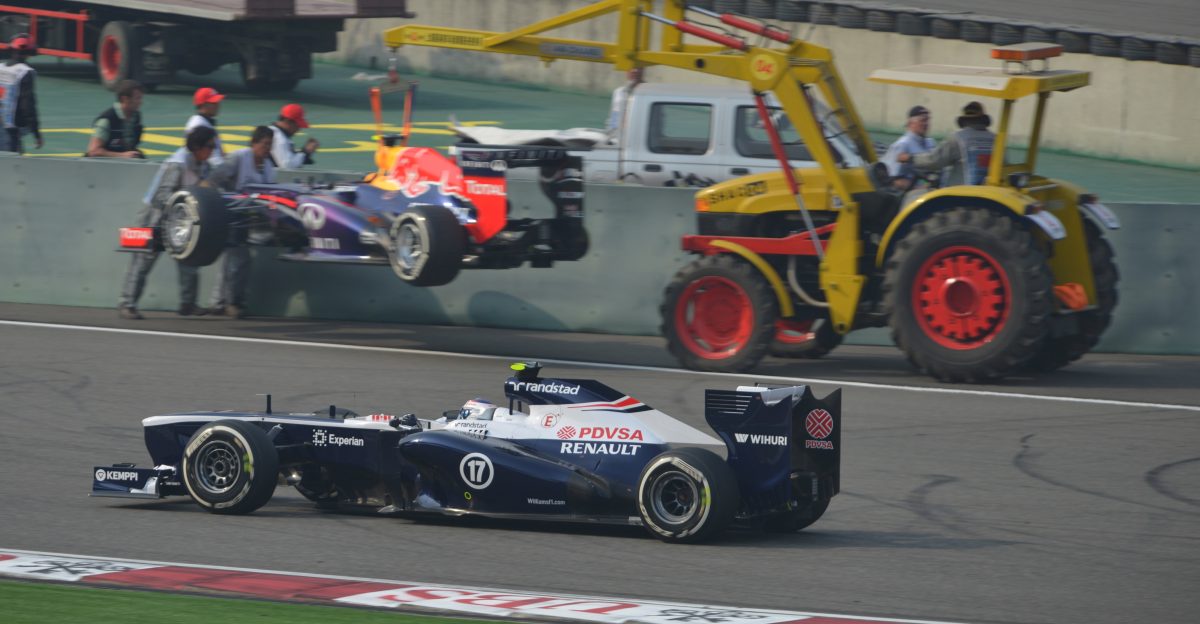
The cars had barely cooled after the Chinese Grand Prix weekend in Shanghai when the first collision turned into a second one. Esteban Ocon and Franco Colapinto made contact during the race, a typical wheel to wheel incident seen regularly in Formula 1. Minor contact shuffled positions and stewards reviewed the moment as part of routine race control. Normally the story would end there. Instead, attention shifted almost immediately away from lap times and toward the reaction building online, where the real storm surrounding the crash was only beginning.
A Routine Apology With Extra Weight
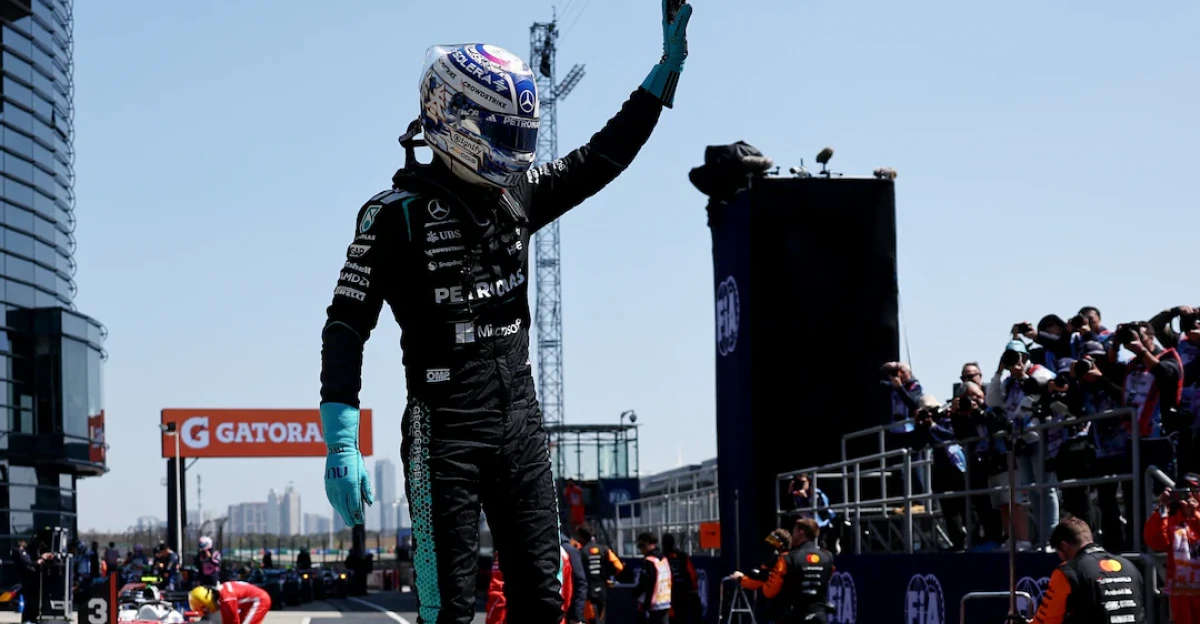
Soon after the race, Esteban Ocon issued a public apology to Franco Colapinto for the collision. Such statements are common after racing incidents, reflecting long standing traditions of sportsmanship in Formula 1. Yet this apology carried a different tone. Drivers and teams have become familiar with what follows controversial moments. Online backlash often escalates rapidly, sometimes targeting individuals with abuse. The apology therefore served more than its usual purpose. It addressed the on track incident, but it also hinted at the tension that modern drivers now expect to face.
The Line That Changed Everything
What followed transformed the tone of the conversation entirely. A blunt warning circulated publicly: “don’t send death threats.” The message was not buried in legal language or hidden inside official documentation. It appeared directly within the broader discussion surrounding the incident. That detail mattered. Motorsport already carries inherent physical risk, yet a racing collision now triggered warnings about threats directed at drivers themselves. The language sounded less like sports commentary and more like crisis management, revealing how seriously teams now treat the possibility of online harassment escalating quickly.
Two Courts Judging The Same Moment
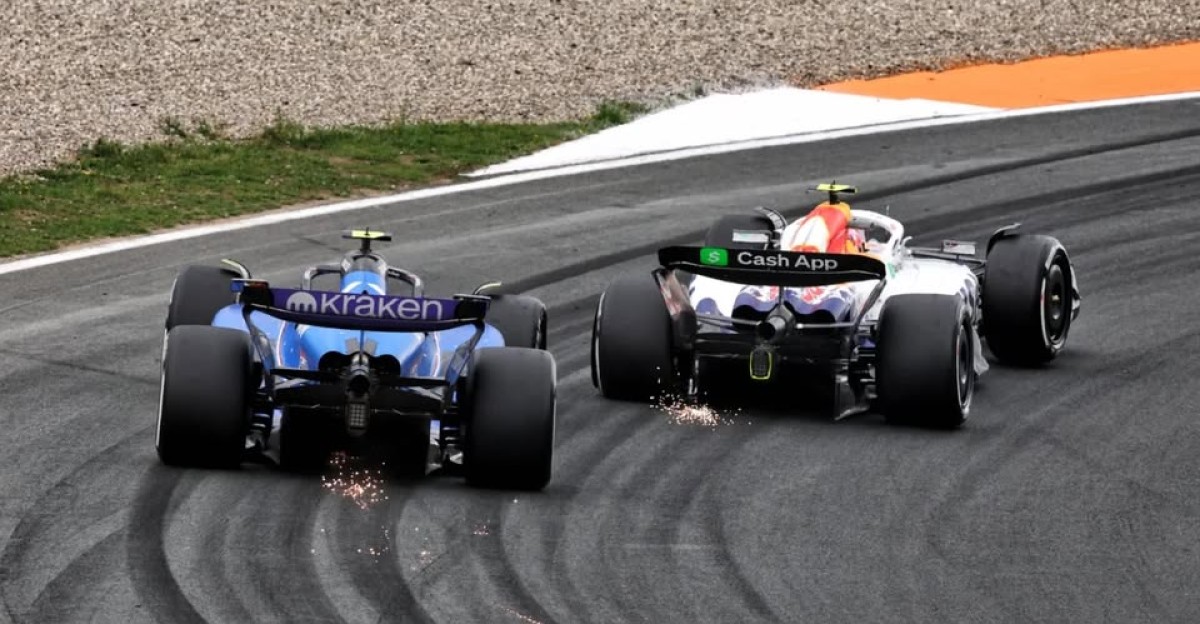
Behind the scenes, the official process worked exactly as designed. The FIA’s race stewards reviewed telemetry data, examined video footage, and assessed the collision using established sporting regulations. Their decision belonged to Formula 1’s structured rulebook. Meanwhile, a second court of opinion was already active online. Social media platforms often amplify outrage driven reactions, rapidly spreading clips stripped of context. Ocon’s apology therefore served two audiences. For the paddock it represented professional respect. For the internet it became a defensive gesture against escalating criticism.
How A Racing Clip Becomes A Threat

The escalation pattern has become almost predictable. A racing incident appears on broadcast footage. Within minutes the moment circulates across social media platforms as a viral clip. Fans begin assigning blame, often without the full context of steward reviews. The conversation then intensifies, sometimes crossing into targeted abuse or threats. What starts as passionate debate about racing can quickly become personal harassment directed at drivers or teams. The transformation happens rapidly, demonstrating how modern sports controversies now evolve far beyond the track.
Official Penalties Versus Online Consequences
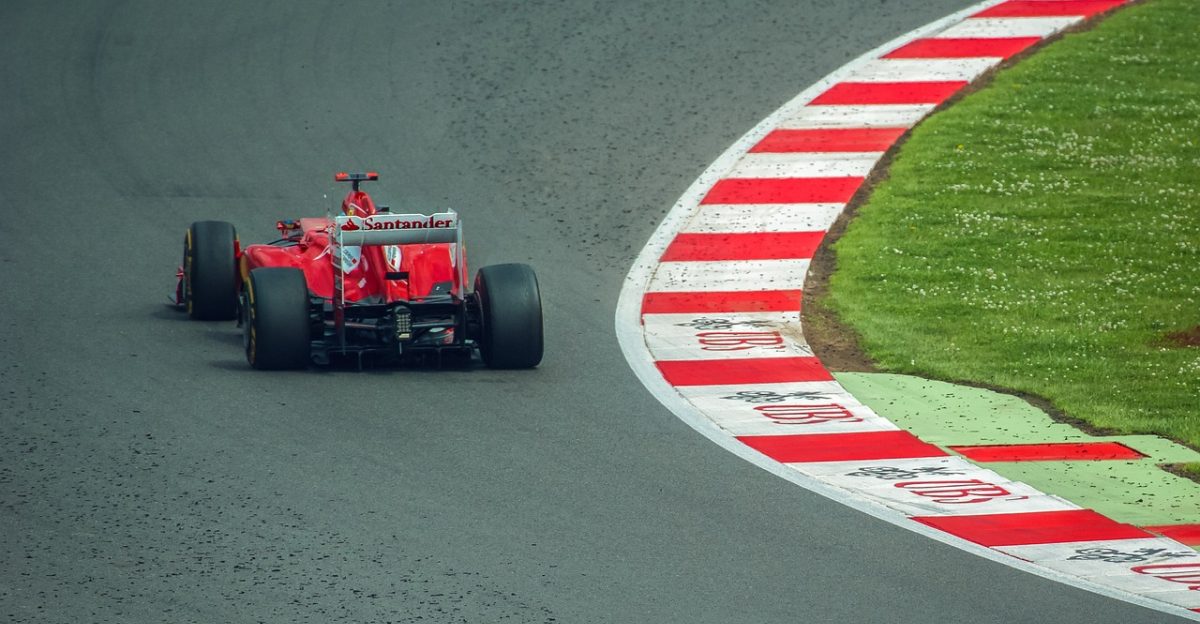
Formula 1’s governing body documents every incident through formal steward decisions published after each race. Penalties might include time additions, grid drops, or official reprimands, all recorded and explained through FIA reports. These consequences are measurable and limited. Online reactions operate under no such structure. Viral clips can reshape public perception instantly, sometimes damaging reputations long before official rulings appear. While a race penalty ends when the decision is finalized, digital backlash can continue indefinitely, extending the consequences of a single mistake far beyond race day.
The Hidden Impact Across The Paddock

The ripple effects stretch well beyond the drivers directly involved in incidents. Teams increasingly monitor social media reactions as part of their crisis management strategy following controversial races. Sponsors also watch closely, wary of being linked to harassment campaigns that can erupt after viral moments. Some drivers respond by limiting online interaction, reducing the personal engagement that Formula 1 has spent years encouraging. The burden can fall hardest on newer competitors, who often lack the support networks and experience needed to handle sudden waves of public hostility.
When Warnings Become Routine
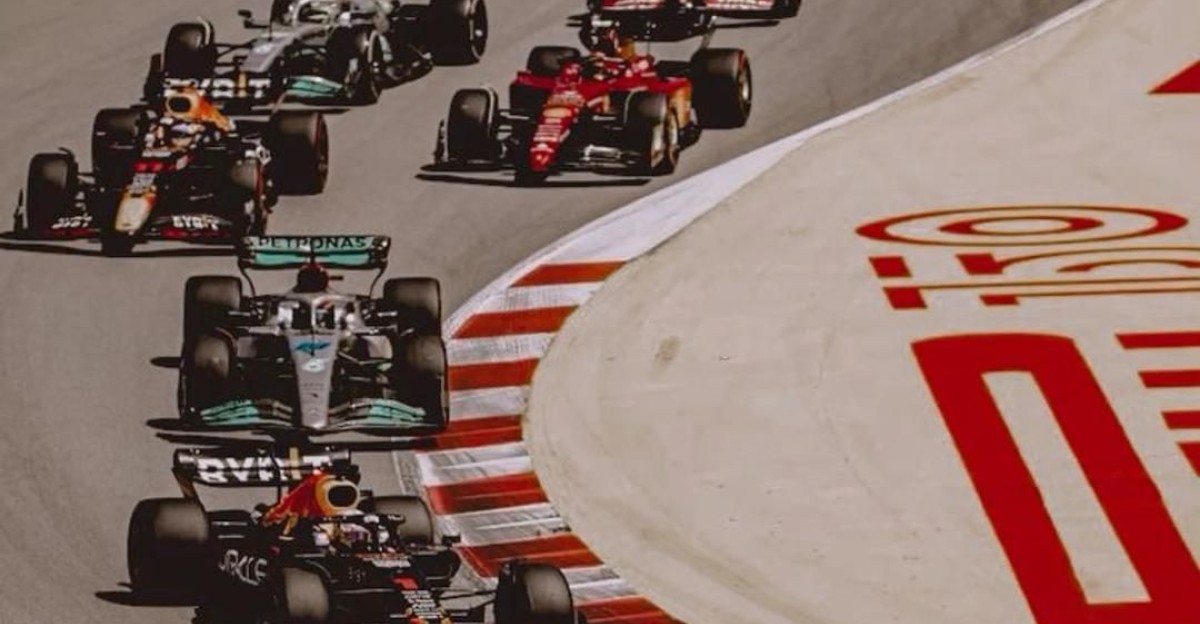
The phrase “don’t send death threats” appearing after a racing incident signals a troubling shift in Formula 1’s culture. Public appeals for restraint from fans have occurred before, yet their growing frequency suggests a deeper issue. Anti abuse messaging is gradually becoming standard practice whenever controversy erupts during a race weekend. What once felt like isolated incidents now resembles a pattern. The belief that motorsport drama remains confined to the circuit has faded, replaced by recognition that online reaction can sometimes overshadow the sporting outcome.
Why The Problem Keeps Returning
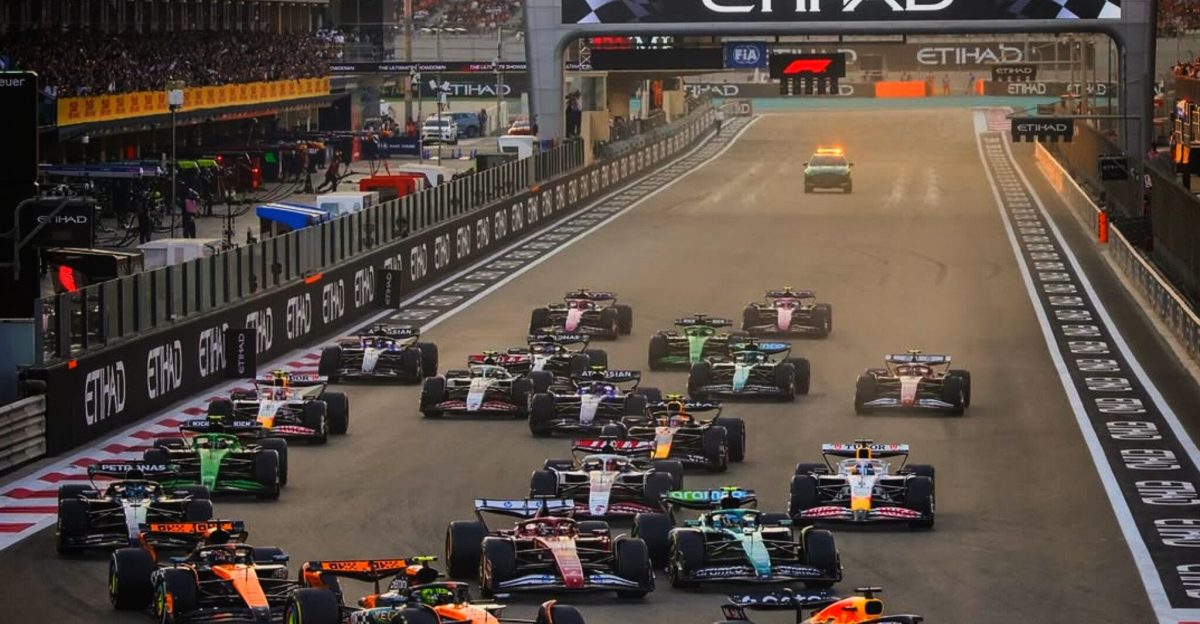
Despite public campaigns against abuse, the underlying dynamics driving these reactions remain largely unchanged. Social media algorithms often prioritize posts generating the strongest emotional responses, which means outrage spreads faster than moderation messages. Each viral incident reinforces the cycle by drawing more attention to conflict. As long as engagement rewards heated reactions, controversial moments will continue to ignite waves of commentary. That reality means the next flashpoint in Formula 1 may not depend solely on racing incidents, but also on how platforms amplify them.
The Real Test For Formula 1

Formula 1 now faces a challenge extending beyond the racetrack. Officials and teams are exploring stronger responses, including clearer statements condemning abuse and improved reporting tools for harassment. Some discussions even involve cooperation with digital platforms to curb threats directed at drivers. Whether these measures succeed remains uncertain. The incident in Shanghai illustrated how quickly online outrage can escalate after a single racing moment. The next controversial collision will reveal whether the sport’s evolving response can finally slow a problem that continues to grow.
Sources:
Fans told ‘don’t send death threats’ as Esteban Ocon apologises for Franco Colapinto clash. Motorsport.com, March 15, 2026
Urgent ‘death threats’ plea issued after Chinese GP crash. RacingNews365, March 14, 2026
Ocon given no penalty points for collision with Colapinto. RaceFans, March 15, 2026
Franco Colapinto call for abuse to stop as Esteban Ocon issues apology for F1 clash. Motorsport Week, March 16, 2026
Former Alpine driver Jack Doohan received death threats over F1 seat. The Athletic, February 24, 2026