Here’s Where Drivers Find Cheapest Stations As California Gas Prices Hit Excruciating Climb
Despite a national average of $3.72, California motorists are confronting pump prices that regularly exceed $5.50, with some analysts warning of a potential $8-per-gallon scenario if supply disruptions persist. The pain at the pump has become a daily talking point, prompting commuters to reconsider even essential trips. As Doug Johnson, spokesperson for AAA Northern California, explained: “Gas prices typically climb during springtime as gasoline demand rises and summer-blend gasoline production begins. The last time the national average made a similar weekly jump was back in March of 2022 during the start of the Russia/Ukraine conflict.” This stark reality sets the stage for a search for relief amid relentless price pressure.
Where the Savings Still Exist: Discount Stations in Southern California
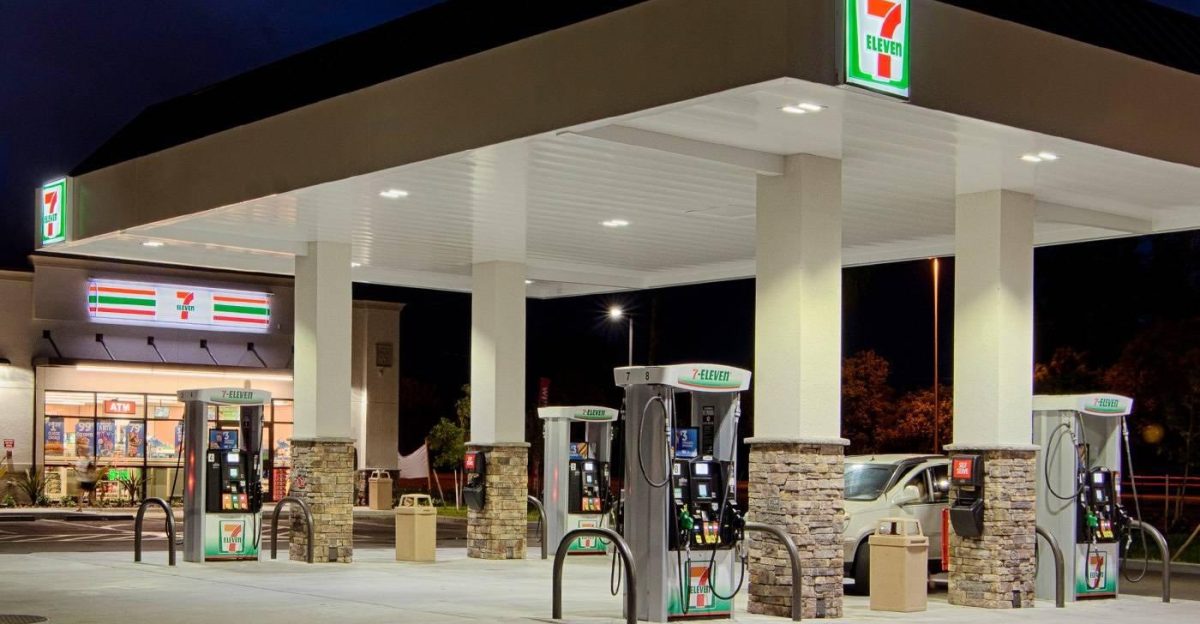
In the Los Angeles metro area, a handful of discount outlets continue to offer fuel below $4.40 per gallon, providing a rare buffer against the statewide average of $5.53. The 7-Eleven on Rosemead Boulevard listed regular unleaded at $4.24, while the ARCO & ampm in Orange posted $4.29 and Forza in Arcadia showed $4.39. Additional low-price spots in Commerce, Anaheim, Azusa, North Hollywood, Monrovia, Lomita and Arcadia hovered between $4.49 and $4.55. All prices sourced from GasBuddy user reports as of March 12, 2026, and are subject to daily fluctuation. These stations rely on bulk purchasing and minimal overhead to keep margins thin, passing savings directly to cost-conscious drivers.
Northern California’s Hidden Pockets: Fremont and Hayward Lead the Bay Area
Beyond San Francisco’s city limits, the cheapest gas clusters in Fremont and Hayward, where several stations regularly quote under $5 per gallon. Inside San Francisco proper, prices rarely dip below $5.50, reflecting higher operating costs and stricter environmental fees. Patrick De Haan, Head of Petroleum Analysis at GasBuddy, warned that “each day the Strait of Hormuz stays closed could add $3 to $5 to oil prices” and that California has “essentially signaled to the industry that they’re not open for business when it comes to refining.” The state’s growing dependence on imported fuel from India and South Korea leaves it uniquely exposed to geopolitical disruptions. Drivers willing to travel a few extra miles can shave dozens of cents off each fill-up, though the trade-off in time and mileage must be weighed against the per-gallon savings.
How GasBuddy Tracks the Lowest Prices Across the State

Crowd-sourced platforms like GasBuddy have become indispensable for Californians hunting real-time fuel deals, aggregating user-reported prices from thousands of stations statewide. The service’s algorithm weights recent reports and highlights stations that consistently undercut regional averages. Patrick De Haan, GasBuddy’s Head of Petroleum Analysis, warned that “Americans will spend roughly $900 million more on gasoline” in the week following the Iran conflict’s outbreak, underscoring how quickly supply shocks translate to pump prices and the value of real-time price tracking. By enabling push notifications for price drops, the app helps users time purchases during brief dips that often occur on Sunday or Monday.
Financial Strain Forces Behavioral Shifts: Fewer Miles Driven
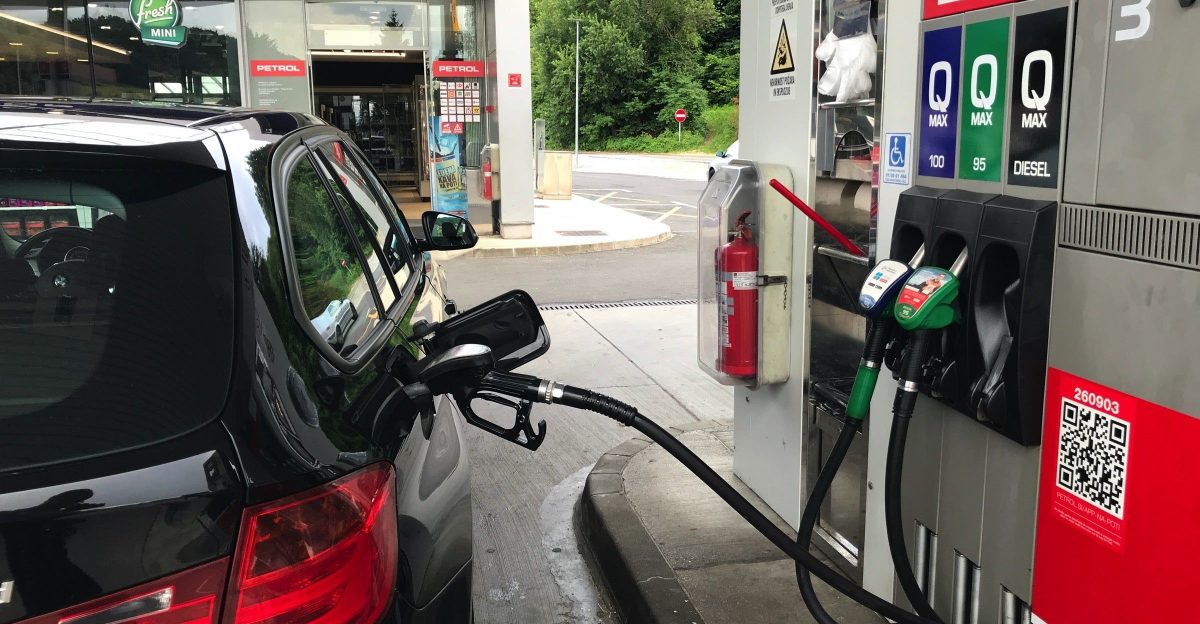
Rising fuel costs have prompted a measurable shift in driving habits, with U.S. Energy Information Administration data showing gasoline demand fell from 8.73 million barrels per day to 8.29 million barrels per day in the week ending March 6, 2026. USC professor Michael Mische, whose 2025 study first projected California gas prices topping $8 per gallon, warned in essence that the state faces an unavoidable supply-demand imbalance: as refinery capacity shrinks, prices have nowhere to go but up, particularly if global supply routes are simultaneously disrupted. This reduction not only eases personal budgets but also lessens congestion and emissions, offering an unintended environmental benefit. Analysts caution, however, that sustained high prices could disproportionately affect low-income households reliant on cars for work and essential services.
Strategies to Maximize Savings: Timing, Payment, and Apps
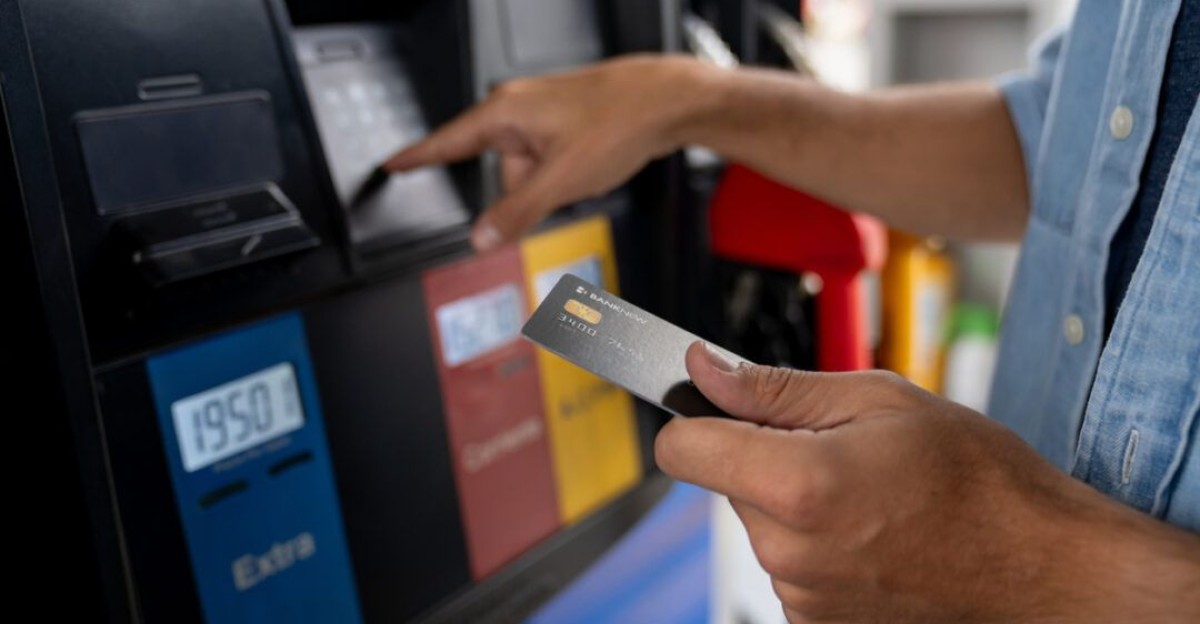
Experts recommend a combination of tactics to stretch every dollar at the pump. Paying with cash can avoid credit-card surcharges that add 5 to 10 cents per gallon at many stations. Filling up on Sunday or Monday historically yields lower prices. GasBuddy’s 2026 analysis found Sunday is the cheapest day in 41 states, with prices rising progressively through midweek and peaking Wednesday through Friday. Utilizing apps such as Waze or Google Maps to compare nearby stations in real time further sharpens savings. Patrick De Haan at GasBuddy notes that choosing the right day to fill up can translate to meaningful savings per gallon when combined with cash discounts and app-based comparisons, with Sunday consistently delivering the lowest prices nationwide according to GasBuddy’s 2026 analysis of pricing patterns across all 50 states. Consistency and vigilance are key to capturing fleeting discounts.
Policy Debate Intensifies: Lawmakers Respond to Public Outcry
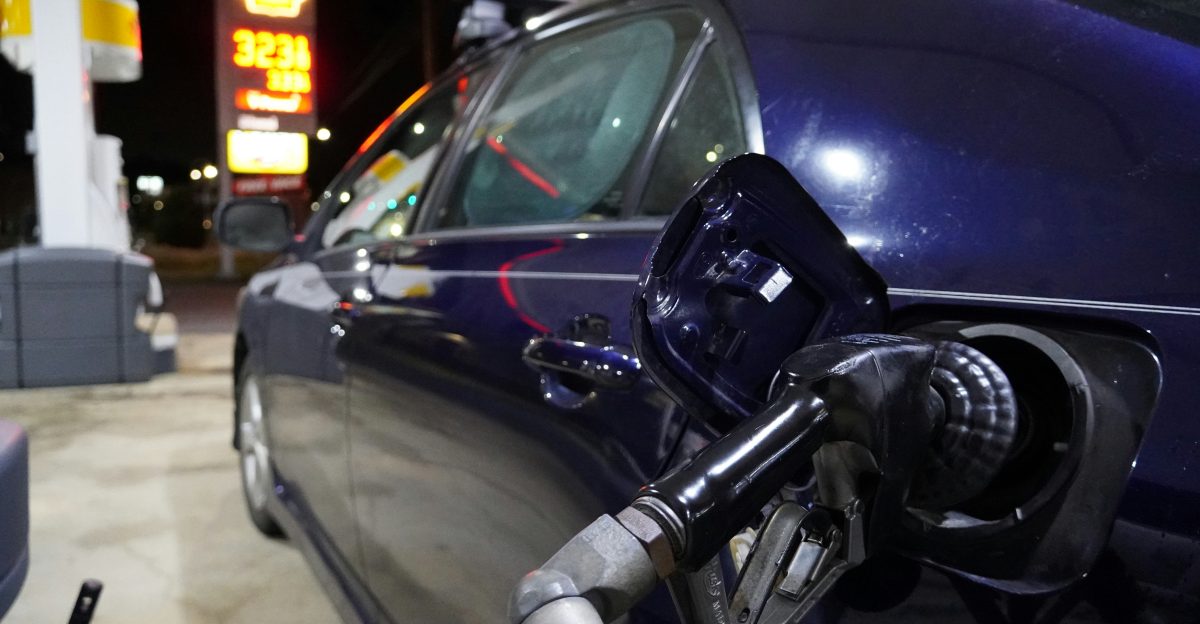
State legislators have introduced several bills aimed at easing the fuel burden, ranging from temporary gas-tax suspensions to increased funding for public transit alternatives. Consumer Watchdog noted that “Northern California drivers are paying more than $2 more per gallon than U.S. drivers” — a gap the organization attributes directly to the California Energy Commission’s failure to use its regulatory powers to keep two major Northern California refineries running. Their call for greater transparency in wholesale pricing has prompted hearings at the Capitol. While any tax relief would provide immediate respite, analysts note that long-term solutions must address refinery capacity, environmental regulations, and global oil market volatility that collectively shape California’s distinctive pricing structure.
Comparing California to the Nation: A Stark Divide
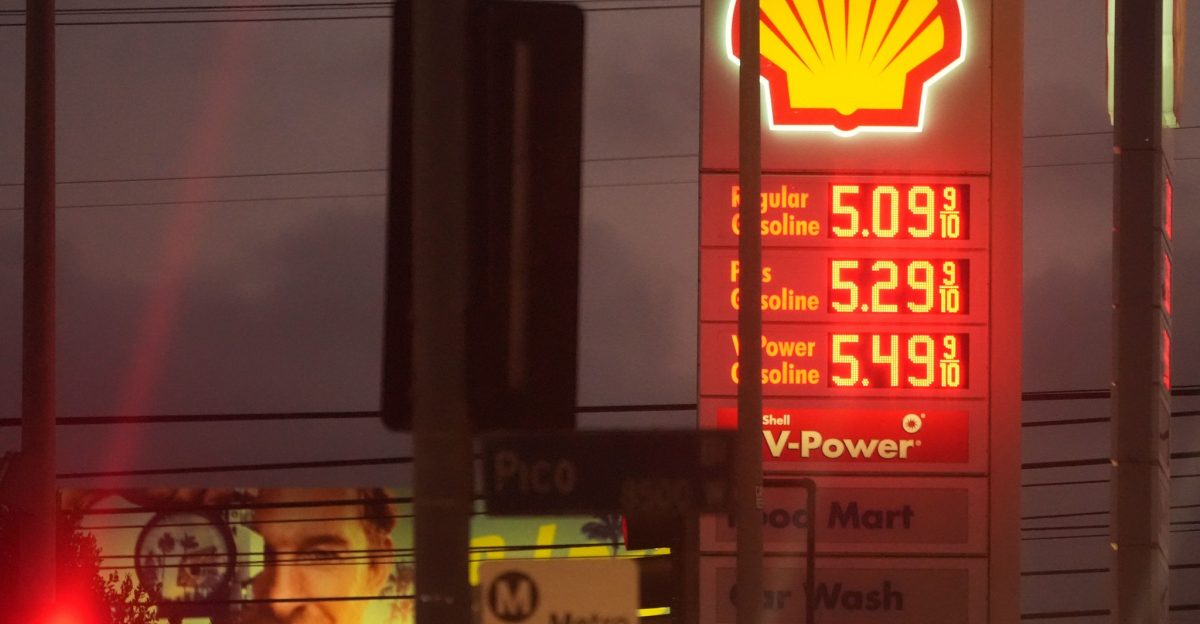
The Golden State’s average gasoline price of $5.53 per gallon contrasts sharply with the national norm of $3.72, a gap of more than $1.80 that ranks among the widest in the country. This disparity stems from California’s unique blend of high state taxes, stringent fuel-formulation standards, and logistical challenges in importing crude to coastal refineries. The Institute for Energy Research has flagged a growing risk from California’s increasing dependence on imported motor fuel, noting that the state cannot fully compensate for the refinery deficit through domestic supplies alone, with India and South Korea emerging as the primary alternative suppliers, a fragile arrangement that leaves California uniquely exposed to geopolitical disruptions. As other states enjoy cheaper fuel, Californians continue to shoulder a premium that influences everything from household budgets to freight costs.
Outlook: Analysts Forecast Continued Volatility Amid Global Oil Dynamics
Looking ahead, market watchers anticipate ongoing price swings driven by OPEC+ decisions, refinery maintenance cycles, and the state’s transition toward cleaner fuels. California State Sen. Suzette Valladares warned: “Restrict supply without reducing demand, and prices rise. That’s basic economics.” Such volatility underscores the value of real-time price-tracking tools and flexible fueling habits. Until structural changes alter the supply-demand equation, Californian drivers will need to remain vigilant, adaptive, and informed to navigate the pump’s unpredictable terrain.
What Drivers Can Do Today: Practical Tips for Immediate Relief
For immediate savings, drivers should first check GasBuddy or comparable apps for the lowest reported prices within a five-mile radius, then verify the station’s cash-discount policy before arriving. Filling the tank when it reaches a quarter full rather than waiting until empty reduces the frequency of high-price purchases and leverages any temporary dips. Finally, consolidating trips and maintaining proper tire pressure can improve fuel economy by up to 3%, effectively lowering the cost per mile. By combining these actionable steps with broader market awareness, Californians can reclaim a measure of control over an expense that has become a defining feature of daily life in 2026.
Sources
“Jump at the Pump as California Average Climbs 18 Cents.” AAA via Contra Costa News, March 6, 2026.
“Weekly Petroleum Status Report: Gasoline Demand Week Ending March 6, 2026.” U.S. Energy Information Administration, March 2026.
“GasBuddy’s Patrick De Haan Talks If California Could Run Out of Gas.” CNBC, February 18, 2026.
“Americans Will Spend Roughly $900M More on Gasoline Next Week.” CNBC Squawk Box, March 5, 2026.
“5 Ways to Lower California Gasoline Prices, Which Are $2 More Than U.S. Prices in Bay.” Consumer Watchdog, March 10, 2026.