F1 Kills 2026 Rule Overhaul Right After China Race—11 Teams Left Frozen With No Public Explanation
Formula 1 briefly hit the brakes on rewriting its upcoming 2026 regulations after the Chinese Grand Prix in Shanghai. Pre-season testing had sparked concerns that the new power unit formula could produce energy-starved racing, prompting discussions about fast tracking rule tweaks. Yet competitive racing in China eased some fears, and the push for immediate changes was shelved. Instead of rushing adjustments, officials chose to gather more data before acting. Now 11 teams across the grid must wait for the next decision window around the Miami Grand Prix in early May.
Shanghai Race Shifts The Timeline
The checkered flag had barely fallen in Shanghai when Formula 1’s near term regulatory direction quietly shifted. Discussions about fast tracking tweaks to the 2026 rules had been building since pre season testing raised concerns that energy management could dominate racing. Engineers and team leaders were actively debating changes before the Chinese Grand Prix weekend. Then the race produced unexpectedly competitive action. That result eased immediate fears and the push for urgent adjustments was shelved. The proposal was not abandoned entirely, though. Instead, the discussion moved into a holding phase while the sport gathers more evidence.
A Major Technical Reset Approaches
The debate centers on one of the largest rule changes in modern Formula 1 history. The 2026 power unit package dramatically increases electrical deployment, raising output from 120kW to 350kW while introducing engines powered by 100% sustainable fuels. The chassis concept will also evolve, moving away from the current ground effect focus toward lighter, more agile cars. Both the FIA and Formula 1 have framed the project as the sport’s clean energy pivot. Yet early testing revealed concerns that battery management could overwhelm driving performance, prompting the initial push for immediate adjustments.
Three Reasons Officials Hit Pause
Rather than a hidden political struggle, the pause came from practical evaluation. Reporting from The Race identified three main reasons discussions slowed. First, the racing in China, including both the sprint and the grand prix, proved far more competitive than many insiders feared. Second, Shanghai’s track layout demands different energy usage compared with Australia, suggesting Melbourne may not represent the full picture. Third, officials want more data from Japan before deciding anything. Haas team principal Ayao Komatsu summarized the approach clearly: “Definitely we shouldn’t do a knee-jerk reaction because if you’re going to change something, we should change it once and then get it right.”
Every Team Now Waits Together
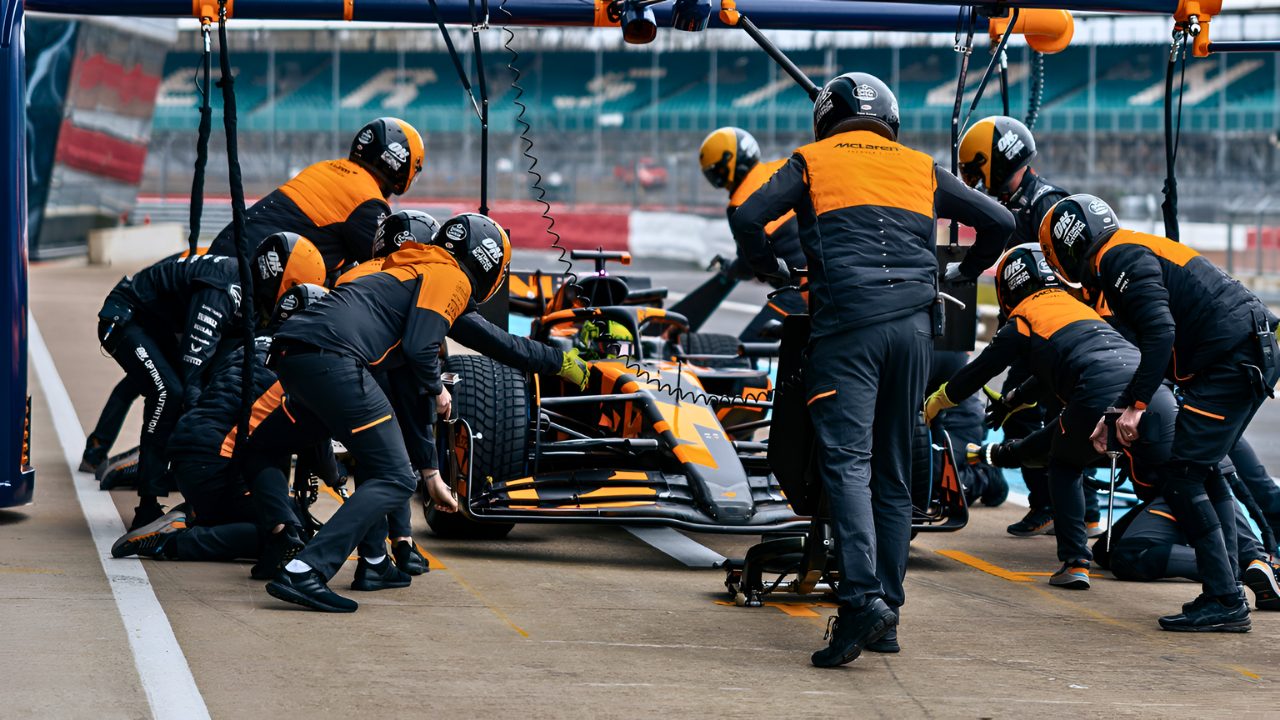
The pause effectively places the entire grid in a temporary holding pattern. For now, all 11 teams continue developing their cars under the existing regulatory text. That includes Cadillac, the newest entry preparing to join the championship with drivers Sergio Pérez and Valtteri Bottas. Engineering departments must keep their wind tunnel work, simulations, and supplier plans aligned with current rules. However, this is not a permanent freeze. A technical working group meeting is expected shortly after the Japanese Grand Prix. Any approved revisions could still be finalized before the championship arrives in Miami.
Why Late Changes Carry Real Risk
Altering regulations deep into development can ripple through every department of a Formula 1 organization. Engineers often compare the process to modifying a building’s blueprint after construction has already started. A small rule adjustment may force redesigns in aerodynamics, cooling layouts, and packaging around the power unit. That is why regulatory stability often wins over quick fixes. Even a short pause shifts the competitive battle away from rewriting rules and toward interpreting them. Teams capable of extracting performance from the existing text gain valuable time while discussions remain on hold.
Stability Also Locks In Concerns
Holding off on rule changes reduces the risk of duplicated research spending across the grid. Suppliers and manufacturers can keep development programs aligned with a consistent target. Yet stability also preserves the issues that triggered debate in the first place. Several drivers raised concerns after the season opener in Australia. They warned that heavy battery management could dominate driving style, while sudden speed differences might increase risk during overtakes. Those worries have not vanished. They now become engineering challenges every team must manage until the next regulatory review window.
A Calendar Gap Changes Everything
Another unexpected factor reshaped the timeline entirely. The cancellation of the Bahrain and Saudi Arabian Grands Prix due to escalating tensions in the Middle East removed two races from the April schedule. That created a larger gap between Japan in late March and Miami in early May. What once looked like a rushed emergency decision now becomes a measured evaluation period. Engineers and officials suddenly have weeks instead of days to analyze race data and discuss potential adjustments. The extra time reduces pressure and makes it easier to refine any regulatory response carefully.
The Technical Debate Behind The Scenes
Several specific ideas are now under review by Formula 1’s technical leadership. The central topic remains energy management. Officials are studying whether to modify harvest limits or deployment levels within the new hybrid system. One option involves raising the super clipping recovery limit from 250kW to 350kW, helping drivers recharge batteries more effectively. Another possibility would reduce peak deployment power but extend the duration of electric boost. FIA single seater director Nikolas Tombazis hinted at further ideas when he said, “We have a few aces up our sleeves on that, which we didn’t want to introduce ahead of the first race as a kneejerk reaction.”
Teams Quietly Position For Changes
While the public conversation slowed, the lobbying inside the paddock never truly stopped. Teams continue preparing arguments for the next technical working group meeting, knowing any adjustments could reshape competitive balance. Mercedes team principal Toto Wolff acknowledged that tweaks may become necessary but emphasized that the ultimate goal should be improving racing for fans. Max Verstappen has remained openly skeptical about the upcoming regulations. Lewis Hamilton offered a more positive view after China, saying, “The cars are easier to follow, much better than past years. I think it’s the best racing that I’ve ever experienced in Formula 1.”
Miami May Decide The Next Step
When the 2026 era finally begins, many viewers will focus on which team builds the fastest machine. Yet the competitive landscape often takes shape long before the cars reach the grid. By postponing immediate tweaks after Shanghai, Formula 1 preserved the current framework for several critical weeks. Teams that already suit the rules benefit from every day development continues unchanged. The next decisive moment arrives after Japan, when officials evaluate new data and consider revisions. If changes are approved before Miami, the championship’s future direction could shift once again.
Sources:
Immediate F1 2026 rule changes off the table after Chinese GP. The Race, March 14, 2026
F1 could change its 2026 rules as early as round three. The Race, March 8, 2026
A key 2026 battleground teams are scrambling to exploit. The Race, February 24, 2026
F1 confirms cancellation of Bahrain and Saudi Arabian Grands Prix due to war in Middle East. Sky Sports, March 13, 2026
Who are the 2026 Formula 1 teams? Formula1.com, January 6, 2026
The F1 2026 fuel switch. SUSTAIN Fuels, March 10, 2026