1,000 Georgia EV Battery Workers Laid Off Overnight Amid Collapsing Automaker Demand
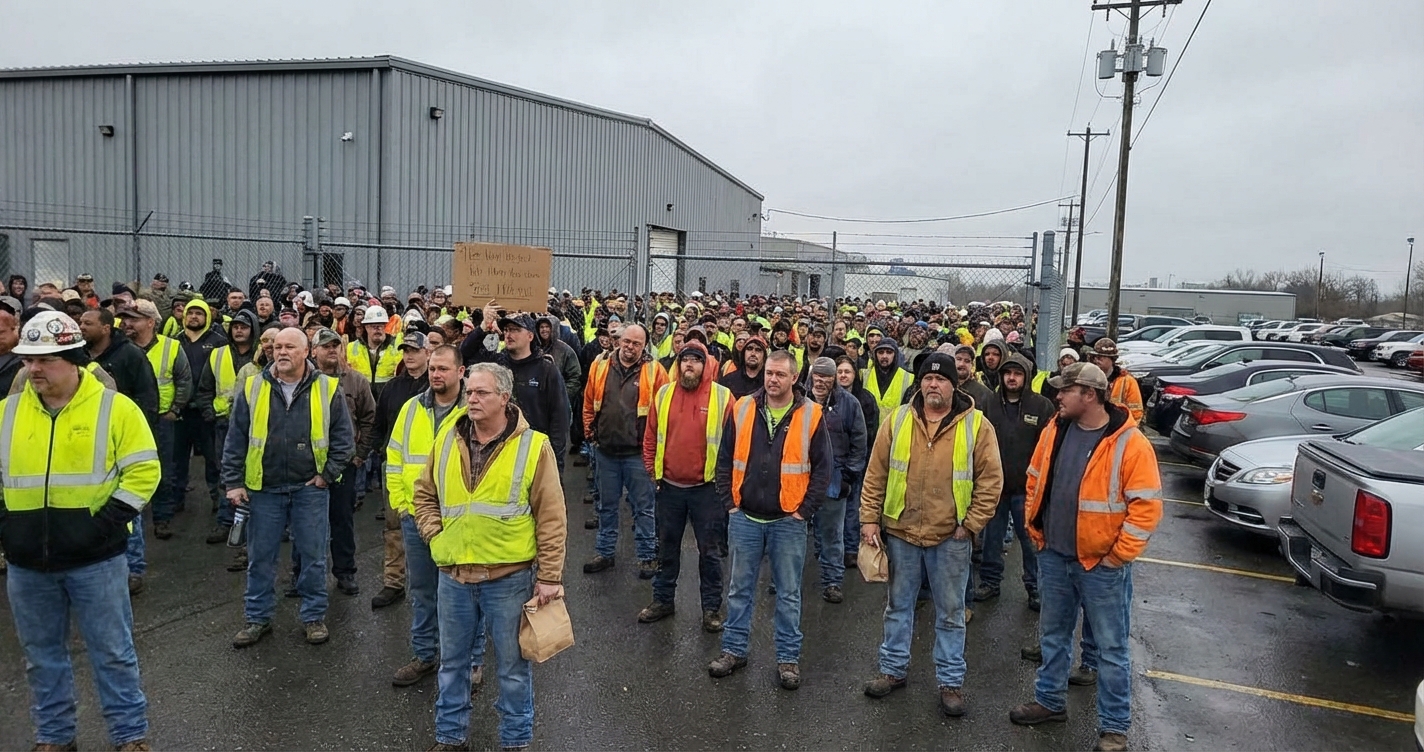
The shift didn’t end. It just stopped existing. Nearly 1,000 workers at SK Battery America’s Georgia plant walked into a facility that was supposed to represent the future of American manufacturing. EV batteries. Clean energy. The kind of jobs politicians fly in to announce. Georgia built an entire recruitment pitch around this industry. The plant was proof the bet was paying off. Then the orders changed upstream, and the people downstream found out last.
A Bet on Tomorrow’s Economy
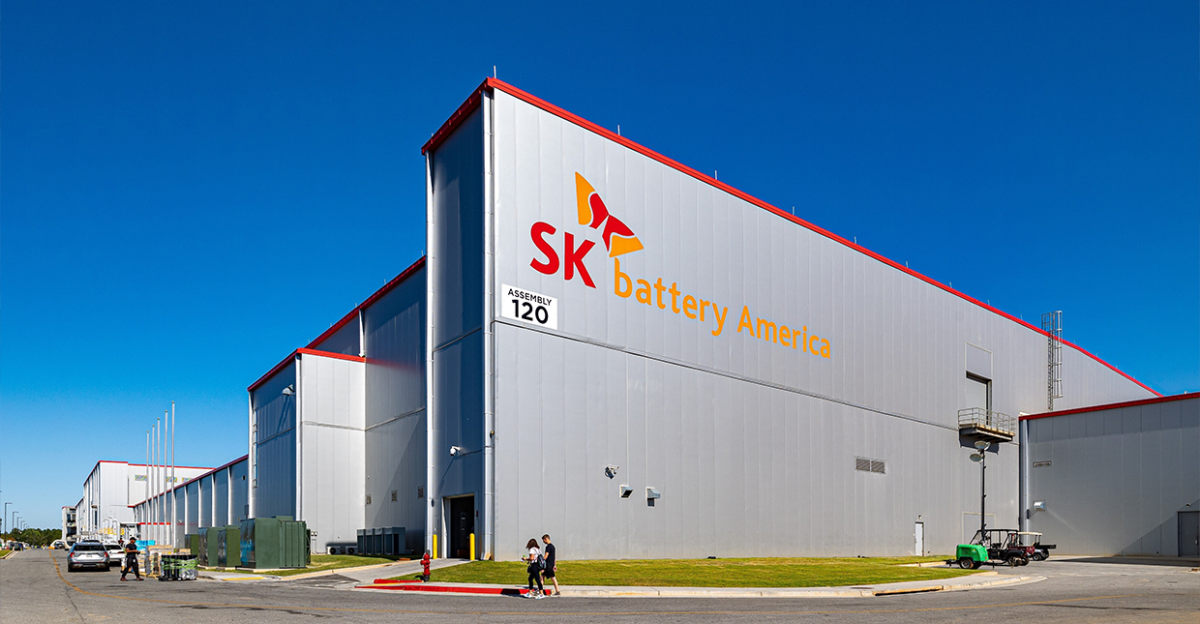
Georgia has positioned automotive and EV manufacturing as a pillar of its economic identity. State development materials frame the sector as a growth engine, the kind of industry that anchors communities for decades. SK Battery America’s plant fit that narrative perfectly: advanced manufacturing, federal policy tailwinds, and a product the whole country supposedly needed more of. That’s the pitch nearly 1,000 workers bought when they took the job. Steady work building tomorrow’s technology. The pitch didn’t mention what happens when tomorrow gets delayed.
When the Orders Stopped Growing
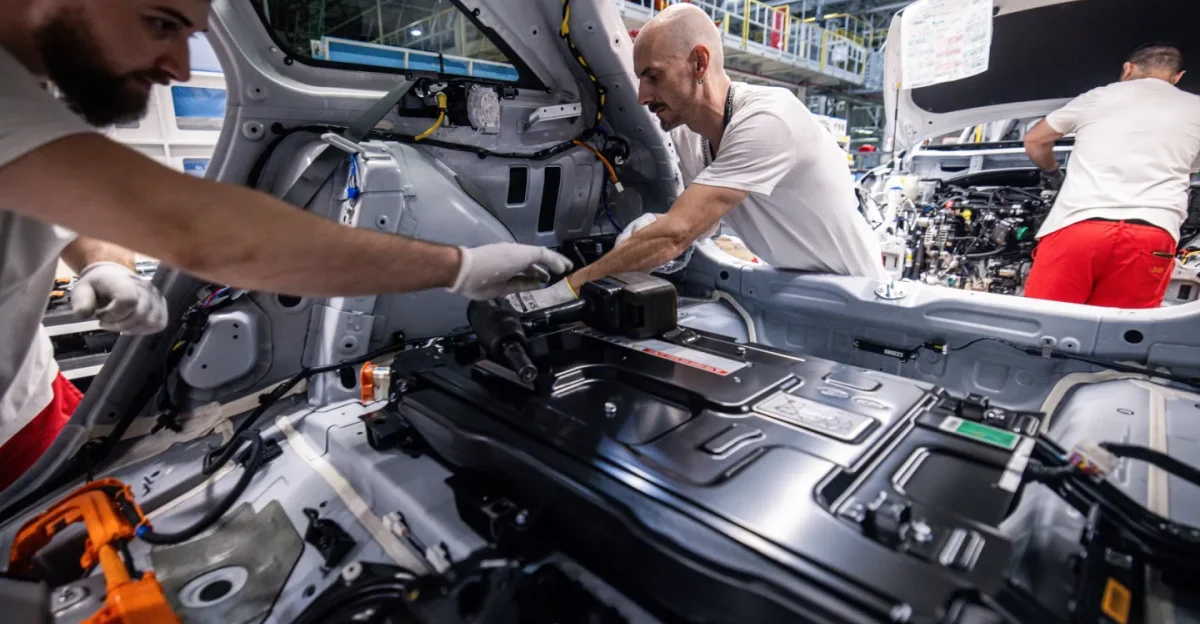
The assumption was simple: automakers would keep scaling EV production, battery suppliers would keep hiring to match, and everybody wins. Except automakers started reassessing. Ford adjusted EV investment plans. Hyundai recalibrated timelines. Broader reporting documented a wave of EV production target revisions across the industry. None of that made front-page news in Georgia factory towns. But for a utilization-sensitive battery plant, cooling forecasts don’t stay abstract for long. They become staffing decisions. The “guaranteed growth” story had a condition nobody read.
The Fastest Lever to Pull
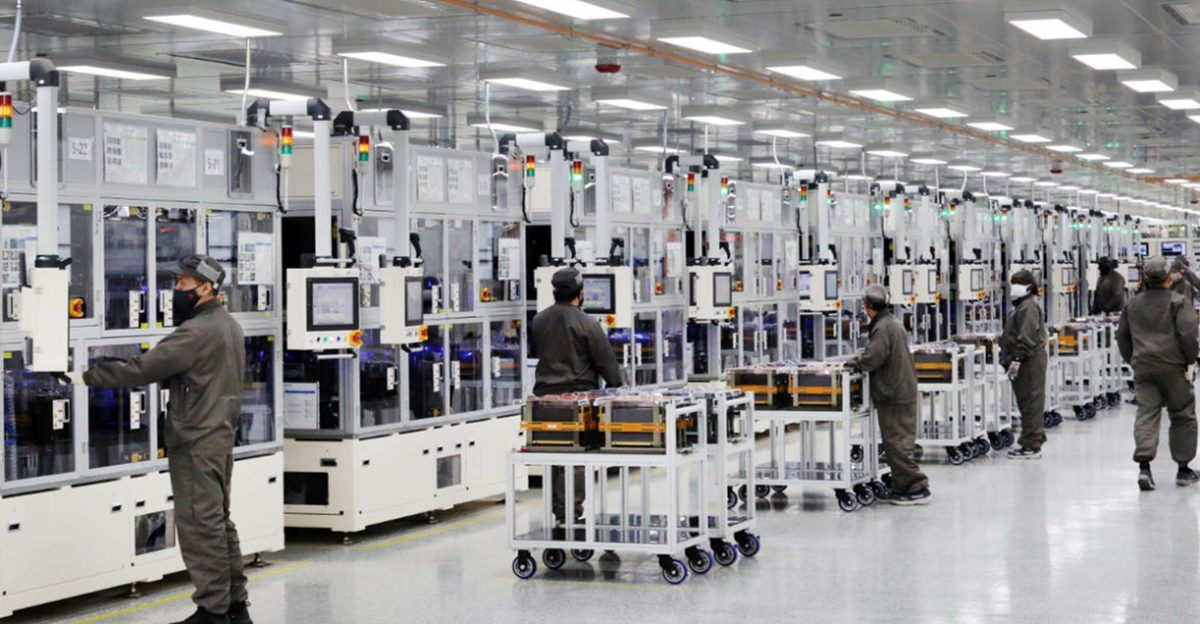
SK laid off nearly 1,000 workers at its Georgia plant. The cuts landed in the context of cooling automaker EV plans and softening demand expectations. One facility. One payroll shock. Roughly 1,000 households scrambling to cover mortgages and groceries simultaneously. Battery plants are utilization-sensitive machines. When automaker forecasts slip, labor is the fastest lever to pull. The impact hits like an overnight reversal. Four-figure headcount, gone. And the cars that were supposed to need those batteries haven’t been canceled yet.
How the Risk Rolls Downhill
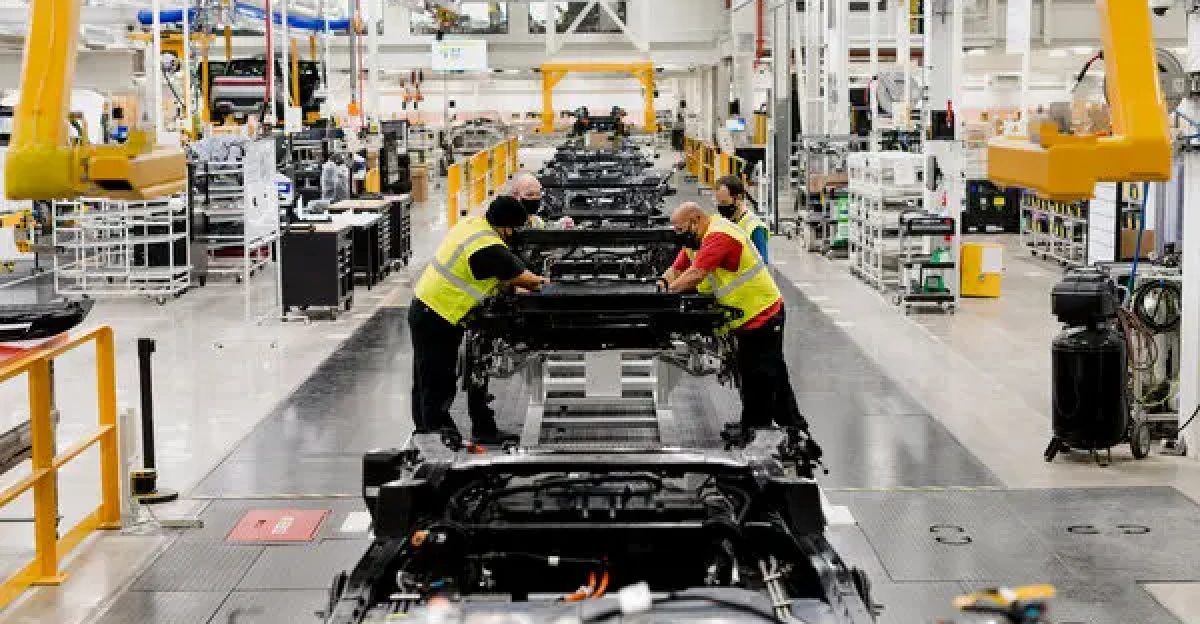
This is how forecast-driven supply chains actually work: automakers adjust a production target on a spreadsheet, and months later a supplier’s parking lot empties. The risk doesn’t sit with the company revising its forecast. It flows downhill to the factory built on that forecast’s promise. Like a new subdivision when mortgage rates spike: the builders pause before buyers even notice. SK’s workers weren’t building the wrong product. They were building the right product on someone else’s timeline, and that timeline moved without them.
A Rounding Error Nationally, a Disaster Locally
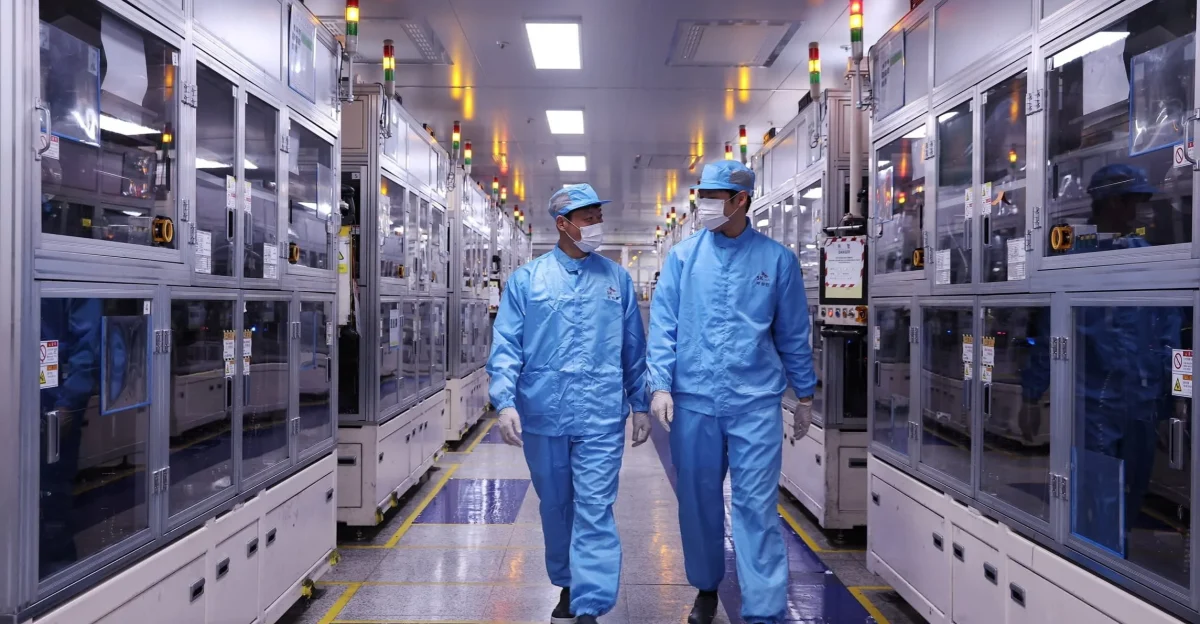
Nearly 1,000 layoffs at a single plant is not a rounding error. That is a community-scale income disruption. Roughly 1,000 households affected at once, with an estimated thousands of local dependents feeling the ripple. Macro numbers absorb a shock like this without flinching. Nationally, it barely registers. Locally, it rewrites the economy of every diner, daycare, and landlord within driving distance of that facility. The national story and the local story are two different disasters.
The Crater Beyond the Plant Gate
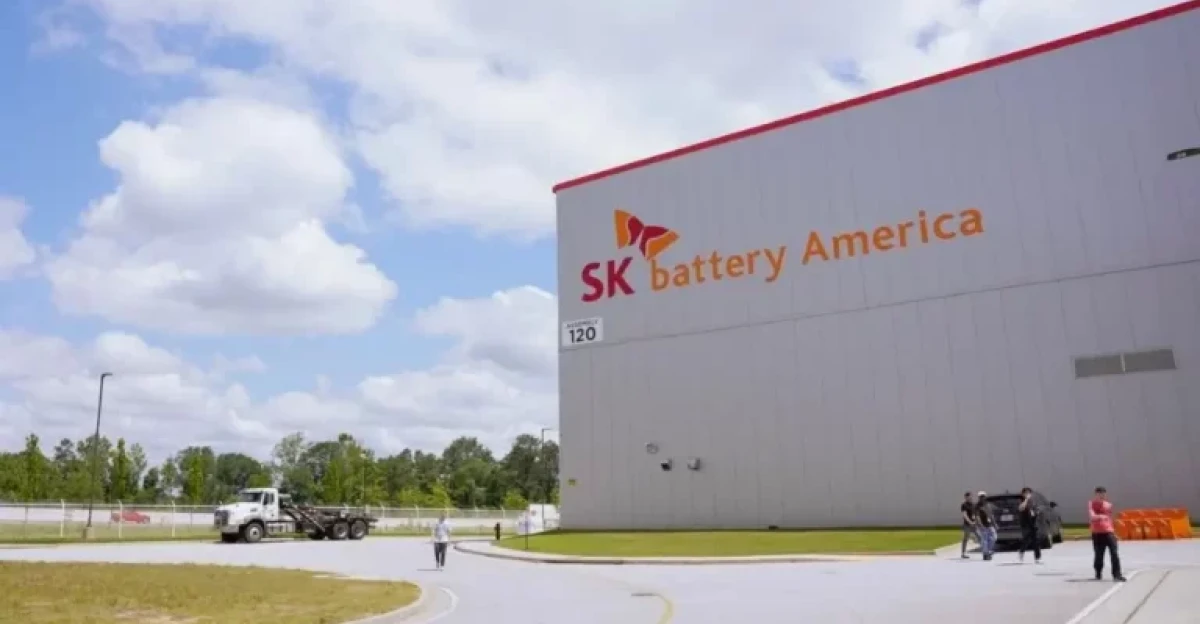
The layoffs don’t stop at the plant gate. Suppliers and subcontractors tied to SK’s Georgia operations face reduced demand. Local tax revenue takes a hit. Small businesses near the facility lose customers who no longer have paychecks to spend. Workforce instability also poisons the training pipeline: workers trained for advanced battery manufacturing now scatter, and rebuilding that talent pool later costs more than maintaining it. One corporate forecast adjustment just created a second-order economic crater that nobody upstream will claim responsibility for.
So Much for Exception-Proof Jobs
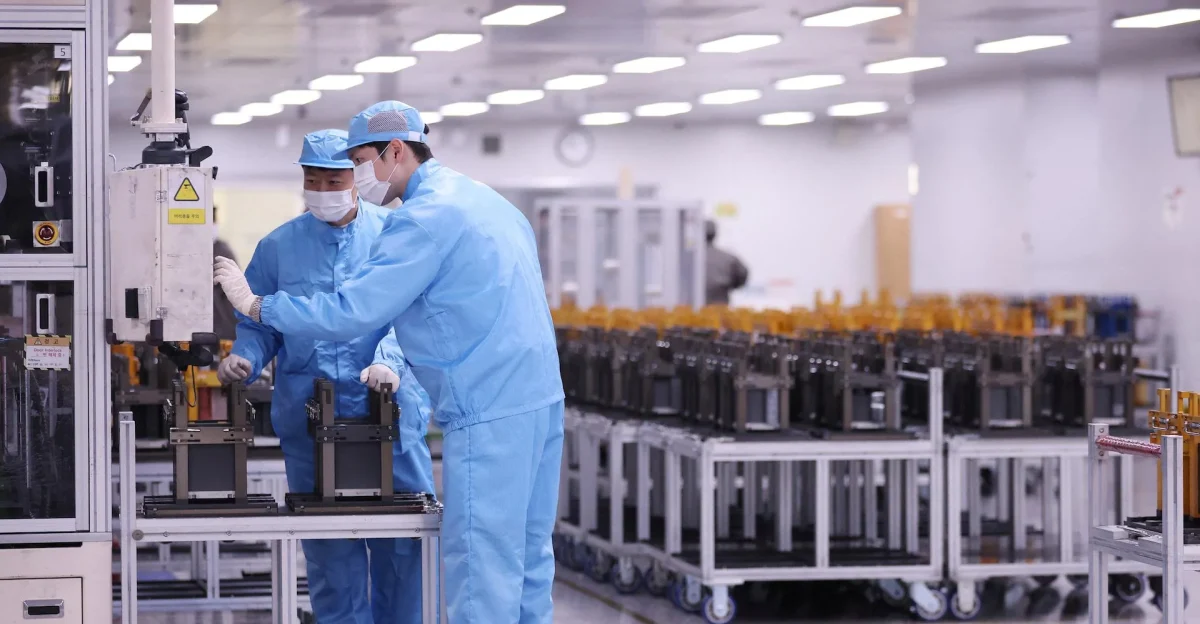
This was supposed to be the exception-proof industry. EV battery jobs were framed as the antidote to old-economy cyclicality. The new truth is harsher: EV supply-chain employment can be just as cyclical as legacy auto when demand and factory capacity fall out of sync. Federal industrial policy accelerated the buildout, but policy cannot force demand to arrive on schedule. That’s the precedent SK’s layoffs set. The EV transition is real, but stability depends on synchronized demand, contracts, and ramp timing. Not slogans.
The Gap Nobody Can Afford
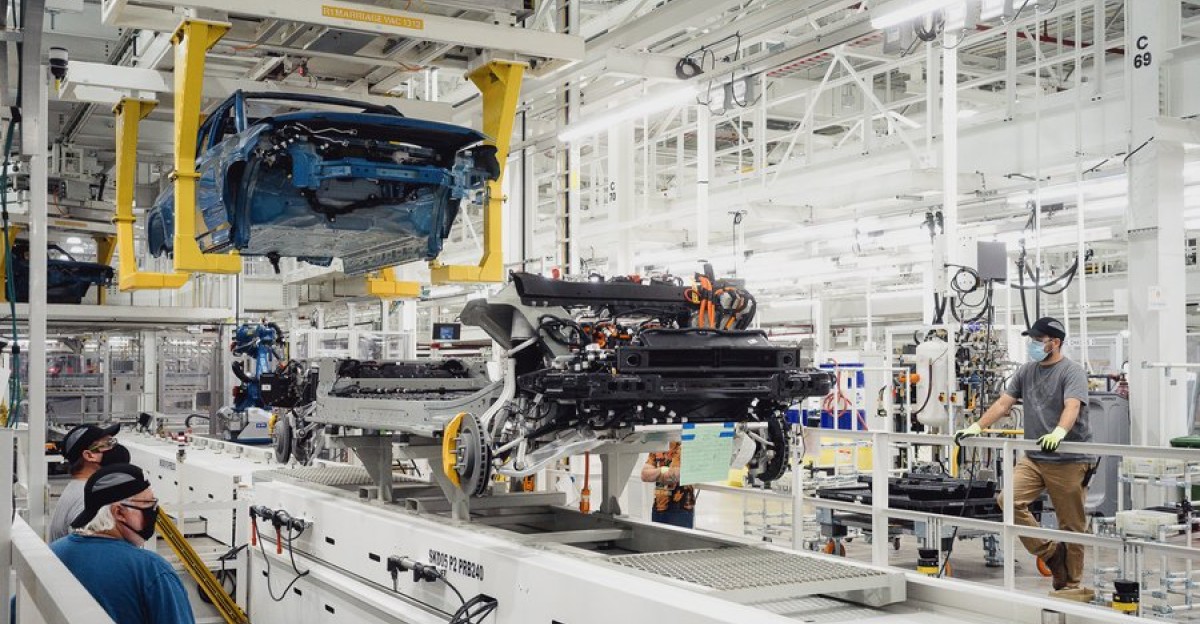
If automaker EV targets keep slipping, more supplier layoffs and delayed plant expansions follow. The workers hit first are temp staff and subcontractors who never made the original press release. SK and companies like it will try to re-phase production, seek new customers, or retool lines to match actual demand. But retooling takes capital and time that laid-off workers don’t have. The gap between “plans cooling” and “plans recovering” is measured in missed rent payments, not quarterly earnings calls.
Suppliers Eat the Forecast Errors First
Here is what most people still don’t understand: an “EV slowdown” is not an abstraction about consumer preferences. It is a utilization shortfall that turns into layoffs before a single car gets canceled. Suppliers eat the forecast errors first. By the time the headline reaches your town, the damage is already done. SK’s Georgia plant just proved the mechanism. The question every battery-town worker should be asking is whether their plant’s order book matches reality, or just matches last year’s press conference.
Sources:
“SK lays off nearly 1,000 workers at Georgia plant amid cooling automaker EV plans.” CBS News Atlanta, 5 Mar 2026.
“South Korean battery maker SK On lays off 958 US employees.” Reuters, 7 Mar 2026.
“SK Battery America Inc. lays off 958 workers at Georgia plant.” Associated Press, 6 Mar 2026.
“South Korean EV battery maker SK lays off 958 workers in Georgia.” Los Angeles Times, 8 Mar 2026.