Michigan Committed $1B To EV Projects That Haven’t Delivered Promised Jobs Yet
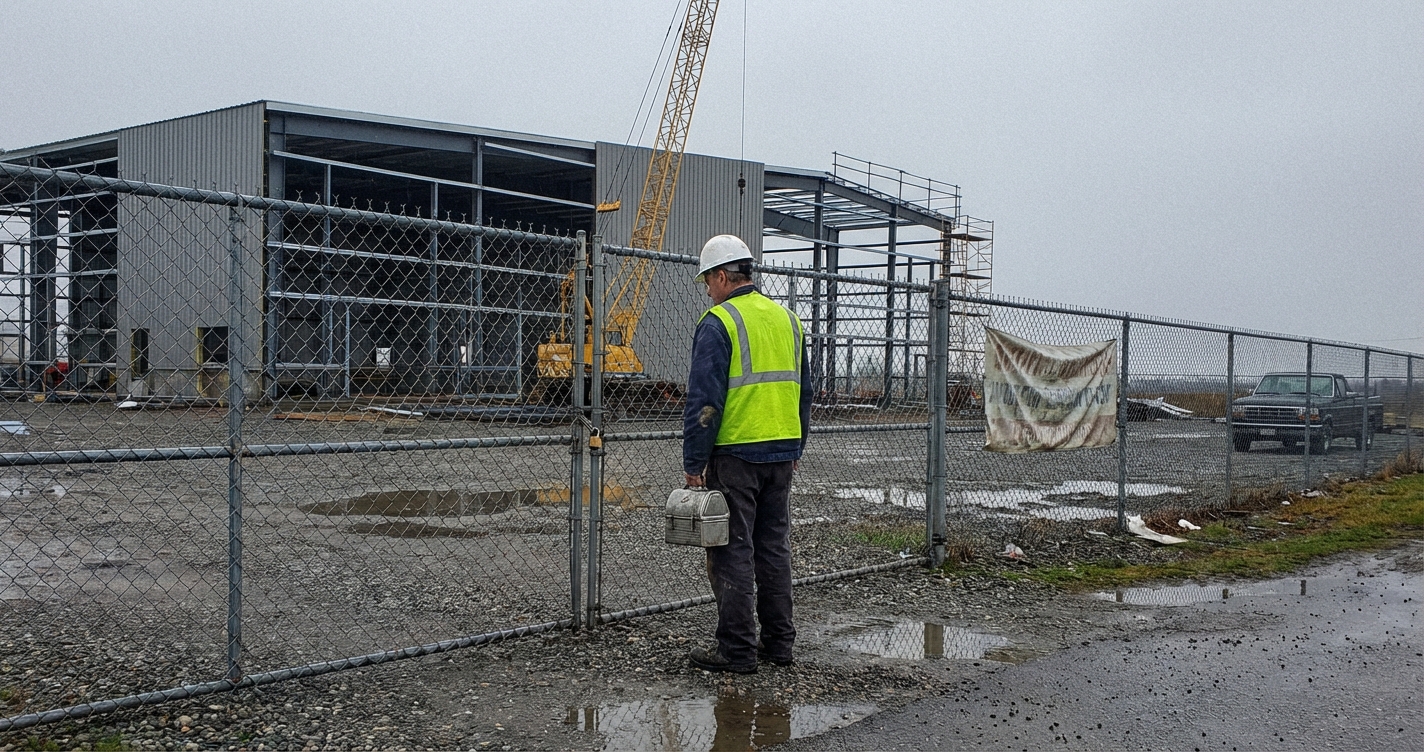
Somewhere in Michigan, the ground where electric vehicle battery lines were supposed to hum sits quiet. No shifts changing. No parking lots full at 6 a.m. The state wrote roughly $1 billion in incentive checks through its SOAR program, a megadeal tool created by legislation signed in December 2021, designed to land the kind of factories that reshape entire zip codes. Ford, GM, Gotion, and Our Next Energy all got deals. Governor Whitmer’s office announced each one with fanfare. The fanfare echoed. The factories didn’t follow.
Every State Wanted the Same Thing
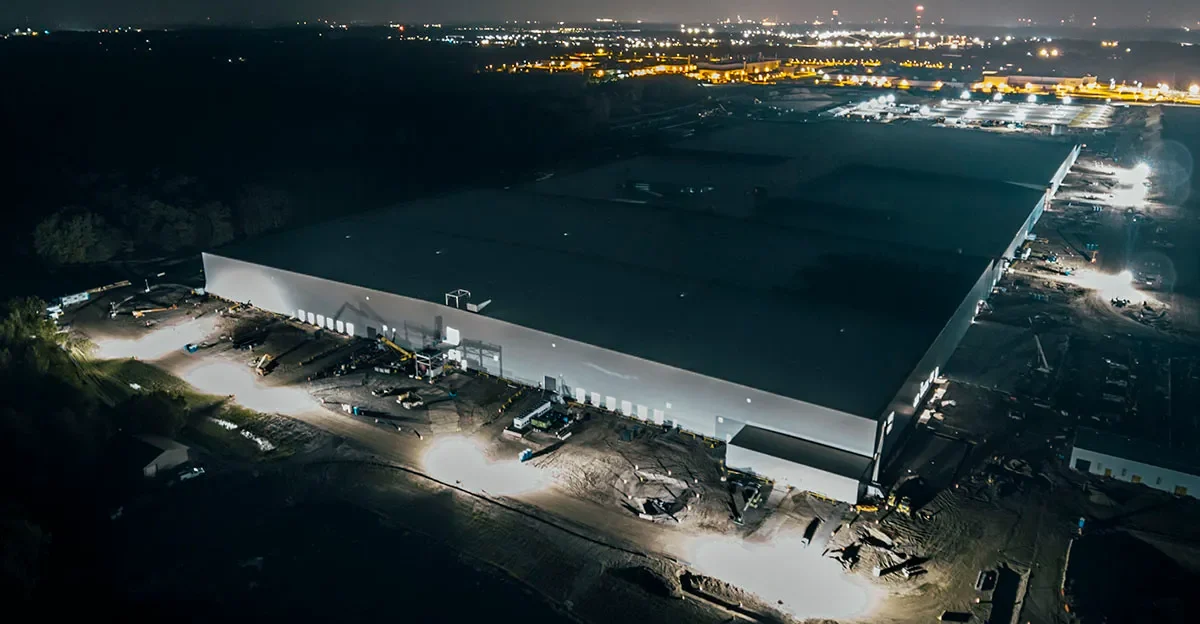
Michigan didn’t invent this game. After 2021, states across the country started throwing billions at manufacturers, each trying to outbid the next for EV and battery plants. SOAR institutionalized that arms race into law, giving Michigan a repeatable statutory mechanism to pre-commit public money to megadeals. The logic was straightforward: spend big now, lock in decades of employment and tax revenue later. Every governor in America was making the same pitch. Michigan just bet heavier than most, and the scoreboard for that bet remains painfully blank.
When Announcements Feel Like Guarantees
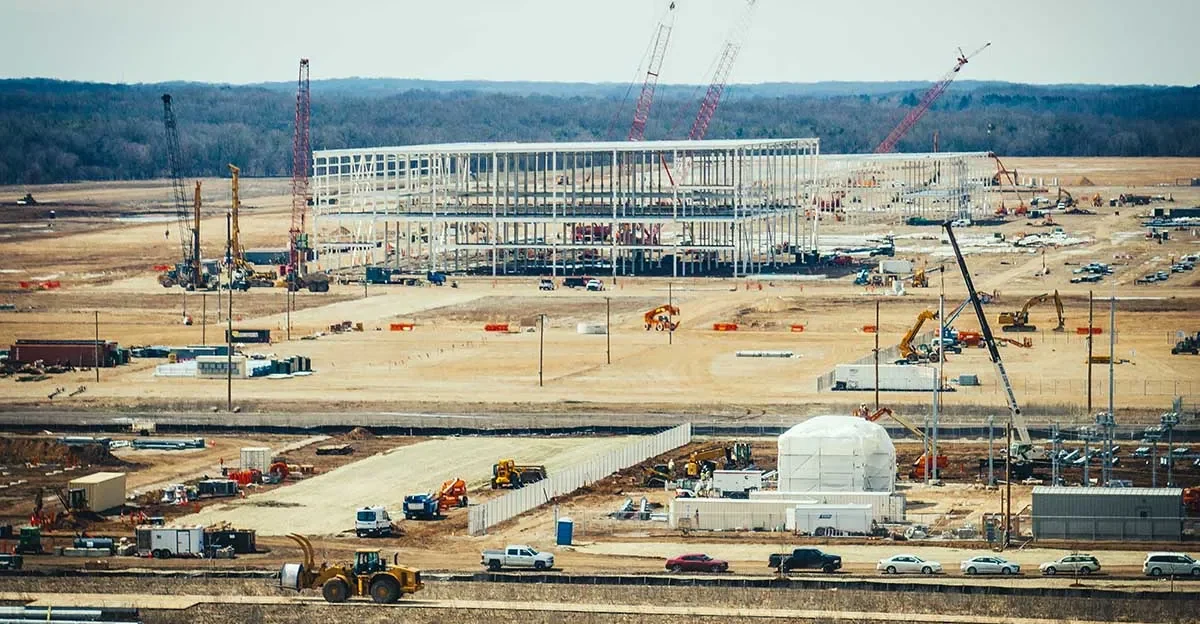
Most people figured the announcements meant the deals were basically done. Governor signs a press release, automaker shakes hands, community starts planning around the hiring. That assumption is the myth this story destroys. Incentives don’t guarantee jobs. They guarantee exposure. Michigan committed the money through SOAR, but the projects depend on corporate follow-through and federal subsidy rules that keep shifting underneath them. Reporting on the pipeline paints the picture as bleak, though not necessarily finished. That gap between bleak and finished is where a billion taxpayer dollars currently lives.
Three Bets Stacked on Top of Each Other
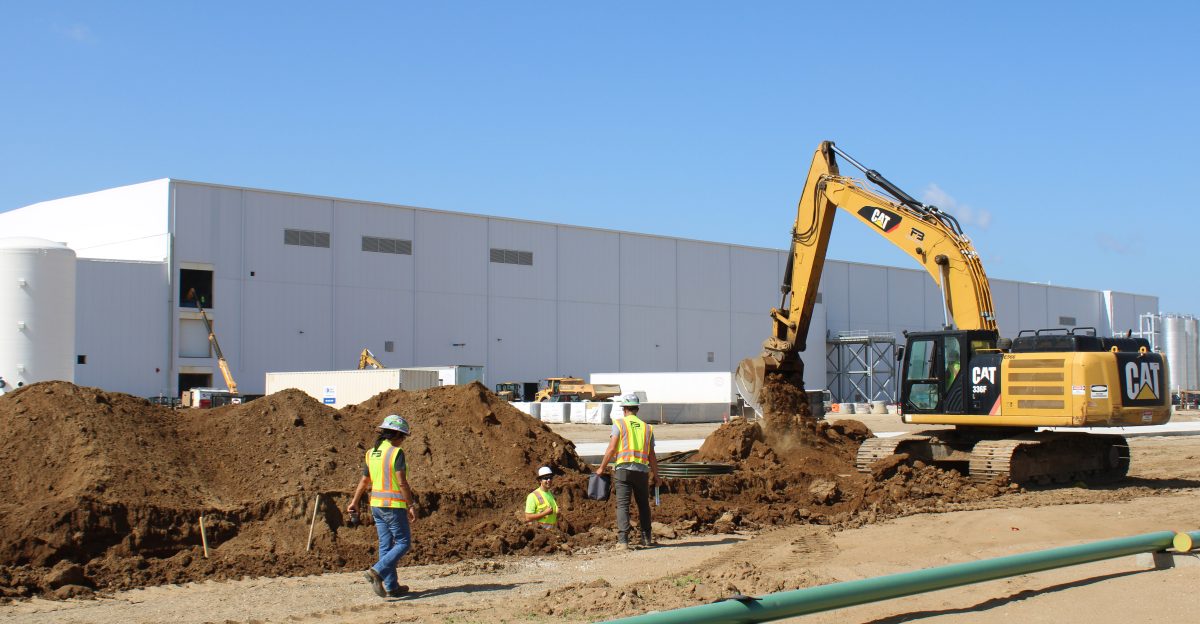
The real story is structural. Michigan’s $1 billion isn’t one bet. It’s three bets stacked on top of each other: state incentives committed, corporate partners who must actually build, and federal policy through the Inflation Reduction Act that determines whether the math even works. Pull any layer and the whole thing collapses. The IRA rewired EV supply-chain economics nationwide, making factory siting a federal-state co-produced outcome. Michigan wrote its check. Washington decides whether that check buys anything. One billion dollars. Three dependencies. Zero guaranteed outcomes.
The Federal Hand on the Switch
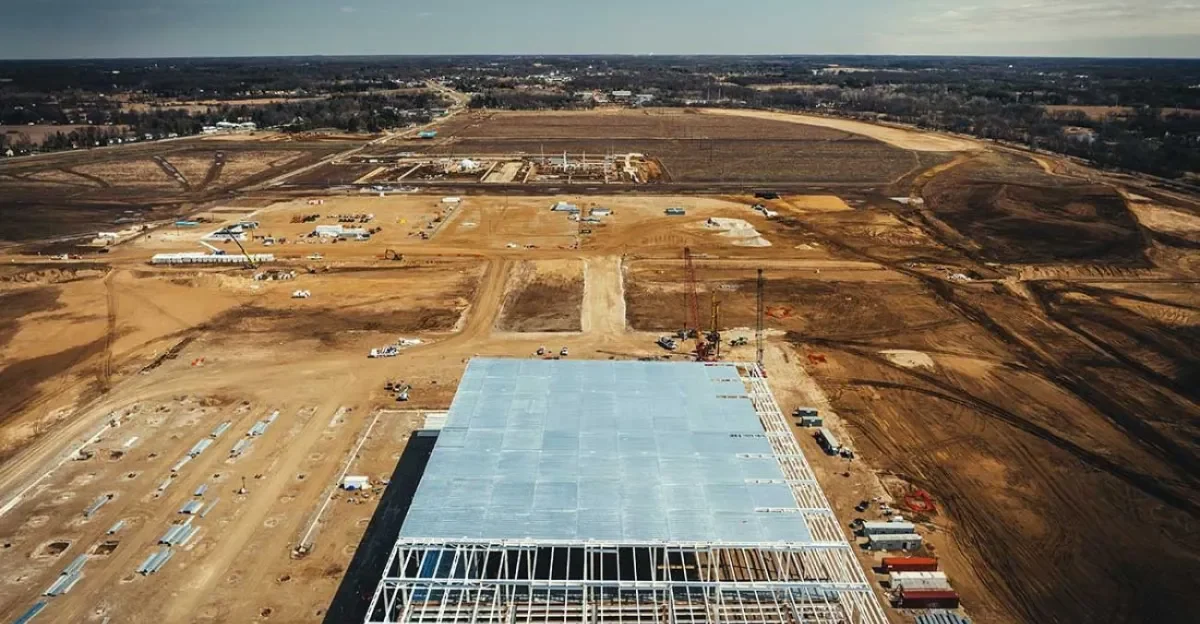
The Department of Energy’s Loan Programs Office holds the tool that can de-risk these projects or let them die. Federal financing changes whether a factory pencils out on a spreadsheet or stays a rendering on a press release. Companies courting Michigan’s SOAR money are simultaneously chasing federal tax credits and loan guarantees, because the state incentive alone doesn’t close the gap. That means Michigan taxpayers are exposed to decisions made in offices they didn’t vote for, by officials they can’t recall. The state bet local. The payoff is federal.
A Billion Dollars and Almost Nothing To Show
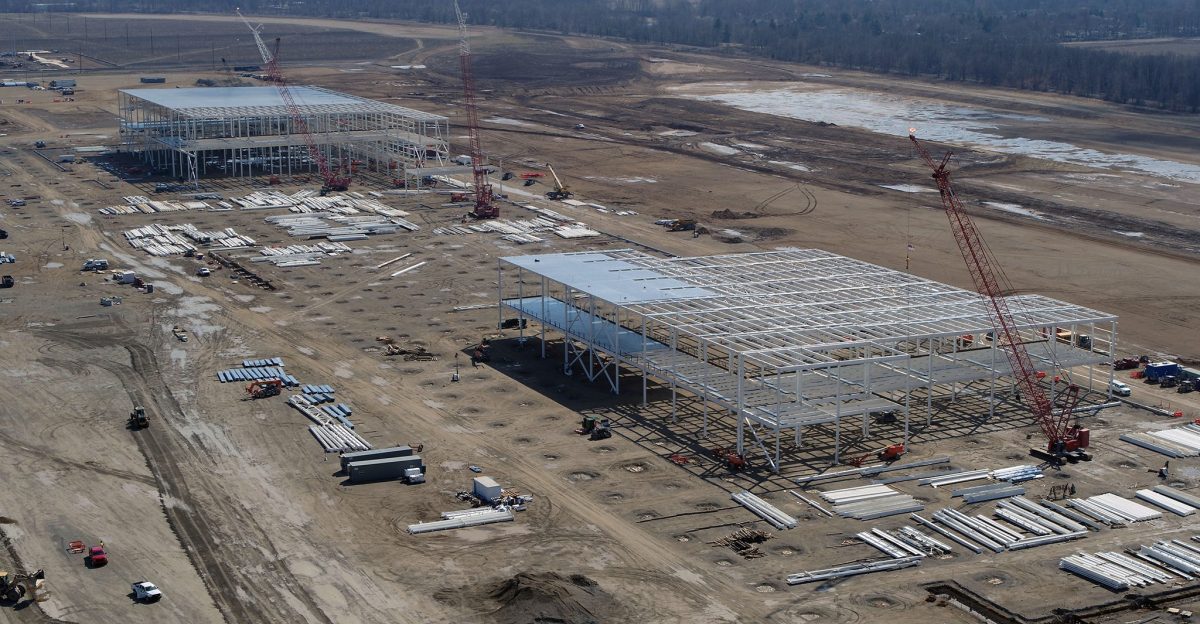
For taxpayers, the math is brutal in its simplicity. Roughly $1 billion committed. Jobs delivered from these incentive-backed projects to date: approximately 200, against more than 11,000 promised. Communities that planned around promised hiring and infrastructure are still waiting. Supplier timelines slipped. Construction schedules drifted. The money moved. The employment barely did. That disproportion between public commitment and tangible payoff is the entire tension of this story, and reporting on the ledger makes clear it remains unbalanced heading into a window that’s narrowing fast.
What Other States Are Learning
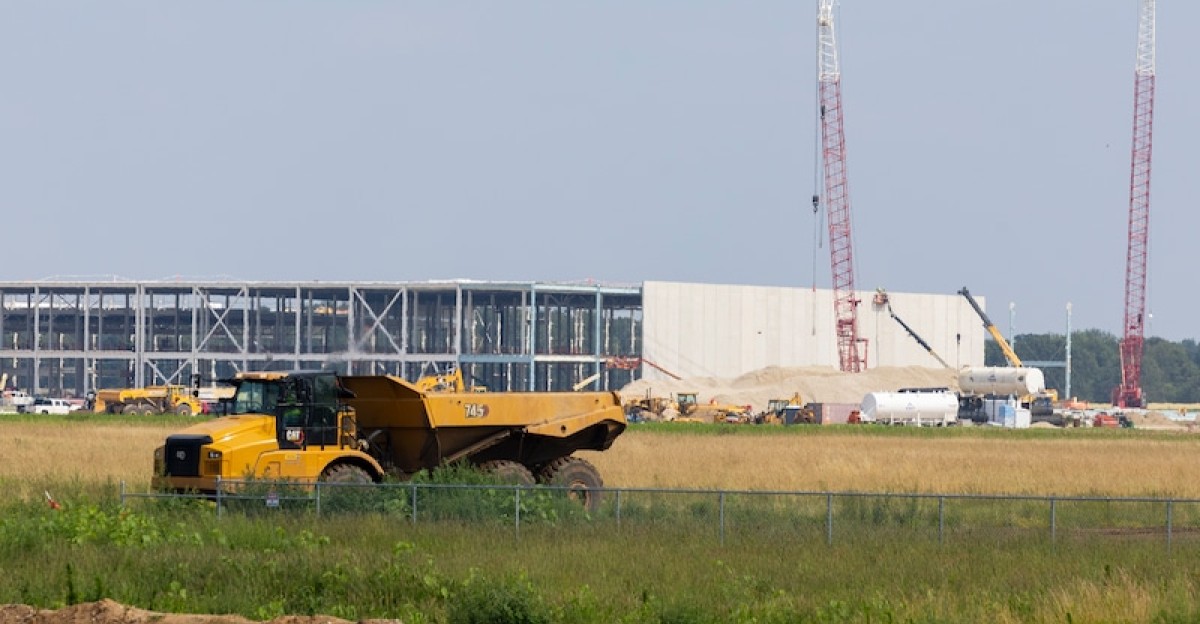
The damage extends beyond Michigan’s borders. Other states watching this unfold are recalibrating their own EV incentive offers based on what Michigan’s experience suggests about the risk. If the nation’s historic auto capital can’t convert a billion dollars in incentives into operating factories, smaller states have reason to flinch. Locally, communities built expectations around jobs that haven’t arrived. Contracts face increasing scrutiny over milestones and clawback enforcement. The political patience that made SOAR possible is a finite resource, and every stalled quarter drains it faster.
The Template Nobody Talks About
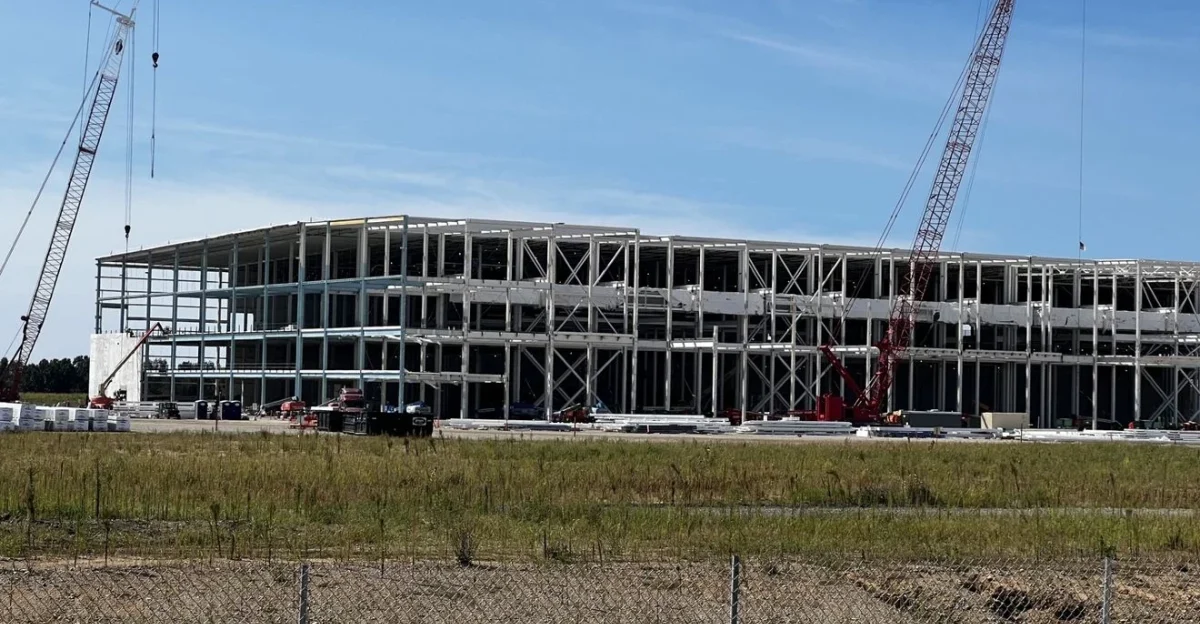
SOAR didn’t just fund these deals. It normalized them. By writing large, repeatable subsidy commitments into state law, Michigan created a template other states can copy, for better or worse. That’s the precedent nobody is discussing. But the template itself is now under threat: Michigan legislators moved in 2025 to kill the program, and Senate bills proposed slashing its funding. This isn’t an exception. Once you see it, the pattern is clear: Michigan isn’t really betting on electric vehicles. It’s betting it can stay inside Washington’s incentive window long enough for corporate partners to show up. Every future megadeal in America now carries this same stacked-dependency risk baked into its DNA.
Running Out of Room
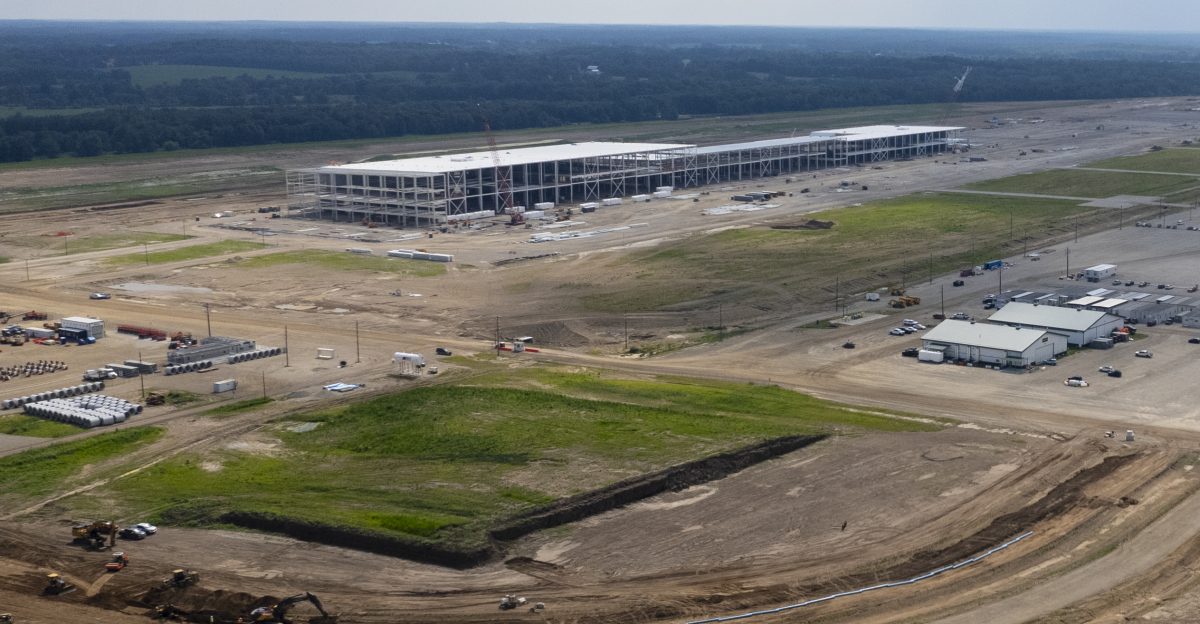
The escalation path runs in one direction. Political backlash over stalled projects leads to tighter incentive terms, which leads to fewer bids, which leads to slower dealmaking. Michigan’s pipeline isn’t dead, but the window for reversal depends on federal policy alignment and corporate execution happening before voters decide the experiment failed. Companies know this. Their counter move is already underway: seeking more federal support through tax credits and DOE loans to stabilize projects the state money alone couldn’t launch. The rescue plan requires Washington to save a bet Lansing already placed.
What the Press Releases Never Say
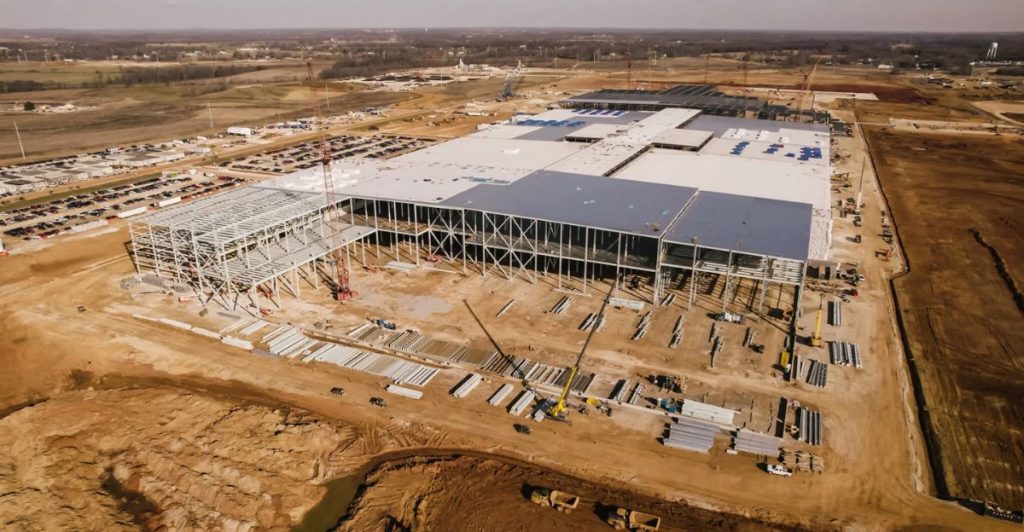
Here’s what most people miss about this story. Every state incentive announcement gets covered like a done deal. Handshake photo, job number, ribbon-cutting date. The truth is that incentives are contingent bets exposed to demand shifts and federal rule changes, and the promised payoff can evaporate while the taxpayer commitment stays locked in. Michigan’s billion-dollar EV wager taught that lesson at scale. Of the original four deals, Gotion’s was terminated by the state in October 2025 after the company was declared in default, and GM’s Ultium stake was transferred to LG Energy Solution in early 2025. The factories Ford and Our Next Energy promised still could arrive. But the person who understands this story knows that “committed” and “delivered” are separated by three layers of risk nobody put on the press release.
Sources:
“Governor Whitmer Signs Legislation Enabling Michigan to Attract and Retain Good-Paying Jobs.” Office of Governor Gretchen Whitmer, 20 Dec 2021.
“Michigan has spent $1B on EV, battery plants. So far, they’ve created 200 jobs.” Bridge Michigan, Jun 2024.
“Michigan terminates controversial EV battery plant and seeks to claw back millions in incentives.” Associated Press, 23 Oct 2025.
“Michigan approves incentives transfer after GM exits EV battery plant.” Crain’s Detroit Business / Automotive News (via Yahoo Finance), 25 Mar 2025.