Gas Prices Spike And American Car Shoppers Flee To EVs
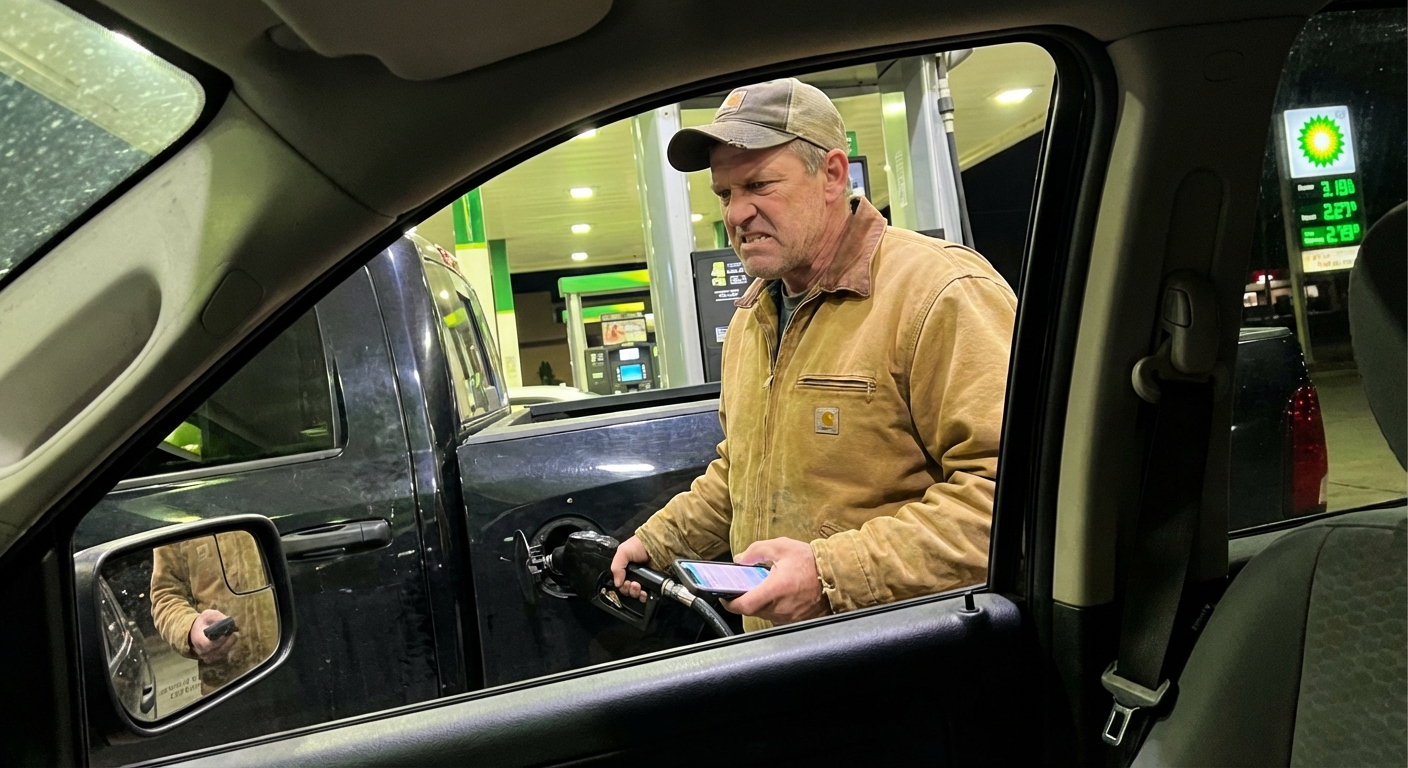
You’re mid-lease, 18 months out from your next car decision, and gas just jumped 43 cents in a single week. Not gradually — overnight. The national average cracked $3.54 on March 10, California blew past $5.29, and your monthly fuel budget quietly became a moving target.
Edmunds’ real-time shopping data caught something the moment prices spiked: Americans didn’t call their mechanic, they started shopping for a completely different kind of car — and the powertrain most of them are actually clicking on isn’t what the EV headlines would have you believe.
Clicks Don’t Lie — And They Moved Fast
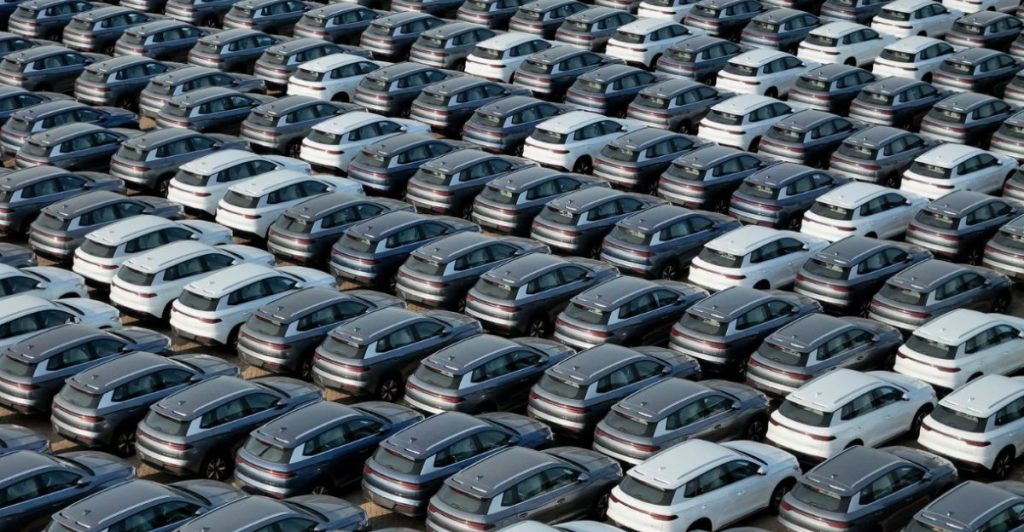
Edmunds tracks what shoppers actually research, not what they tell a pollster. The week gas spiked, electrified vehicle consideration, hybrids, plug-in hybrids, and full EVs combined jumped to 22.4% of all vehicle research on the platform, up from 20.7% the week before. The biggest single-week mover was full battery electrics, which saw the largest gain among all electrified powertrains.
That’s the tell: when the pump hurts, shoppers don’t browse out of curiosity. They browse with intent. The question is whether that intent survives the sticker shock waiting on the next slide.
We’ve Seen This Movie Before
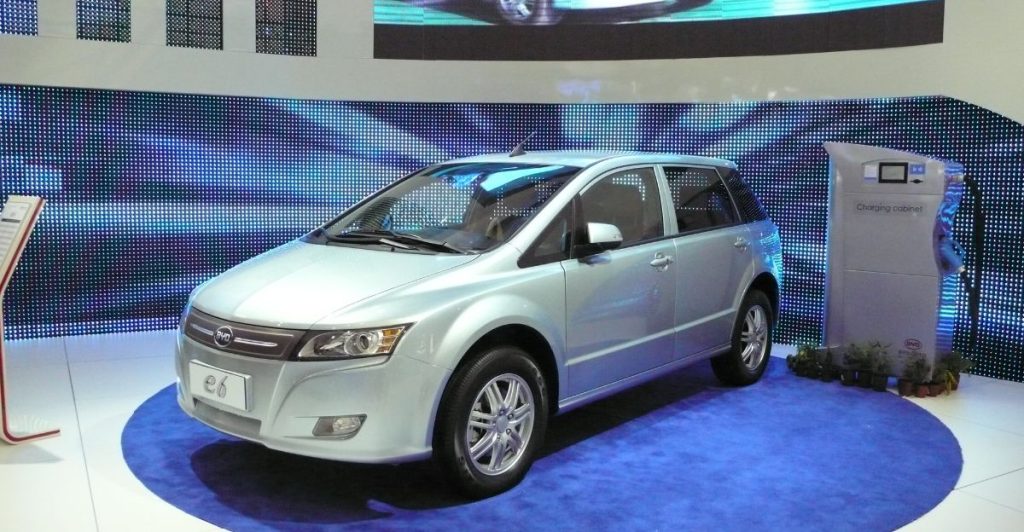
This isn’t the first time a crisis sent Americans sprinting to EV search pages. When Russia invaded Ukraine in early 2022, and gas climbed toward $5, Edmunds recorded electrified vehicle consideration jumping from 17.5% in February to 25.1% in March, an 84% lift from the same week in February, according to Edmunds’ own data.
EV market share climbed steadily throughout 2022 as prices stayed elevated through Q3, rising from 4.1% in January to 6.2% by December. The 2026 data is one week old, same fingerprints, same trigger. Whether it holds depends entirely on how long the pain at the pump lasts.
The Cruel Math Nobody Wants to Do
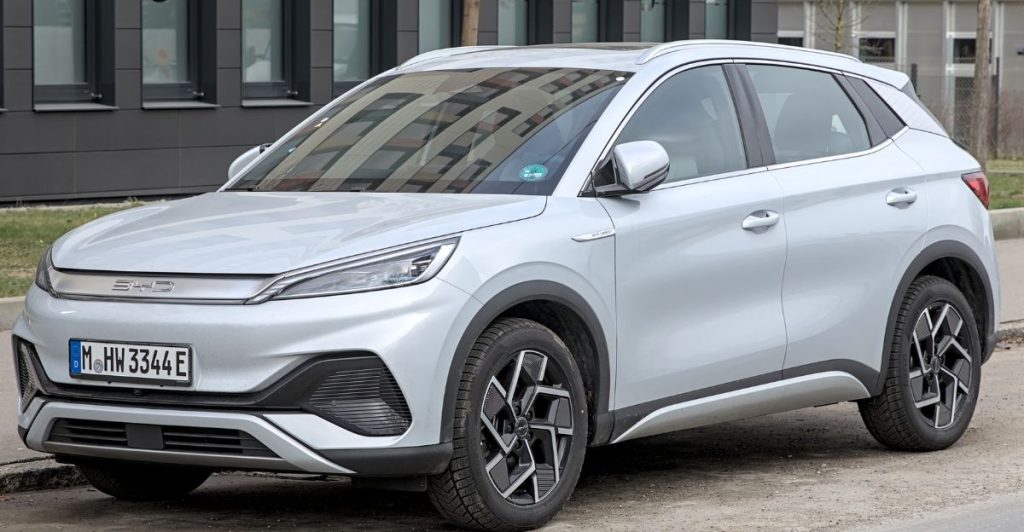
Here’s where the escape gets complicated. The average new-vehicle transaction price reached $48,766 in February 2026. The average new car loan is running at 7.0% APR, up from 4.4% just four years ago, pushing average monthly payments from $656 to $775 over the same period. More than one in five new car buyers is now on a payment of $1,000 or more a month, a record high.
Edmunds put it directly, trying to offset higher fuel costs with a new vehicle purchase can quickly turn a $5 gas problem into a nearly $50,000 decision. The pump created the anxiety. The dealership is where it gets real.
Hybrids: The Escape Hatch Nobody’s Talking About
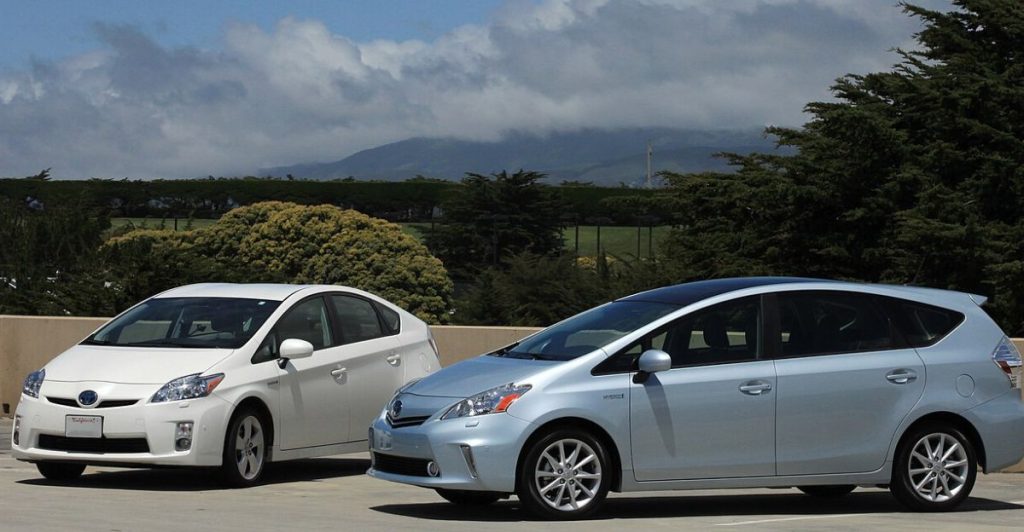
Full EVs grab the headlines, but the hybrid is quietly doing the heavy lifting. When charging infrastructure still makes buyers nervous and range anxiety is a real commute concern, a hybrid delivers the fuel savings without the gamble. The average new EV stickered at $55,300 in February, more than $6,500 above the average new vehicle transaction price.
With hybrid and plug-in hybrid options sitting well below that EV price point, the math starts looking different fast. During the 2022 gas spike, 38% of shoppers said they wouldn’t go fully electric but would consider a hybrid or plug-in hybrid, the single largest segment of fence-sitters.
California Is What’s Coming
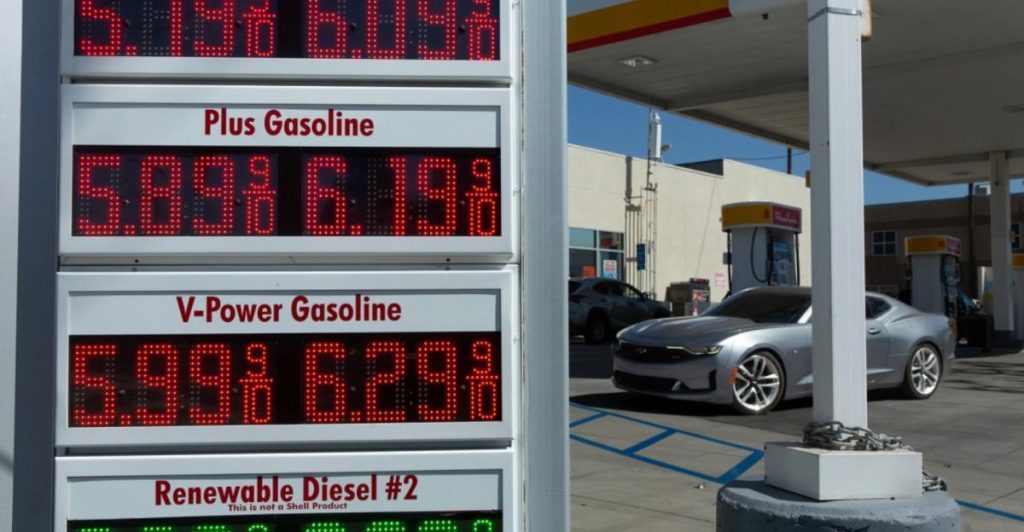
Want to see where the rest of the country might be in six weeks? Look at California. At $5.29 a gallon and still climbing, the state is already living the worst-case scenario. The Strait of Hormuz closure, which cut off roughly 20% of global oil supply, hit California refiners hardest because of the state’s heavy dependence on imported Middle Eastern crude and its limited pipeline connections to cheaper domestic supply.
Energy economist Philip Verleger warned that California could face significantly higher prices if the conflict extends into the peak summer demand season. California is the preview. The rest of the country is watching the trailer.
The Tax Credit Nobody Told You Expired
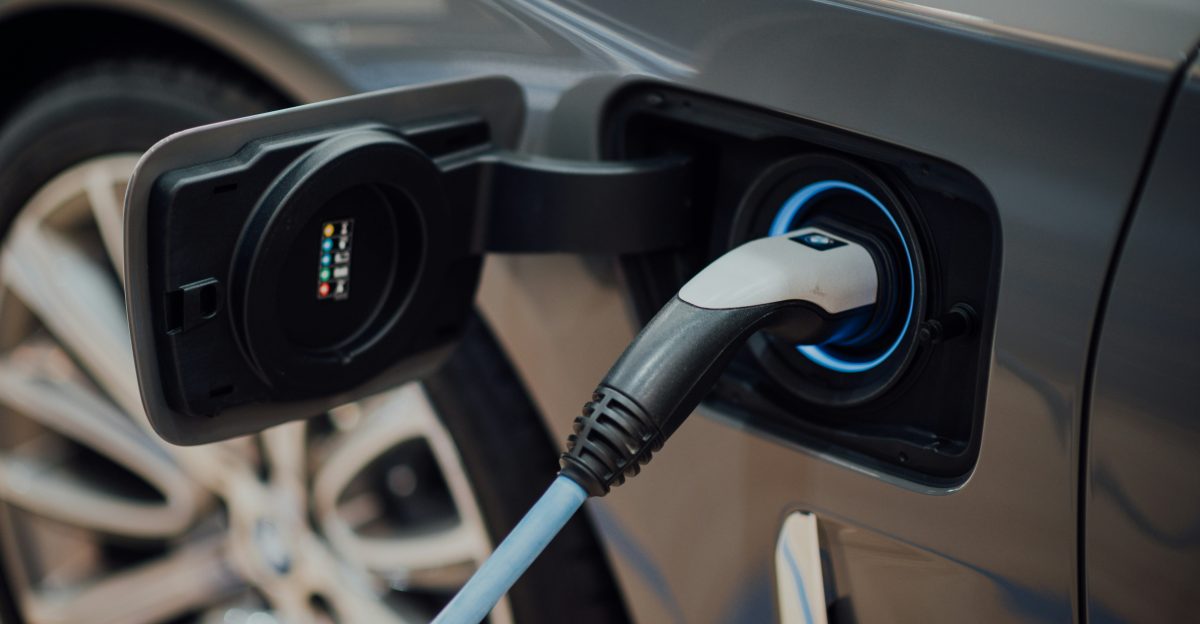
What many shoppers browsing EVs right now don’t know is that the $7,500 federal point-of-sale EV tax credit is gone. Congress ended it on September 30, 2025, and new EV sales fell 36% year-over-year in Q4 2025, almost immediately after. What replaced it is a loan interest deduction of up to $10,000 annually under the One Big Beautiful Bill Act — a fundamentally different structure that lowers taxable income rather than cutting the price at the dealership.
This applies only to U.S.-assembled vehicles and phases out above $100,000 in income for single filers. A Ford Mustang Mach-E assembled in Mexico doesn’t qualify. A Tesla Model 3 built in Fremont does. The sticker didn’t change. The deal underneath it did.
300,000 Used EVs Are About to Hit the Lot
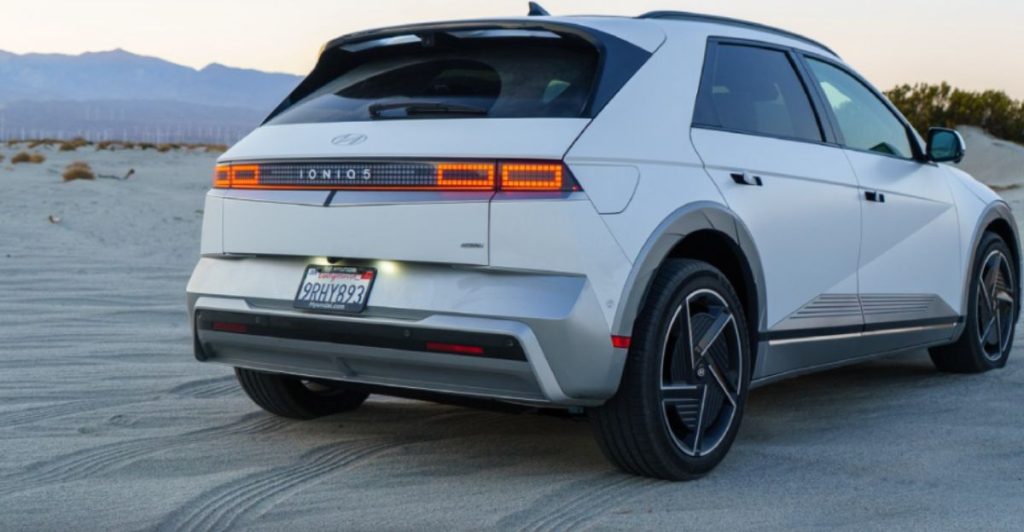
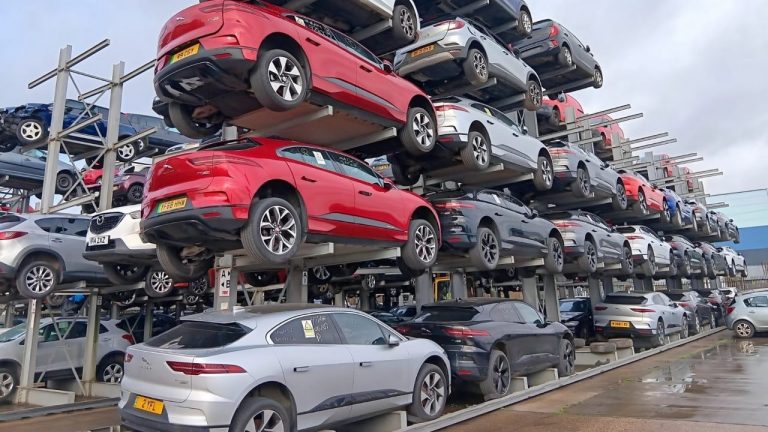
The smartest play in this market might not involve a new car at all. More than 300,000 electric vehicles are expected to come off lease in 2026, a surge of more than 200% from the 123,000 units returned in 2025, as three-year contracts signed during the EV leasing boom of 2022 and 2023 mature all at once.
Those vehicles are landing in a buyer’s market. As of January, 56% of used EV inventory is priced under $30,000, and 55% of that inventory is model-year 2023 or newer. For the buyer getting squeezed at the pump, this is the window.
The Ideology Story Was Always Wrong
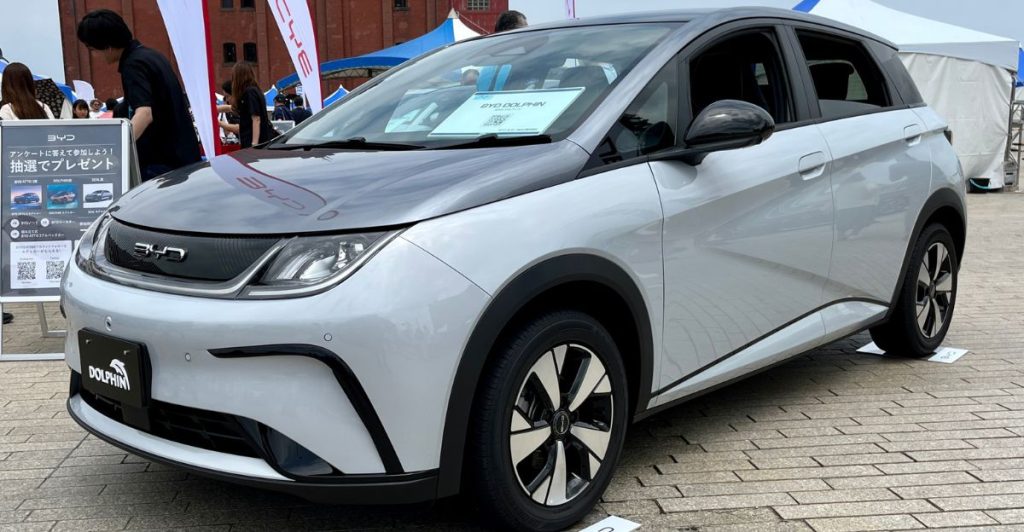
The debate about EVs gets framed as political. The shopping data says otherwise. Edmunds’ survey during the 2022 gas spike found that among shoppers who said they’d consider an EV, gas prices ranked as the single most important factor at 31%, edging out environmental sustainability at 29%. “After what has felt like an eon of speculation and empty promises when it comes to EV adoption, we seem to have finally arrived at a moment when consumers are actually educating themselves on electrified vehicles,” said Jessica Caldwell, Edmunds’ executive director of insights.
Caldwell noted that gas prices were “a major contributor to this shift.” People aren’t clicking EV pages because of what they believe. They’re clicking because they’re staring at a pump they no longer recognize.
What the Pump Decides Next
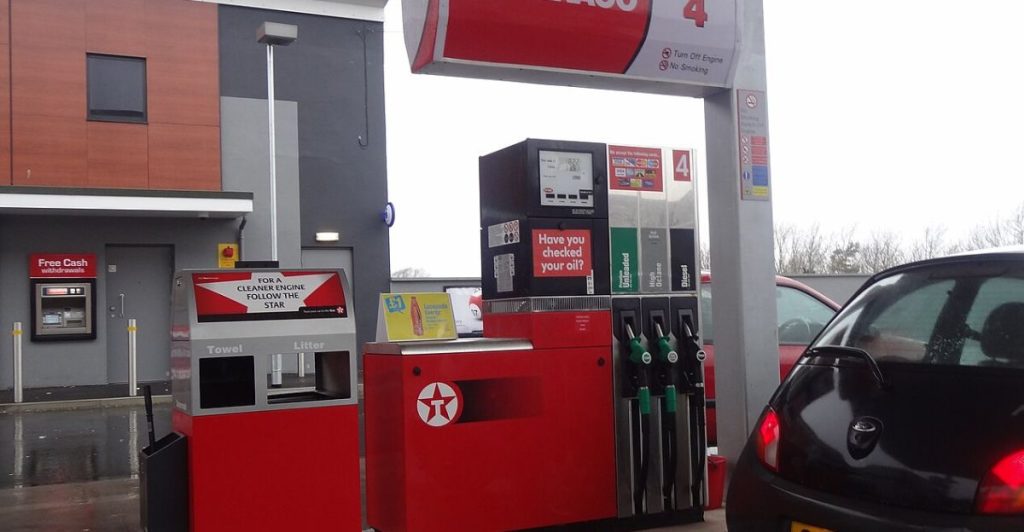
Whether this becomes a real market shift or a one-week blip depends on duration. Edmunds was direct: if drivers view higher gas prices as temporary, many will simply absorb the added expense rather than take on the financial commitment of replacing their vehicle. The Strait of Hormuz isn’t a weather event with a forecast; the Iran conflict has no obvious off-ramp; spring demand season is arriving; and the wave of affordable off-lease EVs will be stacking up on dealer lots regardless of what crude does.
The shoppers who move now, while inventory is deep and used prices are soft, won’t be waiting to see how high the sign gets. The ones who wait might not like the answer.
Sources
Edmunds — Car Shoppers Paying More Attention to EVs as Gas Prices Rise (edmunds.com)
Edmunds — Green Car Consideration & Car Shopper Survey Results in Response to Elevated Gas Prices (edmunds.com)
AAA — Rising Pump Prices, Higher Gas Demand as Spring Break Begins (gasprices.aaa.com)
AInvest — Used EV Market Faces Price War as 300,000 Leases Flood Inventory (ainvest.com)
Clean Energy CU — Does the 2026 Tax Deduction for American-Made Vehicles Apply to EVs? (cleanenergycu.org)
Axios — Oil, Gas Prices Spike as Iran War Thrusts Strait of Hormuz Into Focus (axios.com)