8 Affordable Cars That Reach 60 MPH Faster Than Some Much More Expensive Models
Performance no longer demands a six-figure price tag. A new wave of affordable cars delivers acceleration that rivals and sometimes beats luxury models costing tens of thousands more. Car and Driver’s instrumented testing shows everyday sedans, hot hatches, and electric crossovers hitting 60 mph faster than German sport sedans and iconic sports cars in the $50,000-to-$70,000 range. Modern turbocharged engines, dual-motor electric drivetrains, and smart engineering give straight-line speed without the premium badge markup. These cars are rewriting what buyers expect from price and performance. Let’s take a look at the fastest affordable models.
What 0-60 Times Really Reveal
Understanding 0-60 mph acceleration requires context. This metric is influenced by tire choice, test surface, launch technique, and atmospheric conditions. Edmunds notes that rollout allowances and temperature can shift published times by tenths of a second between outlets. Car and Driver adjusted its testing in 2019 to include rollout, improving many results by about 0.3 seconds. Cross-shopping cars using only 0-60 data can mislead buyers unless tests match. Still, when an affordable car equals or beats a luxury rival under the same conditions, the value proposition is undeniable, signaling a shift in performance accessibility.
#8 – Cadillac CT4 2.7T
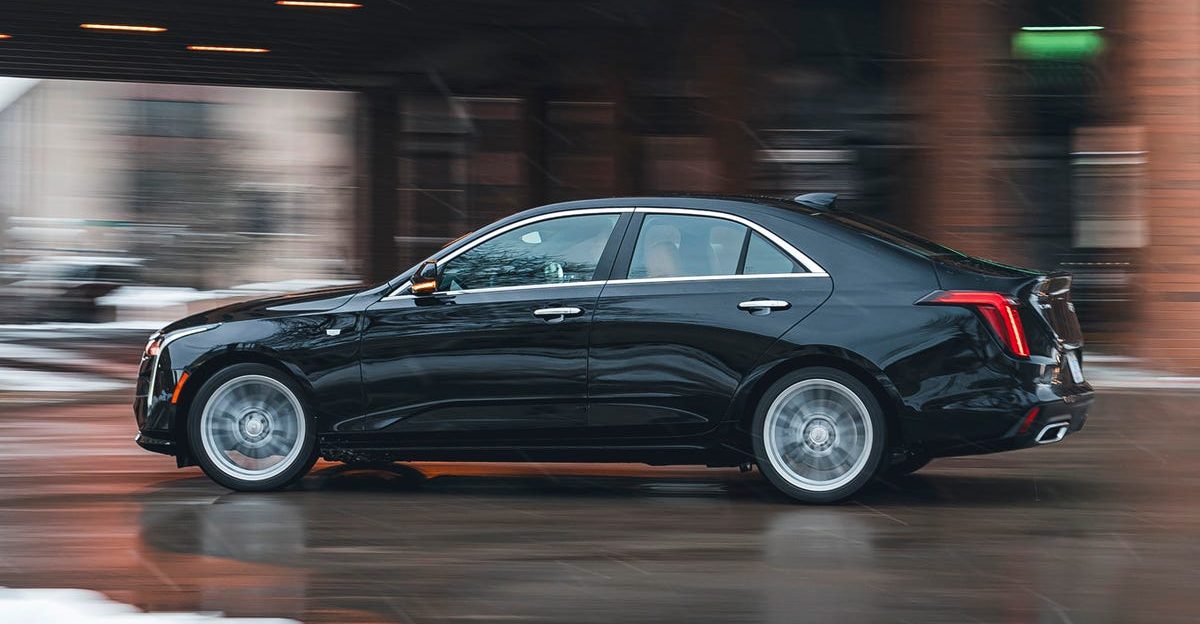
Cadillac’s compact CT4 Premium Luxury does not scream performance, yet its 2.7-liter turbocharged four-cylinder accelerates to 60 mph in about 4.8 seconds. That beats the BMW 330i and Mercedes-Benz C300 4Matic, both mid-$40,000 cars, which run closer to 5.3–5.6 seconds. The CT4 delivers V6-level performance in a four-cylinder package, complemented by sharp handling and an upscale cabin. Production ends in June 2026, so this quick American sedan won’t be available much longer. Its mix of speed, refinement, and price makes it a rare find that challenges assumptions about entry-level luxury sedans.
#7 – Kia K5 GT
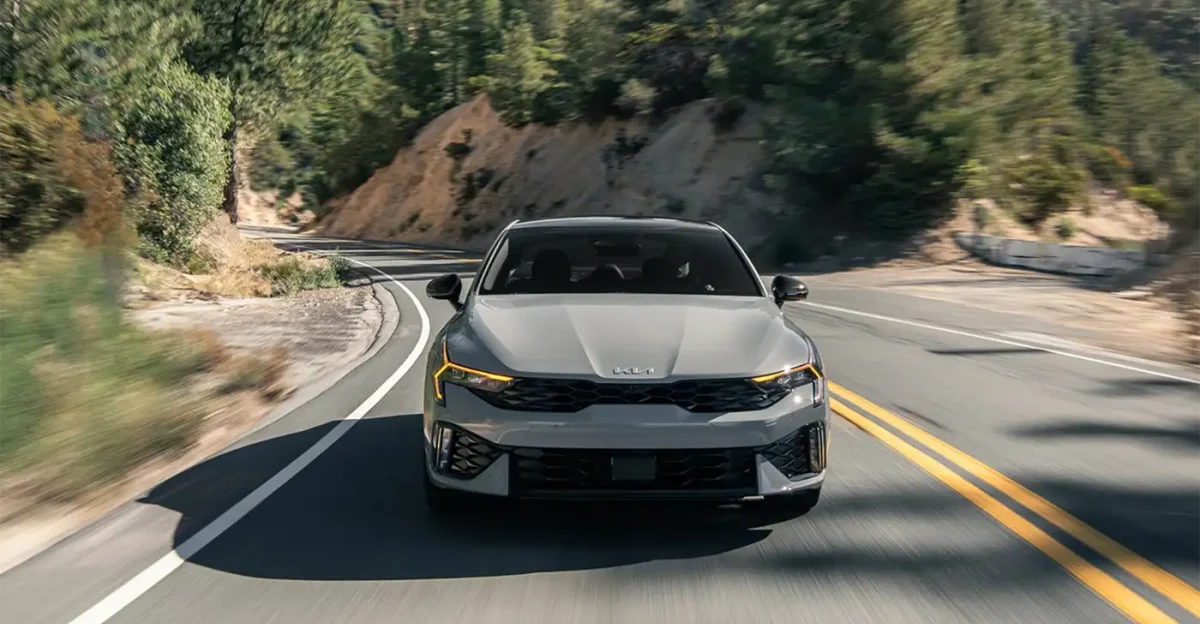
The K5 GT starts around $34,800 and reaches 60 mph in about 5.4 seconds, edging out entry‑luxury competitors like the BMW 330i and Mercedes C300. A 290-horsepower turbocharged 2.5-liter four-cylinder engine, front-wheel drive, and an eight-speed dual-clutch transmission fuel its performance. While German sedans offer prestige, the K5 GT delivers similar straight-line speed for about $10,000 less. Standard features often cost extra on rivals, giving the K5 more value per dollar. Its aggressive styling, balanced handling, and price make it an attractive choice for drivers focused on measurable performance rather than badge appeal.
#6 – Hyundai Ioniq 5 SE AWD
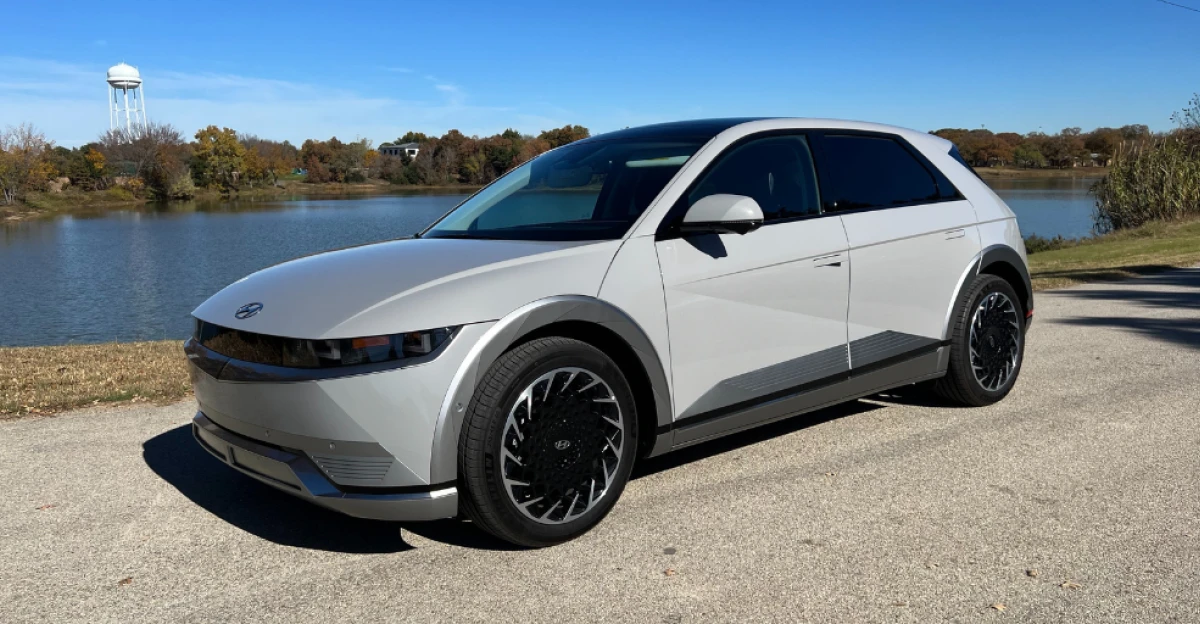
The dual-motor Hyundai Ioniq 5 SE AWD sprints to 60 mph in about 4.5 seconds seconds, faster than a base Porsche Macan, which posts a 5.0-second run from $67,650. The Ioniq 5 costs about about $50,000, creating a compelling performance-per-dollar ratio. Instant electric torque allows unmatched launch authority among gas-powered crossovers. Beyond speed, the Ioniq 5 provides a spacious cabin, high-tech features, generous cargo space, and EV efficiency, lowering long-term costs. Its combination of technology, utility, and acceleration demonstrates that electric performance is no longer confined to premium price points.
#5 – Hyundai Elantra N With DCT
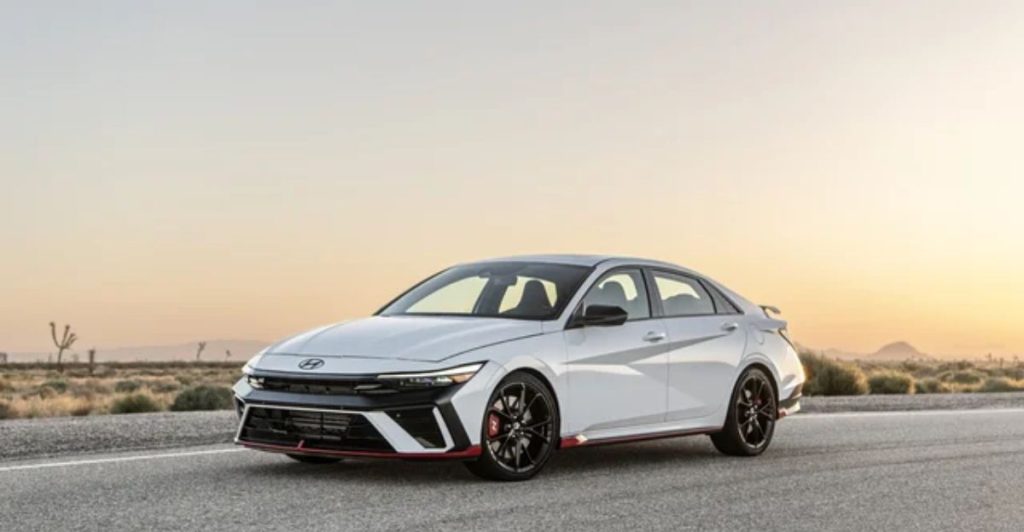
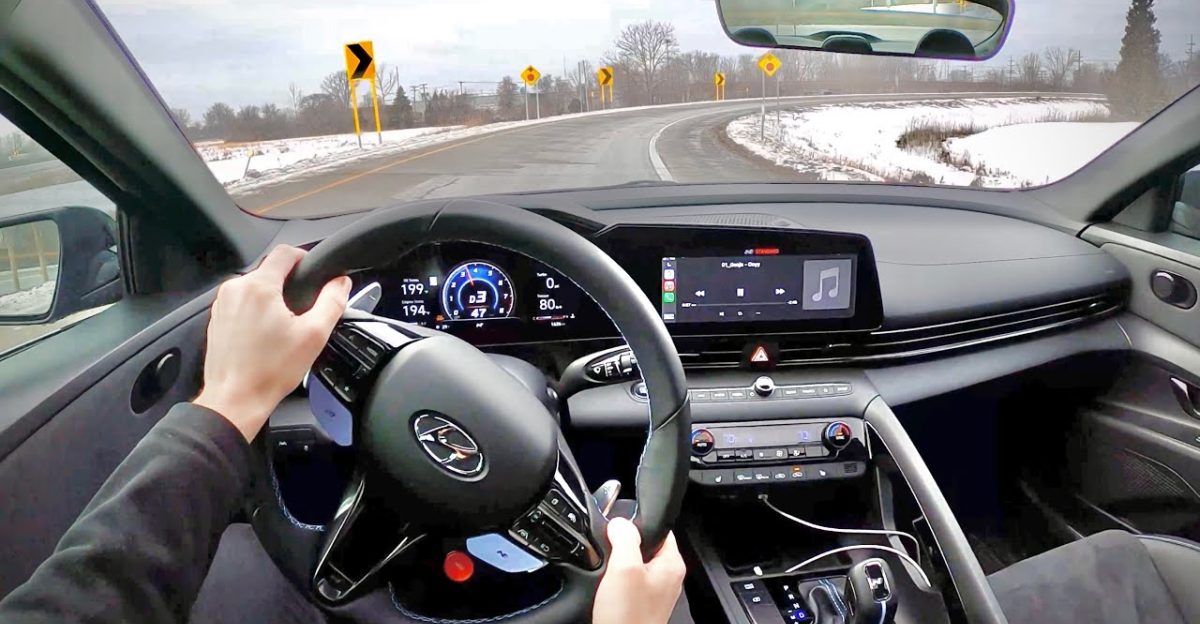
The Hyundai Elantra N DCT uses a turbocharged 2.0-liter four to produce 276 horsepower, hitting 60 mph in about 4.8–4.9 seconds. That matches the Cadillac CT5-V, which costs $56,995, while the Elantra N DCT runs about the mid‑$30,000s. Manual-transmission versions are slower, at just over 5 seconds, highlighting the dual-clutch advantage. Car and Driver confirmed these times in instrumented testing. The Elantra N DCT delivers aggressive styling, sport seats, and adaptive suspension at a fraction of a luxury sedan’s price. Its blend of track-ready features and affordable straight-line performance makes it a standout for enthusiasts on a budget.
#4 – Tesla Model 3 Premium AWD
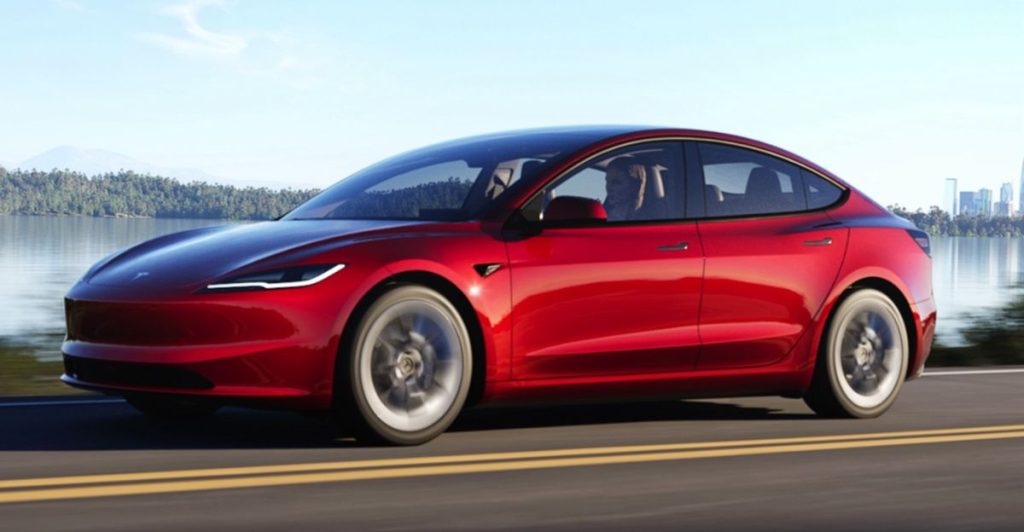
The Tesla Model 3 Premium AWD achieves 60 mph in about 4.2 seconds, costing roughly $49,130. Dual electric motors provide instant torque and all-wheel traction, producing launches that embarrass many gas-powered rivals. This performance rivals the Cadillac CT5-V’s 4.8-second run at a lower cost. Minimalist interiors, over-the-air updates, and low energy expenses add long-term value beyond speed. While independent instrumented testing is limited for this trim, Tesla’s published numbers closely reflect real-world performance. The Model 3 proves electric vehicles can deliver supercar-level acceleration in a mid-range package, challenging assumptions about price and technology.
#3 – Nissan Z Performance
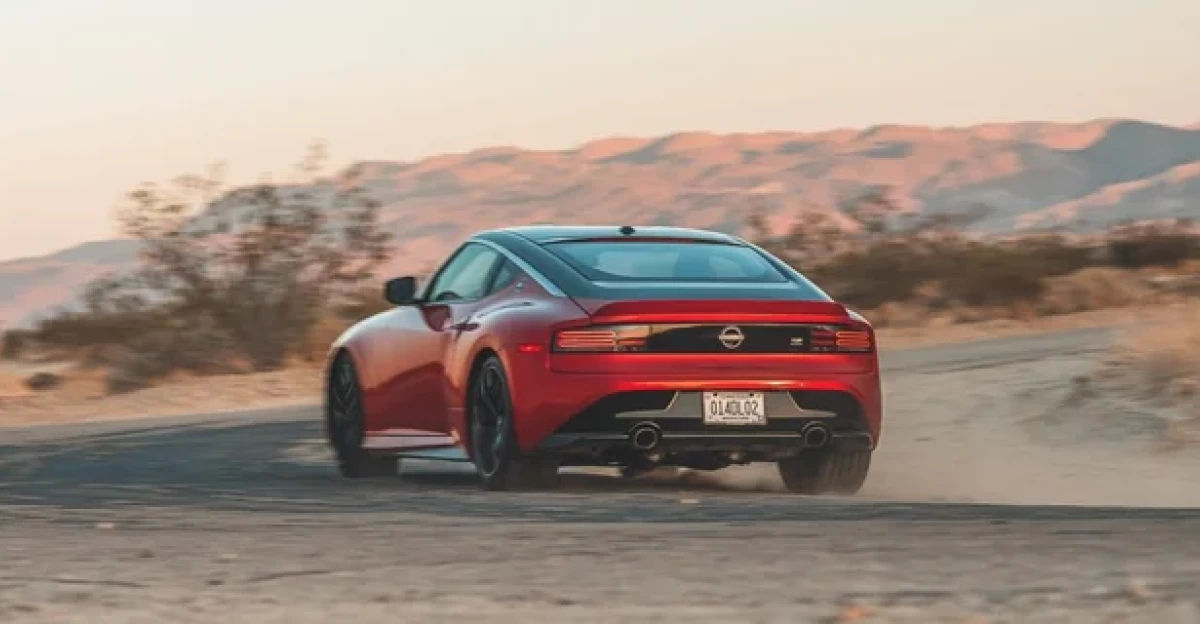
The base Nissan Z automatic achieves 60 mph in about 4.5 seconds, surpassing the Cadillac CT5-V’s 4.8-second run, while costing around $44,265. Its twin-turbo 3.0-liter V6 produces 400 horsepower with rear-wheel-drive handling and retro-modern styling. Manual variants are slightly slower while the NISMO trim hits around 3.9 seconds for roughly the mid-$60,000s. The Z delivers true sports-car excitement at a price where rivals compromise on practicality or acceleration. Its classic two-seat layout, sharp response, and performance-focused features demonstrate that iconic sports-car thrills are attainable for less than half the price of comparable high-end models.
#2 – Ford Mustang GT
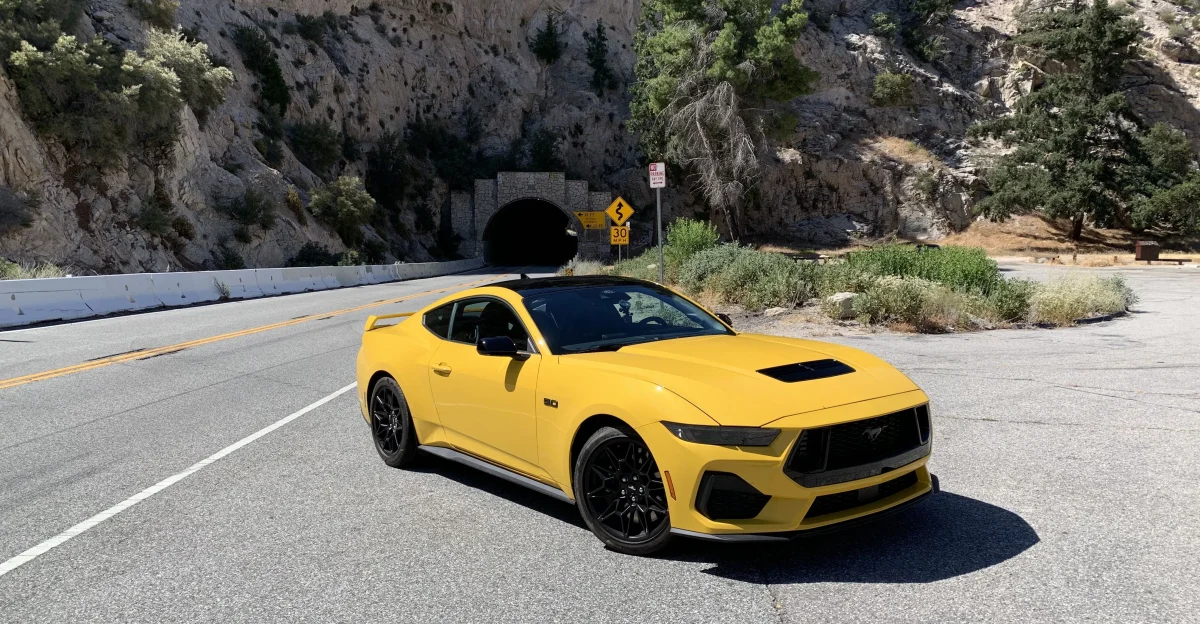
The Ford Mustang GT starts near the mid-$40,000s and accelerates to 60 mph in about 4.2 seconds, beating the Cadillac CT5-V by 0.6 seconds and costing about $14,000 less. A naturally aspirated 5.0-liter V8 produces around 480 horsepower with a soundtrack unmatched by turbos. Rear-wheel drive, strong resale, aftermarket support, and daily usability combine with thrilling performance. The Mustang proves sub-4.5-second acceleration is possible without a luxury badge, relying on smart engineering and classic muscle power. Its balance of heritage, price, and speed makes it a benchmark for affordable American performance.
#1 – Volvo EX30 Twin Motor
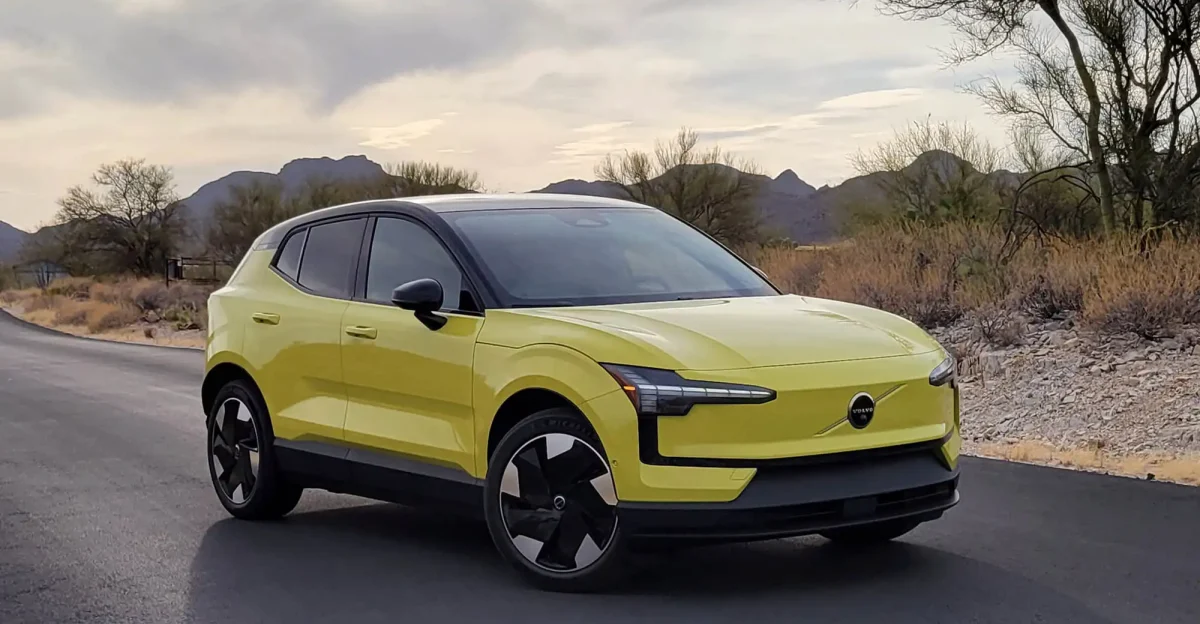
The Volvo EX30 Twin Motor dominates with a 3.3–3.4-second 0–60 run at roughly $46,425, rivaling the Ferrari 458 Italia’s benchmark sprint and even beating the $150,650 Mercedes-AMG GT55 to 60 mph. Car and Driver notes the EX30 offers “awfully close to the starting-line jolt you’d get in a PDK-equipped Porsche 911” and is “great fun to smoke V-8 Mustangs at stoplights with a small Volvo.” Dual electric motors, instant torque, and compact design create supercar-level acceleration in a compact EV. Its combination of speed, agility, and price proves that affordable electric crossovers can outperform high-end sports cars.
Sources:
Tested: 2025 Volvo EX30 Twin Motor Performance Bends Reality. Car and Driver, May 25, 2025.
2026 Nissan Z: Review, Pricing, and Specs. Car and Driver, December 1, 2025.
2025 Hyundai Elantra N Review, Pricing, and Specs. Car and Driver, August 5, 2025.
Tested: 2021 Kia K5 GT Has Unfinished Business. Car and Driver, February 21, 2021.
We’re Making a Slight Change to Our Acceleration-Testing Procedure. Car and Driver, December 4, 2019.
These Cars Have Supercar-Like Performance At A Fraction Of The Cost. HowToGeek, February 27, 2025.