300K Off-Lease EVs Flood Dealers As $1 Price Difference Can Wipe Out a $4,000 Tax Credit
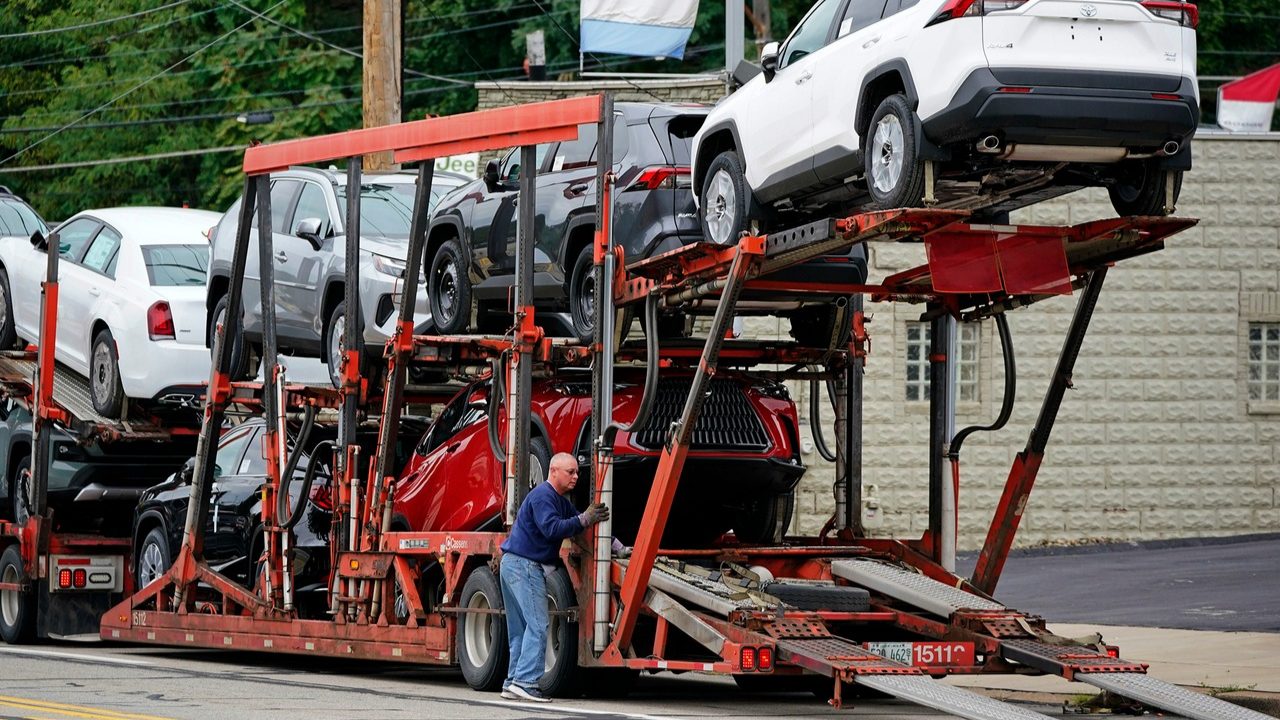
Somewhere in America right now, a three-year lease is expiring on an electric vehicle nobody wants to renew. Then another. Then thousands more. Over the next 12 months, roughly 300,000 EVs are expected to roll off leases and land on dealer lots across the country.
This is a scheduled inventory shock: not a slow drip, but a wave arriving as lease calendars mature all at once. The wholesale auctions will feel it first.
The Lease Expiration Wave
These vehicles appear because leases signed during the 2022 to 2023 EV push are hitting their expiration dates on a predictable schedule. Experian tracks auto finance dynamics, and the pattern is mechanical: lease terms end, vehicles return, inventory stacks.
The used market doesn’t get a vote on timing. Dealers absorb the cars whether demand is ready or not. Household auto loan stress is already elevated, according to the New York Fed.
When Incentives Shape Reality
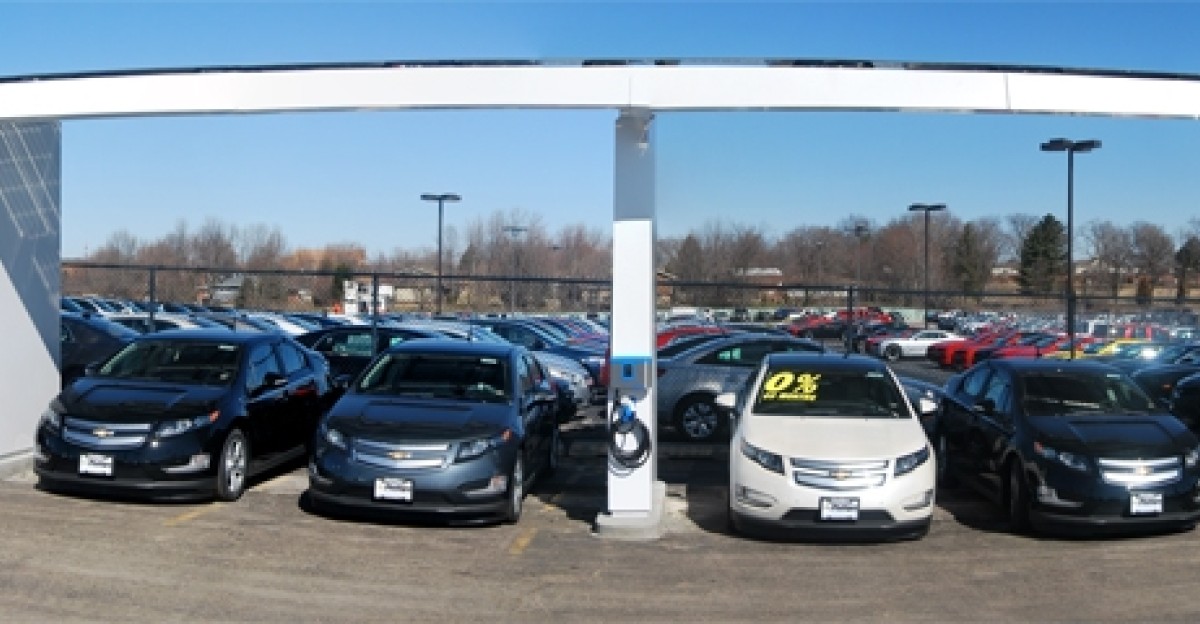
Common sense says more supply means better deals for everyone. Prices drop, buyers win, the market works. The used EV market operated on IRS rules. Until September 30, 2025, the federal used clean vehicle credit offered buyers up to $4,000, or 30% of the sale price, whichever was lower.
That credit has since expired, eliminated under the One Big Beautiful Bill signed into law on July 4, 2025. While it existed, the vehicle had to sell for $25,000 or less, through a dealer, and the buyer’s income couldn’t exceed $75,000 single or $150,000 joint.
The $25,000 Cutoff Effect

Under that credit, pricing a used EV at $24,999 allowed the buyer to claim up to $4,000 from Washington. A price of $25,001 made the credit vanish entirely. Two dollars apart, four thousand dollars different. That was a true eligibility cliff, and it rewrote negotiations on dealer lots holding off-lease inventory.
Now that cliff is gone, along with the credit itself. The market still has to clear 300,000 units. It just has to do it without the policy math that once made the numbers work.
Dealers as Gatekeepers
Private sellers couldn’t unlock this credit. Only dealers could. The IRS required the used clean vehicle credit to flow through a dealer transaction, which meant your neighbor selling a three-year-old EV in the driveway offered zero federal subsidy. Same car, same mileage, same battery. Different seller, different math. That single rule transformed dealerships from middlemen into gatekeepers.
They controlled which transactions qualified for government money. With the credit now gone, that dealer advantage has evaporated. The 300,000 units returning to those lots arrive without a subsidy to lean on.
How Supply Pulls Down Prices

Wholesale used-vehicle values, tracked by the Manheim Used Vehicle Value Index, can shift before retail buyers notice anything changed. When 300,000 units hit auctions in a compressed window, wholesale prices adjust fast. Retail follows. Cox Automotive monitors these movements closely, and the pattern is consistent: supply surges pull prices downward.
For used EVs that once clustered near $25,000 to capture the credit, that gravitational pull now operates without a subsidy floor beneath it. Prices could fall further and faster than in prior cycles.
Who Gets Hurt Next
The people nobody is talking about yet: anyone who bought a used EV in the last year or two at prices above $25,000. Their trade-in values are about to face pressure from a supply wave they did not create. New-car pricing and incentives may shift, too, as cheaper used EVs become substitutes for entry-level new models.
Cox Automotive’s transaction price data already tracks that competitive tension. If prices keep falling, more buyers wait, pressuring sellers further. That feedback loop has no natural brake.
A Market Without Subsidies

Until its expiration, policy thresholds functioned as de facto market price targets. Like stores pricing at $19.99 to trigger a coupon, $24,999 had become the magic number for used EVs. The IRS did not intend to set retail prices, but the $25,000 cap acted as a price ceiling that dealers clustered beneath. That anchor is gone now.
The new truth for used EV shoppers in 2026: prices will be shaped by raw supply and demand, not subsidy math. With 300,000 units entering the market, demand has a lot of catching up to do.
Shrinking Eligibility and Pressure
Income caps had added another gate when the credit was live: at $75,000 for single filers and $150,000 for joint filers, a meaningful slice of potential buyers would not have qualified regardless of price. That limited how much of any supply wave could clear with subsidy support. Now the caps are moot. The credit is gone for everyone.
Automakers and dealers may respond by adjusting lease residual assumptions on future contracts or increasing incentives. But those are slow-moving levers against a fast-moving supply clock ticking over the next 12 months.
How to Navigate the Shift
The person who wins in this market is not the one with the biggest budget. It is the one who understands what changed and shops accordingly. The $4,000 federal credit is gone, but the supply pressure that would have driven prices toward $24,999 still exists. Three hundred thousand units still need to clear. A used EV that might have sold for $26,000 a year ago, buoyed by subsidy-adjacent pricing logic, now has to stand on its own at whatever price moves it off the lot.
Most buyers miss this framework: the market has shifted from policy math to supply math. Knowing the difference still has real dollar value. It just looks different now.
Sources:
CDK Global | What 300,000 Returning EV Leases Mean for Dealership Inventory Strategy | January 21, 2026
IRS | Used Clean Vehicle Credit (Section 25E) | Updated December 2022
ADP | H.R. 1, The One Big Beautiful Bill Act, Enacted July 4, 2025 | July 7, 2025
Cox Automotive / Manheim | Manheim Used Vehicle Value Index Ends 2025 on Stable Note | January 7, 2026
Electrification Coalition | EV and Charging Tax Credits After the One Big Beautiful Bill Act | August 24, 2025