Ford Shuts $5.8B Kentucky Mega-Factory—1,600 American Jobs Vanish In EV Collapse
Ford closes a $5.8 billion factory in Kentucky and cuts 1,600 jobs. That number alone stings. But the dollar figure next to it is what breaks your brain. At roughly $3.6 million invested per lost position, this wasn’t some aging plant winding down. It was framed as a campus-scale manufacturing build, the kind of project that reshapes a county’s entire economy. The plant opened in summer 2025, ran for roughly four months, then went quiet. The paychecks are gone. The obvious fallout is 1,600 families rewriting their budgets. The less obvious fallout reaches much further.
The Mechanism
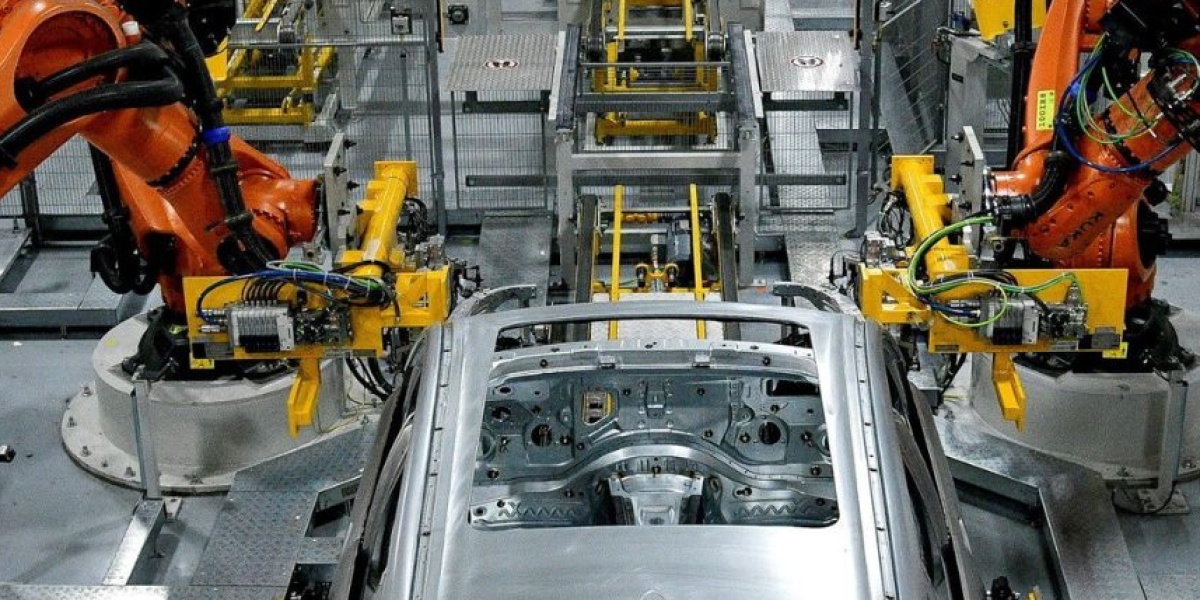
The EV buildout sold a simple story: billions flow in, jobs follow. Reality works differently. These mega-projects are staged. Joint-venture partners, phased capacity blocks, milestone-driven incentives. “Factory” often means a multi-building campus where construction, hiring, and production ramp on separate timelines tied to demand forecasts. When Congress eliminated the $7,500 federal EV buyer tax credit and changed manufacturing incentive rules in ways that disqualified foreign-entity joint ventures like Ford’s SK On partnership, Ford faced a strategy reset. EV demand had already cooled; the policy shift removed the financial floor. The ramp schedule broke first. Staffing broke the second. The $5.8 billion had already been spent building the plant. The 1,600 positions attached to it were not. That gap is the whole story.
Kitchen Tables

For 1,600 Kentucky workers, “restructuring” means one thing: a mortgage payment with no paycheck to back it. Displacement, transfers, or outright layoffs, depending on terms still being sorted. The immediate math is brutal. Grocery runs get smaller. Car payments get renegotiated. College savings accounts freeze. And this hits a community that built plans around the promise of a generational employer arriving. In corporate language, it’s a “job cut.” In household language, paychecks vanish. The difference between those two phrases is a family’s entire stability.
Supplier Shock

The 1,600 workers are the headline. The suppliers nobody names are the second wave. When a campus-scale project pauses, every contractor, parts vendor, and logistics outfit tied to that site’s ramp schedule absorbs demand uncertainty overnight. These are smaller companies, often local, that staffed up and signed leases based on Ford’s timeline. They don’t get press conferences. They get canceled purchase orders. The ripple moves from one factory floor to dozens of smaller ones, and the combined workforce exposure could dwarf the original number.
Tax Base Crater

Here’s where it crosses into territory most people aren’t tracking. Kentucky’s economic development agency positioned this project as a flagship. State incentives, local infrastructure investments, school-district revenue projections: all calibrated to a payroll that just evaporated. When 1,600 paychecks disappear, local spending drops. Sales tax receipts thin out. Property values around the site soften. A factory closure doesn’t just remove jobs. It removes the tax math that an entire county was counting on. One project. One pause. An entire municipal budget is scrambling.
The Real Product

Every one of these ripples traces back to the same structural failure. The real product of EV-era mega-projects isn’t batteries or vehicles. It’s optionality. Companies phase construction, stage hiring, and structure milestones so they can scale up or pull back as demand shifts. That flexibility is rational for Ford. For the community that relocated families, expanded school capacity, and widened roads? Devastating. Billion-dollar announcement. Phased campus. Demand cools. Phase stops. Jobs vanish. Same mechanism, playing out from Kentucky to every state chasing EV factory ribbons.
Union Reckoning

The UAW represents workers caught in exactly this whiplash. The union has watched the EV-industrial-policy era sell “reshoring American jobs” as gospel, only to see sudden local job shocks when ramp schedules collapse. For the workers on the ground, corporate language about “phased capacity” means nothing when the shift schedule goes blank. The union response becomes a second battlefield: severance terms, transfer rights, and retraining commitments. Every negotiation now carries the weight of a broken promise worth $5.8 billion and 1,600 livelihoods.
Credibility Collapse

This sets a precedent that reaches far beyond Kentucky. Every future EV-era factory announcement now faces tougher scrutiny. Governors, county commissioners, and economic development boards watched a $5.8 billion commitment evaporate. The political pressure builds fast: incentive clawback debates, renegotiation demands, and harder due diligence before any state writes another check. Kentucky used marquee manufacturing projects as flagship economic development plays. That playbook just took a direct hit. The next community courted by a billion-dollar battery promise will ask one question first: What happened in Kentucky?
Winners and Losers

The losers are obvious: workers, suppliers, local governments, and every family that planned around a paycheck that no longer exists. The winners are quieter. Companies that kept optionality built into their project structures can pull back without catastrophic balance-sheet damage. The announcement machine still benefits too: politicians and dealmakers who took credit for the ribbon-cutting rarely absorb blame for the closure. The new truth is uncomfortable. Big investment headlines don’t guarantee stable employment. Ramp timing, demand curves, and milestone economics decide who keeps a job. Press releases don’t.
Still Cascading
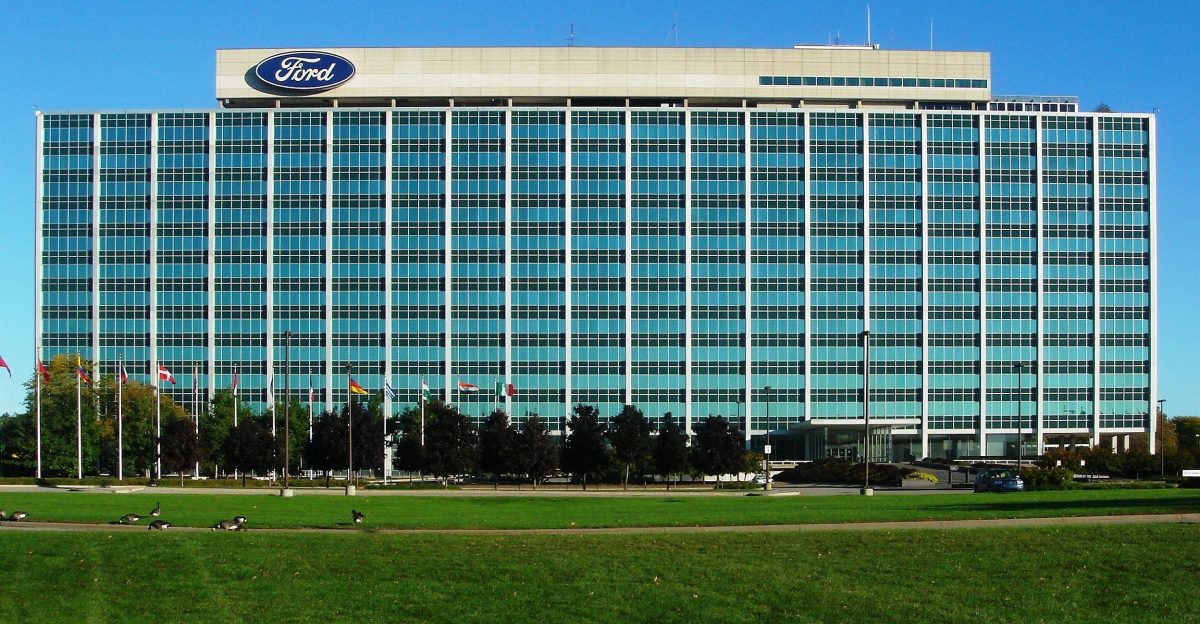
On the same day it announced the layoffs, Ford framed this as exactly that — a pivot, not a funeral. The company simultaneously announced a $2 billion plan to repurpose the Kentucky facility for battery energy storage systems targeting data centers and utilities, with a stated goal of hiring approximately 2,100 workers when production restarts. The language softens. The math doesn’t. The 1,600 workers laid off now are real, and the conversion timeline stretches into 2027 at the earliest. Smaller vendors tied to one site’s schedule face the sharpest edge in the interim. Political pressure will escalate into incentive scrutiny and clawback fights that drag on for years. And every EV factory promise made in every state now carries an asterisk the size of Kentucky. The cascade isn’t finished. It’s barely started. Anyone who reads this story and sees only 1,600 lost jobs is missing the system underneath. Now you see it.
Sources:
USA Today — WARN Act notice, 1,514 layoff figure, $5.8B history, production start date, 2,100 rehire target, Ford spokesperson quote
Wards Auto — Ford–SK On JV dissolution, federal EV tax credit elimination as structural cause, demand context