The EV Graveyard Grows As Automakers Rapidly Kill Models They Said Were Coming—Full ‘This Year’ Death List
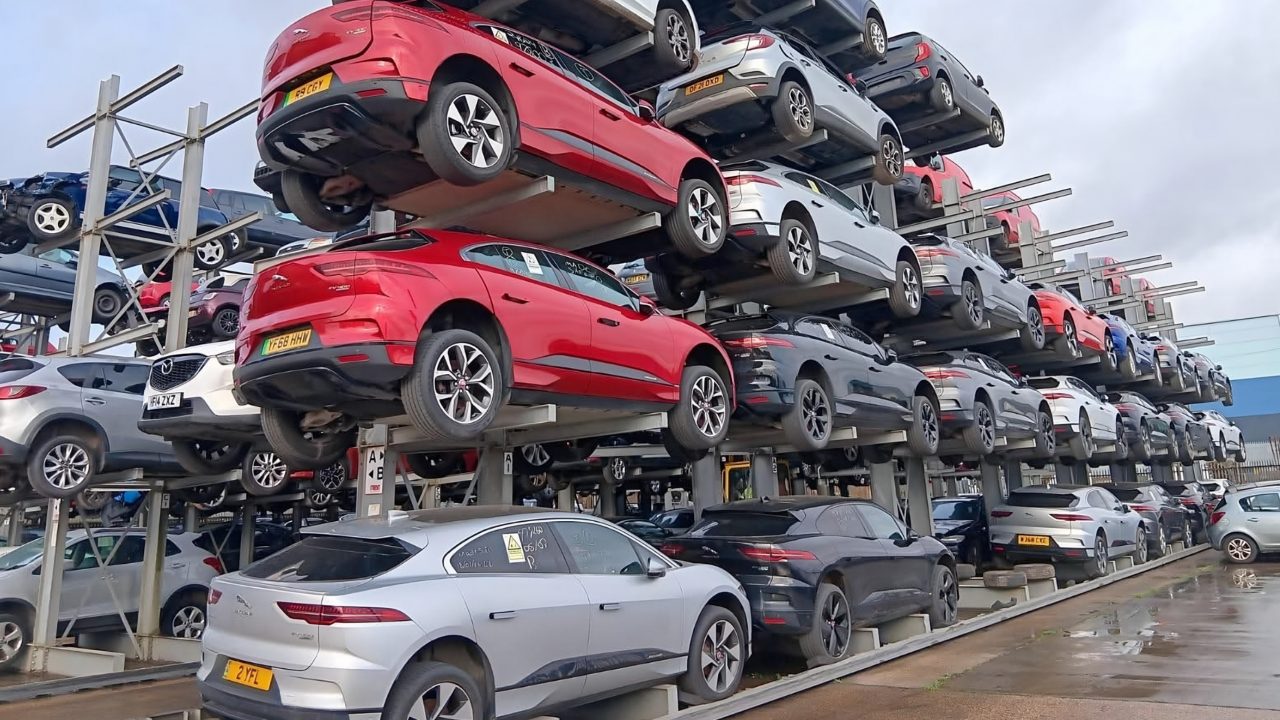
Between the press release and the production line, electric vehicles began disappearing. Not recalled or redesigned. Discontinued. Nameplates appeared in announcements, were assigned to factories, and received launch windows. Then, they vanished.
The U.S. market has seen more and more EVs pulled from lineups in the past two years. This pattern looks less like bad luck and more like a system deciding which cars stay. For buyers, the charging port may matter more than the engine.
From Hype to Silence
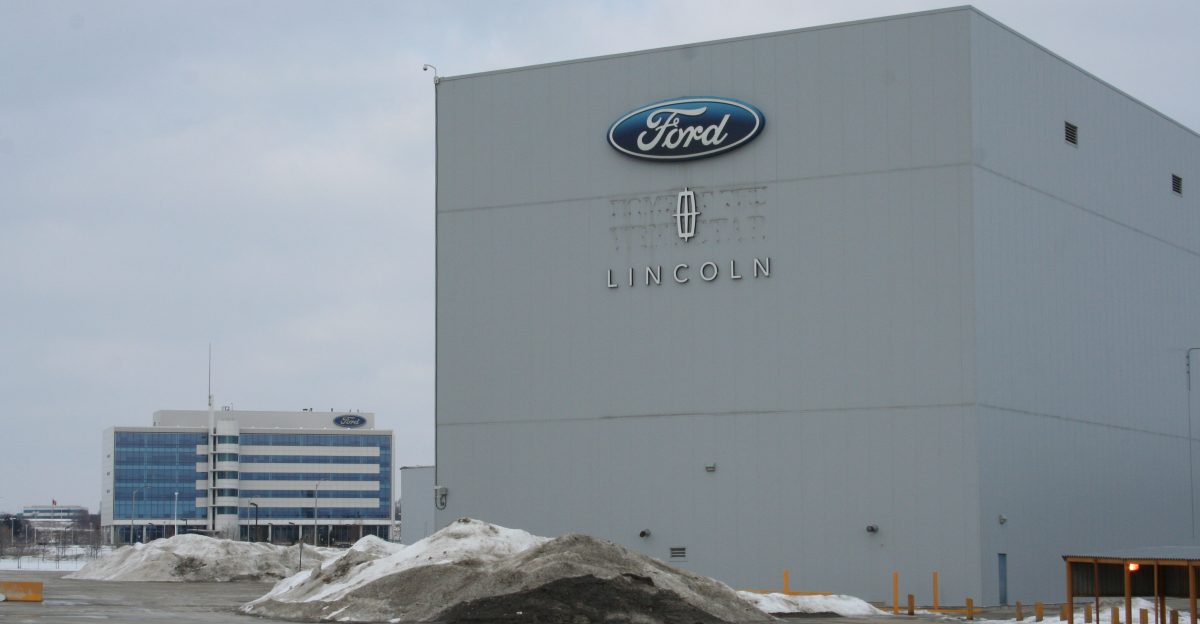
Ford’s press office made a clear announcement in April 2024: the company would build an all-new electric three-row SUV at its Oakville Assembly Complex in Ontario, though the timeline was delayed to 2027. Four months later, another release confirmed the program was canceled entirely.
Ford never confirmed which nameplate the vehicle would carry, though industry observers expected a revival of the Explorer badge for electric duty. Two clear commitments in one period, one cancellation buried in the fine print. Consumers heard the fanfare first and learned about the cuts later, often indirectly.
Bolt’s Sudden Departure
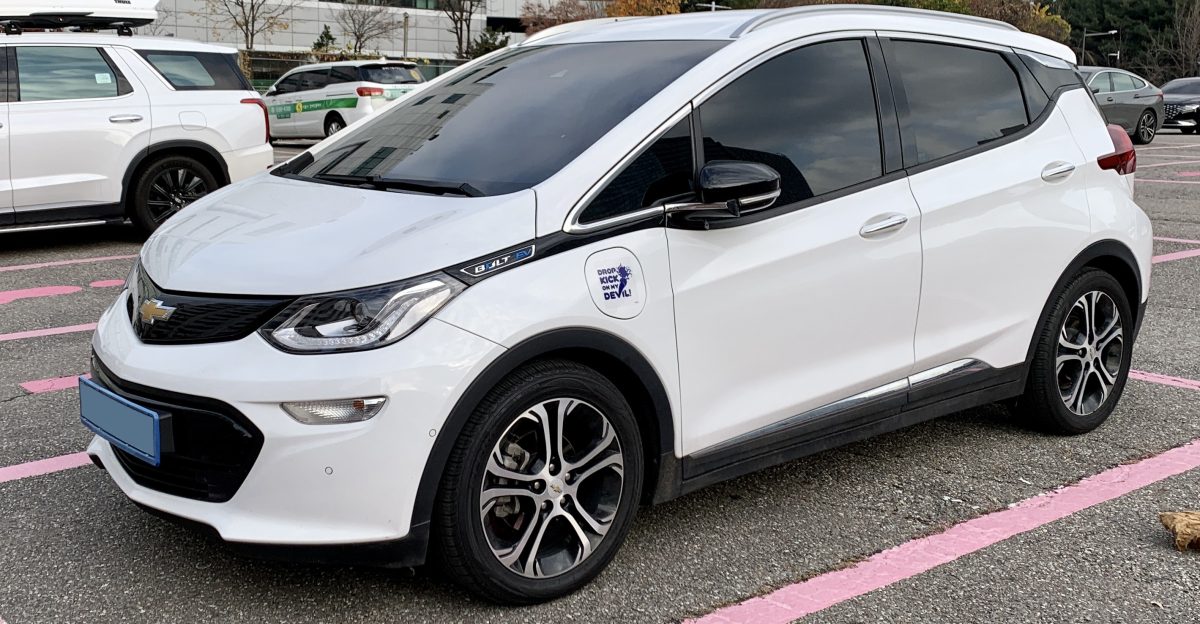
Chevrolet’s Bolt EV and Bolt EUV ended production in December 2023. GM’s investor materials described the move as part of a broader EV strategy and shift in product planning. That’s corporate language for reallocating capital. The Bolt was affordable, familiar, and accessible. Still, it no longer fits the direction of GM’s plans.
Many buyers assume discontinuation is rare and that support remains consistent across brands. The Bolt’s exit began to challenge that belief. The real sorting was only just beginning.
The Connector That Changed Everything
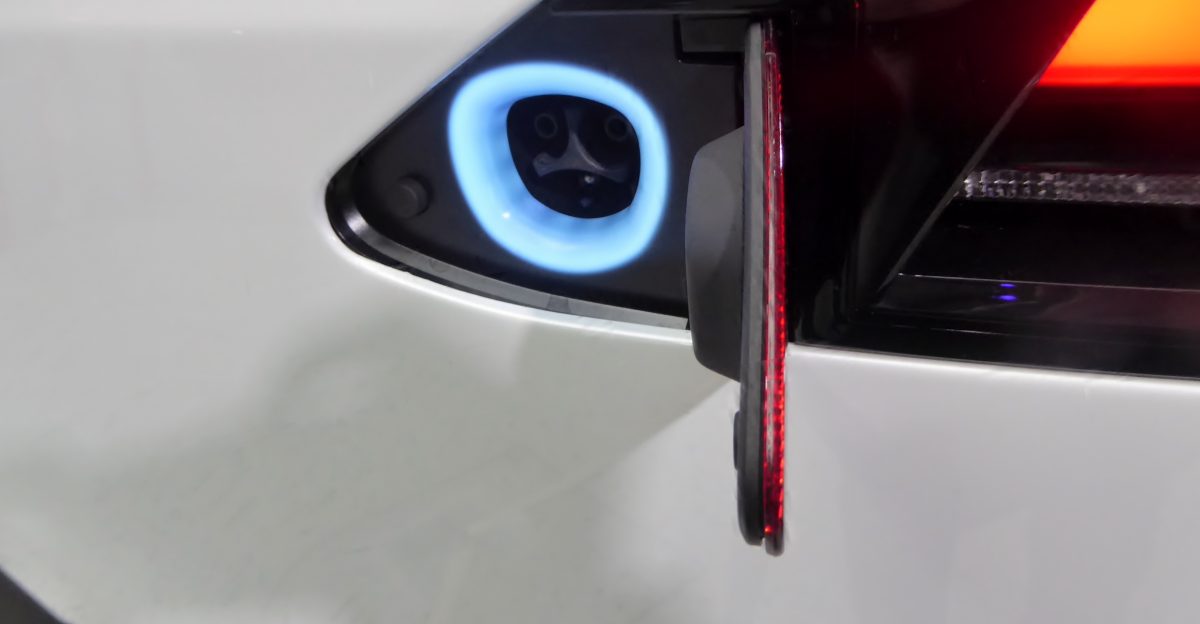
In December 2023, SAE International published the J3400 Technical Information Report, starting the process of making the NACS connector an industry standard. The full Recommended Practice came in October 2024. That technical document changed the competitive map. Charging access now works as a platform moat: the standard decides who plugs in easily and who needs adapters.
Models built around older connectors hit a compatibility wall overnight. Factory plans changed. Product roadmaps were scrapped. The new connector standard helped end or delay EV programs along with slow sales and shifting capital. The “graveyard” of discontinued EVs marked a sorting process, not a failure of electrification.
Winners and Orphans
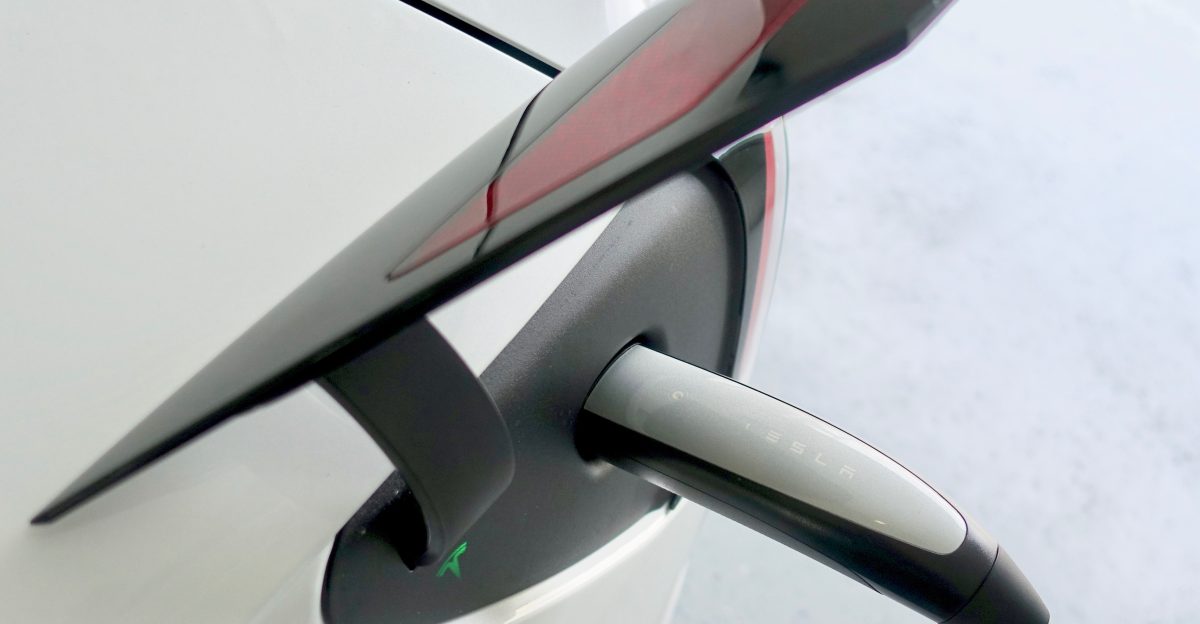
Buying an EV with the wrong connector is like buying a phone with an outdated charger port. The vehicle works, but the network won’t support it. Tesla’s Supercharger system was already the largest fast-charging network in the country, and NACS standardization gave that setup an official endorsement.
Automakers unable to align port strategy, factory tooling, and capital allocation saw some models become orphan risks. Corporate EV roadmaps acted as capital-allocation documents, not promises. Three forces decided survival: charging compatibility, factory assignment, and financial discipline.
The Cost of Disconnection
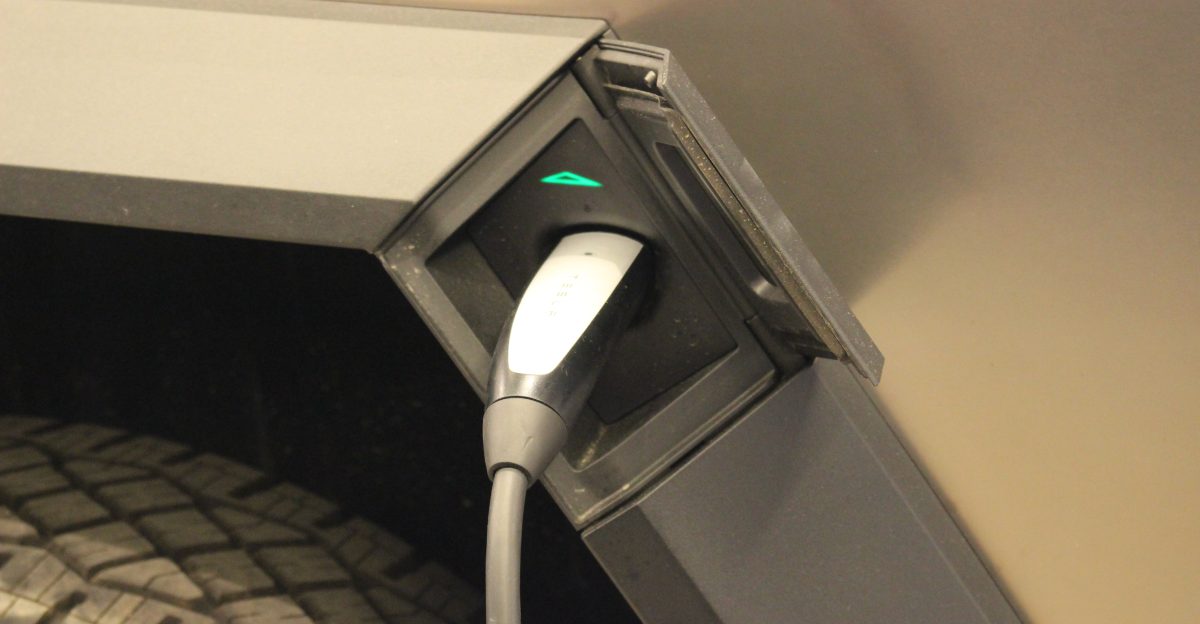
The DOE’s Alternative Fuels Data Center tracks public EV charging as national infrastructure. It’s a real constraint for every electric vehicle sold. If public charging growth falls behind EV sales, the average number of chargers per vehicle drops.
Buyers with a discontinued model face a growing problem: fewer service options, uncertain software support, and a resale market that prices in orphan risk. Paying new-car money for a future headache. That anxiety makes sense. The data confirms the bottleneck is real, and every quarter it can make the wrong purchase even riskier.
When One Model Drops, Many Feel It
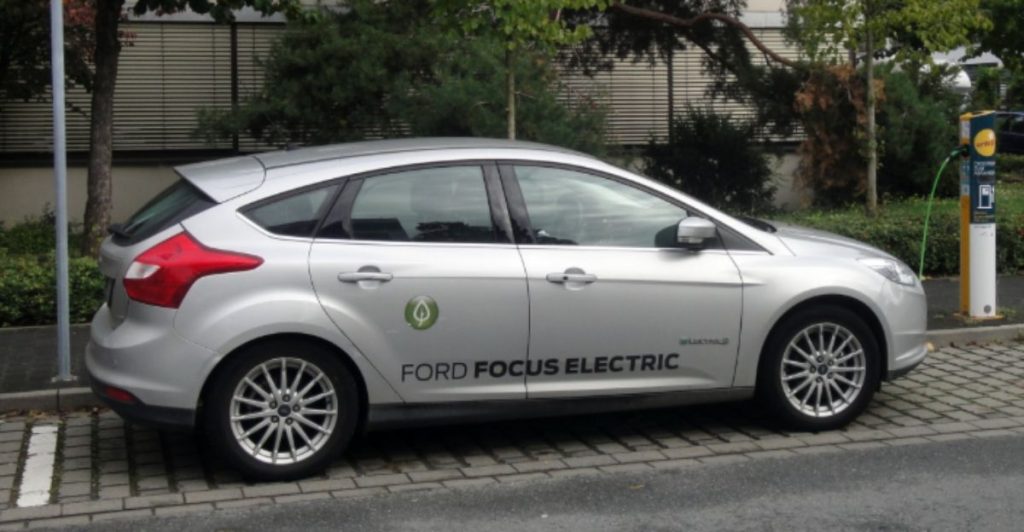
Discontinued models don’t disappear quietly. Buyers are left with fewer choices, and market power shifts to the brands that remain. Suppliers tied to canceled programs face new bids and retooling costs. Plant communities that expected EV jobs watch those assignments get shuffled to different facilities and different products.
Ford, for example, changed plant allocations across Oakville and Ohio Assembly within months during 2024 and 2025, canceling or redirecting multiple EV programs and substituting hybrid and combustion models in some cases. One company, two factories, multiple canceled or redirected EV programs. The industry ripple often moves faster than the consumer can track. Connector standardization pressures every automaker to redesign ports and realign networks at the same time.
Promises, Policies, and Pullbacks

A new precedent is set: public EV plans can be reversed quickly, and announcements are not guarantees. “Will build” phrasing in a press release sounds like a promise to consumers, even when corporate planning sees it as tentative. That gap between marketed certainty and operational reality shapes every discontinued nameplate.
Once this is clear, every future EV announcement comes with new skepticism. The graveyard of canceled models is the rule now, not the exception. Slow platforms that can’t adapt to connector and charging standards are next in line.
More Changes on the Horizon
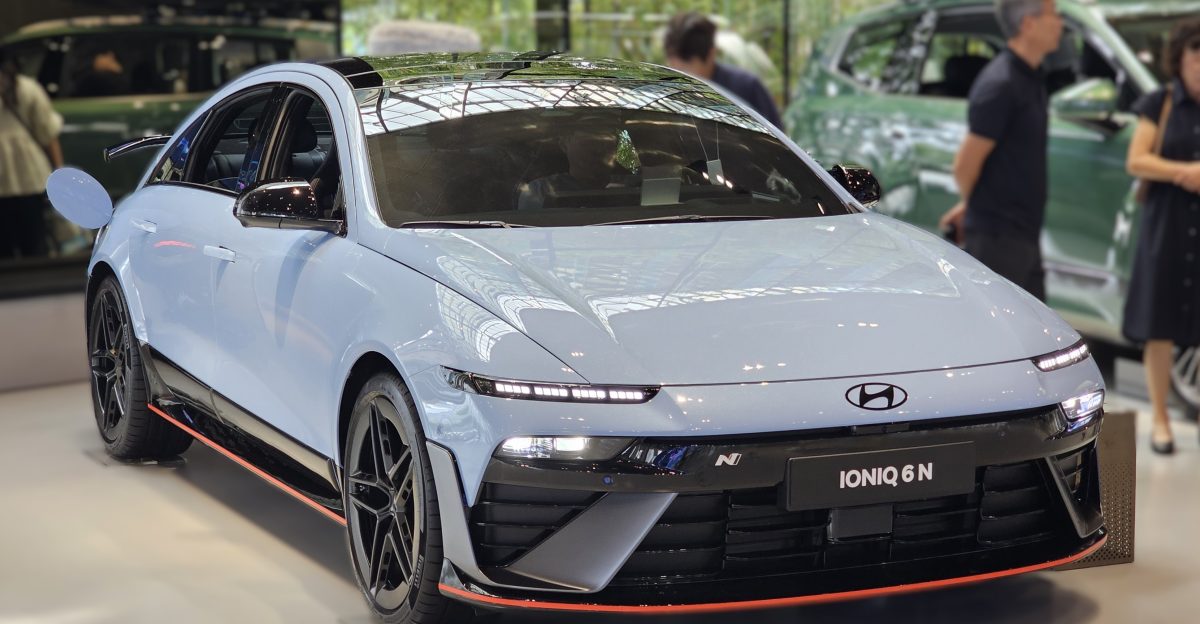
Cox Automotive tracks EV sales each quarter, and demand continues but remains unpredictable. The culling continues. Ford canceled its next-generation electric commercial van in December 2025, replacing it with gas and hybrid options at Ohio Assembly. Hyundai dropped the standard Ioniq 6 from the U.S. lineup for the 2026 model year, keeping only the high-performance Ioniq 6 N in limited quantities.
Kia delayed the EV6 GT for the U.S. market and is reportedly discontinuing the Niro EV, though other EV6 trims remain on sale. Honda and GM canceled their joint affordable EV program in 2023, showing how easily planned electric models can be shelved before reaching showrooms. More cancellations, delays, and renames are likely as automakers trim low-margin models and slow sellers to protect capital. Electricity prices, tracked by the EIA, add another variable to ownership costs that shifts with every rate change. The dominoes left standing are attached to platforms too slow to pivot.
How to Choose an EV That Lasts
Automakers now focus on charging partnerships, standardized ports, and reducing buyer anxiety through better network alignment. The brands that survive will be the ones that treated charging as a strategy from the start. EV ownership risk now depends more on the network than the car itself.
Charging standards, factory discipline, and honest communication about what “will build” really means shape the market. Understanding this framework explains why some EVs turn into unwanted collector’s items overnight.
Sources:
Ford Motor Company — “Ford Updates EV, Hybrid Plans, Readies Manufacturing Plants” — April 2024
Ford Motor Company — Three-Row Electric SUV Cancellation & Ohio Assembly Electric Van Announcement — August 20, 2024
GM Authority (citing GM Investor Relations) — “Chevy Bolt EV And Bolt EUV Production Is Officially Over” — January 2, 2024
SAE International — J3400 NACS Technical Information Report — December 2023
U.S. Department of Energy, Alternative Fuels Data Center — Electric Vehicle Charging Station Locations & Infrastructure Data — Ongoing
Cox Automotive — Quarterly EV Sales Reports — 2024