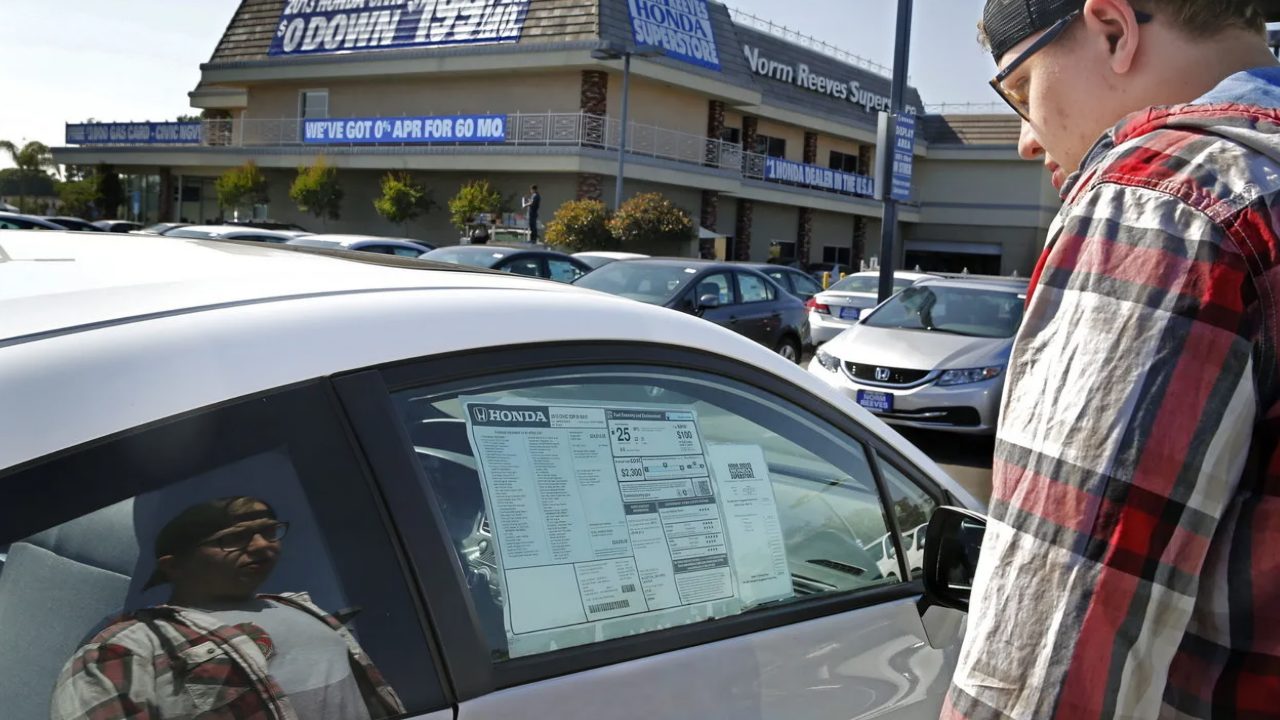
$50K Average New Car Traps Americans In 72-Month Loans As Dealers ‘Rigged The System’
Fifty thousand dollars. That’s what the average new car costs in America now — $50,080, according to Kelley Blue Book, a record set in September 2025. Five years ago, that same average was $38,747. Nothing about the car got $11,000 better.
What changed is that automakers, dealers, and lenders figured out exactly how far they could stretch a buyer before they walked, and then stretched a little further. What follows is who did it, how they did it, and what it’s costing the people who just needed to get to work.
A Record Nobody in the Industry Tried to Explain

The $50,080 average transaction price KBB reported in October 2025 was up 3.6% year-over-year, yet no automaker acknowledged it as a problem. For comparison, CarEdge tracked a 30% rise in average transaction prices from Q2 2020 to Q2 2025, against CPI inflation of 25.4% over the same period, vehicles outpacing the broader cost of living by nearly five percentage points.
VW Group up 38%, Hyundai Group 34%, Honda 33%, GM 30%. The Cox Automotive/Moody’s Analytics affordability index put a number on what that means: at its 2025 peak, it took 37.4 weeks of median household income to buy the average new vehicle. Oxford Economics didn’t soften it; new vehicles are “out of reach” for low-income households.
Six Years to Pay for Something That Loses Value in Six Months
Experian’s Q3 2025 data: the average new-car loan runs 69 months at 6.56% interest, with $42,332 borrowed and $748 a month. Prime-credit buyers average 72-month terms. Near-prime buyers are at 75 months or longer.
At 72 months and 6.56%, more than $9,000 of what you pay never touches the car … it goes to interest. The term length isn’t a financing choice. It’s the mechanism that makes an unaffordable sticker price feel manageable enough to sign.
84-Month Loans Are Now Nearly 30% of the Market

Experian’s Q4 2025 report: nearly 30% of all new-vehicle loans are on 73-to-84-month terms, up from 26% a year earlier. Loans past 85 months grew from 1.84% to 2.22%. Subprime borrowers hit 15.31% of total vehicle financing, their highest fourth-quarter share since 2021.
Longer terms suppress the monthly number just enough to close the deal. The lender collects interest for years. The buyer owns a deprecating asset with a payoff date well into the next decade.
Dealers Repriced the Market During the Shortage and Kept It There
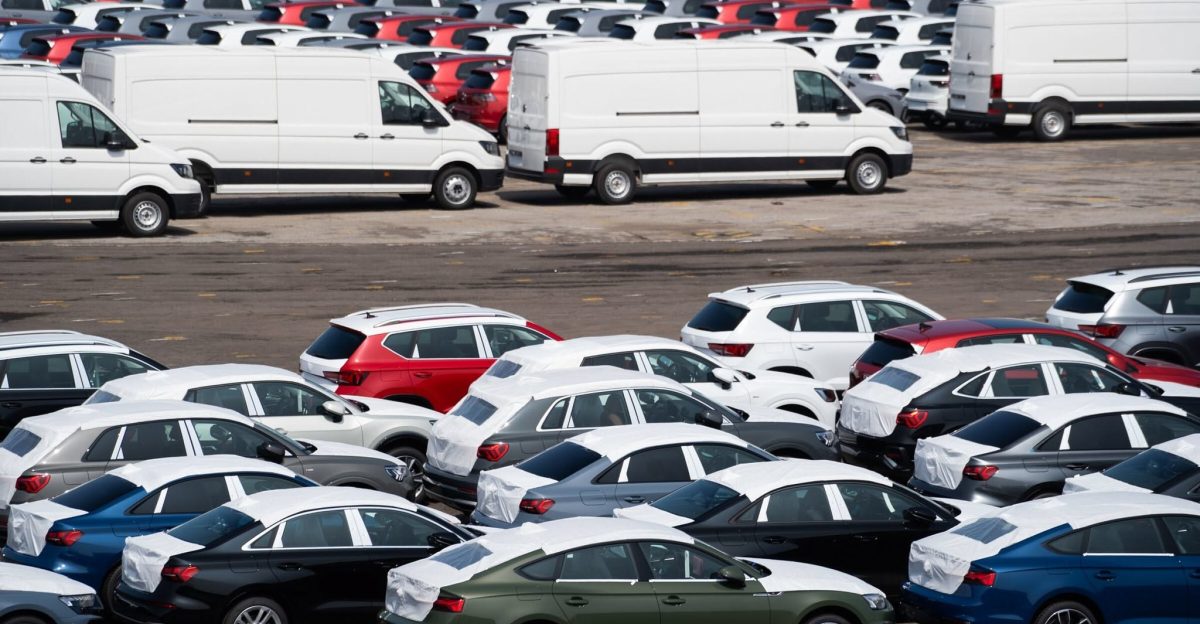
The chip shortage gave dealers something the franchise model had never delivered before: a genuine seller’s market. Under franchise law, MSRP is legally “suggested”; dealers can charge whatever the market bears. During peak shortages, $5,000–$10,000 market-adjustment premiums above sticker price were routine. Mandatory add-on packages — ceramic coating, paint protection, and GPS trackers added thousands more to out-the-door prices before a buyer could negotiate.
Inventory recovered by 2023. The pricing floor didn’t come back down. Dealers had learned what buyers would absorb at peak desperation and built it into standard practice.
One in Three Buyers Is Underwater — and Rolling the Debt Forward

Edmunds Q3 2025: 28.1% of new-vehicle trade-ins carried negative equity, with an average shortfall of $6,905, a record at the time. Nearly one in four of those buyers owed more than $10,000. By January 2026, USA Today reported the share was approaching one-third of all trade-in buyers. Most don’t absorb the loss; they roll it forward.
Edmunds found that buyers carrying negative equity into a new loan in Q3 2025 financed an average of $11,164 more than a standard buyer and carried a $907 monthly payment, $140 above the overall industry average of $767. They’re financing the depreciation of the previous car and the purchase price of the new car simultaneously — a compounding hole with a fresh 72-month clock.
Tariffs Added ~$2,500 Per Vehicle. Nobody Passed It On
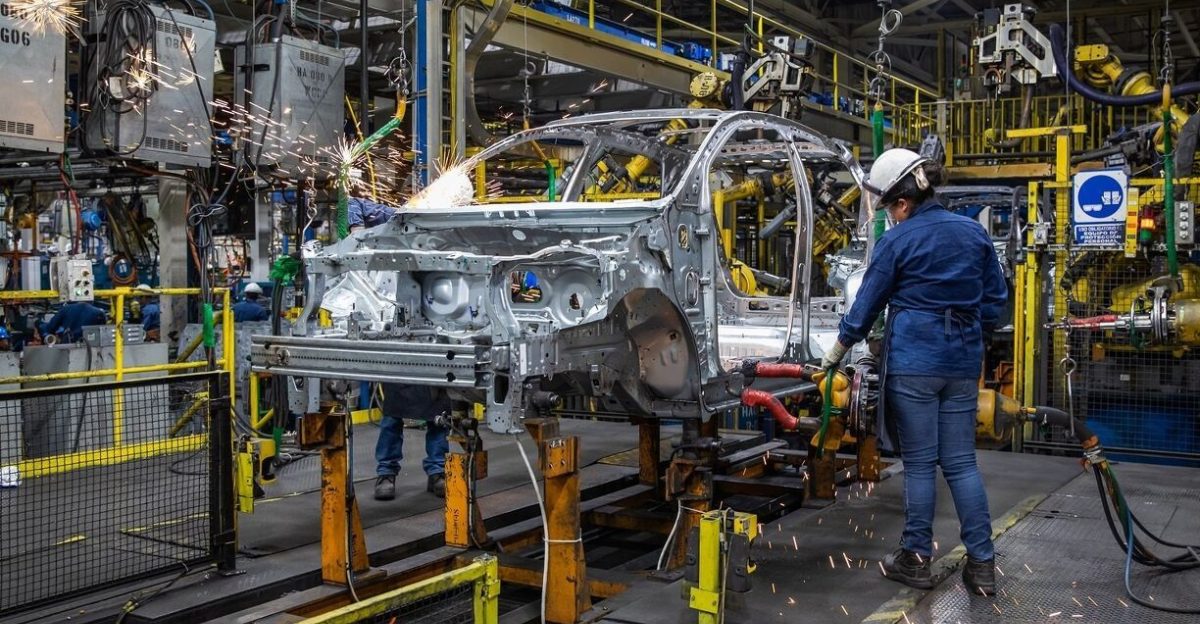
The tariff structure introduced under the Trump administration added an estimated $2,500 per vehicle in production costs. In 2025, automakers absorbed it rather than risk losing sales. Ford took roughly $2 billion in exposure, and GM between $4 and $5 billion. Cox Automotive’s Erin Keating described the standoff: “Most automakers were looking left and right at their competitive sets and saying, ‘Who’s going to blink first.’ And no one blinked.”
That calculation is shifting. Cox Automotive projects new-vehicle sales will contract in 2026 as manufacturers begin moving those costs to buyers. Separately, import tariffs on vehicles and parts not covered by USMCA remain in effect, adding additional pressure on brands with significant foreign production exposure. Automakers held prices in 2025 by absorbing billions of dollars in costs. That money has to come from somewhere in 2026, and it won’t come from the manufacturers.
The Closing Act: $50 Relief on a $907 Payment
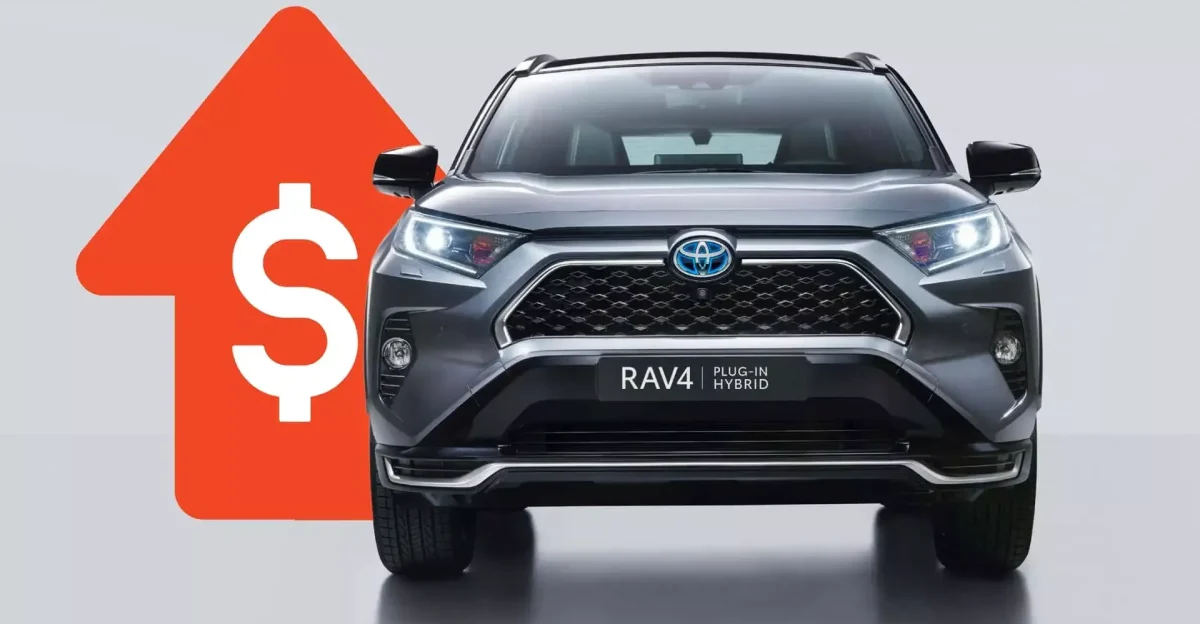
The system that produced these numbers, automakers abandoning affordable sedans for high-margin trucks and SUVs, dealers repricing to market, lenders extending terms to 84 months, wasn’t an accident. The average full-size pickup now runs $64,790. Oxford Economics projects the monthly-payment-to-median-income ratio moves from 12.8% today to 12.3% by late 2026, partly aided by a new auto-loan interest tax deduction projected to save roughly $50 a month for households earning under $100,000, or $200,000 for joint filers, with savings phasing out entirely at $150,000 and $250,000, respectively.
That’s the relief package: fifty dollars on a $907 payment, on a six-year loan, on a car that starts losing value the moment it leaves the lot. Every actor in this chain made rational decisions for themselves, and together they built a market that works for everyone except the person buying the car.
Sources:
Kelley Blue Book Report: New-Vehicle Average Transaction Price Hits Record High in September – Kelley Blue Book
Average Car Payment in 2025 – Experian
New Report From Experian Automotive Highlights Growth in Subprime – Experian
Edmunds spots 3 new records connected to negative equity in Q3 – Auto Remarketing
Underwater loans hit nearly one-third of car buyers – USA Today
IRS rules for the OBBB car loan interest deduction: What you need to know – TurboTax