5 SUVs known for hitting 300,000 Miles With Fewer Reported Problems
Five SUVs. 300,000 miles. Minimal issues. It’s the kind of list that makes used-car buyers reach for their wallets. These models have earned reputations for outlasting nearly everything else on the road, and real-world data backs much of it up. But durability claims this bold deserve a closer look—because the line between proven longevity and marketing language is thinner than most shoppers realize. Here are the five, and the evidence behind each one.
The Toyota Sequoia Leads the Pack
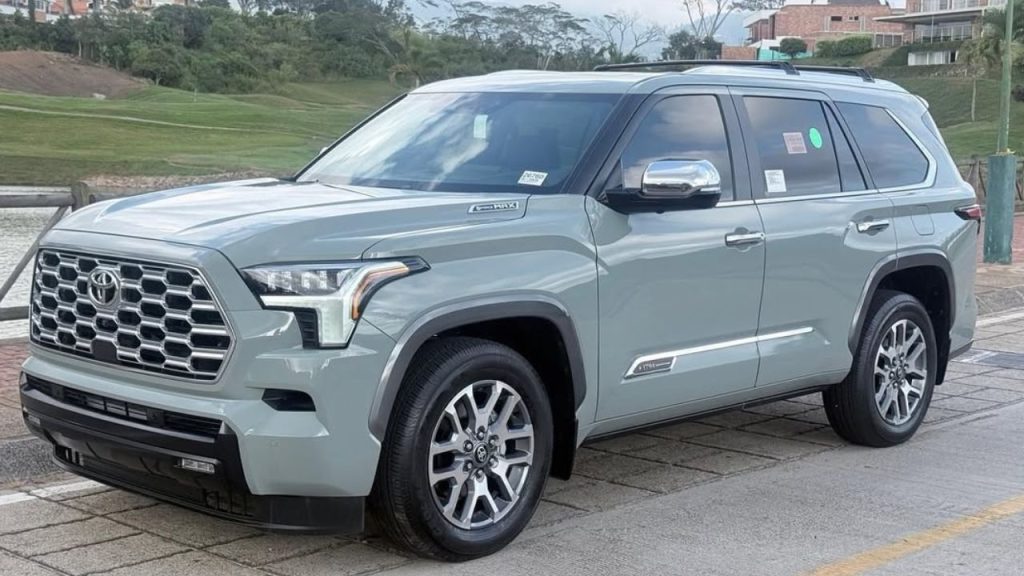
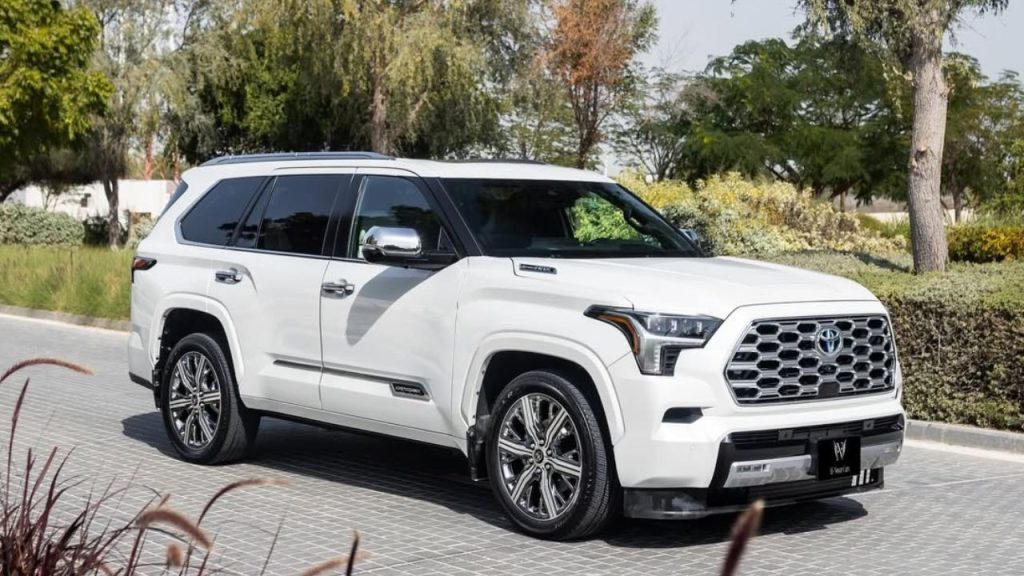
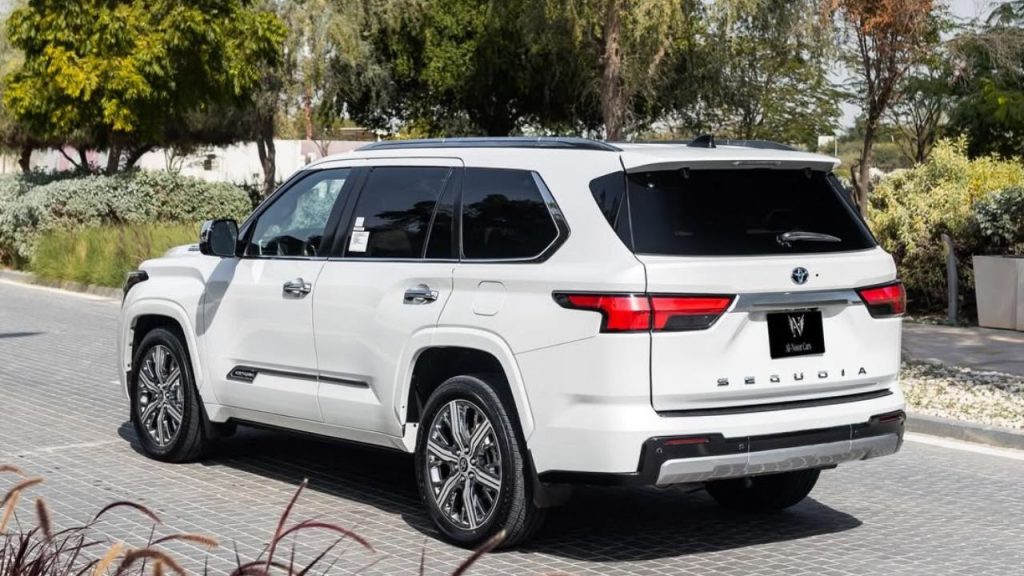
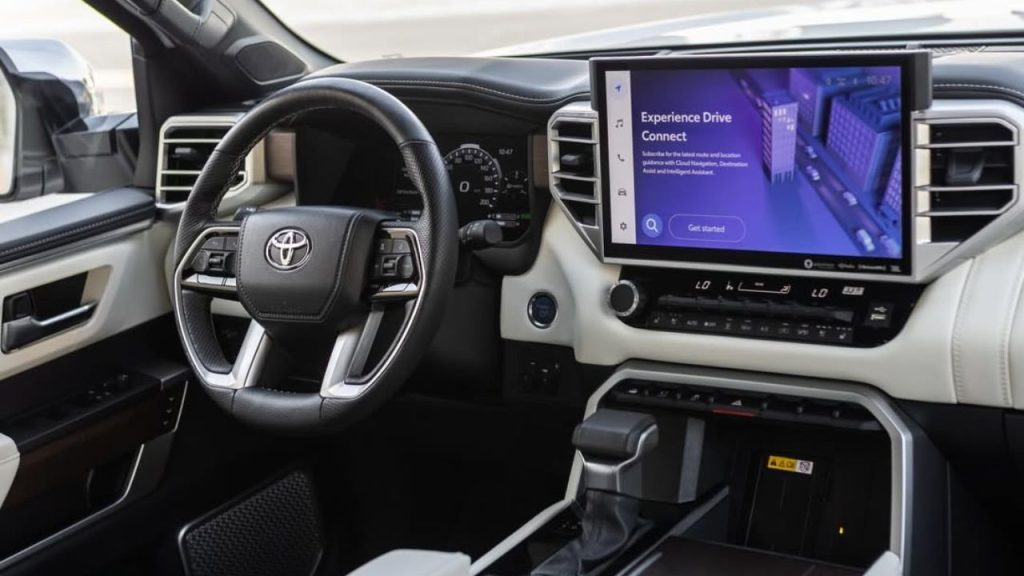
The Toyota Sequoia holds the No. 1 spot in iSeeCars’ 2025 Longest-Lasting SUVs ranking with a 39.1% predicted chance of reaching 250,000 miles—9.1 times the SUV average. Built on the same body-on-frame platform as the Tundra, it delivers truck-grade toughness in a family package. At least one 2003 model has been documented past 350,000 miles. No other SUV on the market has a stronger statistical case for long-haul survival.
The Toyota 4Runner Was Built to Stay Simple
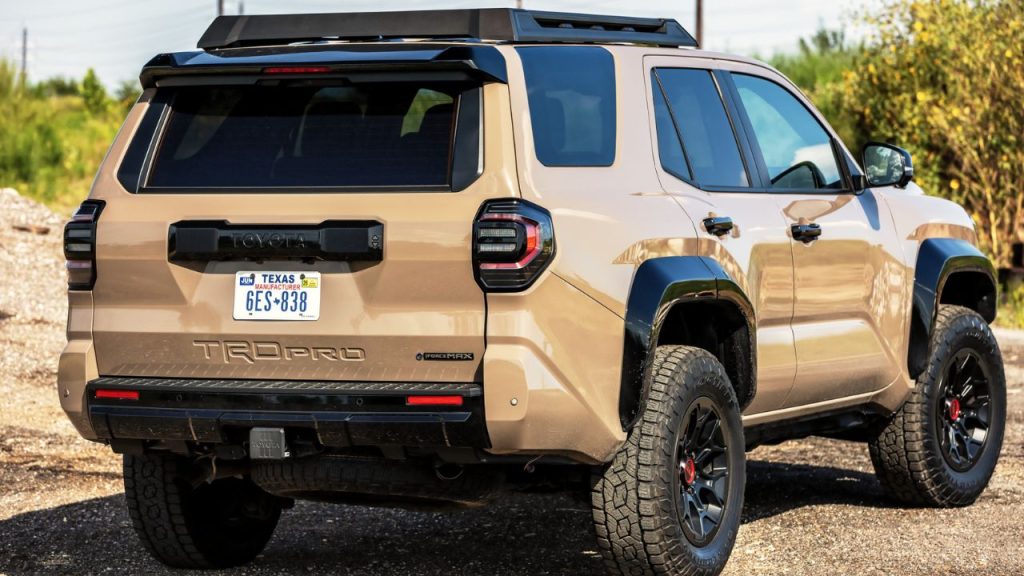
The 4Runner ranks second among SUVs with a 32.9% chance of hitting 250,000 miles—7.7 times the average. One of the few midsize SUVs still using body-on-frame construction, its naturally aspirated V6 keeps mechanical complexity low. The nameplate has been in production for 40 years. One owner reported a 2016 model surpassing 337,000 miles on routine 5,000-mile maintenance intervals. Simplicity, not flash, is the 4Runner’s most valuable engineering feature.
The Toyota Land Cruiser Earned Its Legend Globally
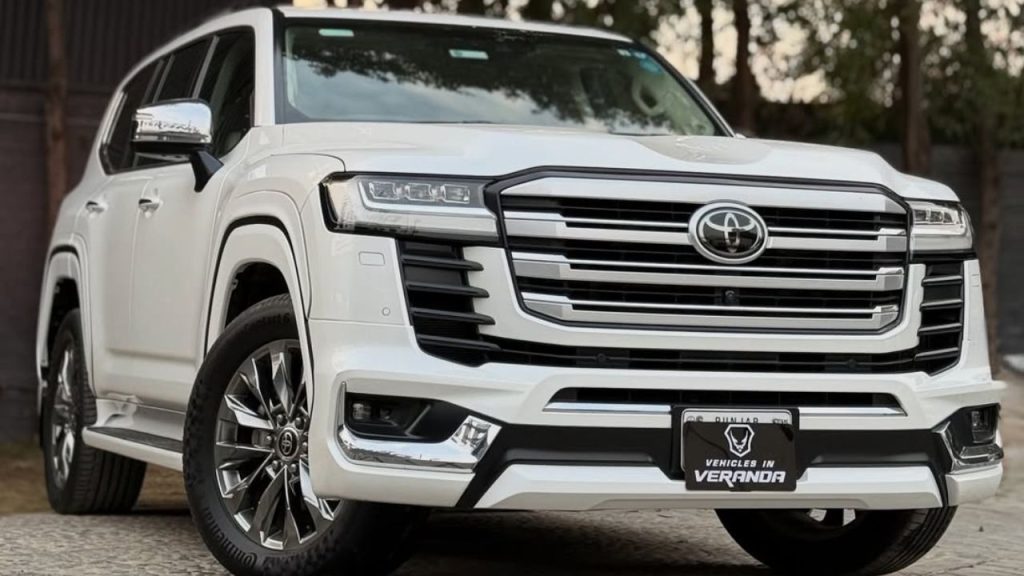
Engineered to last over 25 years, the Land Cruiser’s global durability reputation spans more than six decades. After a brief hiatus from the U.S. market, it returned for the 2024 model year with a hybrid powertrain and the same overbuilt DNA that made it a legend on every continent. iSeeCars gives the Land Cruiser an 8.8 reliability rating—highest among large SUVs. Few nameplates carry this kind of cross-generational trust.
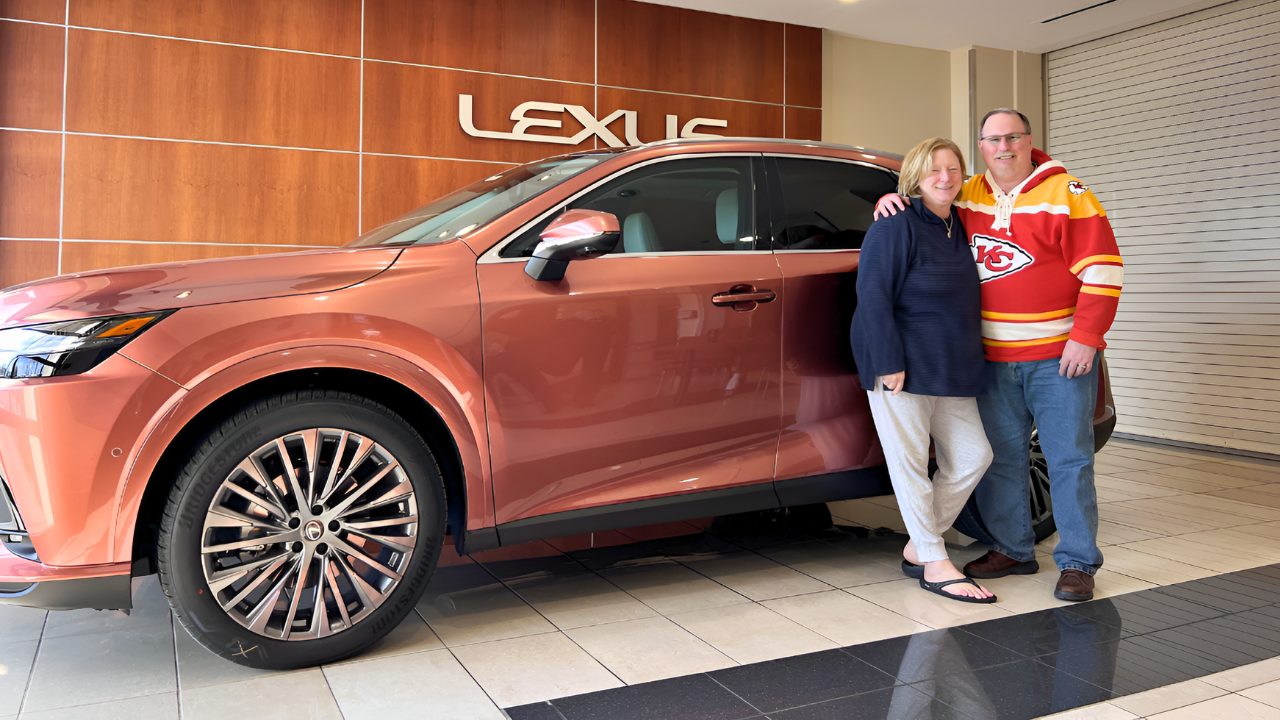
The Lexus GX Hides a Tank Under the Leather
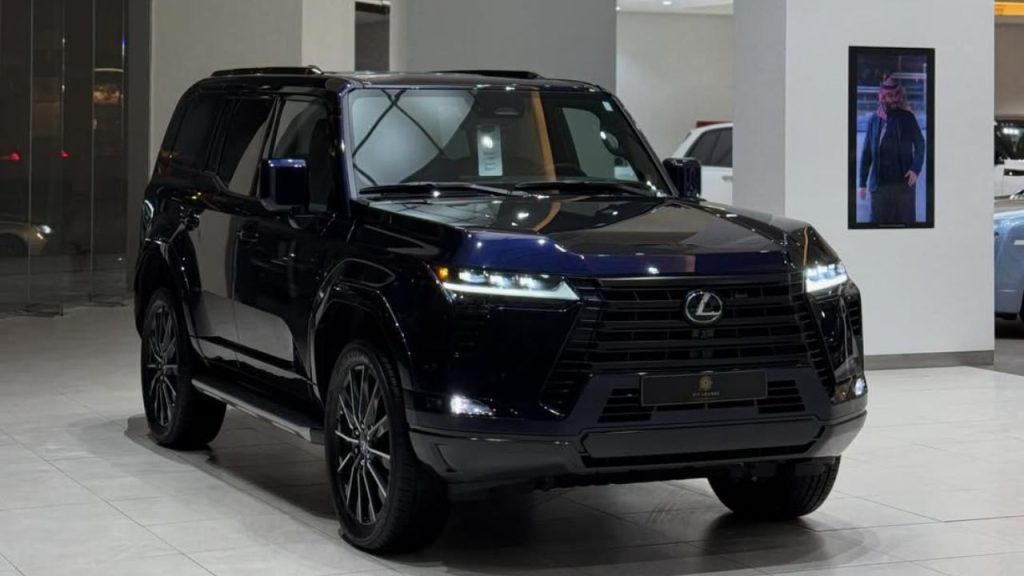
The Lexus GX holds an 18.3% predicted chance of reaching 250,000 miles—4.3 times the SUV average—placing it fourth in iSeeCars’ longevity rankings. Underneath the luxury trim sits Toyota’s proven body-on-frame architecture. The 2024 GX 550 replaced the old V8 with a twin-turbo 3.4-liter V6 producing 349 horsepower, paired with a 10-speed automatic and standard four-wheel drive. It’s a serious off-road machine wrapped in leather, with long-term ownership math that favors patient buyers.
The Toyota Highlander Hybrid Proves Longevity Isn’t Just a Truck Thing
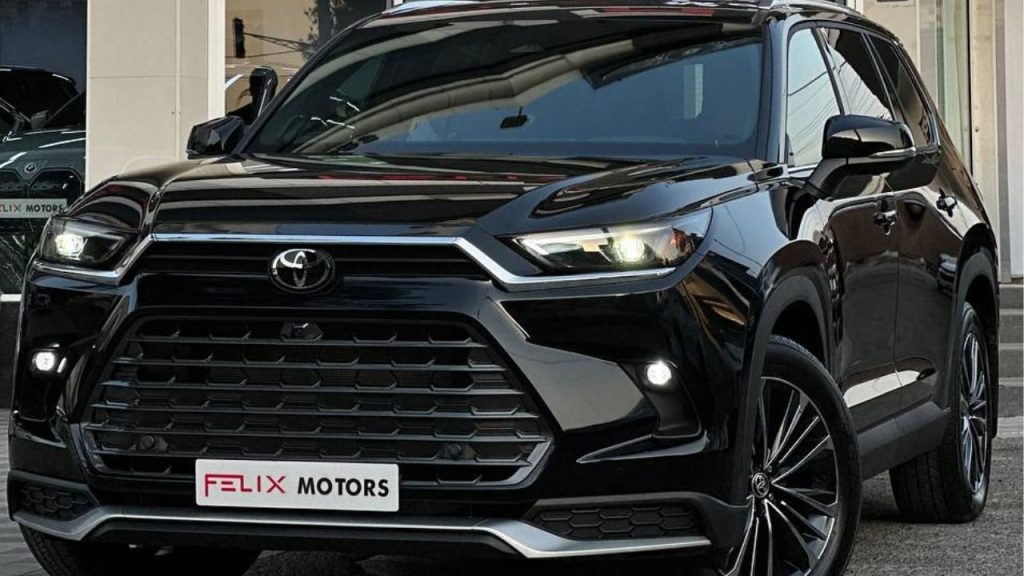
The Highlander Hybrid ranks just behind the 4Runner with a 31% predicted chance of reaching 250,000 miles, making it one of the strongest family-sized SUVs in iSeeCars’ longevity data. Toyota’s brand-wide average of 17.8% is nearly four times the industry norm—and the Highlander Hybrid is a major reason why. Unlike the body-on-frame bruisers above, this is a unibody crossover that earns its spot through powertrain refinement rather than rugged construction.
Nobody Actually Measures 300,000 Miles
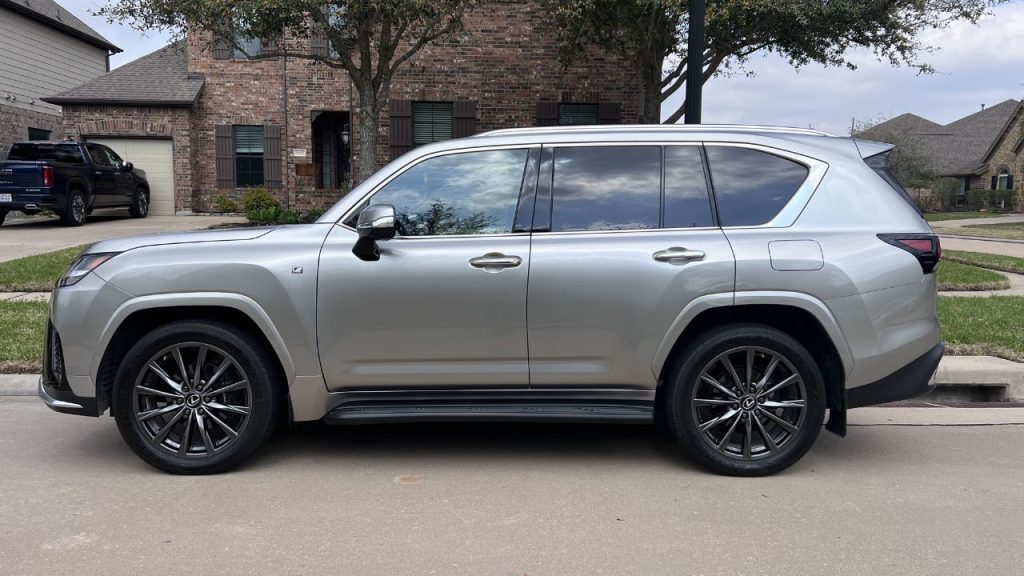
Here’s the catch: iSeeCars’ study—the most data-rich longevity analysis publicly available—benchmarks vehicles at 250,000 miles, not 300,000. The overall industry average probability of reaching that mark is just 4.8%. Even the Sequoia’s class-leading 39.1% means roughly six in ten won’t make it to a quarter million. Jumping to 300,000 miles with “minimal issues” requires a leap the published data doesn’t support. The gap between evidence and claim is 50,000 miles wide.
The Mileage Math Doesn’t Add Up to 10 Years
Reaching 300,000 miles in 10 years means averaging 30,000 miles annually. The Federal Highway Administration reports the U.S. average at roughly 12,000 to 15,000 miles per year. At that pace, 300,000 miles takes 20 to 25 years—not a decade. An SUV hitting 300,000 in 10 years likely lived a high-mileage life: fleet use, long commutes, or highway-heavy driving. That changes the wear profile entirely. The “10-year” framing sounds fast, but the math tells a slower, more nuanced story.
Three Scoreboards Hiding Behind One Label
“Minimal issues” sounds simple, but it collapses three different measurement systems into one phrase. Consumer Reports surveys owners about annual repair experiences. J.D. Power’s Vehicle Dependability Study tracks problems per 100 vehicles in just the first three years. iSeeCars measures the odds of reaching 250,000 miles. These scoreboards test different things at different timescales. A vehicle can ace its J.D. Power score at three years and still not survive to 200,000 miles. The label is simple. The reality isn’t.
What the Data Actually Proves
These five SUVs have earned their reputations. The Sequoia, 4Runner, Land Cruiser, Lexus GX, and Highlander Hybrid consistently top longevity rankings for good reason—proven powertrains, conservative engineering, and massive parts availability. But treating a listicle as a guarantee is like buying a house without an inspection. The smart move: cross-check iSeeCars survival rates, search NHTSA’s recall database for your specific model year, and do the mileage math before you buy. The 250,000-mile probability beats the 300,000-mile promise every time.
Sources:
“‘The iSeeCars Longest-Lasting Cars, Trucks, SUVs and Hybrids To Reach 250,000 Miles.’” iSeeCars, 6 Oct 2025.
“‘How Many Miles Can a Car Last?’ Vehicle Lifespan Study.” iSeeCars, mid‑2025.
“‘Average Miles Driven Per Year in the U.S. (2026).’” Insurify, 9 Jan 2023 (using latest FHWA data).
“‘Average Miles Driven Per Year in the U.S.’” AutoInsurance.com, 24 Jun 2025 (summarizing Federal Highway Administration statistics).