BYD’s 1,000-Kilowatt Charger Adds 250 Miles In 5 Minutes ‘Crushing’ Tesla’s Times
In March 2025, a Chinese automaker took the stage and delivered a message that demands attention from every EV buyer. BYD introduced the Super e-Platform, built on a triple-thousand architecture: 1,000 volts, 1,000 amps, 1,000 kilowatts.
The core claim is simple: about 250 miles of range can be added in just five minutes. This is the duration of a typical coffee break or a stop at the gas station. The numbers reset the equation for choosing an electric car.
Tesla’s Charging Fortress
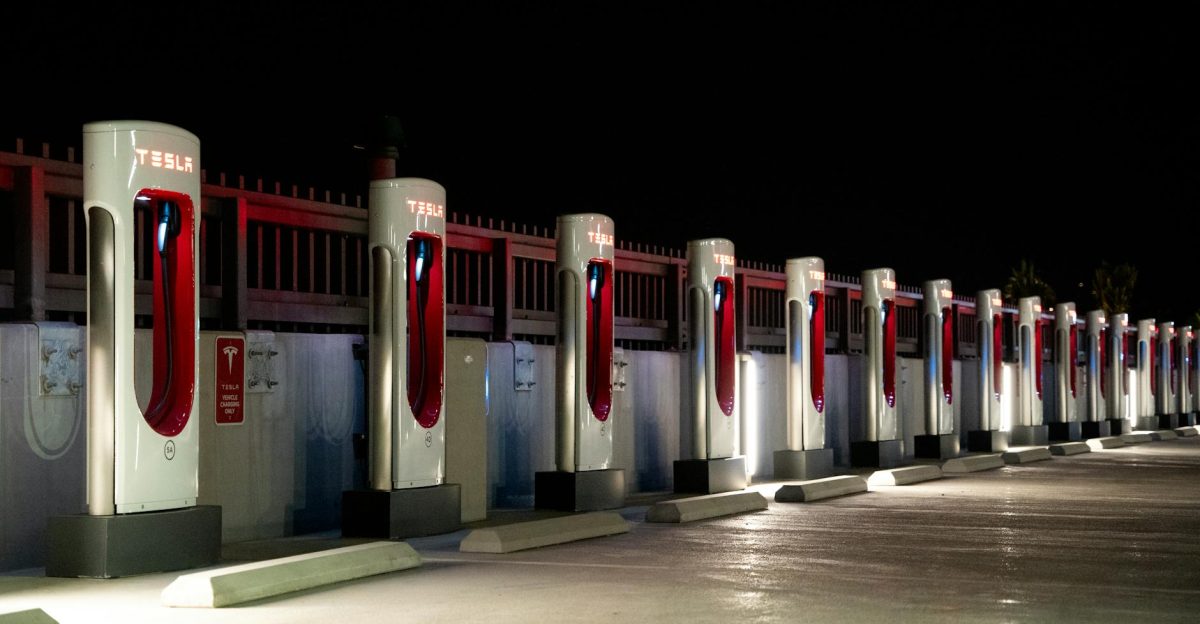
For years, Tesla’s Supercharger network stood as the main reason to choose a Tesla over competitors. Acceleration and screens drew attention, but the charging network sealed the deal.
The V4 Supercharger announcement doubled down on this advantage: Tesla offers the fastest, most reliable public charging in America. This turned charging infrastructure into a brand fortress. BYD’s announcement goes straight for that advantage, and the fight is now about time.
Breaking the Speed Barrier
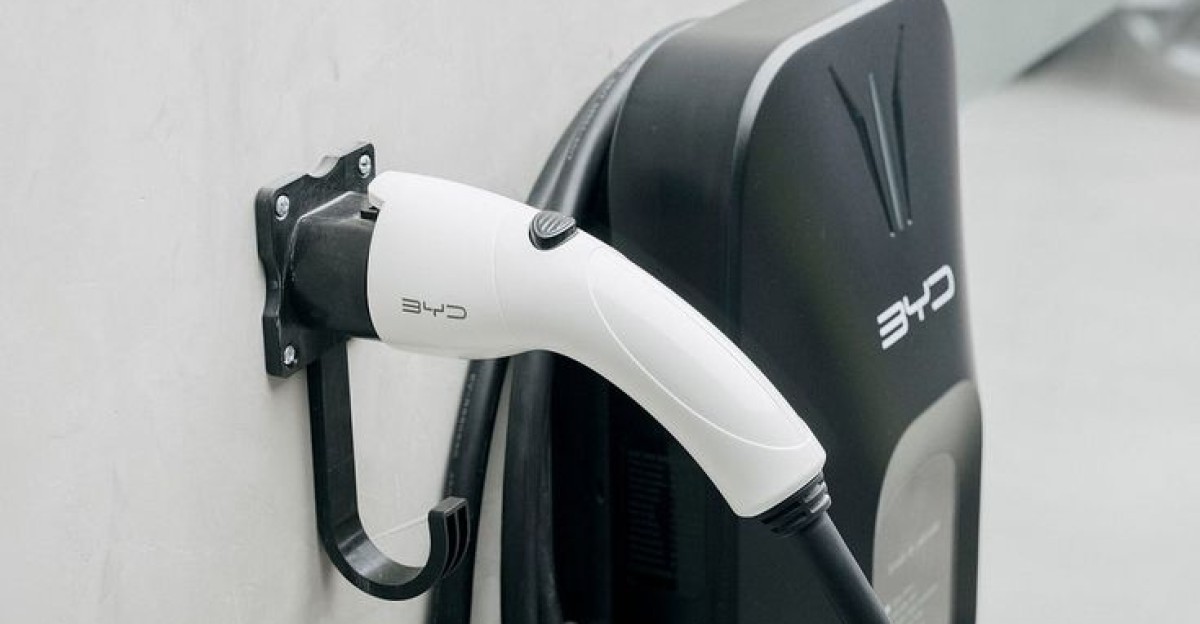
Several outlets described BYD’s 1,000-kilowatt claim as far beyond today’s typical fast-charging power levels. Car and Driver and InsideEVs both presented it as a leap, not a minor improvement. Bloomberg focused on the competitive impact of cutting charging time to minutes.
Most public chargers today offer only a fraction of that power. The idea that Tesla would hold a lasting lead in charging speed now faces a figure that changes the conversation.
BYD’s Five-Minute Promise
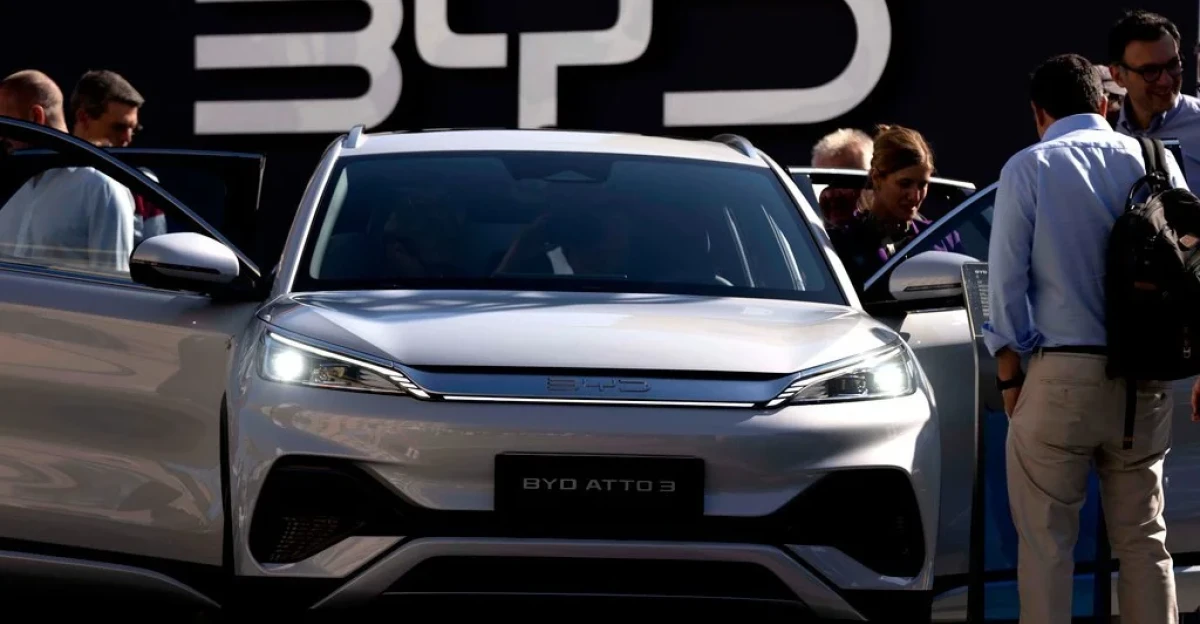
Reuters stated BYD’s claim directly: “It can add 400 km of range in five minutes.” That’s about 250 miles. Under BYD’s test conditions, the flash charging battery and megawatt platform deliver a range of around 1.33 kilometers per second.
The International Energy Agency points to charging infrastructure as a main bottleneck for EV adoption around the world. If BYD’s numbers hold up at scale, this announcement could remove the biggest roadblock between electric cars and everyday use.
The Power Challenge
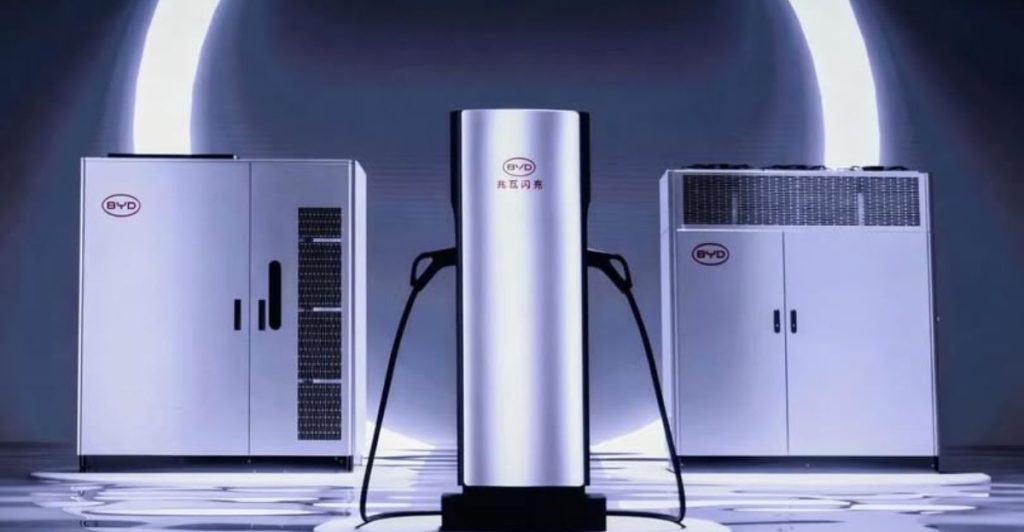
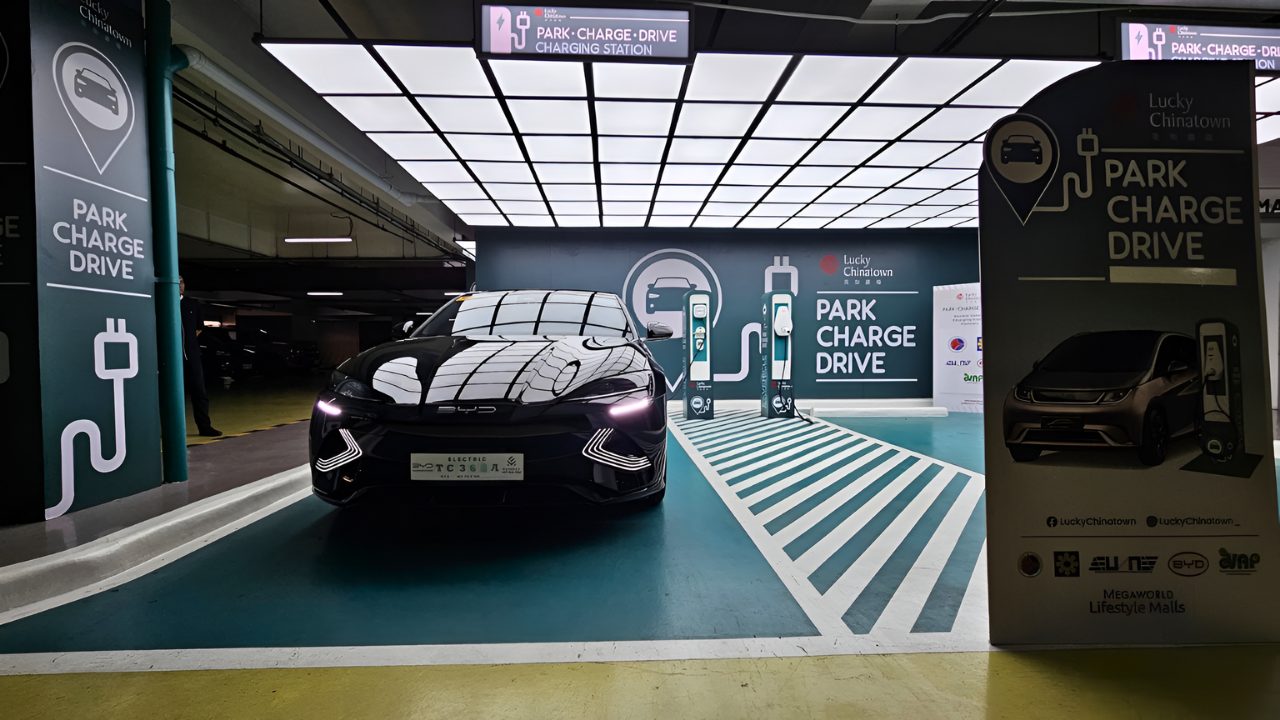
A 1,000-kilowatt charger delivers about one megawatt per stall. This is the kind of power draw usually seen in small industrial settings, now appearing in parking lots. The IEA notes that grid capacity, permitting, and utility partnerships control whether these charging speed claims prove real.
BYD’s news is more than a car platform. It brings utility-scale power demand into the realm of consumer products. The focus of the EV race shifted from batteries to infrastructure the instant one parking space needed a megawatt.
Speed That Changes Everything
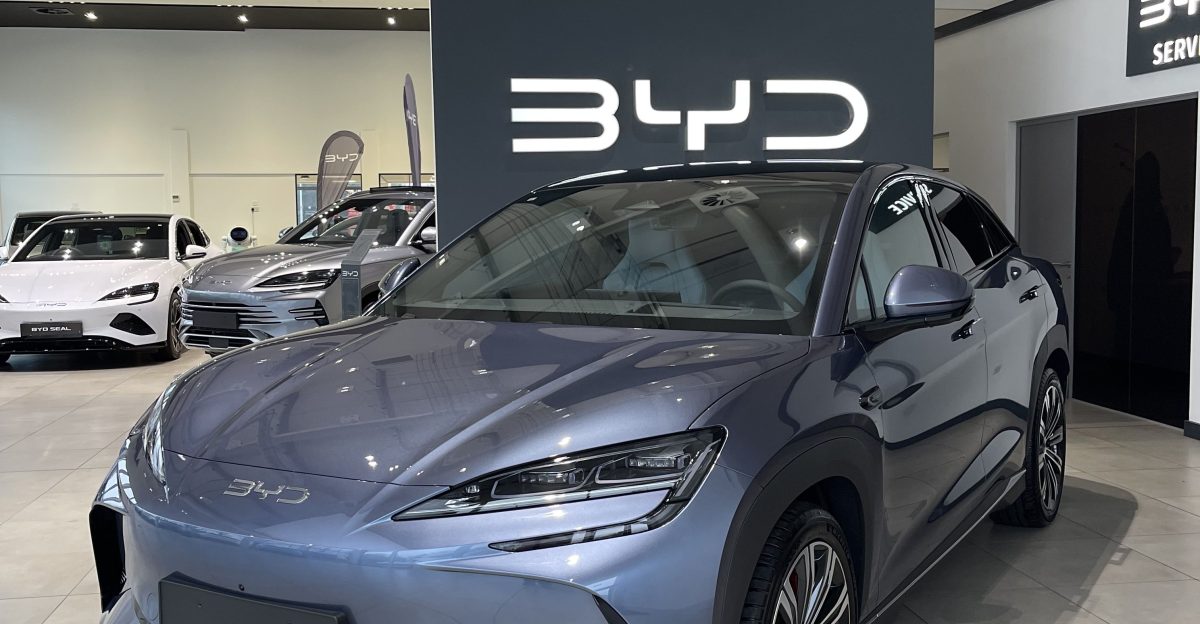
The numbers behind the charging rate are striking: about 4,800 kilometers per hour, using BYD’s 400-km-in-five-minutes claim. This changes how consumers think about charging. Anxiety over charging fades not because batteries have more capacity, but because recharging now fits into an ordinary break.
Reuters describes China’s EV market as fiercely competitive, with price wars and quick tech leaps fueling new announcements. The contest has moved from “best range” to “shortest wait.” BYD set the pace in seconds rather than hours.
The Market Reacts
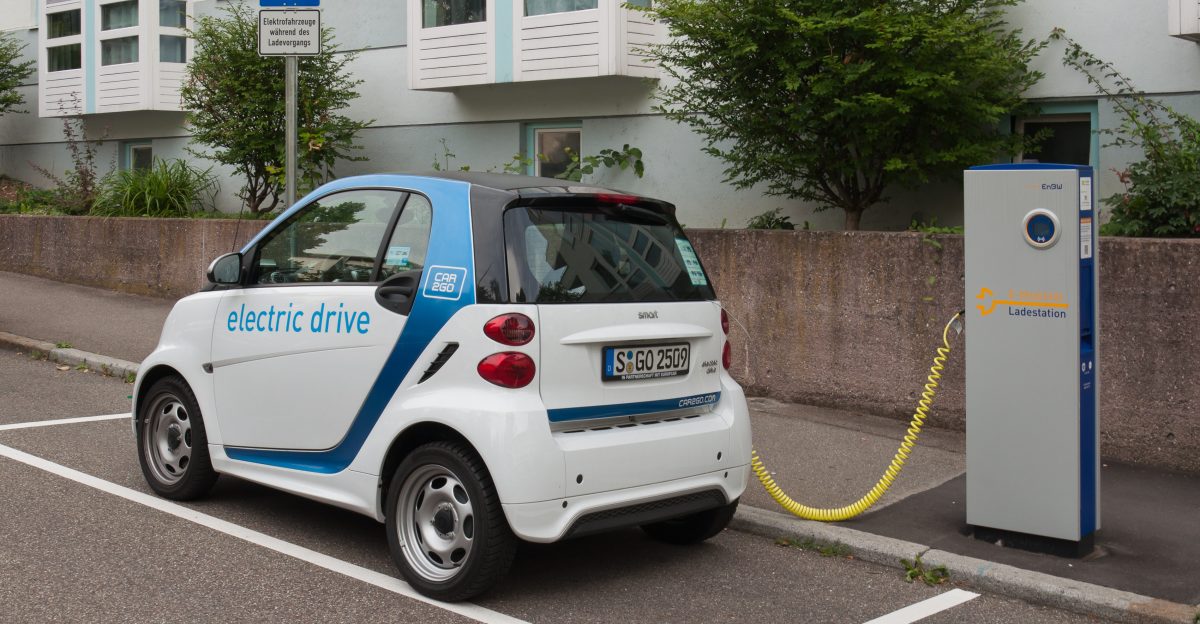
Competitors will roll out faster-charging plans and demonstrations. This much is expected. The bigger shift is structural. Charging hardware suppliers and utilities now hold the strategic cards in the EV market. Building higher-capacity sites increases upfront costs and could limit the number of locations, potentially creating new choke points even as charging gets faster.
Brands relying on network advantage without building out just as quickly face the highest risk. Tesla built the gas stations. BYD revealed the plans for larger ones.
A New Standard Emerges
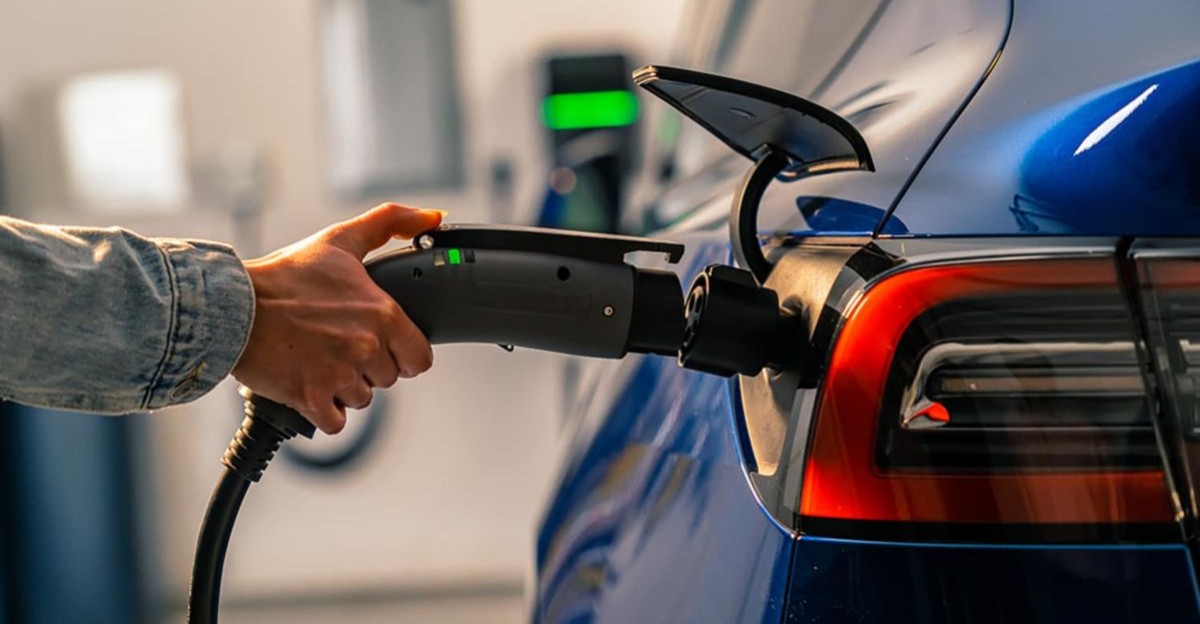
Megawatt-class charging is now a headline benchmark in EV marketing. This isn’t just another product cycle. It’s a new standard. The 800-volt systems appearing across the industry already seem outdated next to BYD’s 1,000-volt claim, and the race now points toward new connector types and platform standards in the near future.
The pattern stands out: EV leadership is really about infrastructure. The car with the fastest recharge wins.
The Roadblocks Ahead
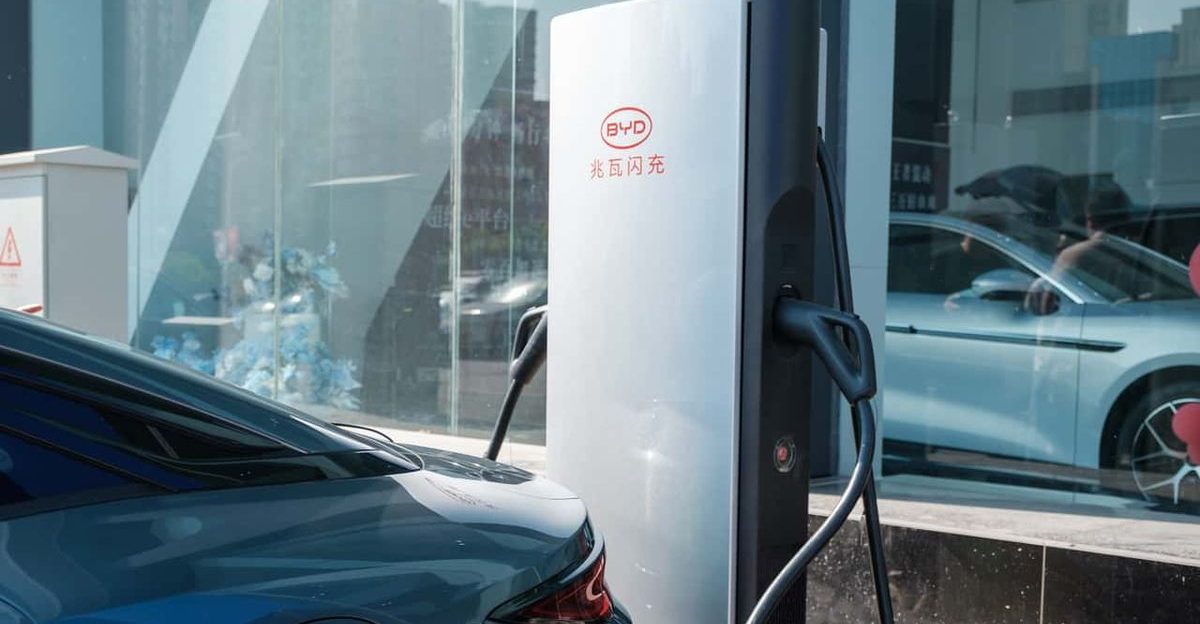
Rolling out these speeds in the real world depends on grid improvements, utility deals, and permitting schedules. These are the same adoption hurdles the IEA highlights. BYD’s claim comes from its specified test conditions. Scaling that to thousands of public chargers in many countries poses a new set of engineering challenges.
Tesla and other companies will grow and upgrade their networks, focusing on reliability and coverage. These are the qualities that matter most when the grid lags behind big promises. The arms race is underway. The grid is still catching up.
Choosing the Future of Charging
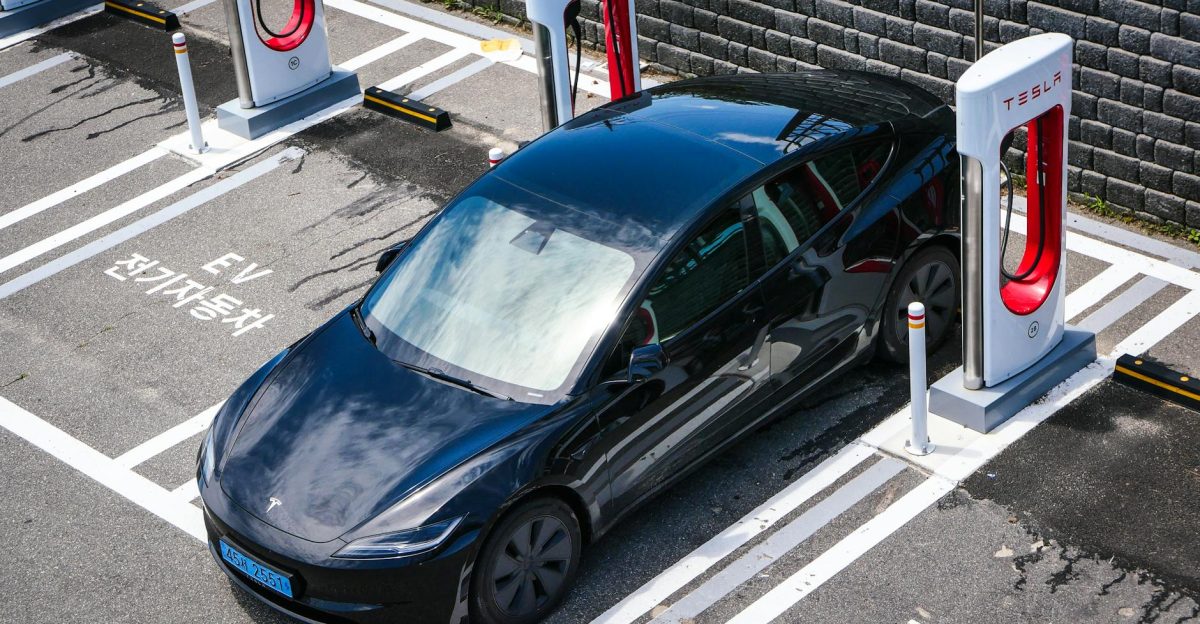
The question used to be which EV had the best battery. Now, the real decision is which charging ecosystem will define the next decade. BYD’s 1,000-kilowatt announcement challenged Tesla’s advantage in fast charging.
The real product is time and access, and the real contest is over the electrical grid beneath every parking lot. Control of megawatt infrastructure will determine who leads EV adoption. Most buyers haven’t recognized this framework yet.
Sources:
BYD Official Press Release | BYD Unveils Super e-Platform with Megawatt Flash Charging for Electric Vehicles, Matching Refueling Speeds | March 17, 2025
Reuters | China’s BYD Unveils Faster Charging EV Platform, Aims to Build Over 4,000 Charging Stations | March 17, 2025
Bloomberg Opinion | BYD Fast Charger Cemented China’s Lead on Tesla | March 18, 2025
Electrek | Tesla Announces 500 kW Charging as It Finally Delivers V4 Supercharger Cabinets | November 14, 2024
International Energy Agency | Global EV Outlook 2024 | April 2024