$45,000 Tesla Rival Launches With A Catch—Most Buyers Won’t Qualify For The Price
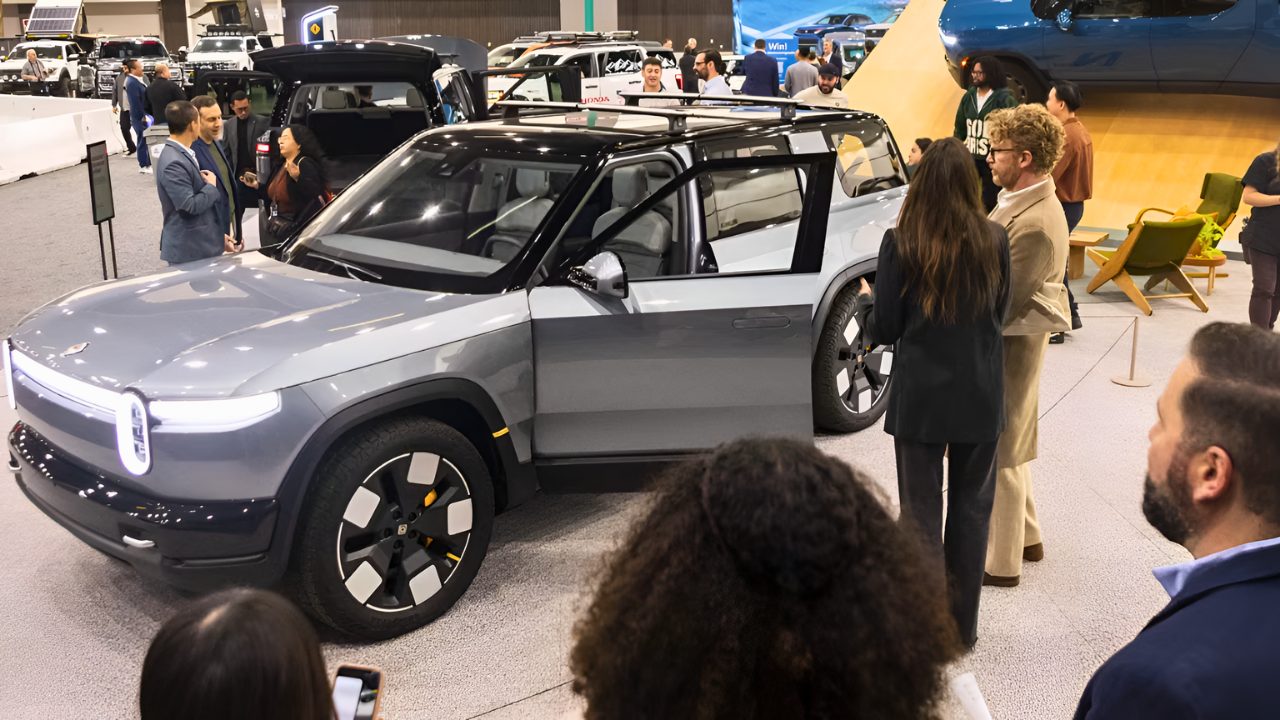
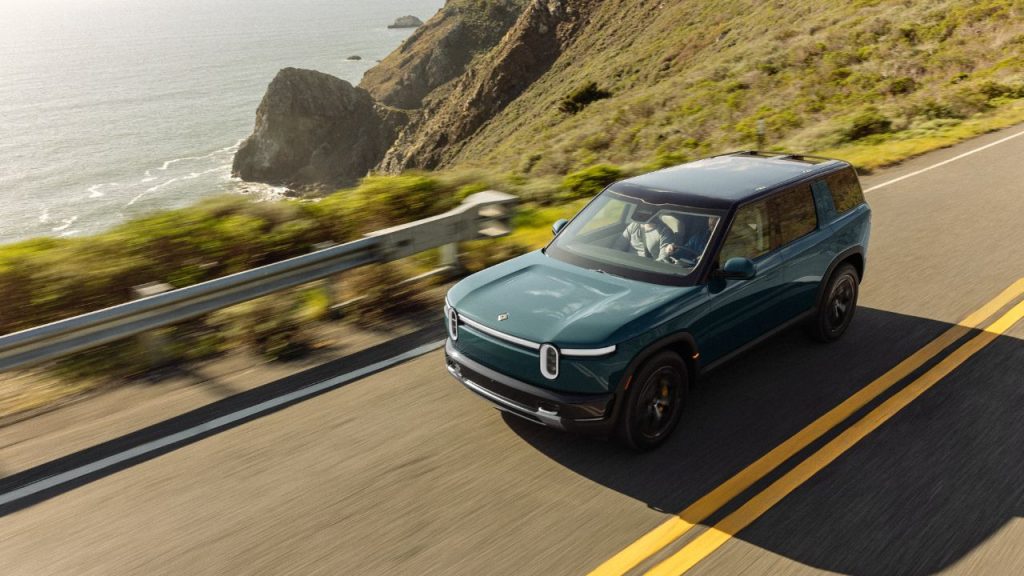
Rivian dropped a number that landed like a grenade in every EV forum in America: $45,000. A starting price designed to make families lean forward, open a calculator app, and start believing an electric SUV fits their budget. The R2 looked like the vehicle that would finally drag Rivian out of the luxury lane and into driveways where people argue about grocery bills. That number felt like a turning point. It was supposed to be simple. One price. One vehicle. One decision. But when full pricing arrived in March 2026, the first R2 available—a Performance trim with Launch Package—carried a sticker of $59,485, and the ~$45,000 base model won’t reach buyers until late 2027.
Not the Bargain It Looks Like
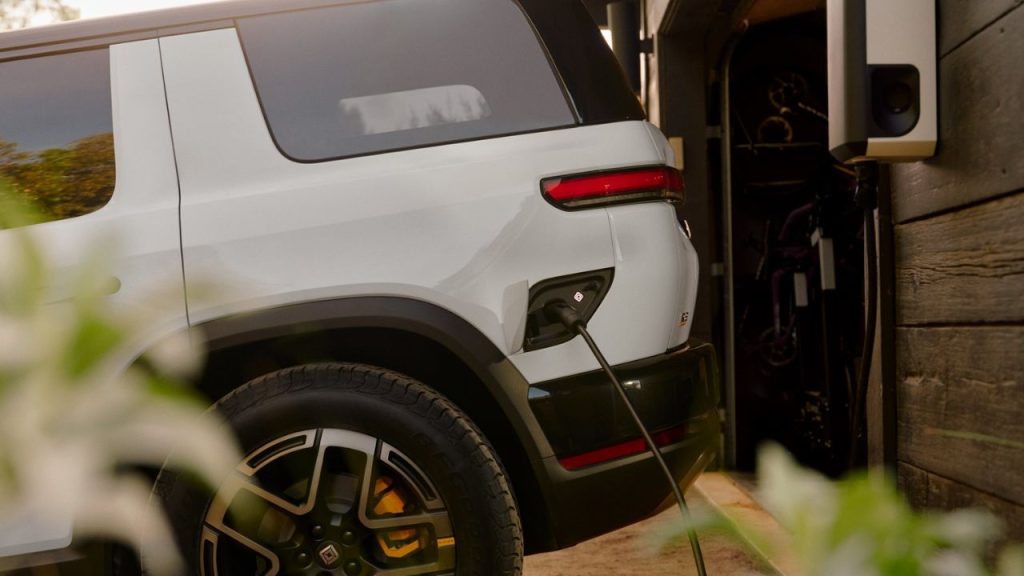
That $45,000 figure actually sits well below the average new-vehicle transaction price tracked by Kelley Blue Book, which topped $50,000 for the first time in September 2025. So Rivian’s eventual base price would represent a meaningful discount compared to the market average—but it’s a price nobody can pay today. The R2 trims buyers can actually order in 2026 start near $55,000–$60,000, which lands closer to the current EV average transaction price of roughly $58,000. For price-sensitive EV shoppers who assumed this was a budget play, the real launch sticker should raise more than an eyebrow.
What “Starting At” Actually Means

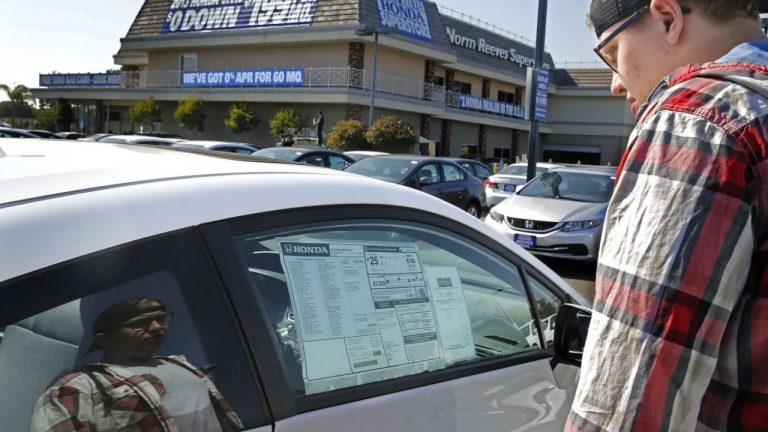
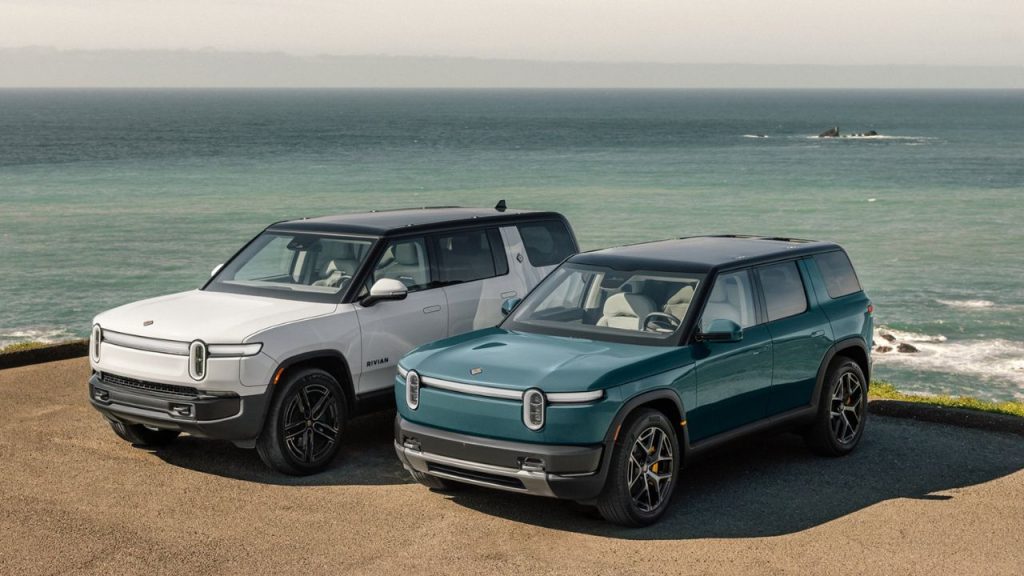
Most people hear “$45,000 EV” and assume they’ll pay $45,000. That assumption is the first thing this story kills. “Starting at” in the auto industry almost never means “what most buyers pay.” Trim packages, options, and configurations push real transaction prices higher. Rivian’s own pricing ladder proves it: four trims spanning from roughly $46,500 to nearly $60,000 including destination. Rivian has also revealed the smaller R3 line, including the R3X, as a future model family below the R2. Which means even Rivian knows $45,000 is the floor, not the ceiling, and the company is already planning cheaper alternatives.
The Credit Nobody Should Assume
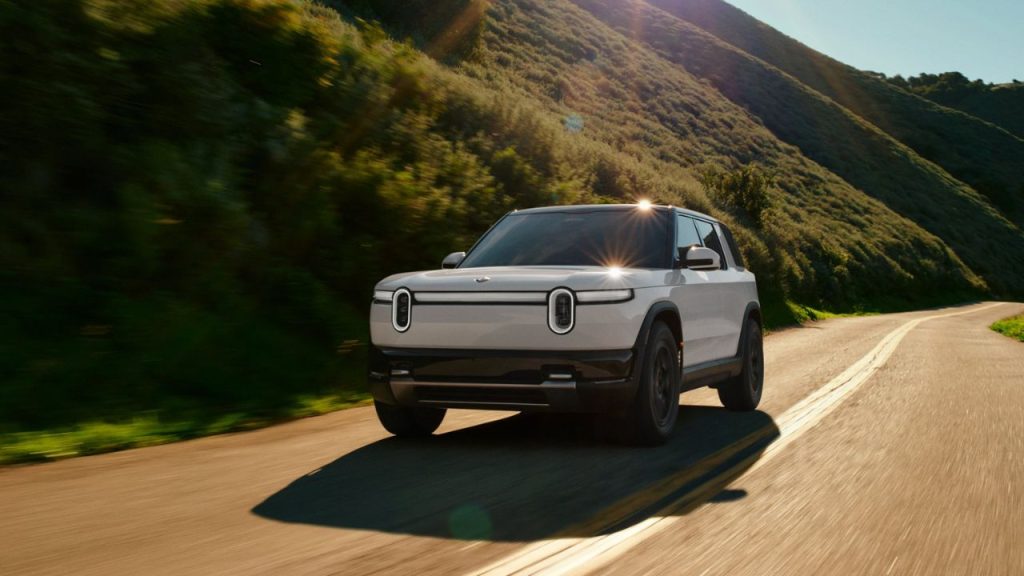
The federal clean vehicle credit has eligibility constraints tied to vehicle assembly location, battery-sourcing requirements, and taxpayer income limits. Rules-based. Not automatic. Not a coupon. The IRS decides who qualifies, and the criteria can exclude buyers based on factors they don’t control—including whether the R2 meets domestic content thresholds at the time of purchase. Income caps are relatively generous ($300,000 for joint filers, $150,000 for single filers), so most households fall within the limits. But vehicle-side sourcing rules are the harder gate, and a promised sticker price diverges from “effective price” the moment credits don’t apply. The credit is an eligibility test, not a discount.
Three Gears That Drive the Real Price
EV affordability runs on three gears: MSRP, eligibility rules, and time-to-delivery. Miss any one and the price changes. Federal credits operate as compliance frameworks, not universal rebates. The used clean vehicle credit exists as a separate program with its own price caps and income limits. Two pathways, two sets of gates, and both can slam shut on the same household. Think of it like a Black Friday deal that looks universal until the fine print reveals it applies to a narrower slice of customers than the ad suggested.
The Waiting Game Breaks Budgets
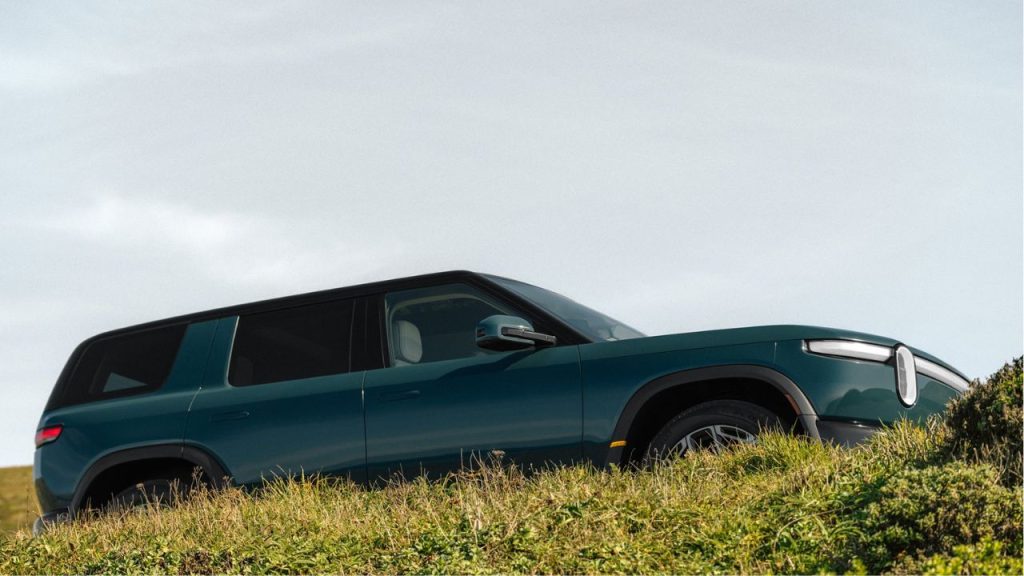
Rivian begins R2 deliveries in spring 2026 with the Performance trim, but the ~$45,000 base won’t ship until late 2027. That creates roughly 18 months of waiting risk for buyers planning around the headline price and today’s incentive rules. Incentive rules can change. Interest rates can shift. A family budgeting for a $45,000 EV with a $7,500 credit could arrive at the order window and discover neither the price nor the credit looks the way it did when they started planning. The gap between promise and purchase is where household budgets break.
Meanwhile the Competition Moves
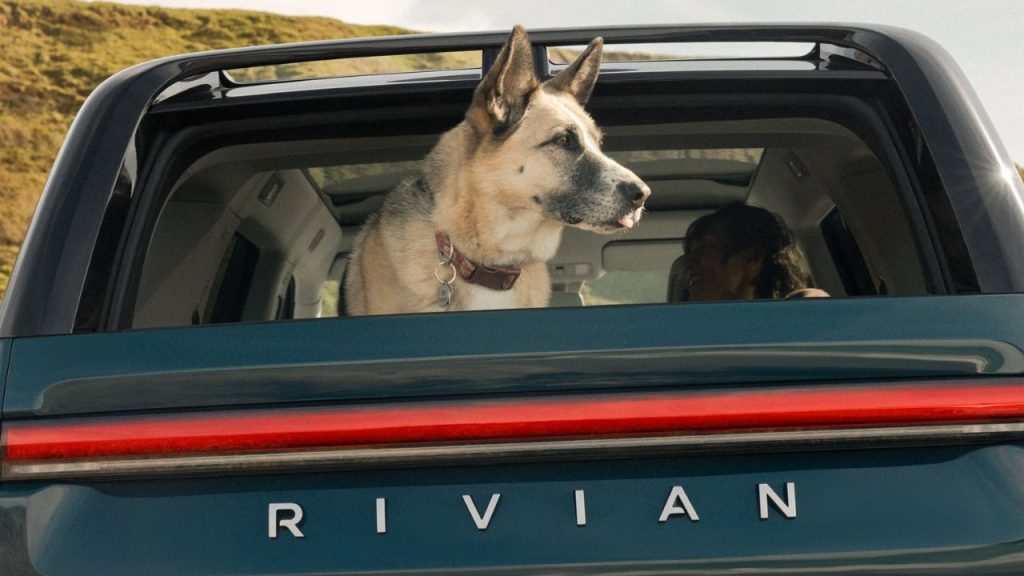
Shoppers waiting for the base R2 face a choice: delay purchases entirely or buy interim vehicles while the clock runs. Competitors can undercut Rivian with in-stock models and clearer pricing. Meanwhile, eligibility rules shape demand distribution across income brackets, and vehicle-sourcing requirements can disqualify models regardless of household income. Buyers who budgeted for credits they can’t claim become the next casualties. One vehicle’s pricing confusion ripples across an entire market segment already struggling with affordability anxiety.
The Playbook Everyone Will Copy
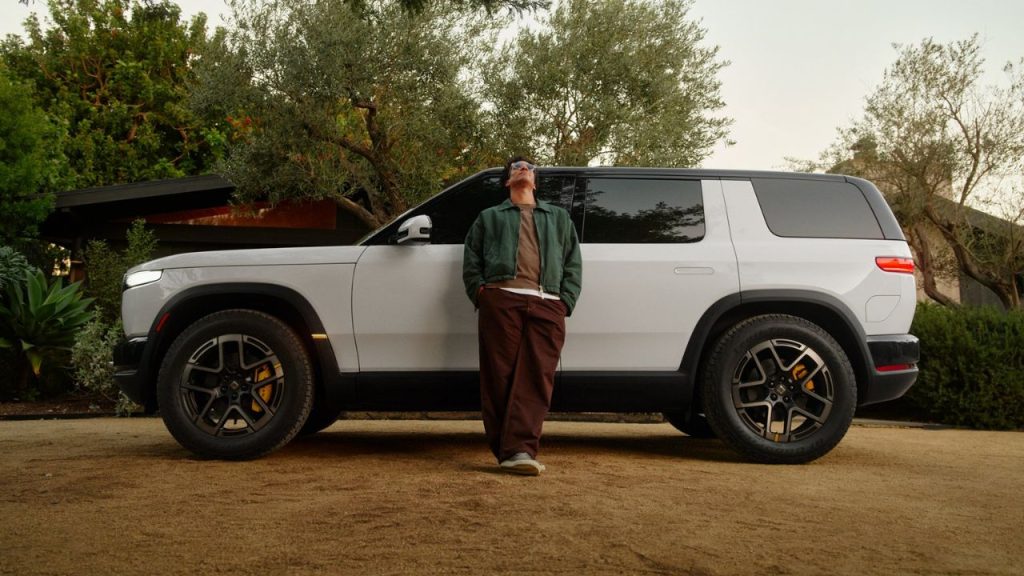
This story is bigger than one SUV. “Affordable EV” claims increasingly hinge on policy compliance, not engineering breakthroughs. That’s the precedent the R2 sets. More automakers will target “starting at” price points while upselling trims, because the headline number is marketing architecture, not a consumer guarantee. Once you see that pattern, every $45,000 EV announcement reads differently. The sticker is the bait. The system of credits, timelines, and configurations is the hook. Rivian didn’t invent this playbook. They’re just running it loudly.
Washington Still Holds the Keys
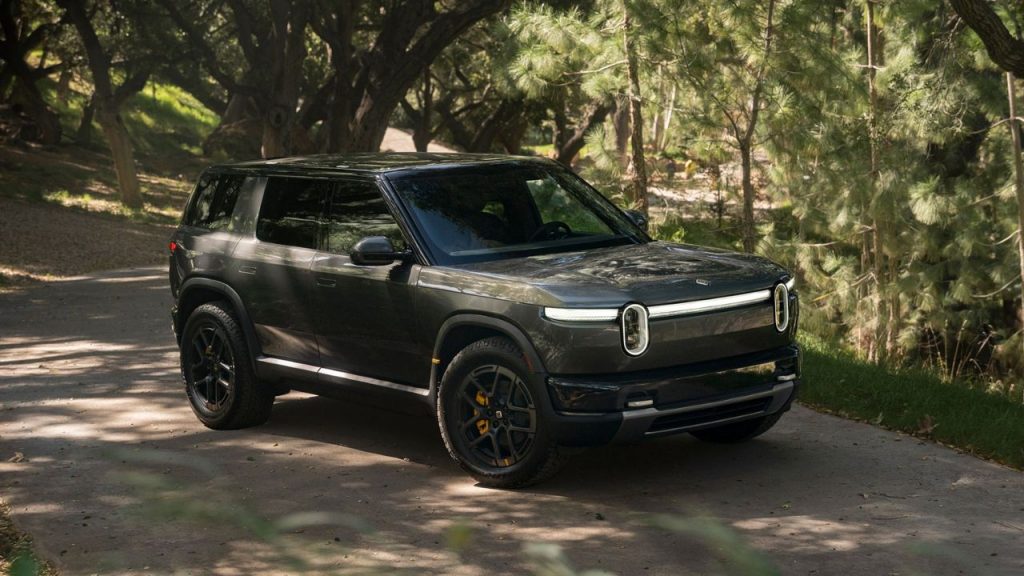
The DOE Loan Programs Office shapes which factories and models get built and when, adding another policy layer between announcement and delivery. Rivian closed a $6.6 billion loan guarantee from the DOE in January 2025 for its Georgia plant, where the R2 will be produced. If R2 production slips beyond its current schedule, every assumption baked into a buyer’s spreadsheet expires. Credit structures could tighten. Trim pricing could climb. The escalation path is clear: more promises pegged to starting prices, more fine print separating those prices from reality. The families who planned earliest may absorb the most risk, because time is the variable nobody prices correctly.
The Buyer’s Counter Move
Consumers have a counter move: shift to used EVs if new-vehicle credits don’t apply. That secondary market has its own credit program, its own caps, its own gates. The real status upgrade here isn’t knowing the R2 was announced at $45,000. Everyone knows that. The upgrade is understanding that “$45,000” is a headline, that the launch price is nearly $60,000, and that the system of IRS rules, production timelines, and trim reality decides who actually pays what. Rivian made a promise. Whether your household can collect on it—and when—is an entirely different vehicle.
Sources:
“Rivian Introduces R2 Lineup, Sharing Full Trims and Pricing.” Rivian Newsroom, 12 Mar 2026.
“New-Vehicle Average Transaction Price Hits Record High in September.” Kelley Blue Book / Cox Automotive, Oct 2025.
“New and Used Clean Vehicle Tax Credits.” U.S. Department of Energy, Office of Energy Efficiency & Renewable Energy, 2025.
“DOE Announces $6.57 Billion Loan to Rivian to Support the Construction of EV Manufacturing Facility in Georgia.” U.S. Department of Energy, Loan Programs Office, 16 Jan 2025.