$26.5B U.S. Pothole Crisis Slams NYC As Spring Thaw Shreds Streets
That sickening drop when your front tire vanishes into a crater that wasn’t there last week. Across New York City, spring has turned streets into obstacle courses. Residents describe worsening road damage after a brutal winter, with pavement breaking apart block by block. The city knows pothole season is here. So does every axle, rim, and alignment shop in the five boroughs. The real question? How long does each crater sit before anyone does something about it?
Winter’s Bill Comes Due
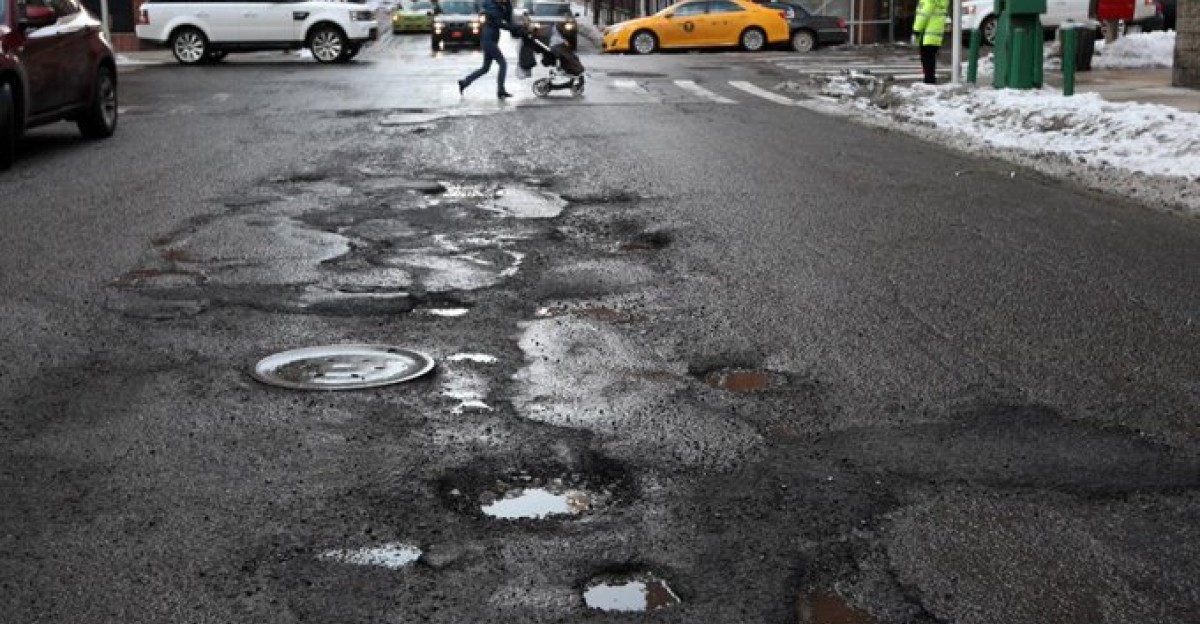
This wasn’t random bad luck. NYC entered spring carrying damage from a punishing winter, and the freeze-thaw cycle turned hairline cracks into wheel-eating holes. Here’s how it works: water seeps into pavement, freezes, expands, then thaws. Traffic does the rest. The New York State DOT confirms this mechanism as the standard production line for potholes in cold-weather regions. Every temperature swing around freezing accelerates the process. The streets didn’t just age over winter—they got manufactured into a minefield, one freeze cycle at a time.
The Assumption You’re Making
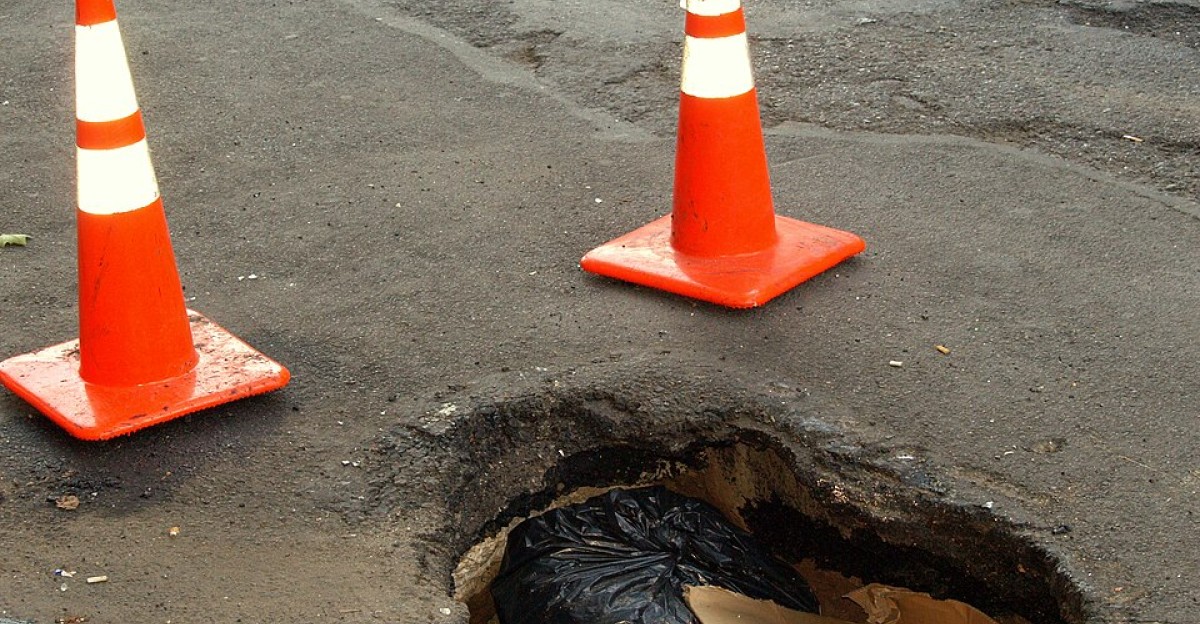
Most drivers assume the city already knows where the holes are. That assumption is wrong. NYC DOT relies on residents to report potholes through 311—by phone, app, or online. No report, no dispatch. The repair clock doesn’t start when the pavement collapses. It starts when somebody picks up a phone. That means an unreported crater on a side street can sit for days, weeks, or longer while the city’s repair crews work from a complaint queue. The sensor network for NYC’s roads? It’s you.
The Two-Day Reality Check
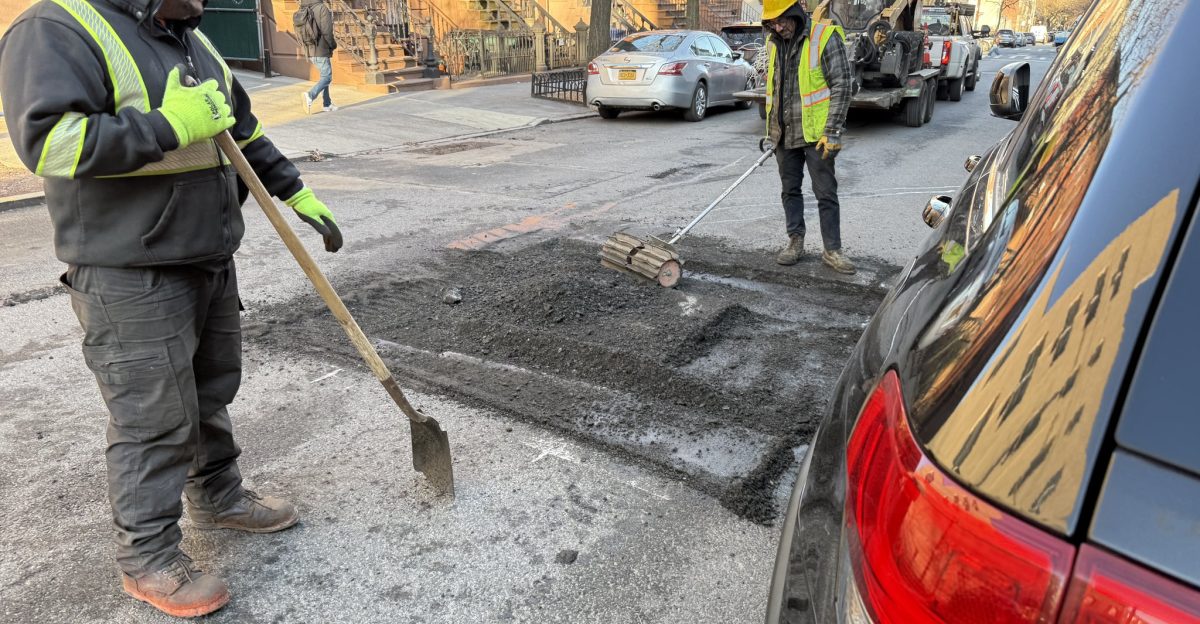
Here’s the number that reframes everything: NYC DOT currently averages about two days to fix reported potholes, according to recent city data. That sounds fast. Except that the clock only starts ticking after a 311 complaint lands, and the city’s official service window is up to 15 days. The bottleneck was never asphalt supply or crew capacity—it was detection. A pothole can shatter a rim on Monday morning and sit untouched until someone files a report on Wednesday. The fast turnaround is real. The gap before it starts is where the damage happens.
The Hidden Cost Nobody Talks About
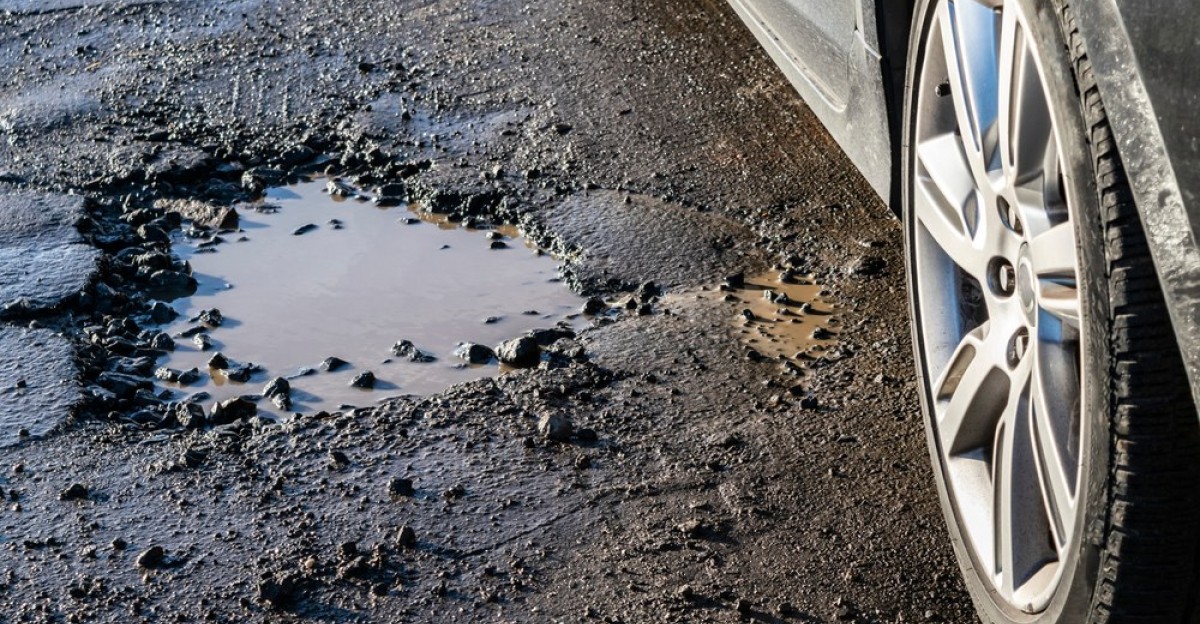
Nationally, AAA estimated that potholes cost U.S. drivers approximately $26.5 billion in vehicle damage in 2021 alone—covering blown tires, bent rims, and wrecked suspensions absorbed by household budgets. NYC sits on the front line of that bill. Freeze-thaw doesn’t just degrade pavement. It degrades vehicle control, especially for cyclists and anyone on smaller wheels. The Federal Highway Administration identifies pavement surface defects as factors that can reduce friction and compromise safety. Each unfixed hole is a liability sitting in the lane.
The Meter’s Always Running
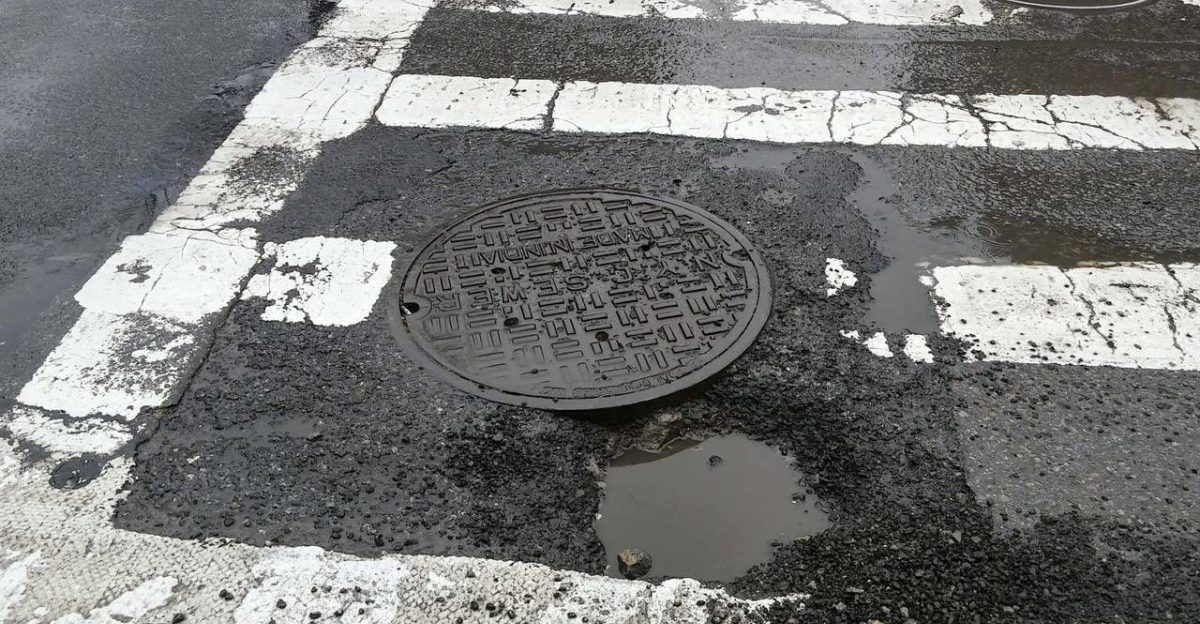
NYC’s Comptroller publishes an annual claims report tracking lawsuits and payouts tied to street and sidewalk conditions. Pothole-related claims feed directly into that ledger. Every crater that lingers unreported extends the city’s exposure window. The system creates a strange incentive loop: the faster citizens report, the faster DOT patches, and the smaller the claims liability grows. But nobody hired eight million New Yorkers to be road inspectors. The city’s fiscal risk rises with every hole that outlasts the complaint queue.
The Ripple Effect Hits Your Wallet
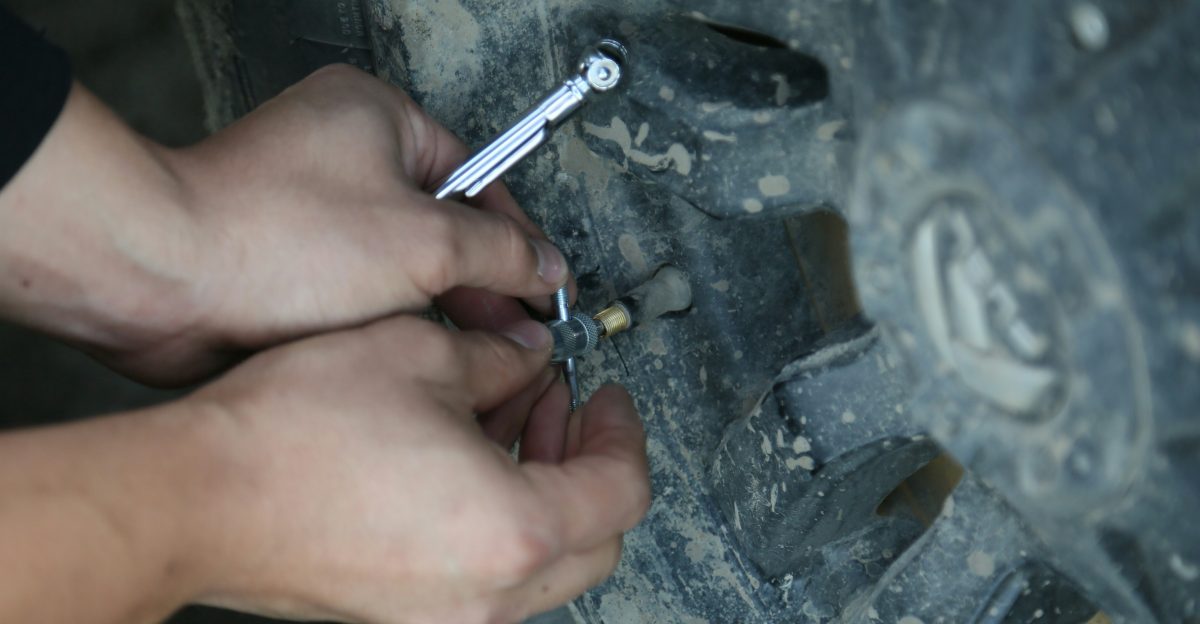
The damage doesn’t stop at the edge of the pothole. Peak season drives increased demand for tires, alignments, and wheel repairs, hitting wallets already stretched by commuting costs. Cyclists on heavily trafficked corridors face repeated exposure on roads that get patched and re-cratered in the same freeze-thaw window. More failures generate more 311 complaints, and more complaints risk creating a backlog that pushes repair times past the current average. One seasonal physics event cascades into a transportation-budget hit for millions of households.
The New Rule You Need to Know
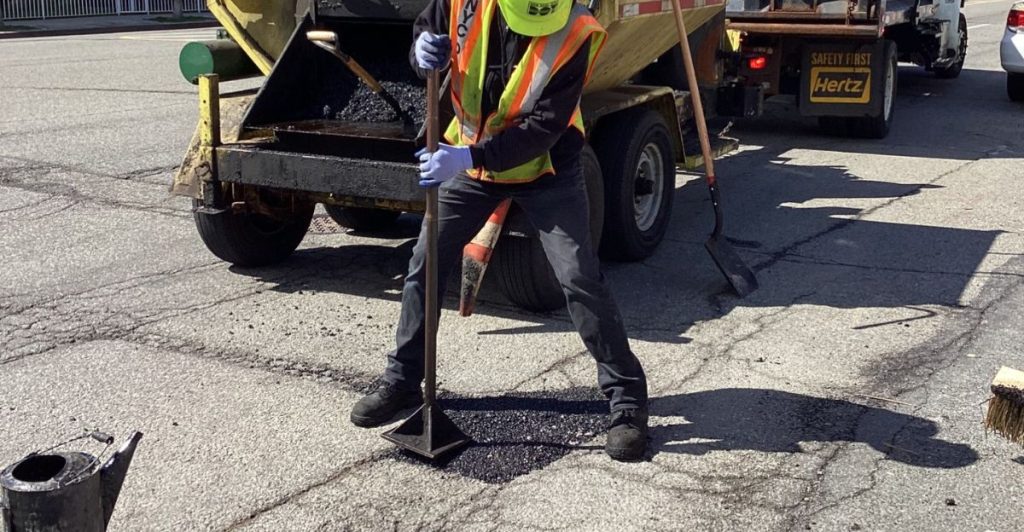
This pattern isn’t an exception—it’s the rule. NYC’s annual claims infrastructure treats pothole damage as a recurring governance cost, tracking and publishing it every year. Freeze-thaw cycling is a documented, repeatable mechanism in every cold-weather city. Once you see it, the framing shifts permanently: the “pothole problem” is really a sensor-and-throughput problem. The city can patch fast. It just can’t see fast. And that gap between pavement failure and system awareness is where every dollar of damage, every bent rim, and every injury claim lives.
What Comes Next
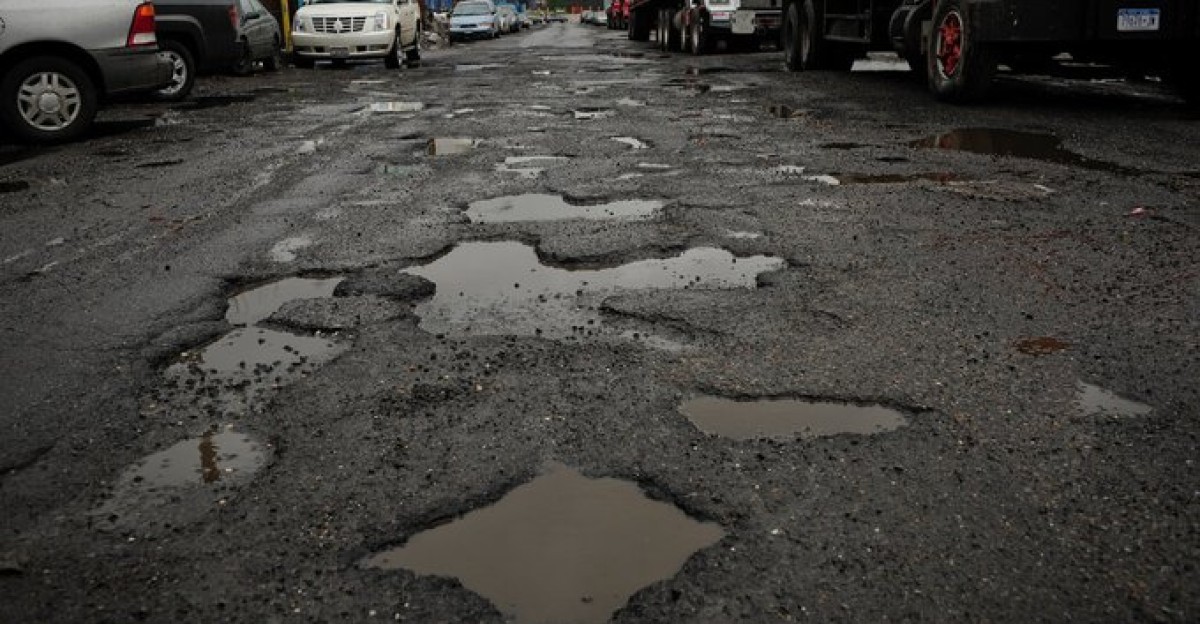
More freeze-thaw cycles are baked into every remaining cold snap. Each one feeds the production line. Cyclists and drivers on repeatedly patched corridors lose next, riding surfaces that weaken faster with every repair-and-recrack cycle. The escalation path is straightforward: more failures, more complaints, and growing backlog risk that stretches response times. The current two-day average holds only if reporting volume doesn’t overwhelm dispatch capacity. Nobody in the city government has publicly addressed what happens when the complaint queue outpaces the crews.
Your Move: Become the Sensor
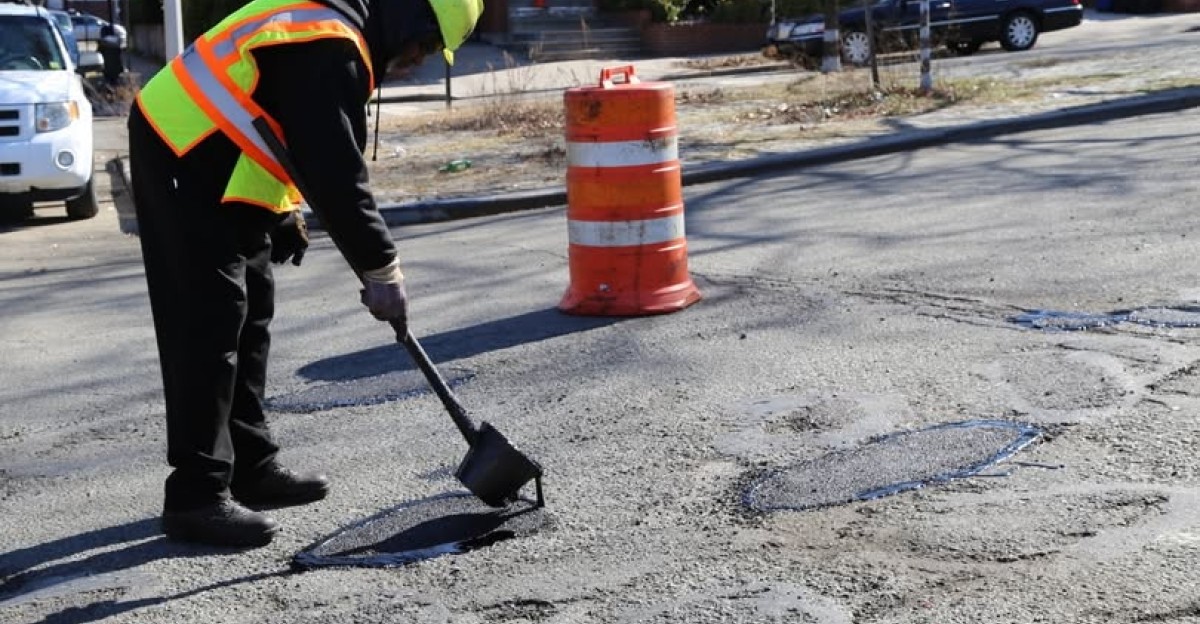
The countermove is unglamorous but real—faster detection through more reporting and prioritized patching aligned with safety risk. That means when you call 311, you’re not just complaining. You’re operating the city’s road-surveillance system. Most New Yorkers don’t know the repair clock starts only after they report it. Now you do. That makes you the person at the bar who understands why the crater on your block outlasted three rainstorms. The pothole didn’t survive because nobody could fix it. It survived because nobody told the city it existed.
Sources:
AAA, “Potholes Pack a Punch as Drivers Pay $26.5 Billion in Related Vehicle Repairs,” March 2022
NYC DOT / NYC 311, “Pothole or Cave-In on Street,” official service page (standing/undated)
Gothamist, “Brutal Winter Makes for Bumpy Ride as Pothole Season Arrives in NYC,” March 2025
NYC Comptroller Brad Lander, “Comptroller Lander’s New Dashboard Tracks City Claims; City Paid Nearly $2B in Settlements Last Fiscal Year,” April 30, 2025
NYC Mayor’s Office / NYC DOT, “Mayor Mamdani Launches Major Pothole Blitz Following Record-Setting Winter,” March 2026
FHWA, “Low-Cost Treatments for Horizontal Curve Safety / Pavement Countermeasures,” 2016 (standing reference)