$5.7B Canada-US Bridge Posts ‘Significantly Lower’ Tolls—Legacy Operators Face Traffic Exodus
Somewhere between Detroit and Windsor, a toll schedule just changed the math for every trucker, commuter, and fleet manager who crosses that border. The Gordie Howe International Bridge — originally contracted at C$5.7 billion in 2018, a figure that has since climbed to C$6.4 billion after pandemic-era cost overruns — posted its official toll schedule in March 2026, and the numbers landed like a grenade in a corridor that’s operated the same way for decades. Two legacy crossings have owned this route. They’ve set the prices. They’ve controlled the flow. Now there’s a third option, and it came in cheap.
Two Operators and No Alternatives
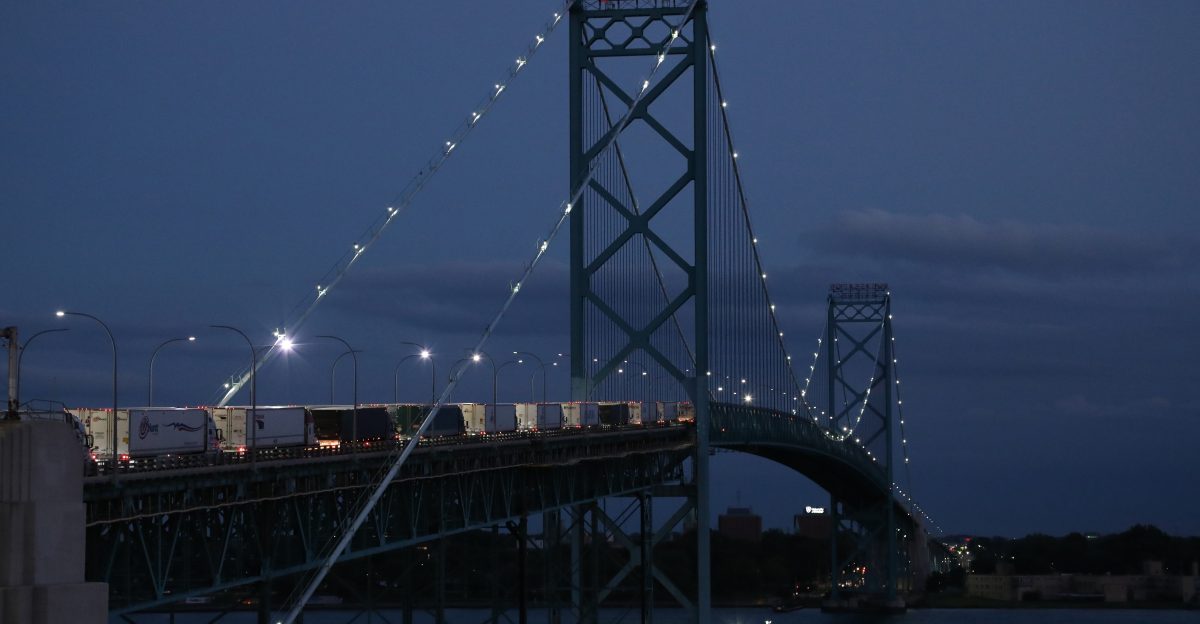
The Ambassador Bridge and the Detroit-Windsor Tunnel have published their own toll rates for years. Drivers paid what they paid because there was no alternative. That’s the quiet leverage of a duopoly: you don’t need to justify your pricing when there’s nowhere else to go. Both operators post rates on their official websites, transparent enough on paper. But transparency without competition is just a menu with one restaurant. The Gordie Howe Bridge is about to open a second kitchen across the street.
Everything Drivers Assumed Was Wrong
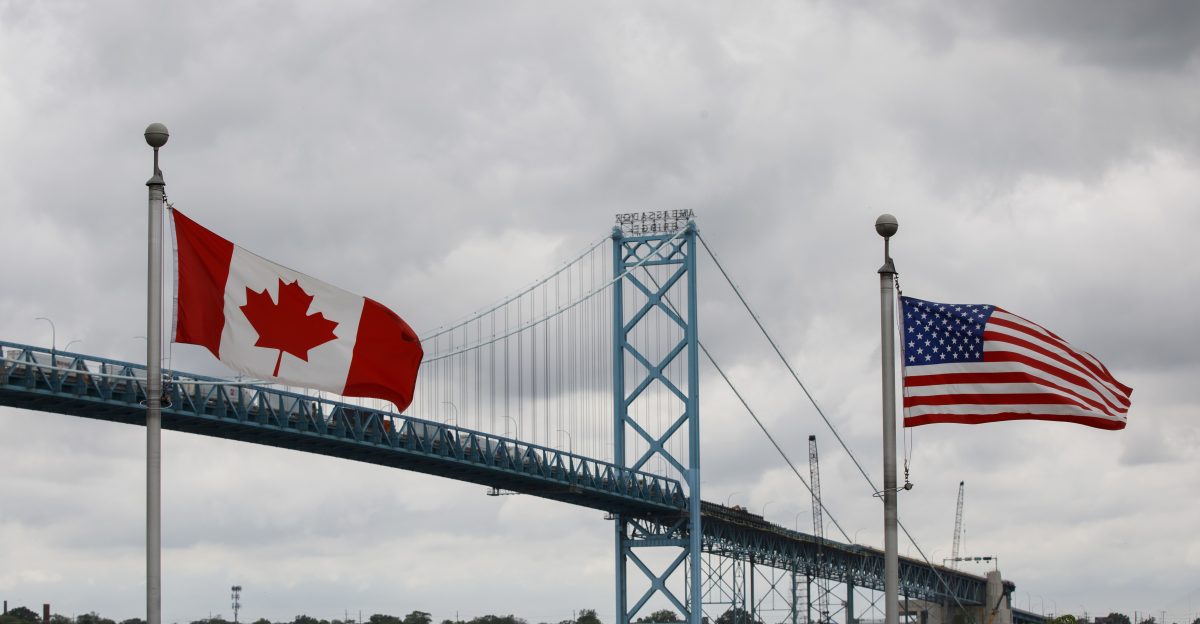
Most people assumed a brand-new international crossing would cost more to use. New infrastructure, new tolls, higher price. That’s how it usually works. Except the Gordie Howe Bridge flipped the script. Its posted tolls are described as significantly lower than both the Ambassador Bridge and the Detroit-Windsor Tunnel. The newest crossing in the corridor is the cheapest. That reversal challenges everything drivers assumed about what was coming, and it raises an uncomfortable question about what the old crossings have been charging all along.
The Toll Schedule Is the Real Weapon
The bridge is concrete and steel. The weapon is the toll schedule. The Windsor-Detroit Bridge Authority published an official pricing structure designed to pull traffic, not just recover costs. Significantly lower. Posted publicly. Instantly comparable. Three crossings are set to compete for the same trips in the same corridor, and the newest one set the floor. Every fleet manager with a spreadsheet can see the difference. Every commuter with a phone can price-shop before merging onto the highway. The old pricing power just evaporated.
Steering Traffic by Price

Toll-setting isn’t accounting. It’s behavioral engineering. The WDBA publishes an official schedule that functions as a governance tool, steering trucks and commuters by cost the way a thermostat steers temperature. Set the price lower, and traffic follows. That’s the hidden system beneath this story: three parallel crossings with three separate pricing regimes, all visible, all set to compete for the same drivers. Cross-border mobility is about to become a marketplace. And in a marketplace, the cheapest option with comparable service wins the first wave of converts.
Three Tabs and a Decision
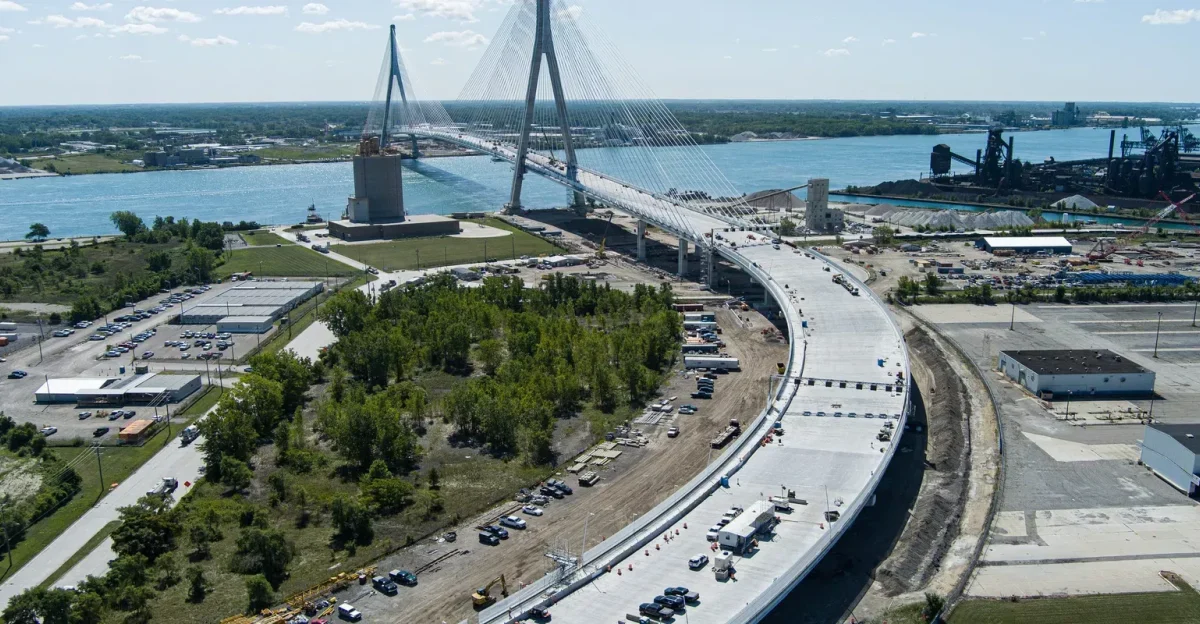
All three crossings now post official toll rates on their own websites. That’s the detail that makes this a knife fight, not a press release. Drivers don’t need analysts or news reports. They can pull up three tabs, compare numbers, and plan a route before breakfast. The Ambassador Bridge posts its rates. The tunnel posts its rates. The Gordie Howe posts its rates. When the newest option is described as significantly cheaper than both incumbents, side-by-side transparency becomes a competitive weapon the old guard handed to its own rival.
What Happens When Fleets Start Switching
Cheaper tolls don’t just save individual drivers money. They reroute spending, shift congestion patterns, and move economic activity between the Detroit and Windsor approaches. Competing crossings now face pressure to adjust their own tolls or roll out discount programs to retain traffic. Higher-priced operators risk real volume loss if price-sensitive fleets switch. And fleets are, by definition, price-sensitive. One bridge’s toll schedule is quietly redrawing the commercial geography of a corridor framed by federal authorities as a critical Canada-U.S. trade connection.
A Precedent That Won’t Reverse
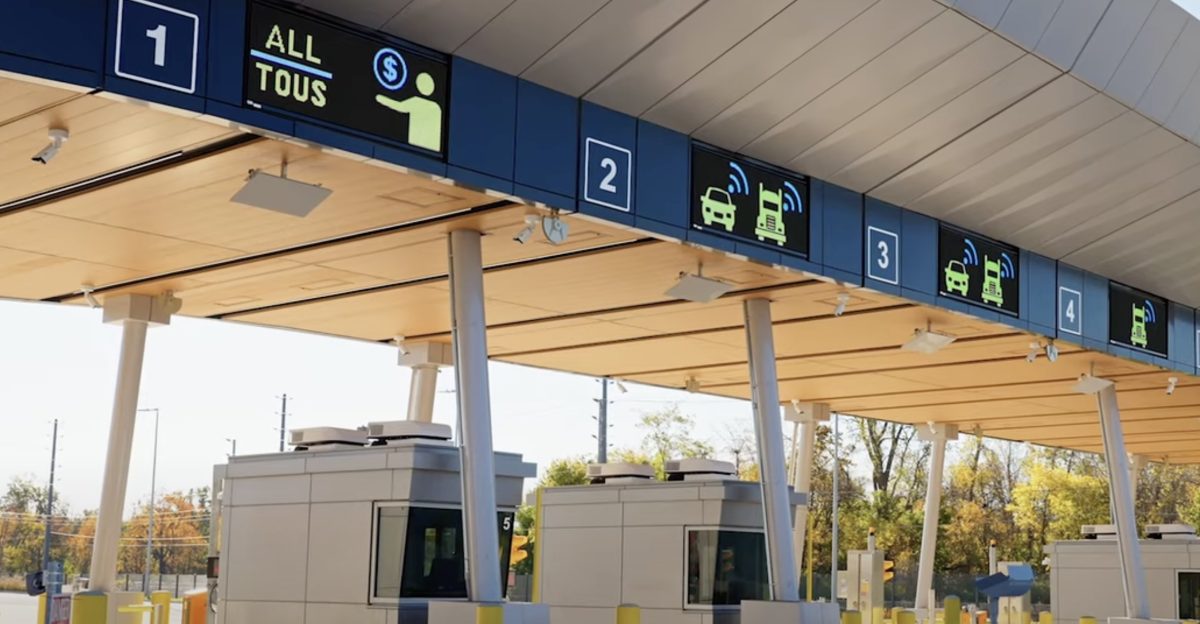
This isn’t an exception. It’s a precedent. Toll-setting just became an explicit competitive strategy in one of North America’s most important cross-border corridors. The Gordie Howe Bridge didn’t just add capacity and redundancy to the Detroit-Windsor link. It’s introducing price competition where none existed. Once you see that the bridge is the product but the toll lever is the real weapon, the entire corridor looks different. Every future pricing decision by any operator now happens in a three-way market, not a protected lane.
Cut Prices or Justify the Premium
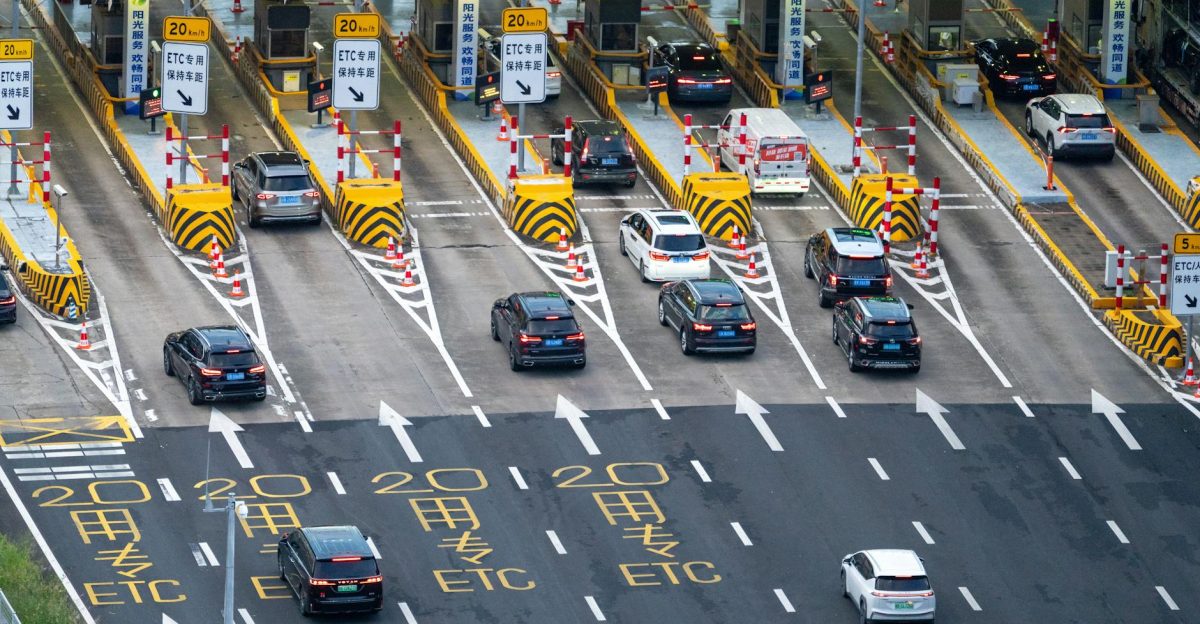
The first move is comparison shopping. Drivers and fleets test-route the cheaper crossing. If traffic shifts materially, the incumbents face a choice: cut prices and eat the margin, or double down on speed, reliability, and loyalty programs to justify the premium. Neither option is painless. Price cuts erode revenue. Service upgrades cost money. And the political dimension hasn’t even surfaced yet. When toll fairness and congestion management become public debates, the corridor fight moves from spreadsheets to city councils.
What Most People Will Miss
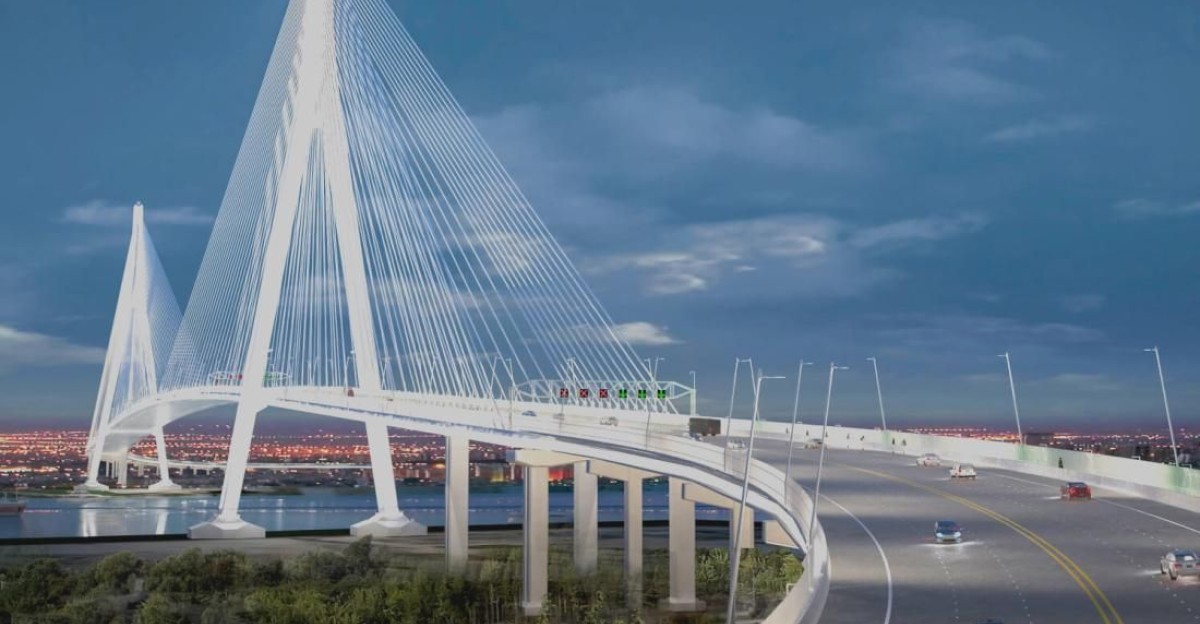
Here’s what most people will miss about this story. The Gordie Howe Bridge didn’t just open a new road. It’s poised to turn a duopoly into a marketplace. The person who understands that toll schedules are steering tools, not billing statements, sees the whole corridor differently than everyone arguing about concrete and construction costs. Incumbents will counter with convenience pitches and loyalty plays. Whether that’s enough to hold traffic against a cheaper posted price is the open bet nobody in Detroit or Windsor can answer yet.
Sources:
“Toll Rates.” Gordie Howe International Bridge (official site), 11 Mar 2026.
“Gordie Howe Bridge announces toll prices significantly lower than Ambassador Bridge, Detroit-Windsor Tunnel.” ClickOnDetroit / WDIV Local 4, 11 Mar 2026.
“Both Ambassador Bridge and Detroit-Windsor Tunnel to cost more in 2026.” ClickOnDetroit / WDIV Local 4, 31 Dec 2025.
“Gordie Howe Bridge cost rises to $6.4B amid delay.” Construction Dive, 8 Jan 2024.