GM’s Thin Oil Spec Faces Nationwide Rebellion As Owners Demand Thicker Protection
A Silverado owner pulls into the dealer bay, towing trailer still hitched, and asks a question that shouldn’t rattle anyone: what oil is in my engine? The answer, 0W-20, lands like a confession. Across the country, GM truck owners who haul, tow, and work their V8s in sustained heat are staring at their owner manuals and feeling the same knot in their stomachs. The factory spec was supposed to settle the question. Instead, it started a fight.
Loaded Stakes
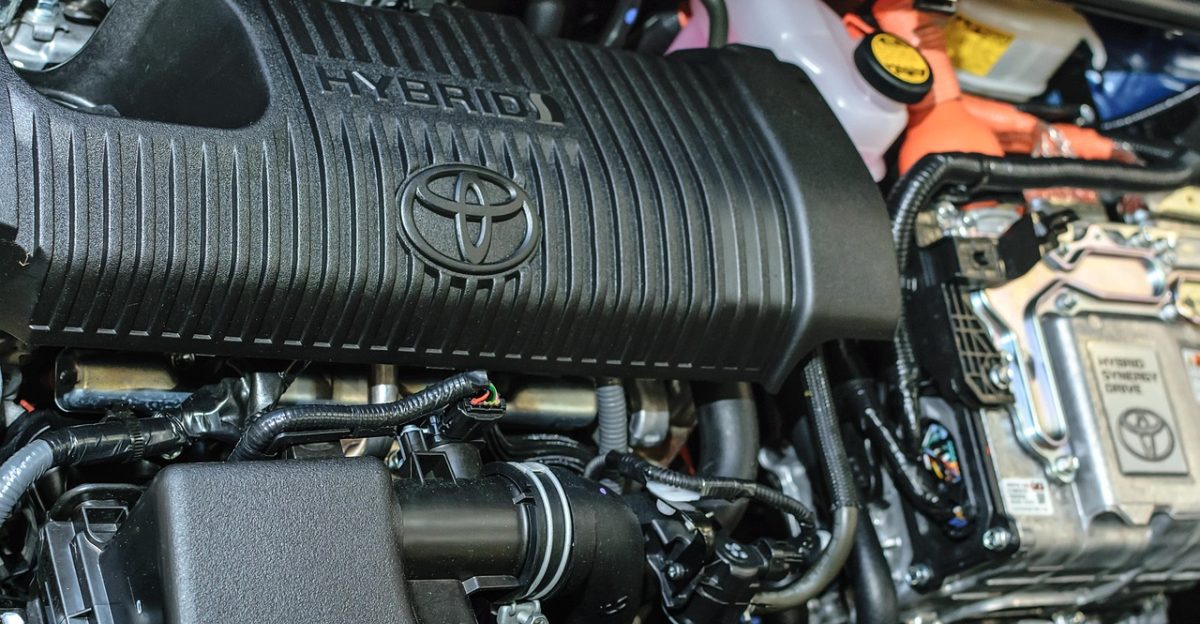
The tension didn’t come from nowhere. GM publishes official viscosity specifications in every owner manual, and for modern V8 trucks, those specs increasingly point toward lower-viscosity oils like 0W-20. Follow the manual, protect the warranty. Simple enough on paper. But truck owners who regularly tow heavy loads through summer heat know their engines don’t live on paper. They live at sustained RPM, under thousands of pounds of tongue weight, in conditions the average test cycle never simulates. That gap between the manual and the mud is where trust starts cracking.
When the Myth Cracks

Most owners assumed the factory oil spec existed purely to protect the engine. Reasonable belief. Turns out, it’s more complicated. The EPA’s Automotive Trends reporting documents relentless industry pressure to reduce CO2 emissions and improve fuel economy, and lower-viscosity oils are one of the cheapest friction-reduction tools an OEM can deploy. That means the “recommended” oil in the manual isn’t just about your engine. It’s also about a compliance spreadsheet you never signed. Like running eco tires on a work truck: better mileage, less margin under load.
Where the Real Fight Lives
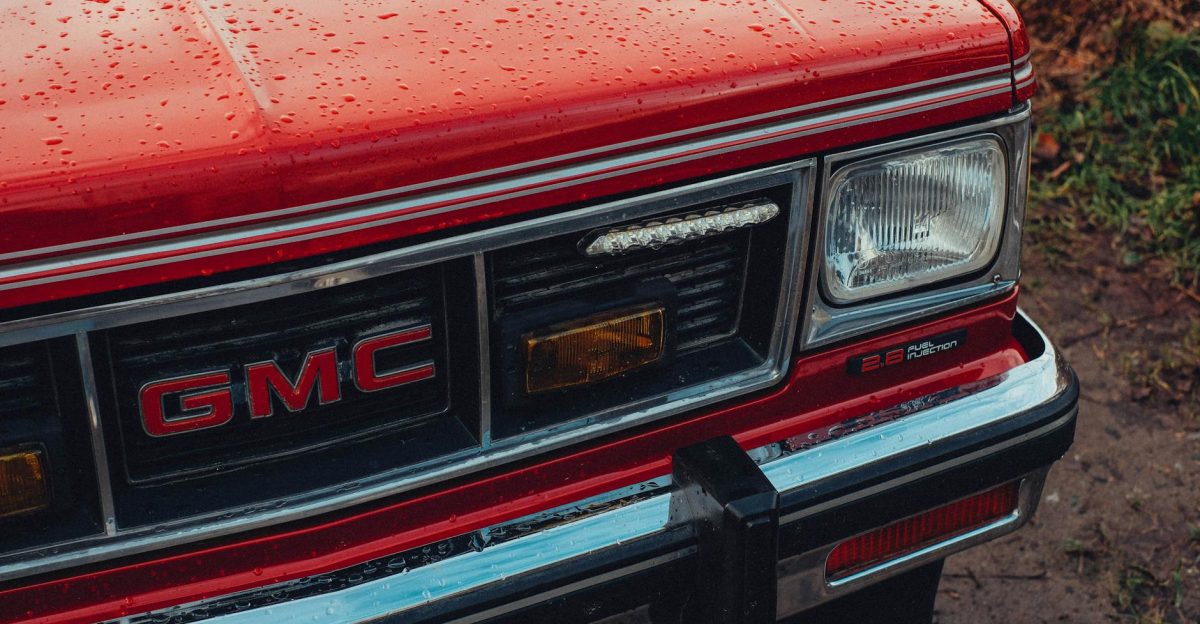
This is where the story shifts. GM truck owners aren’t arguing about brands or additives. They’re demanding GM adopt thicker viscosity specifications, pointing to alternatives like 0W-40—the grade GM itself chose when it recalled nearly 600,000 2021–2024 L87 6.2L V8 trucks and SUVs—or 5W-30 for future engines under the SAE J300 standard. One step or more up on the hot-side viscosity grade. One step toward more durability margin under real towing stress. The spec intended to boost efficiency became the spec owners blame for durability risk. That’s the rebellion: owners telling the factory its rulebook optimizes for the wrong customer.
Hidden Wiring
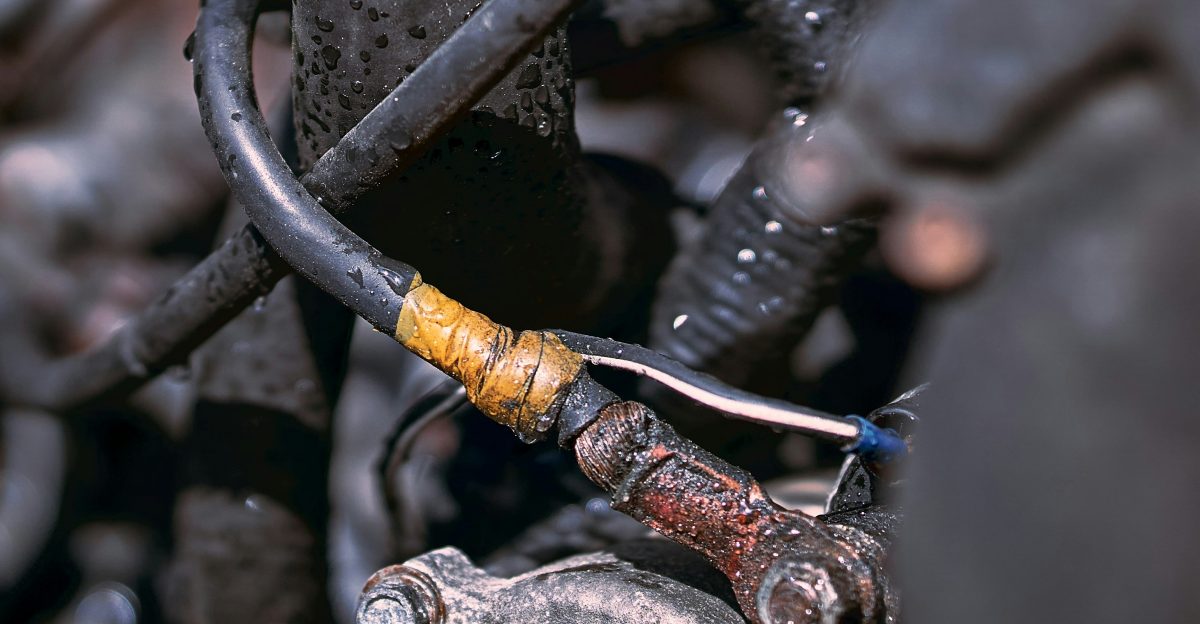
The system driving thin-oil adoption is invisible unless you trace the incentives. Emissions and fuel-economy compliance create pressure on every OEM to reduce internal friction. Lower-viscosity oil is a friction-reduction shortcut baked into the engineering model before the truck ever reaches a dealership. Viscosity isn’t just a fluid property. It’s a system variable interacting with engine tolerances, bearing clearances, and operating temperatures. And here’s the information asymmetry that fuels the anger: GM has the test data. Owners have anecdotes and repair bills.
What the Numbers Actually Say

Under SAE J300, moving from 0W-20 to 5W-30 shifts the hot-side viscosity grade from “20” to “30.” That single grade step represents a measurably thicker oil film at operating temperature. GM’s own L87 recall went further, jumping to 0W-40 for affected trucks. Owners framing this as a durability buffer aren’t guessing. They’re reading the same standard the engineers use. The labels 0W-20, 5W-30, and 0W-40 are formal SAE classifications, not marketing slogans. And the contrast reveals something most people miss: the “recommended” grade is a design choice, not a physical law. Somebody chose thin. Somebody else can choose thicker.
The Ripple Cost

The consequences fan out fast. Owners who distrust the factory spec may deviate on their own, pouring in 5W-30 and hoping the engine agrees. That decision walks straight into warranty conflict territory. Increased warranty disputes and maintenance behavior changes can raise total ownership costs for the very people trying to protect their investment. Meanwhile, the pressure lands on GM’s engineering teams: revise future specs, update testing disclosures, or redesign hardware to tolerate thin oils under heavier duty cycles. Every option costs money somebody hasn’t budgeted.
A New Rule Gets Written
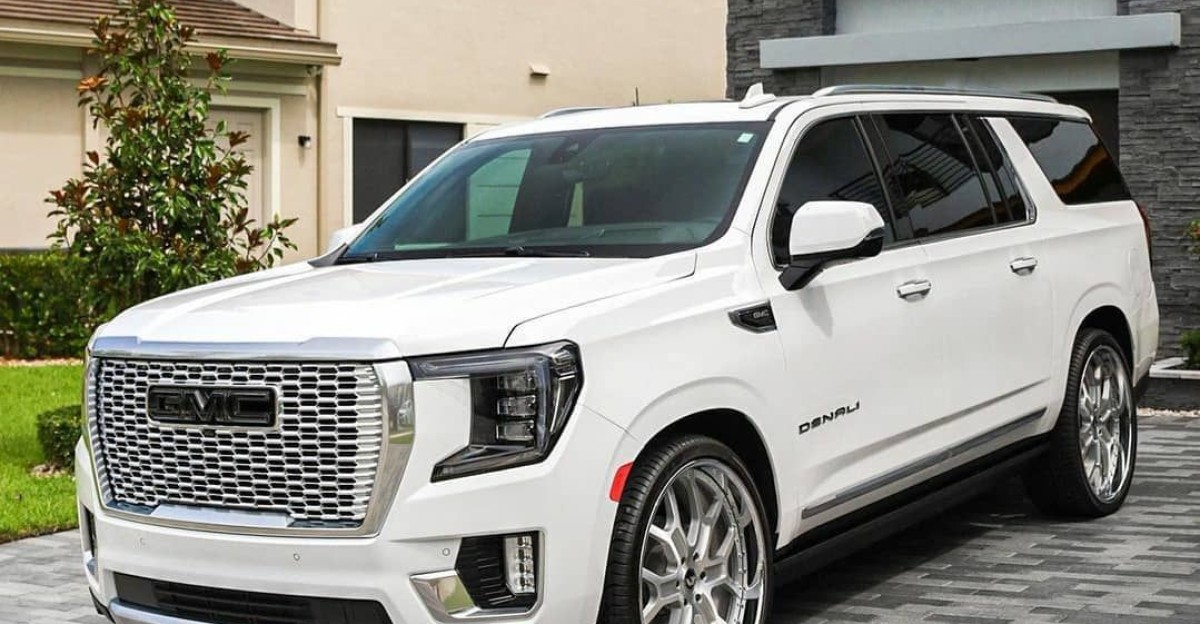
This fight sets a precedent that reaches beyond oil weight. Owner pressure helped force a formal recall of nearly 600,000 L87-equipped trucks and SUVs, and NHTSA opened multiple investigations after receiving over a thousand complaints. NHTSA’s recall portal lets consumers verify safety actions by VIN, and the oil-spec debate has now entered that system directly. The pushback routed through forums, dealer pressure, and sustained public noise until the OEM acted. Once you see it, you can’t unsee it: “oil weight” has become a proxy vote on whether trucks are built for work or for compliance. That framing won’t stay inside the truck world.
Still Unresolved

The escalation path is already visible. Complaints feed service actions. Service actions feed consumer investigations. Owners checking VINs and scanning forums are building a pressure archive that didn’t exist a generation ago. And the next group exposed hasn’t even realized it yet: owners who already deviated from the factory spec and now face warranty friction if anything fails. GM’s response has been substantial: a formal recall of nearly 600,000 2021–2024 trucks and SUVs, a switch to 0W-40 oil, and engine inspections targeting manufacturing defects in connecting rods and crankshafts—not the viscosity spec alone. But many owners question whether the remedy goes far enough, and NHTSA opened a new remedy investigation in January 2026 after continued complaints.
Your Move

The person who walks away from this story knowing something most people don’t is the owner who now understands that “recommended” doesn’t mean “optimized for your trailer.” It means optimized across regulations, averages, and compliance math. Specs are negotiable. They always were. The real question rolling into the next engine generation is whether GM recalibrates before the spec locks in, or whether the gap between regulatory optimization and a 10,000-pound tow rating becomes the hidden line item on every truck window sticker.
Sources:
“The 2024 EPA Automotive Trends Report: Greenhouse Gas Emissions, Fuel Economy, and Technology Since 1975.” U.S. Environmental Protection Agency, Nov 2024.
“Engine Oil Viscosity Classification, SAE Standard J300.” SAE International, Jan 2015.
“GM 6.2L V8 L87 Engines That Need New Oil Viscosity, And Those That Don’t.” GM Authority, 7 May 2025.
“NHTSA Opens Fresh Investigation Into GM’s 6.2-Liter V-8 After Post-Recall Engine Failures.” Road & Track, 19 Jan 2026.