3 US-Made Hondas Killed Before Launch As ‘Affordable EV’ Promise Collapses Amid Heavy Losses
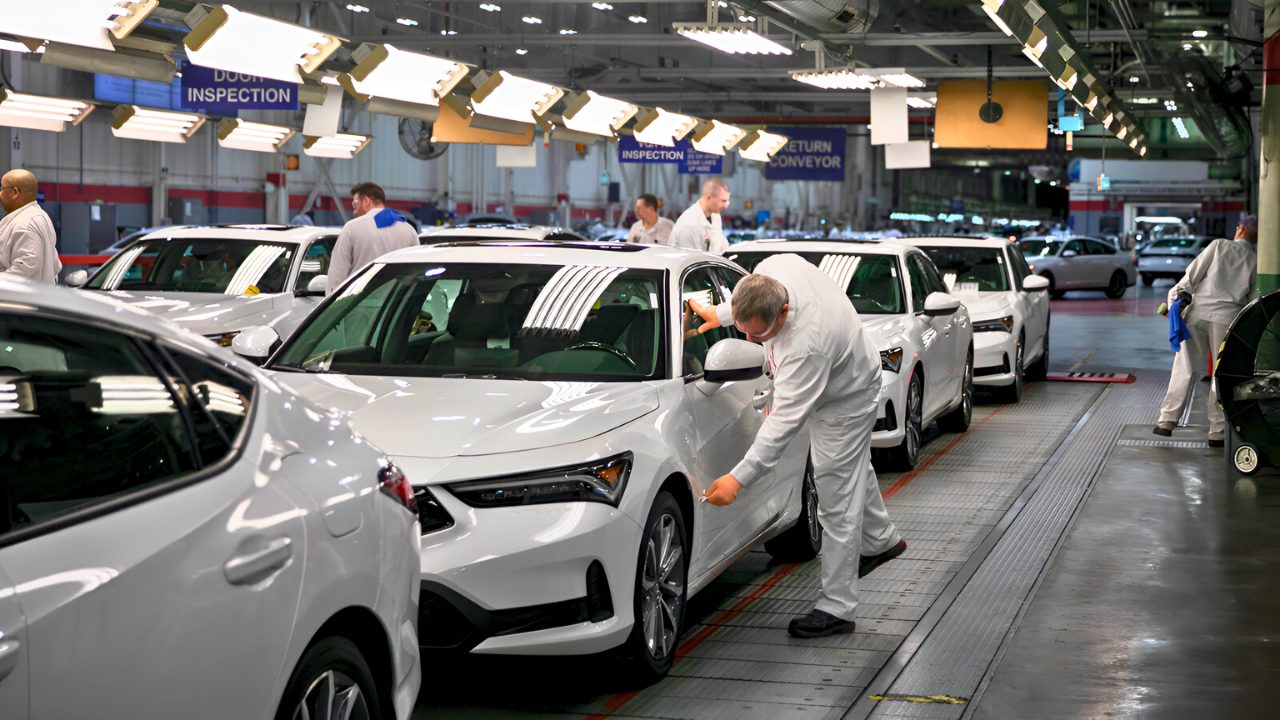
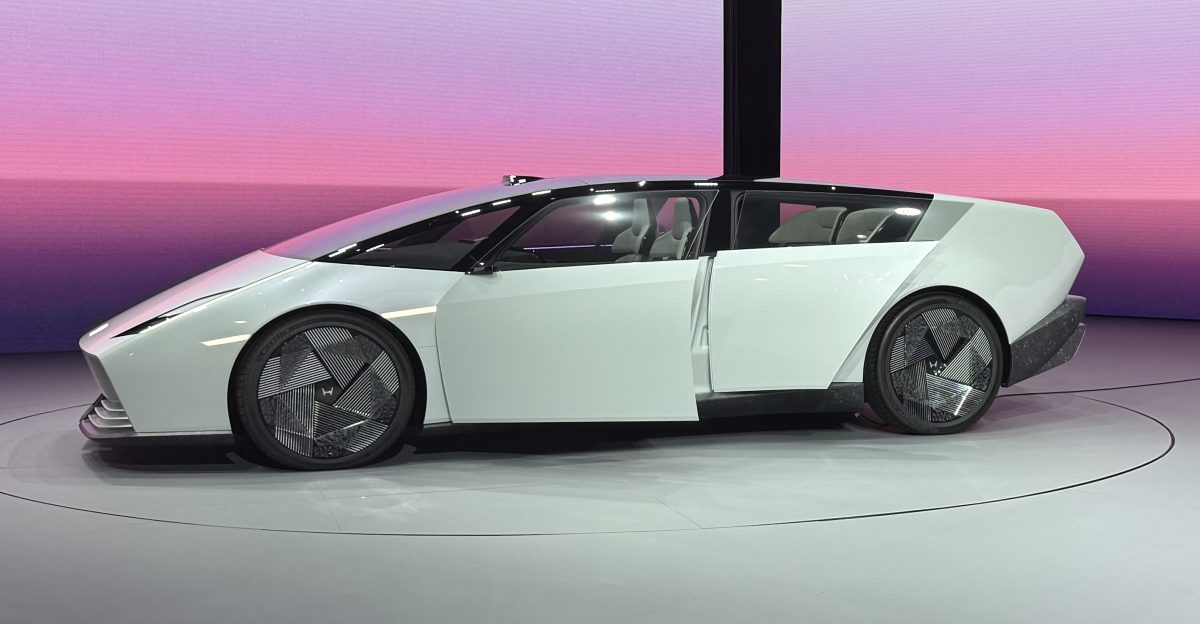
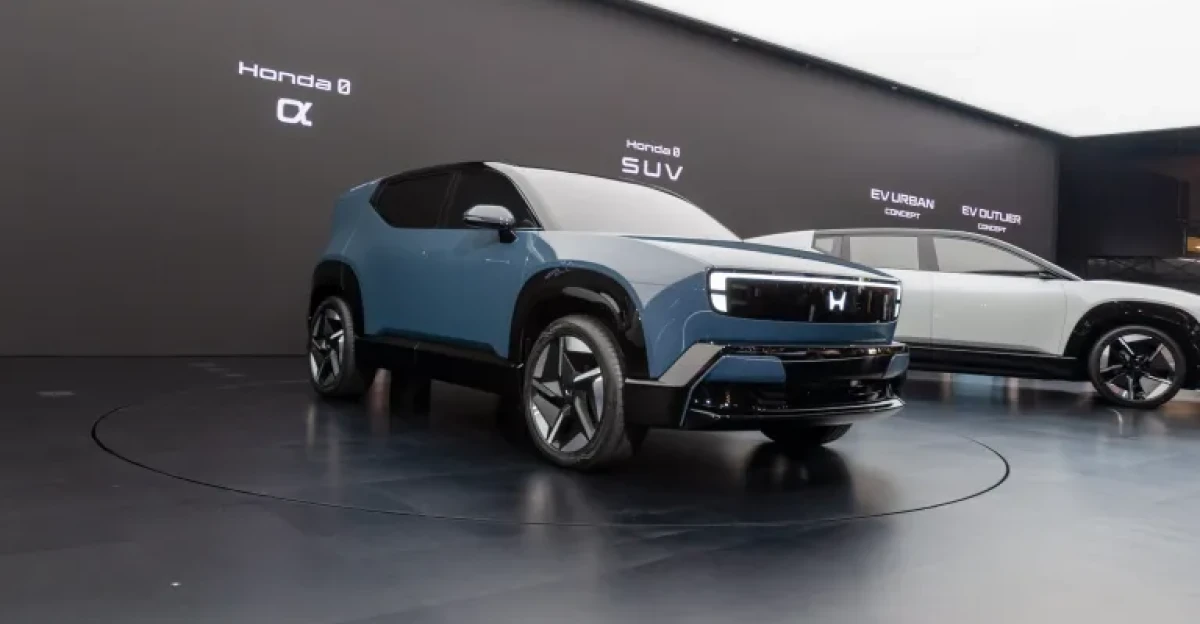
Three electric vehicles were supposed to roll off American assembly lines — two wearing Honda badges, one an Acura. Planned for U.S. production, designed to establish Honda’s own EV lineup in the American market, backed by billions in plant investment. None of them will exist. Honda canceled all three programs, and the silence from the company’s EV pipeline now speaks louder than any press release ever did. The models never reached a showroom. They were shown in near-production form at CES 2025, but never made it to a single customer.
The Loaded Bet That Failed
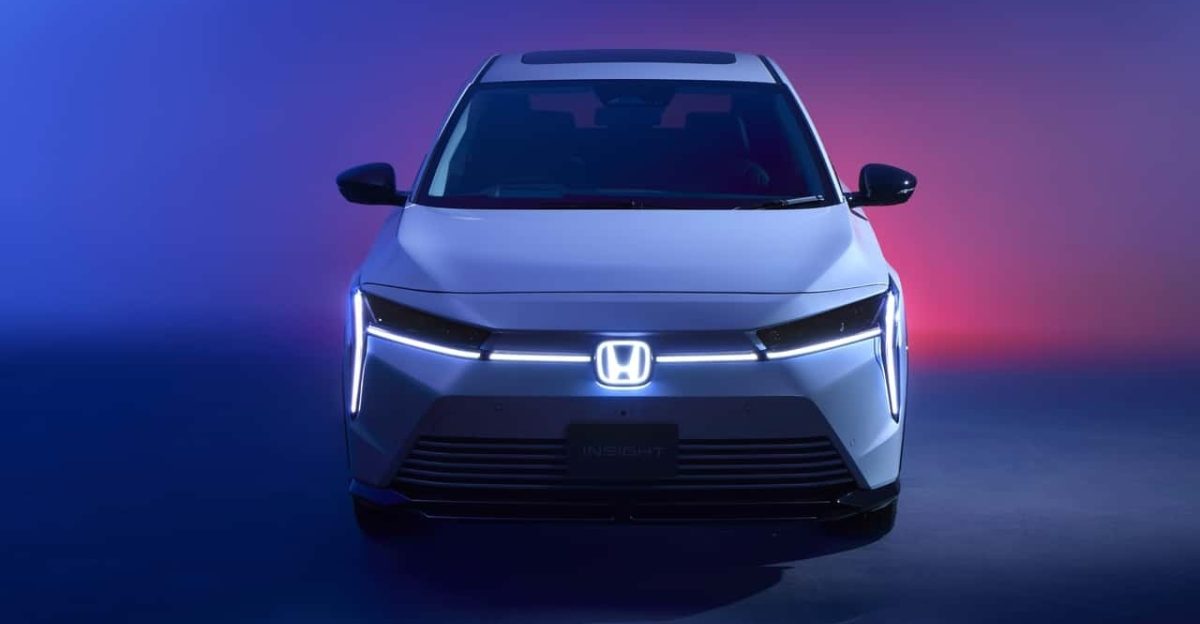
These weren’t sketches on a napkin. Honda built an entire EV strategy around its proprietary Zero platform, committing its retooled Ohio EV Hub and a dedicated battery plant originally established as a joint venture with LG Energy Solution to delivering electric vehicles to American driveways. The company invested billions in new U.S. manufacturing capacity. The whole pitch rested on a single assumption most buyers shared: if you build it in America, price it right, and qualify for the federal tax credit, the math works. That assumption just got shredded by the company that made it.
Where the Myth Cracks
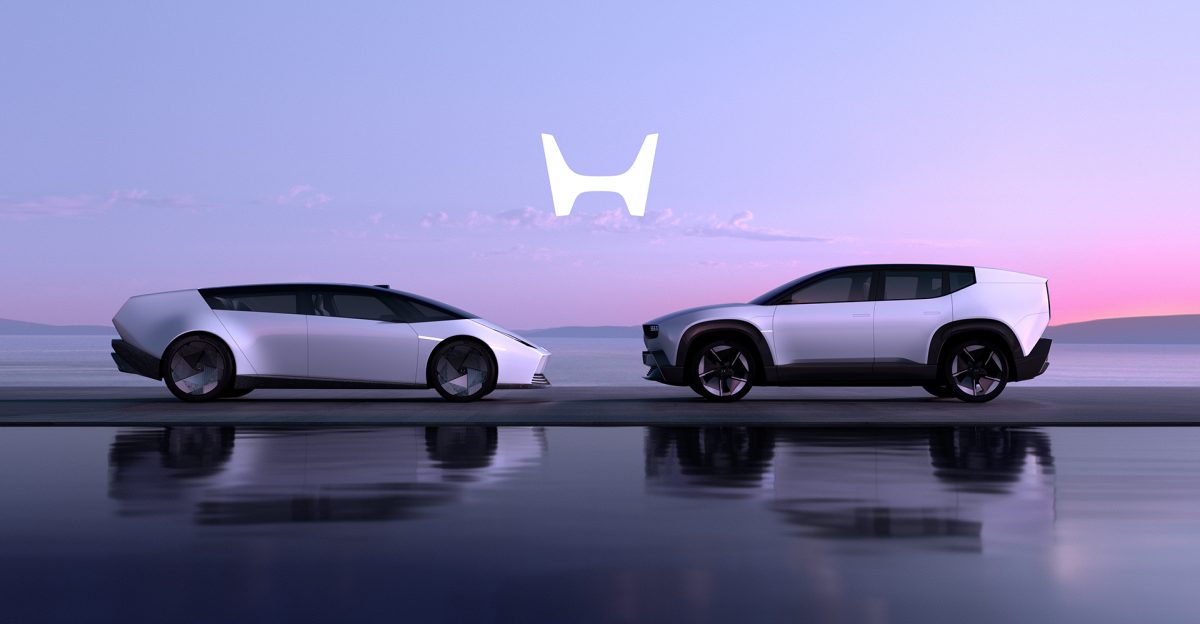
The comfortable belief was straightforward: EV adoption keeps climbing, so EV profits follow. Global EV sales are still growing, according to the IEA’s Global EV Outlook 2024. The market is expanding. But Honda’s EV business bled money anyway. Ars Technica reported the cancellations in the context of “heavy losses” tied to Honda’s EV effort. Rising demand and rising losses, happening simultaneously. That contradiction is the crack in the story everyone told themselves about electric vehicles being an automatic goldmine.
Someone Hit the Kill Switch
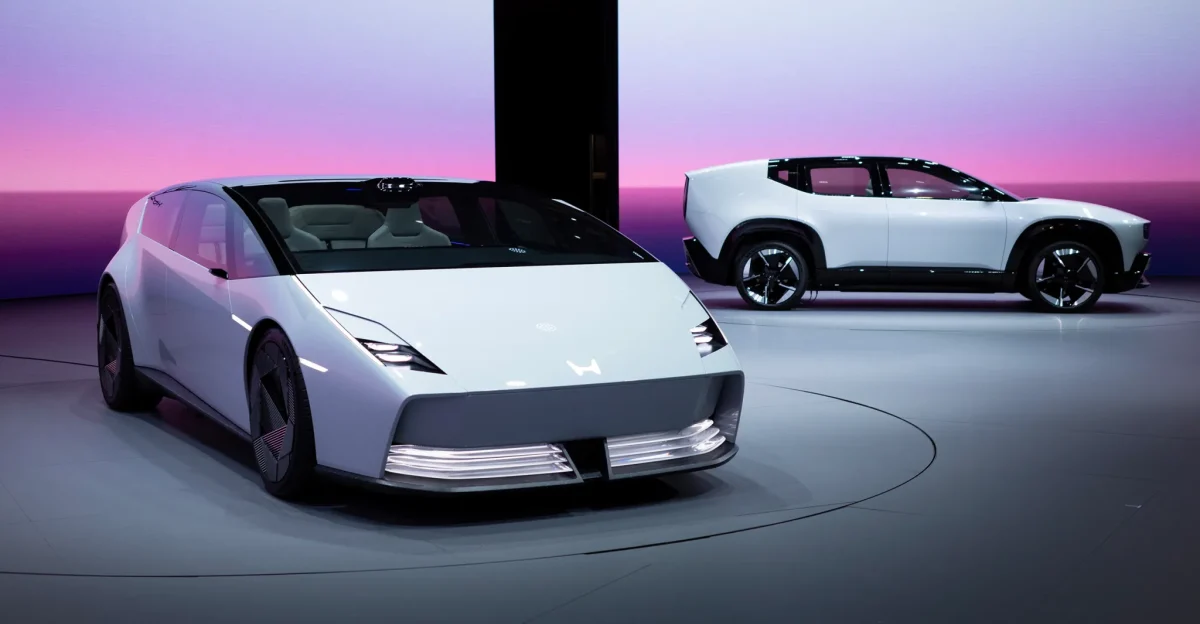
Honda didn’t delay these vehicles. Honda killed them. Three separate programs, scrapped at once. Zero launches. That distinction matters enormously. Automakers delay models constantly. Canceling three U.S.-built EVs simultaneously signals something structural broke inside the business case. The margin math stopped working. The pricing pressure became unmanageable. The spreadsheet overruled the strategy deck. Three bets. Three kills. One verdict: the EV strategy collapsed before a single buyer could test-drive the result.
Three Variables That All Have to Break Right
EV strategy runs on three variables that must align simultaneously: consumer demand, manufacturer margins, and government policy—from tax-credit eligibility to trade tariffs. The U.S. Clean Vehicle Credit offered up to $7,500 per qualifying vehicle before it expired in late 2025, but eligibility carried assembly and sourcing requirements that reshaped which models survived and which got axed. Cox Automotive tracks how incentive and pricing dynamics now determine program viability as much as technology does. Honda’s cancellations prove it. Policy isn’t a checkbox. It’s the entire business model.
Falling Off the Credit Cliff
That $7,500 federal credit created a brutal binary while it existed. Qualify, and your EV competed. Miss eligibility, and you were selling a car that cost thousands more than the rival parked next to it on the lot. The IRS spelled out the conditions: assembly location, battery sourcing, price caps, income limits. One wrong variable and the credit vanished. Now that the credit itself has been eliminated, the entire incentive structure Honda’s U.S. EV plan depended on is gone. For Honda, building in America wasn’t enough. “U.S.-made” was supposed to be the safe bet. It immunized nothing. Meanwhile, new import tariffs and the rollback of federal emissions standards in 2025 further eroded the financial case for U.S.-built EVs.
The Ripple Nobody Priced In
Honda’s retreat doesn’t stop at Honda. Suppliers who tooled up for these programs face uncertainty overnight. Plant investment plans built around three model launches now need new justification. Bloomberg has reported on broader automaker EV pullbacks and profitability pressures as an industry pattern, not a Honda-specific anomaly. More manufacturers may pause or cancel marginal EV programs under the same pricing squeeze. Every OEM running thin EV margins just watched Honda flinch first. The question is who flinches second.
A New Rule Just Got Written
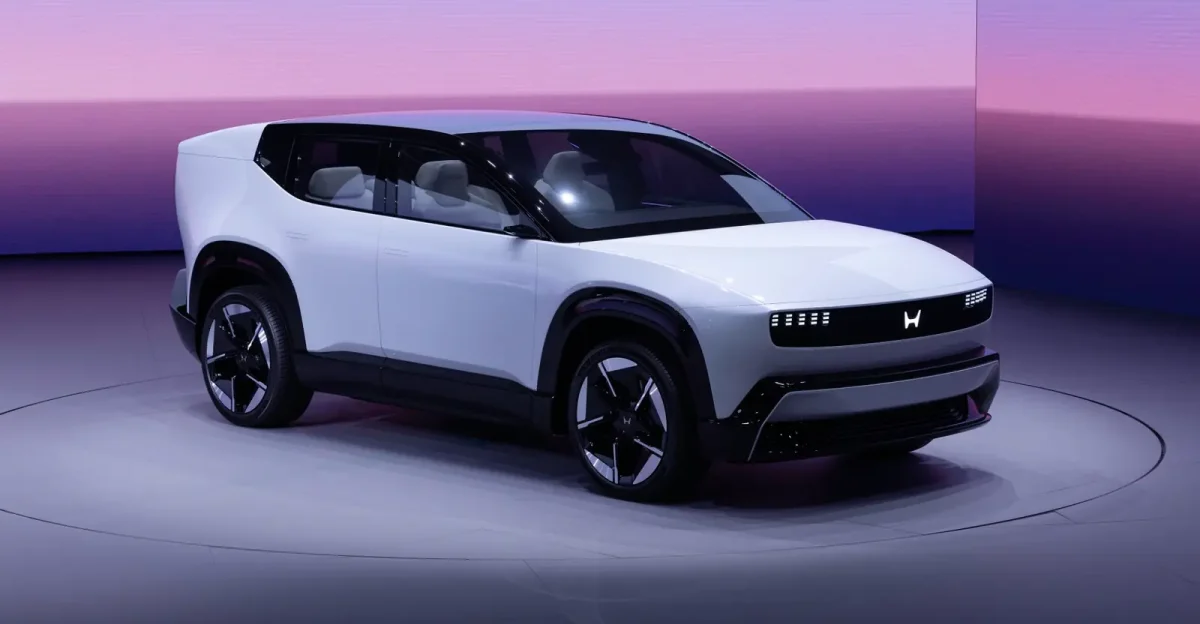
Honda’s Zero-platform EV program wasn’t a minor side project. It represented the automaker’s most ambitious attempt to establish a fully in-house American EV lineup. Its collapse sets a precedent: even major OEM commitments unwind when tariffs, regulation shifts, and cost-down targets converge. This stopped being a story about one company’s bad quarter. Once you see that EV strategy is less “future tech” and more “spreadsheet plus policy compliance,” every automaker’s electrification roadmap looks fragile. The exception just became the template.
The Hybrid Retreat Is Already Underway
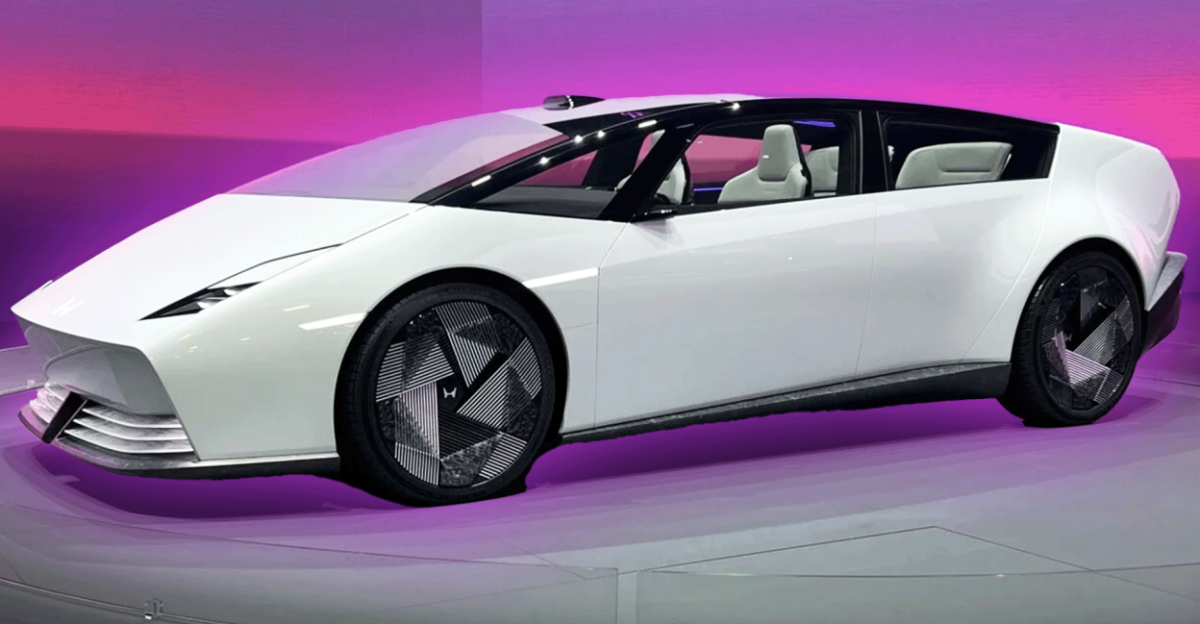
With three EV programs dead, Honda must redirect its entire U.S. electrification roadmap. The likely near-term pivot: heavier reliance on hybrids and internal combustion extensions while EV economics stabilize. Buyers who planned their next purchase around a Honda EV now face fewer choices and potentially higher prices. The people who haven’t been hurt yet are the ones still shopping, assuming the model they want will exist by signing day. That assumption is getting more dangerous by the quarter.
Welcome to the Real Arms Race
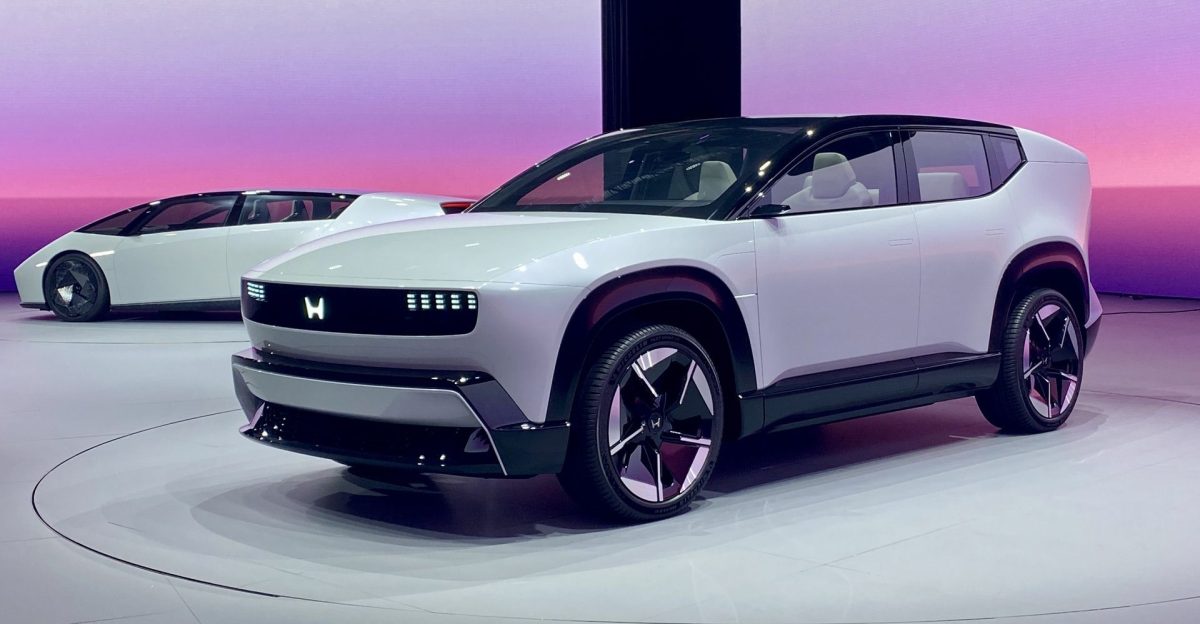
Competitors smell blood. Every brand with a margin-positive EV is now positioning to capture the demand Honda just abandoned. The real status upgrade for any car buyer reading this: stop thinking about EVs as a technology race. The winners and losers are being sorted by per-unit margin calculations and policy survival, not horsepower or range specs. Honda proved that building American and wanting it badly changes nothing when the spreadsheet says no. The next cancellation wave won’t even make headlines.
Sources:
“Honda Announces Losses Associated with Reassessment of Automobile Electrification Strategy; Revision to Forecast for Consolidated Financial Results; and Future Direction.” Honda Motor Co., Ltd. Global Newsroom, 12 Mar 2026.
“Facing heavy losses, Honda cancels its three US-made electric vehicles.” Ars Technica, 12 Mar 2026.
“Global EV Outlook 2024.” International Energy Agency (IEA), 2024.
“Honda flags first annual loss, hit by $15.7 billion EV charge.” Reuters, 12 Mar 2026.