Ford Has Recalled Nearly Every Model Since 2020—Here’s the Full Defect Breakdown
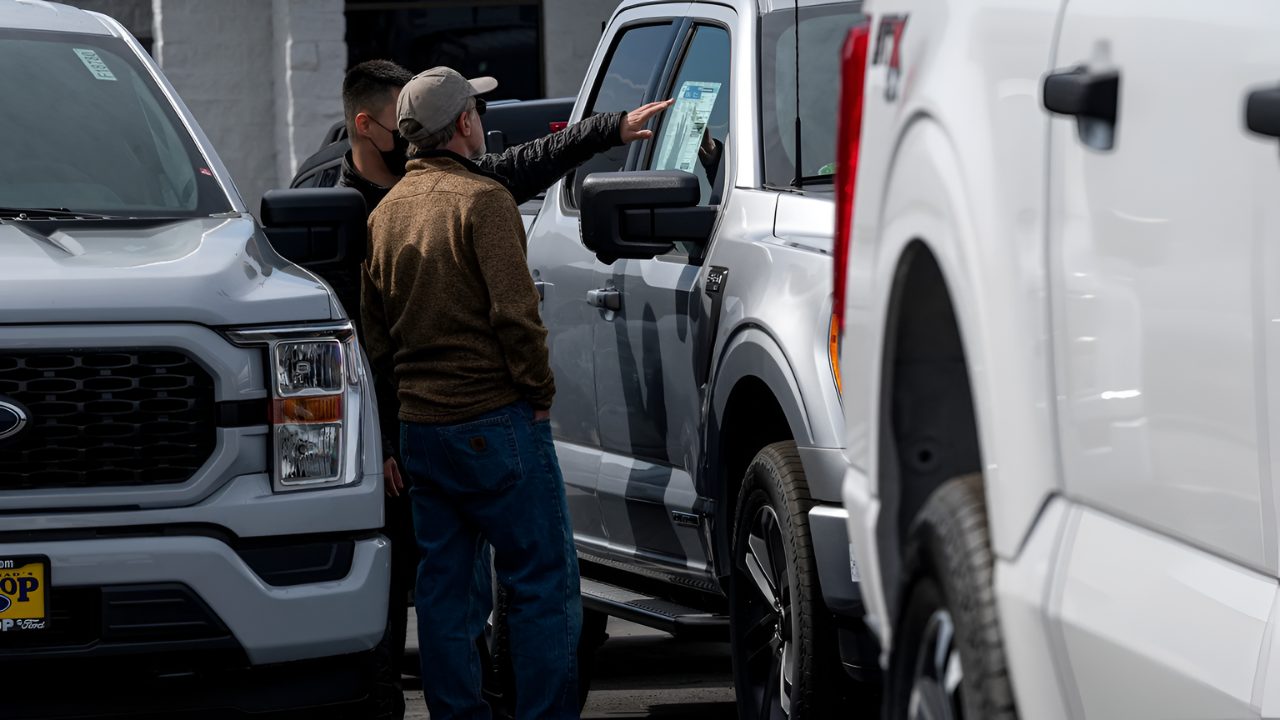
Ford vehicles fill American driveways, job sites, and highways in enormous numbers. Yet since 2020, nearly every Ford model sold in the United States has been tied to at least one safety recall. Data from the National Highway Traffic Safety Administration shows a surge of campaigns in recent years, culminating in a record-breaking 153 recalls in 2025 alone. Millions of vehicles were affected, spanning SUVs, trucks, sports cars, and commercial vans. The numbers are staggering, but the real story lies in how those recalls accumulated and why they continue rising.
A Record Year For Safety Recalls
Ford set a historic benchmark in 2025 when it issued 153 recall campaigns in a single calendar year. According to NHTSA data compiled by Carscoops, those recalls affected 12,926,436 vehicles across the United States. That total exceeded the combined recall volume of the next nine automakers, which together recalled 12,902,842 vehicles during the same period. For context, Ford averaged one recall every 2.4 days throughout the year. In practical terms, about 35,414 vehicles were added to recall lists daily. The numbers alone are startling, but the pattern becomes clearer when examining which vehicles were involved.
Nearly Every Ford Model Since 2020
The headline claim that nearly every Ford model since 2020 has been recalled is largely accurate. Among the company’s 16 modern U.S. models, each has been subject to at least one recall during that period. The lone exception is the Ford GT, a limited-production mid-engine sports car discontinued after the 2022 model year. Every other major Ford nameplate, from family SUVs to commercial vans, has appeared in recall filings. That does not mean a single mega recall occurred. Instead, hundreds of separate campaigns accumulated over multiple years. Looking closer reveals which types of vehicles were most affected.
SUVs And Crossovers Led The Defect List
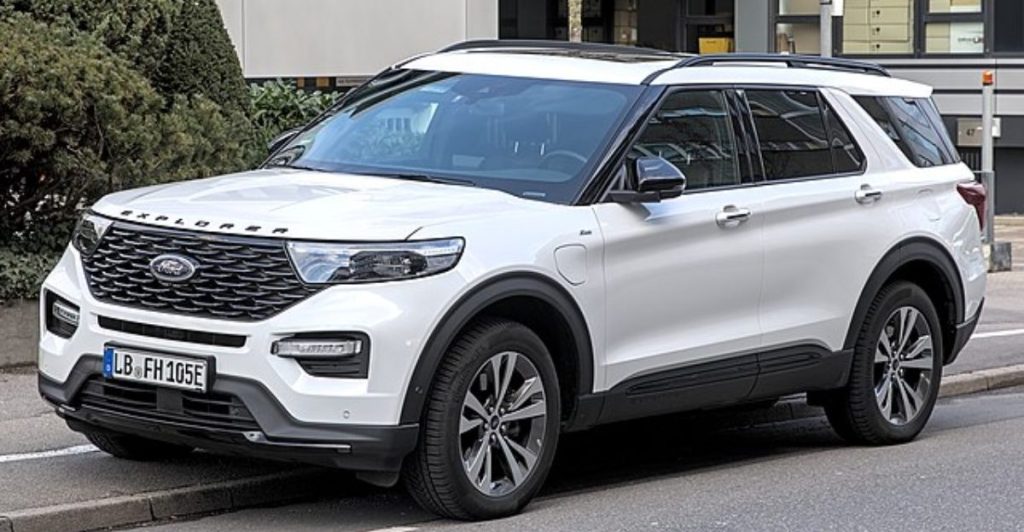
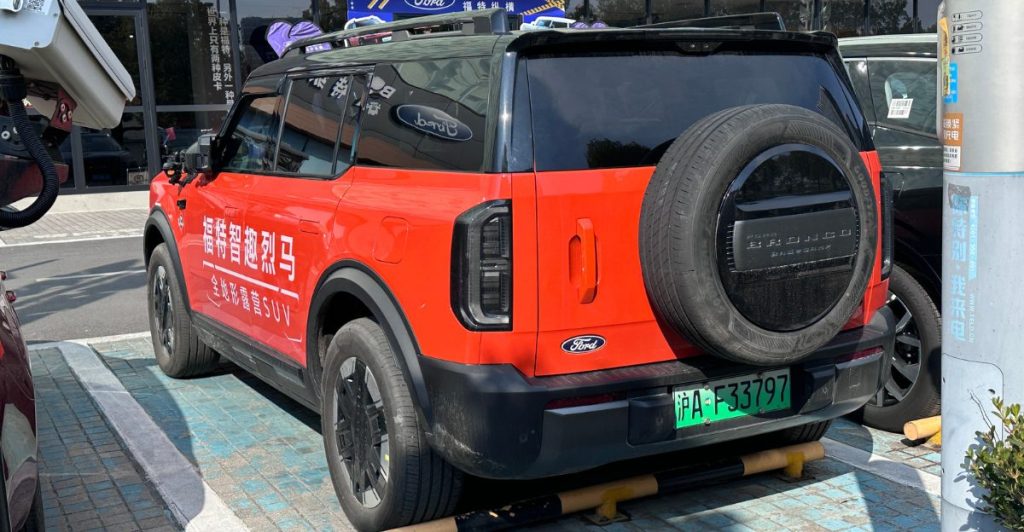
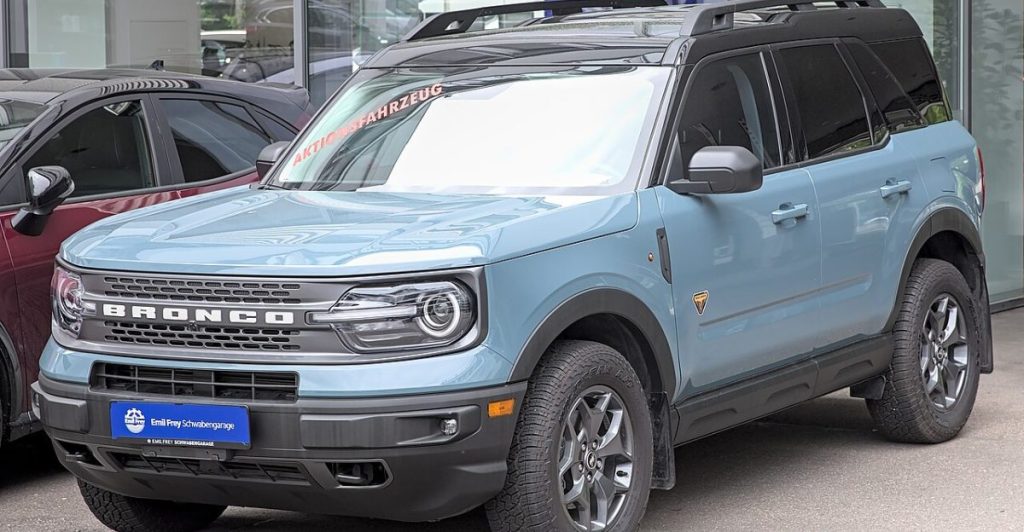
Ford’s SUV and crossover lineup accounts for a large share of recall activity. Seven models fall into this category: Escape, Bronco Sport, Bronco, Explorer, Expedition, Mustang Mach-E, and Edge. Reported defects include rearview camera systems displaying inverted or blank images, cracked fuel injectors capable of causing fires, brake software faults, and electronic door latch failures that could trap passengers inside or outside the vehicle. These issues span both mechanical components and software systems. Because SUVs dominate Ford’s sales volume, even small defects can affect huge numbers of vehicles. Pickup trucks tell a similar story.
Truck Recalls Highlight Towing Risks
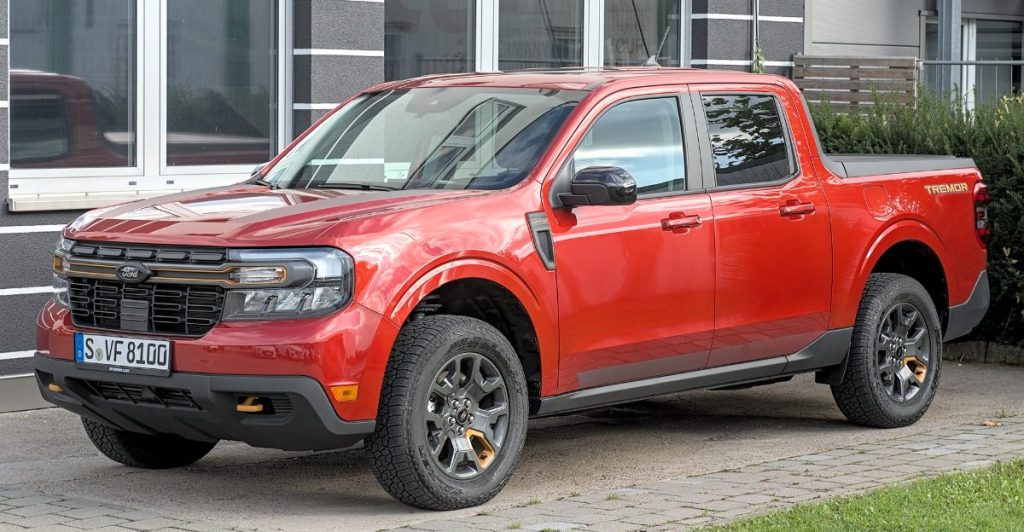
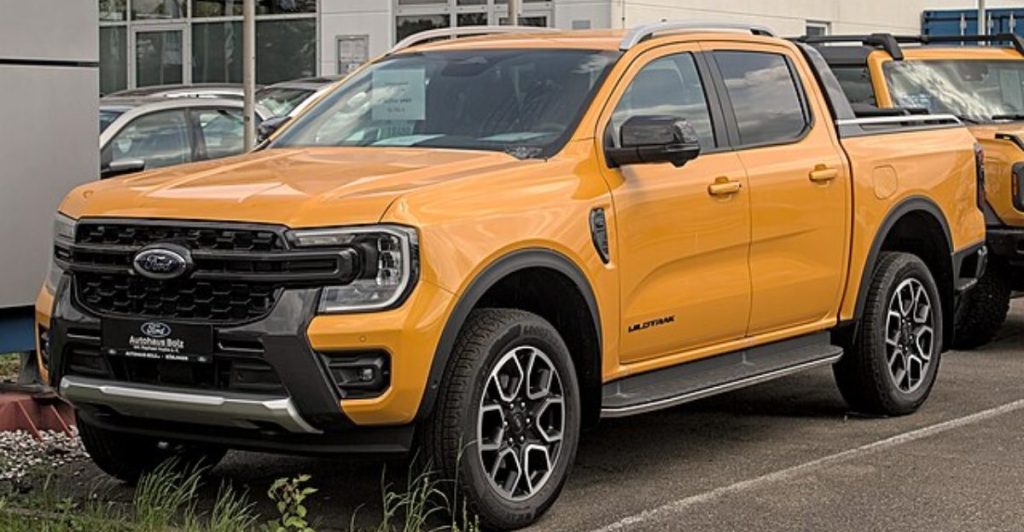
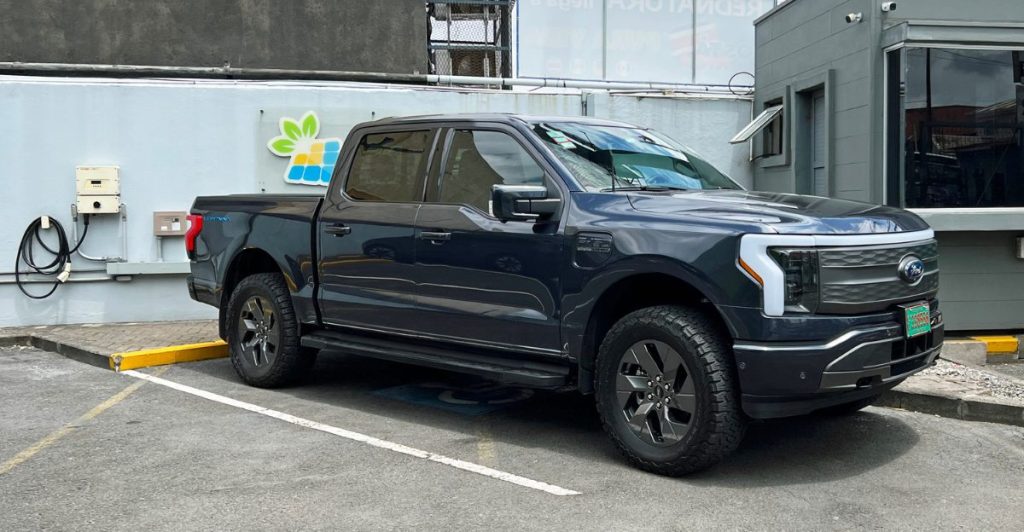
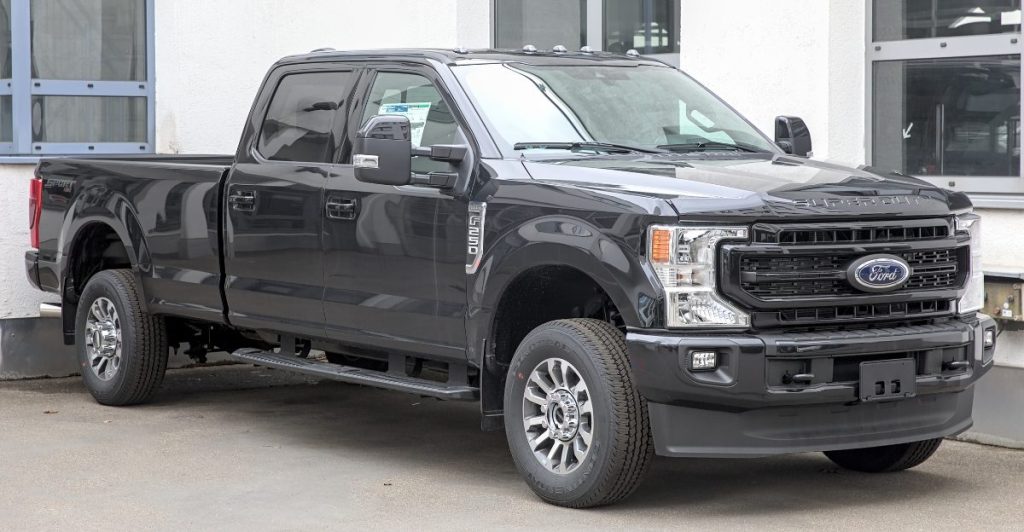
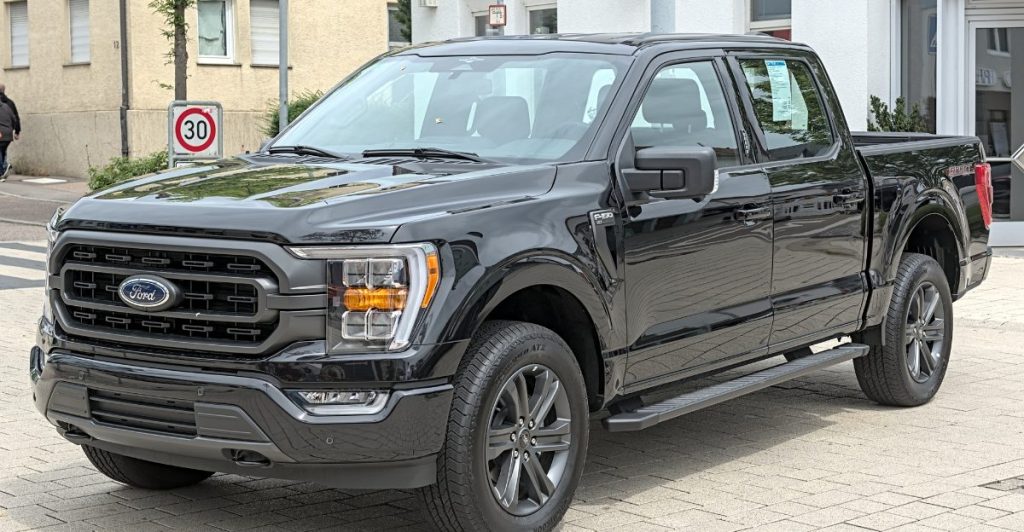
Ford’s pickup lineup has also faced repeated recall campaigns in recent years. Five models are involved: Maverick, Ranger, F-150, F-150 Lightning, and the heavy-duty Super Duty series. Many of the recalls center on electrical faults that can disable trailer brake lights, turn signals, or braking functions while towing. Considering the F-150 remains the best-selling vehicle in the United States, even a single defect can affect millions of units. These towing-related issues are especially concerning because they occur under heavy load conditions. The largest individual recall campaigns reveal just how widespread some defects became.
The Largest Recall Campaigns Revealed
Several Ford recall campaigns stand out for their enormous scale. One of the biggest involved 4,381,878 vehicles due to a trailer lighting and brake module communication failure. Another campaign covered 1,448,655 vehicles affected by distorted or blank rearview camera images. Additional campaigns each affected roughly 1,450,000 SUVs for similar camera failures. Other major recalls included more than 500,000 vehicles for low-pressure fuel pump failures and another 500,000 for cracked fuel injectors that posed fire risks. Even windshield wiper motor failures triggered a campaign affecting 604,533 vehicles. Yet some warnings went far beyond routine recalls.
When Ford Issued “Do Not Drive” Warnings
Most recall notices simply ask owners to schedule a repair. In some cases, however, the warning is far more urgent. Ford issued three “do not drive” advisories during 2025 alone. Two involved control arm detachment risks that could lead to sudden loss of steering control, while another involved a braking failure hazard. Two additional recalls required owners to “park outside” because of potential battery fire risks. In February 2026, another “do not drive” advisory affected 15,965 Transit vans due to a brake pedal disconnection risk. These safety alerts highlight how serious certain defects can become.
The Recall Surge Accelerated In 2025
Ford recalls have occurred for years, but the pace accelerated dramatically in 2025. Earlier years averaged roughly 50 to 70 recall campaigns annually. That changed when Ford issued 153 campaigns in 2025, nearly doubling General Motors’ previous industry record of 77 in 2014. The spike was so rapid that Ford surpassed the old record by July, with five months still remaining in the year. May and June alone saw 22 recalls each. By early March 2026, another 17 campaigns had already been filed. Understanding why this surge occurred requires looking beyond simple manufacturing defects.
Why The Recall Numbers Are Rising

Several factors help explain why Ford’s recall totals have climbed so sharply. The company says it expanded its defect detection strategy and “significantly increased testing to failure on critical systems.” At the same time, regulatory pressure increased after NHTSA fined Ford $165 million in November 2024 for failing to recall vehicles with defective rearview cameras quickly enough. Investigators also found flaws in Ford’s software update system that sometimes reported failed updates as successful. That discovery forced 42 separate re-recall campaigns in 2025 alone. The result was a cascade of additional filings.
What Ford Says It Is Doing Now
Ford insists it is actively working to improve quality across its vehicle lineup. The company says it has more than doubled its safety and technical staff in the past two years while expanding testing on key systems such as braking, steering, and powertrains. Ford has also deployed an AI-based inspection platform called the Mobile Artificial Intelligence Vision System to detect manufacturing defects in real time. Employee bonuses are now tied to quality improvements as well. Even with those changes underway, recall filings remain high, leaving one critical question for owners.
The One Step Every Owner Should Take
If a Ford built since 2020 sits in your driveway, the most important step is checking whether your specific vehicle appears in a recall database. The fastest way is a VIN lookup through the federal system maintained by the National Highway Traffic Safety Administration. Enter the vehicle’s 17-digit VIN and the database instantly shows every open recall tied to that exact vehicle. Any required repair, software update, or parts replacement is performed at no cost. Ignoring a recall notice means driving with an unresolved safety defect. And with recalls still climbing, that quick VIN check has never mattered more.
Sources:
“Ford Recalled More Cars Than The Next 9 Brands Combined In 2025.” Carscoops, January 3, 2026.
“Ford in Deep Water After Sweeping Recalls Hit Every Model Since 2020.” Fox Business, March 7, 2026.
“Ford’s Recalls: History Repeating Itself in 2026.” Motor Illustrated, March 8, 2026.
“Ford Recall Statistics 2025–2026.” Woodard Injury Law, January 2026.
“Ford Issues Recall for 1.7 Million SUVs Over Backup Camera Issues.” Car and Driver, March 8, 2026.