Kia Ends ‘Gas-Era’ Electric Car As Dedicated EV Platforms Take Over American Market
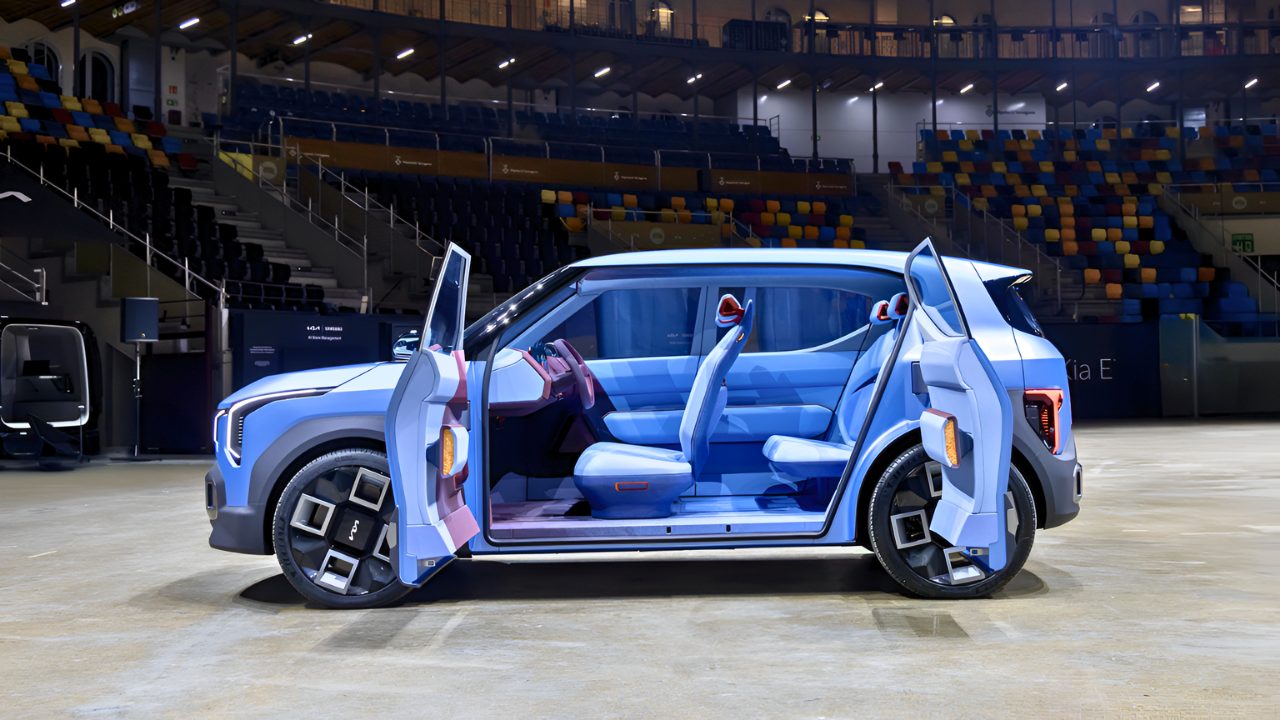
Kia kills the Niro EV, not because electric cars failed, but because electric cars grew up. The Niro EV was built on a platform originally designed for gasoline engines, which the industry calls a “gas-era” architecture adapted for electric power. That compromise worked fine when the EV market was small and forgiving. The market stopped being forgiving. Kia’s own dedicated electric models, the EV6 and EV9, now sit on purpose-built architecture engineered from the ground up for battery power. The old design got outrun by its own family. Platform economics drove the decision, but they didn’t act alone: the Niro EV was manufactured in South Korea and exposed to U.S. import tariffs, while the EV6 and EV9’s standard trims roll off a Georgia assembly line tariff-free, and the Niro had been one of Kia’s slowest-selling vehicles in the U.S. market. And Kia’s lineup is just the beginning.
Platform Economics
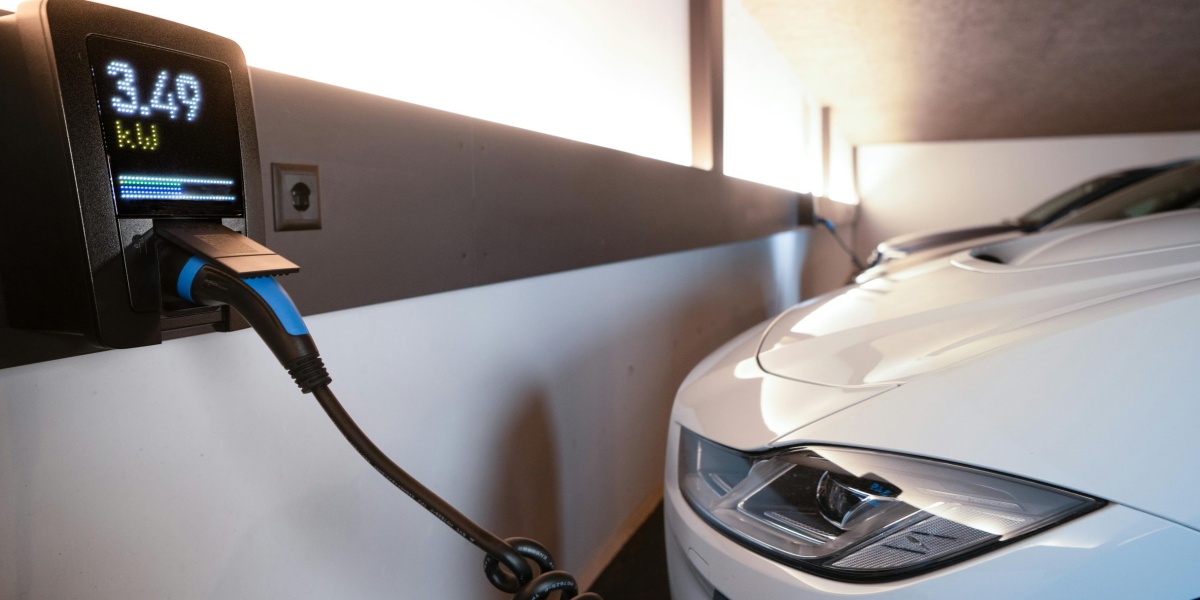
The reason traces back to a single engineering decision: what sits underneath the car. Hyundai Motor Group developed E-GMP, a dedicated battery-electric platform built exclusively for EVs. Packaging, charging speed, weight distribution, and software updates are all optimized when the platform starts electric. A converted gasoline platform carries compromises baked into its bones. Worse interior space. Slower charging. Limited upgrade paths. Automakers allocate billions to platform development, and capital follows the architecture with the longest runway. The Niro EV’s foundation had a ceiling. E-GMP doesn’t.
Shopper Squeeze
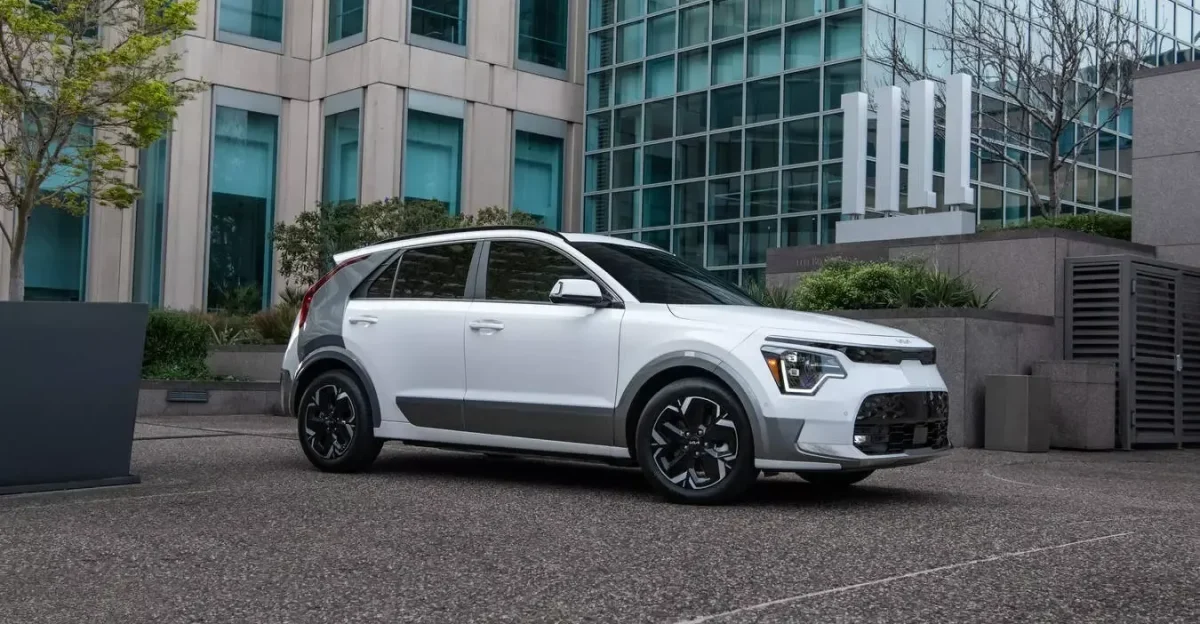
For buyers who wanted a smaller, affordable Kia EV, the math just changed. The Niro EV occupied a specific price and size niche in Kia’s U.S. lineup, though by its final model year, it carried a starting price above $41,000, higher than some dedicated-platform rivals. With that model gone, shoppers get funneled toward the EV6 or EV9, both positioned higher. Model exits can reduce entry-level EV choice within a brand, and that pressure tends to push average transaction prices upward. A family shopping for their first electric car just lost an option. The remaining choices cost more.
Dealer Pivot
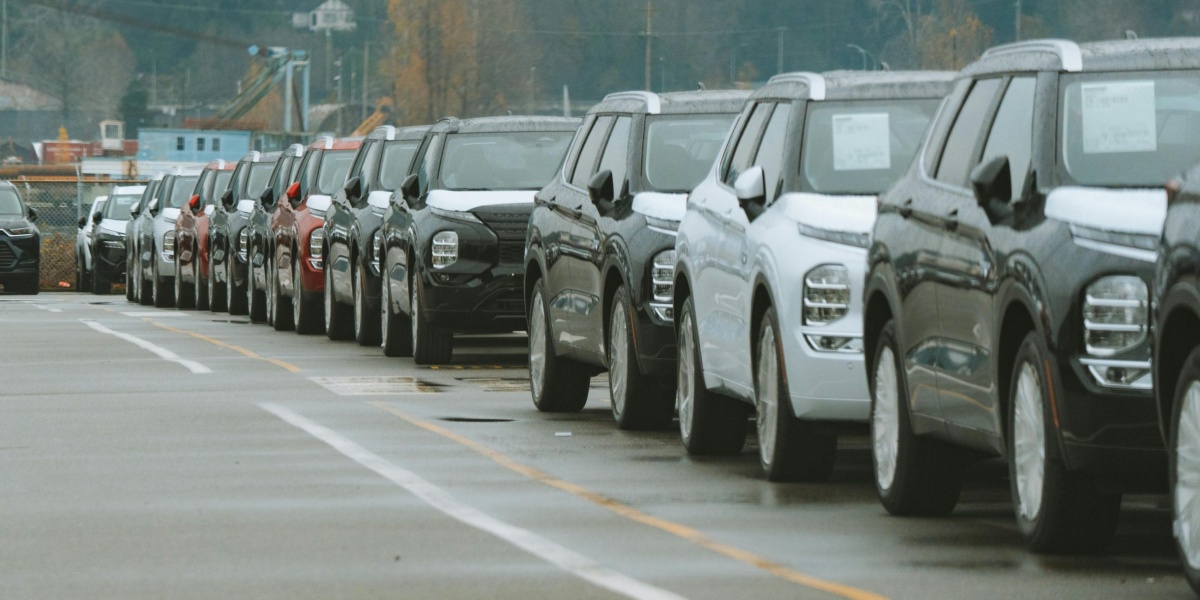
Dealerships absorb the ripple next. Inventory strategy, sales training, marketing materials: all built around a lineup that just shrank. Dealers and shoppers are now shifting their attention entirely to Kia’s dedicated EV models. That consolidation simplifies the pitch but narrows the funnel. Fewer models means fewer reasons for a broader range of buyers to walk through the door. The competitive U.S. EV market rewards brands with options at every price point. Kia just removed a rung from the ladder, and competitors with entry-level EVs noticed.
Contagion Effect

Here is where the ripple crosses the property line. Kia is not the only automaker running converted gasoline platforms alongside dedicated EVs. The entire industry has been straddling both architectures during the transition. The IEA reports continued global growth in EV sales and a structural shift toward electrification. That growth rewards purpose-built designs and punishes compromises. More automakers will retire conversion-style EVs in favor of dedicated platforms. Same mechanism. Different badges. Identical outcome. The Niro EV is patient zero, not an isolated case.
The Hidden War
Every one of these ripples traces back to the same structural reality: platform economics govern which models live and which get cut. Automaker product planning runs through a capital-allocation filter where engineering constraints and long-term returns determine the winners. Dedicated platform gets funded. Legacy conversion gets pruned. That filter operates inside every major automaker on earth. Tariff exposure and weak sales volume accelerate the verdict, but the underlying sentence is written in engineering, not trade policy. Global EV growth. U.S. competition. Dealer pressure. Buyer options are shrinking. One mechanism connects all of it. The platform decides. Everything else follows.
Orphan Anxiety
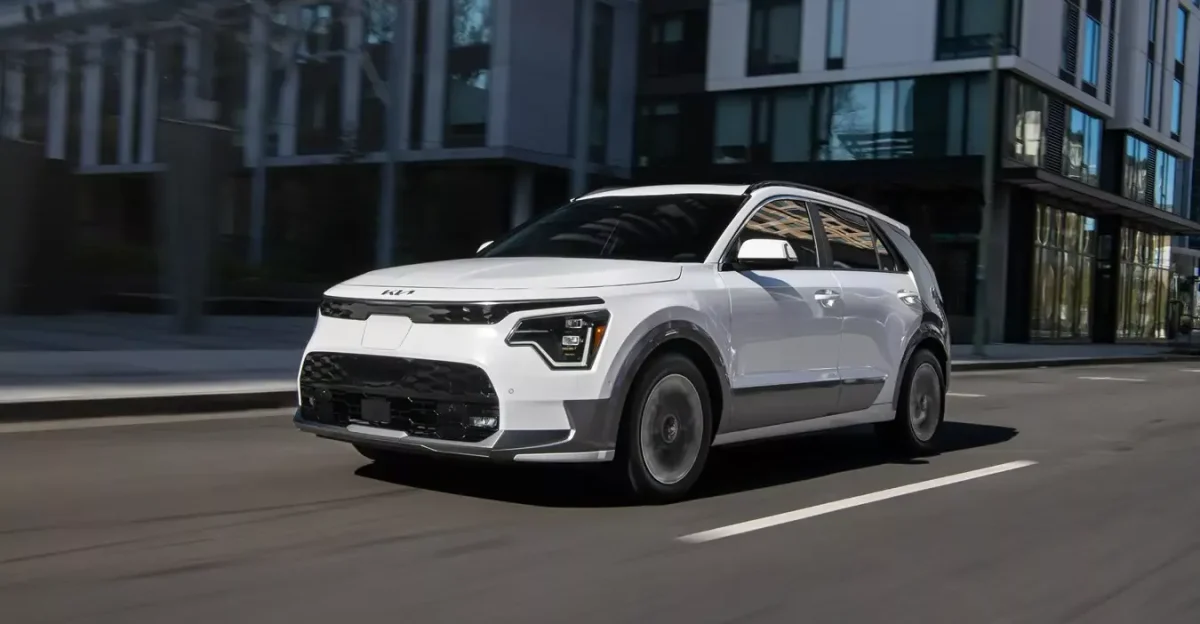
Think about the person who bought a Niro EV two years ago. Software support, parts availability, resale value: all tied to whether the manufacturer continues to invest in that architecture. When a platform gets abandoned, the car doesn’t stop running. But it stops improving. It stops holding value the way supported models do. The EPA provides consumer guidance on EV ownership, reflecting how mainstream these concerns have become. “What if my car gets orphaned?” stopped being hypothetical. For Niro EV owners, it’s now just a question.
New Rules
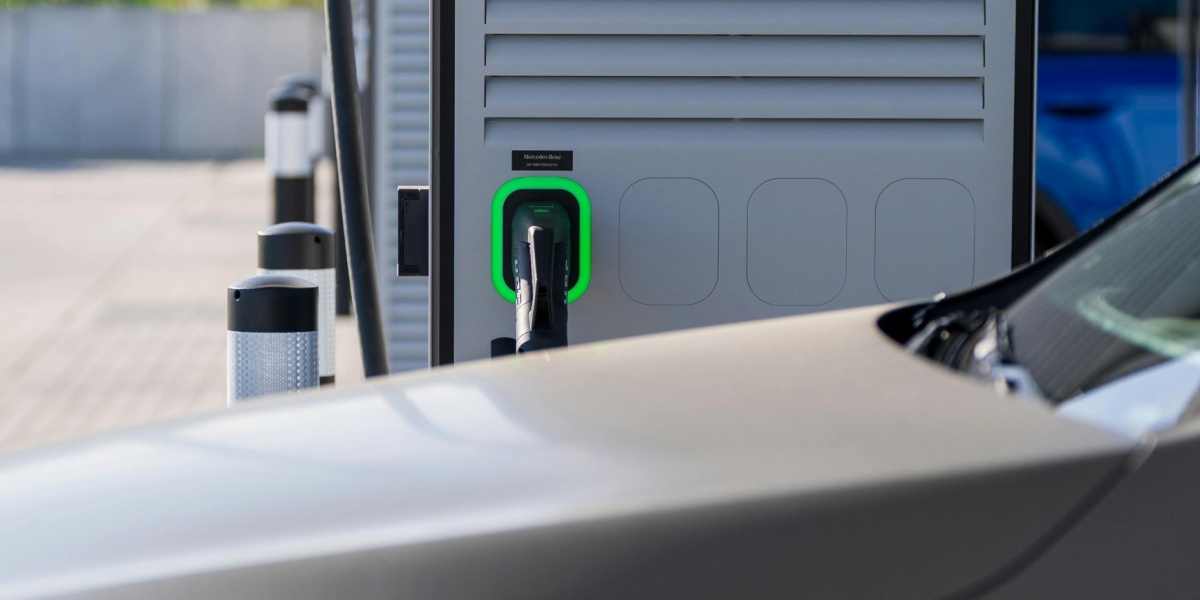
This sets a precedent that rewrites the buyer’s checklist. The EV transition now includes internal cannibalization and model pruning as standard practice. “EV” on the badge used to be enough. Now the architecture underneath matters more than the powertrain label. Dedicated EV platforms are becoming the default, and mixed-architecture lineups are shrinking across the industry. The old rule was: buy electric, you’re future-proof. The new rule: buy the right platform, or watch your investment age out faster than you planned.
Winners and Losers
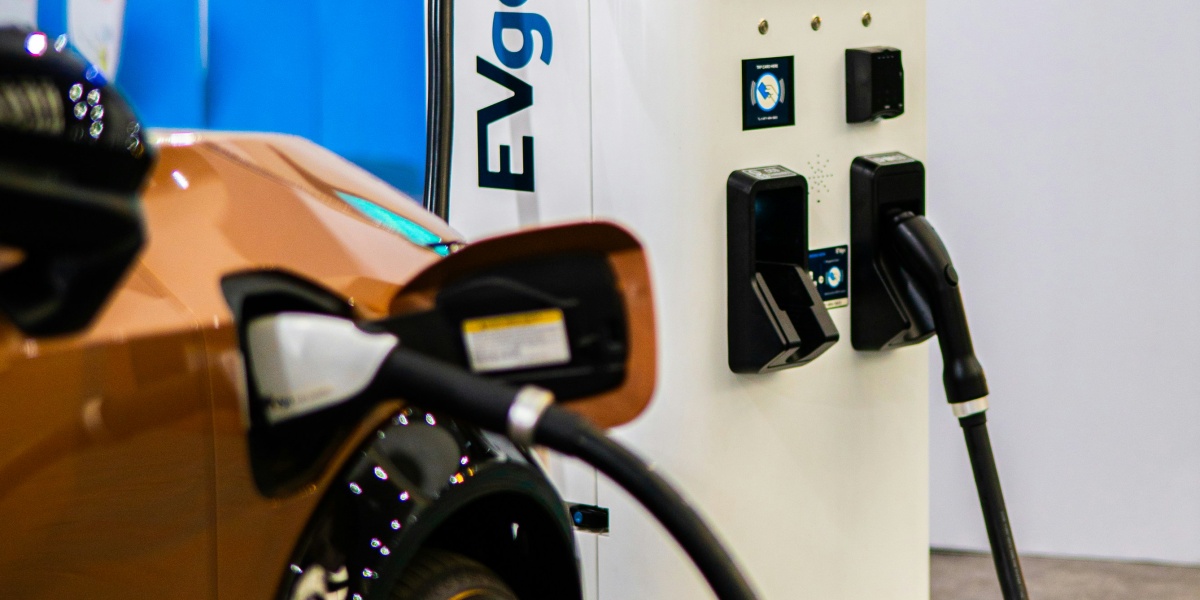
The winners are automakers who committed early to dedicated platforms and the buyers who understood the difference. The losers are ICE-derived EV variants that cannot compete on charging, packaging, or long-term software support. And the shoppers who bought on spec sheets without reading the foundation. More EVs can mean fewer kinds of EVs as platforms consolidate. Which, honestly, is kind of brutal. Brands may reintroduce lower-cost dedicated EVs to fill the gap left behind. Until then, the affordable EV aisle just got shorter.
Still Cascading

The cascade is not finished. Dedicated EV platforms become the default. Mixed-architecture lineups shrink. Affected parties adapt, and that adaptation could mean new entry-level dedicated models or further consolidation that squeezes budget buyers harder. The Niro EV was one model. The pattern applies to dozens of conversion-style EVs still in showrooms worldwide. Walk into any dealership now with one question most people never think to ask: what platform is this built on? That answer determines everything. And most shoppers still don’t know to ask it.
Sources:
“Kia is killing off this EV as the upgraded version will be hybrid-only.” Electrek, 10 Mar. 2026.
“Hyundai Motor to launch dedicated EV platform in major push into electric cars.” Reuters, 2 Dec. 2020.
“Global EV Outlook 2025.” International Energy Agency (IEA), May 2025.
“Kia EV9 and EV6 now fully qualify for the $7,500 tax credit.” Digital Trends, 10 Apr. 2025.