Biggest Winter Range Hit Since EPA Labels Began—Cold Turns EVs Into ‘Heaters With Wheels’
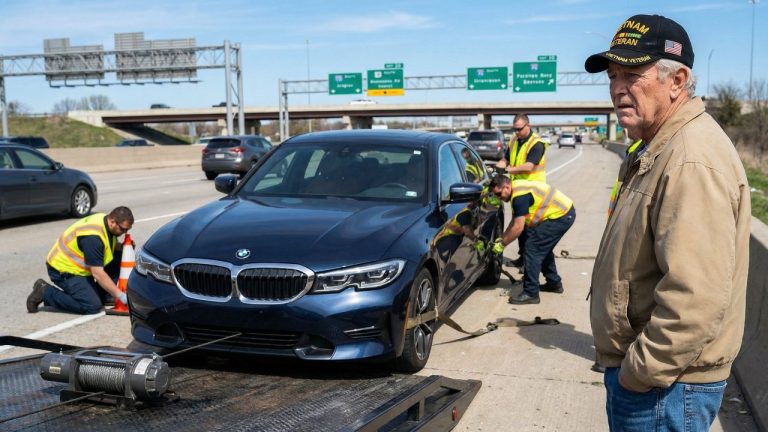
A 2019 AAA study found cold weather can erase an average of 41% of an EV’s rated range. At 20°F, a vehicle rated for 300 miles drops to roughly 177. That’s 123 miles gone before the tires hit the highway. Most owners bought the sticker number, but winter just rewrote it. And the part that stings: the battery itself is fine. Nothing broke, but the miles vanished anyway. The question every cold-climate driver should be asking is where all that energy actually went.
Energy Hijacked
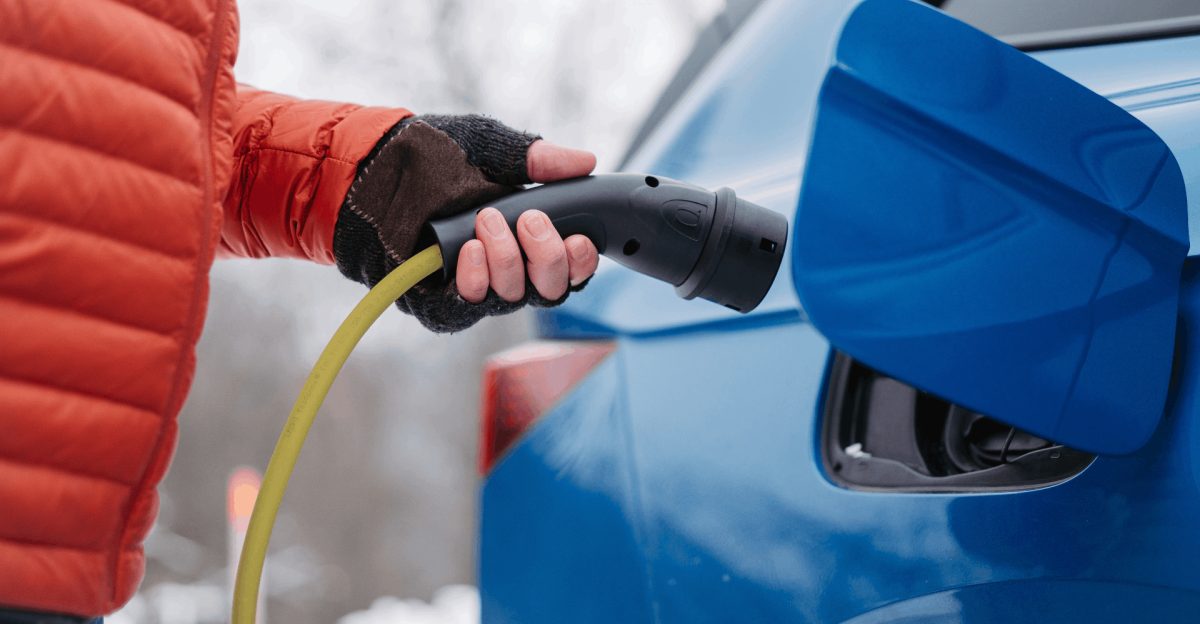
The U.S. Department of Energy confirms that temperature, HVAC use, driving speed, terrain, and payload all compete for the same battery. In cold weather, cabin heating and battery thermal management pull energy away from propulsion. The car warms itself before it moves you. Think of it like a gas engine idling for heat: comfort burns fuel even when the vehicle isn’t “going.” Except with an EV, there’s no separate fuel tank for the heater. Every watt spent on warmth is a watt stolen from range.
Grocery Run Math
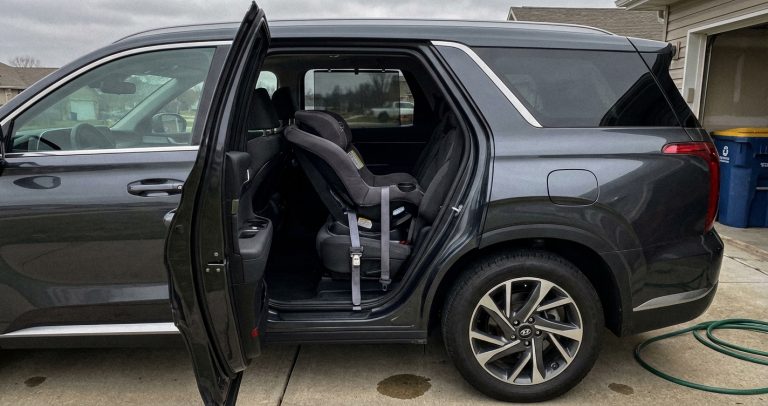
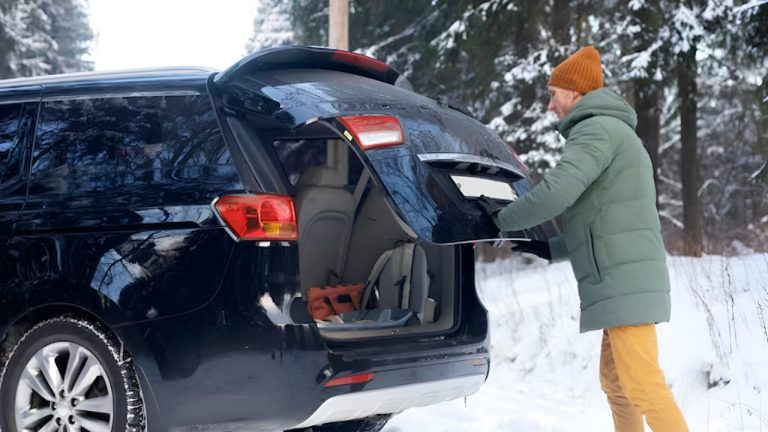
For a family in Minnesota or Michigan, the practical fallout hits fast. A 300-mile EV dropping to 177 miles in a cold snap means the comfortable round-trip radius shrinks from 150 miles to under 90. Errands, commutes, and school pickups that used to fit one charge now demand two. Based on that range reduction, a 600-mile winter road trip could require roughly two extra charging stops compared with summer. More stops mean more time, more planning, and more anxiety with kids in the backseat.
Automakers Scramble
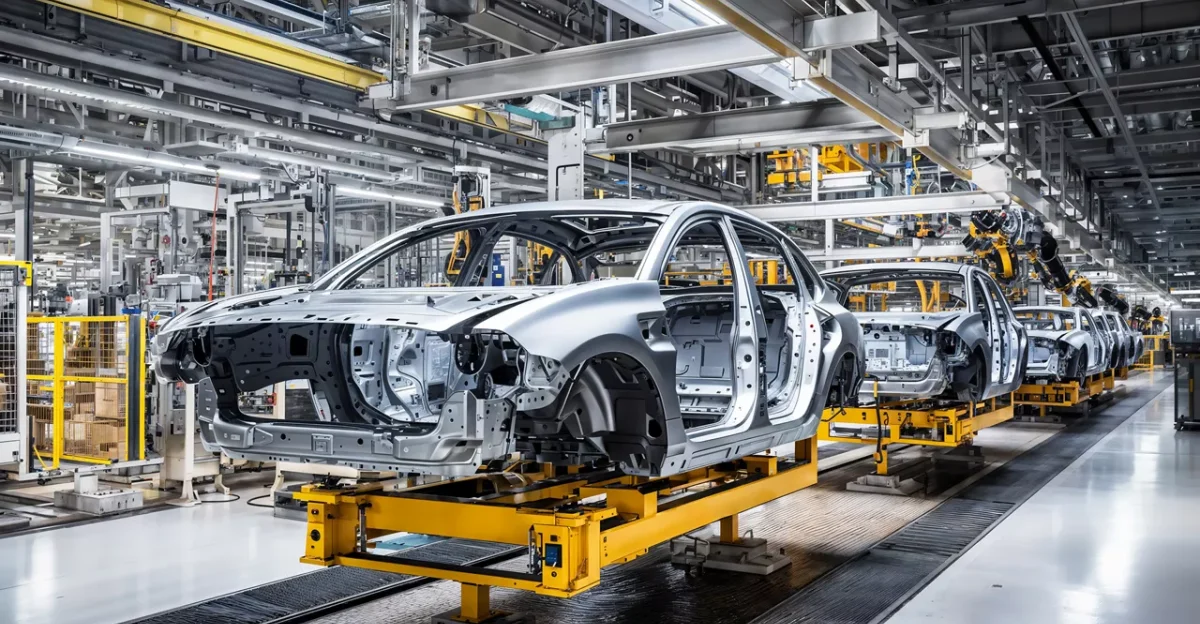
The industry ripple is already visible. Automakers are investing more heavily in heat-pump climate systems that recycle waste energy instead of pulling it straight from the battery. Tesla’s own range-support guidance now walks owners through factors affecting range and how to maximize it in cold weather. Consumer Reports notes that tire type and pressure, both affected by cold, further change efficiency. The fact that manufacturers are publishing winter-specific playbooks tells you the gap between sticker and reality has become too loud to ignore.
Tire Pressure Creep
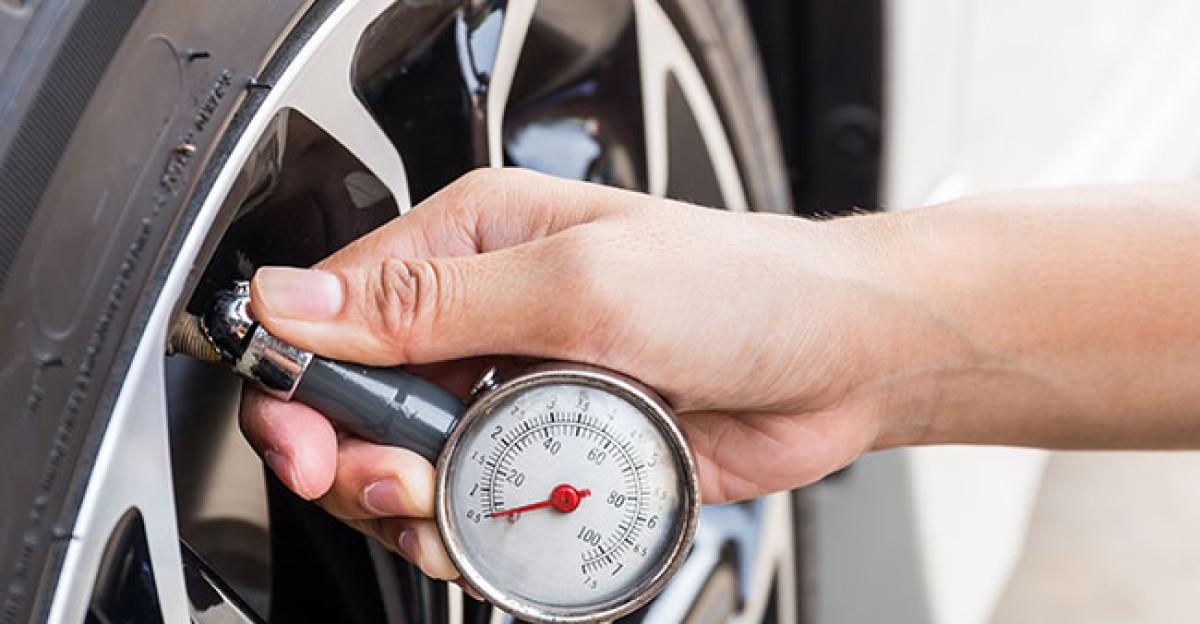
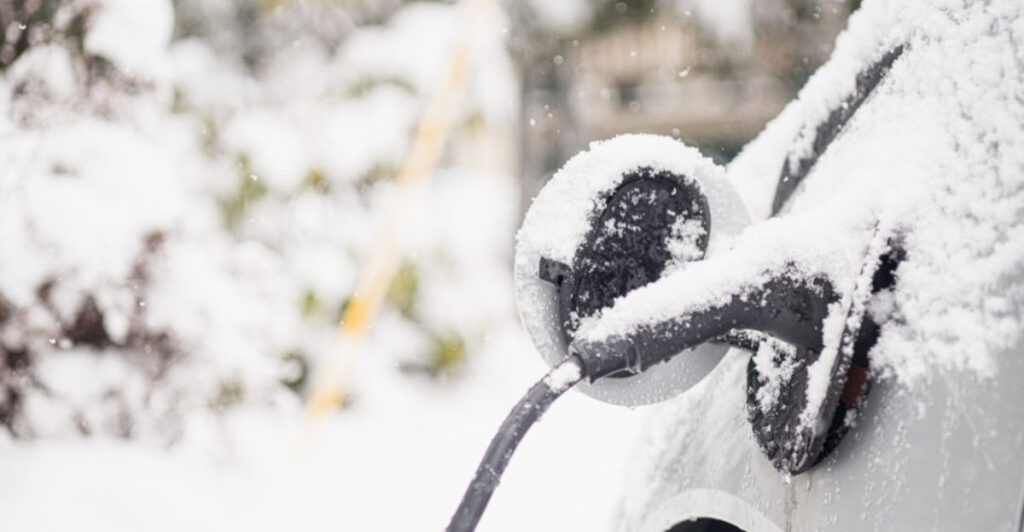
Here’s a ripple most people miss entirely. Cold air shrinks tire pressure. Underinflated tires increase rolling resistance, which drags efficiency down on top of the thermal losses already hammering the range. It’s the same physics as riding a bicycle on soft tires: more drag, less distance per effort. The DOE lists tire pressure as a contributing factor, and Consumer Reports confirms cold weather can quietly lower it. One problem compounds another. The winter range penalty isn’t a single hit. It’s a pile-on.
Heater With Wheels
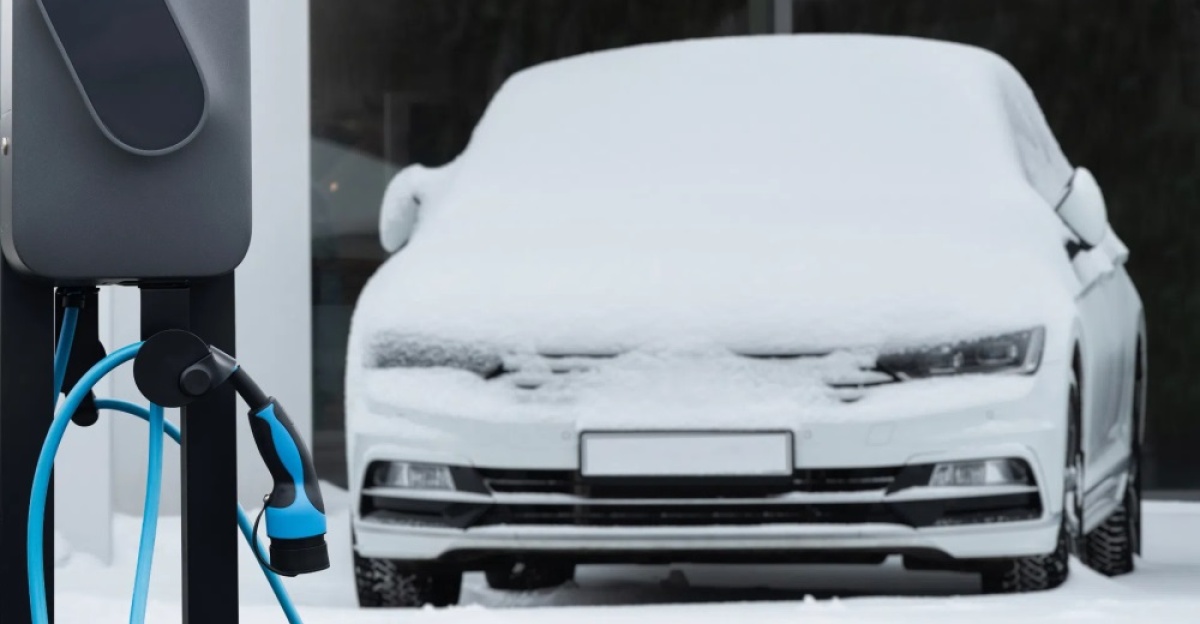
Same battery. Same charge. But in winter, that energy splits three ways: propulsion, cabin heat, and battery conditioning. Range shrinks in Chicago. Charging frequency climbs in Denver. The dashboard estimate drops in your driveway before you leave for work. Winter turns an EV into a heater with wheels. Once you see range as a dynamic energy budget instead of a fixed tank, every winter ripple connects. The car isn’t broken. The energy just has three jobs instead of one, and driving comes last.
Dashboard Anxiety
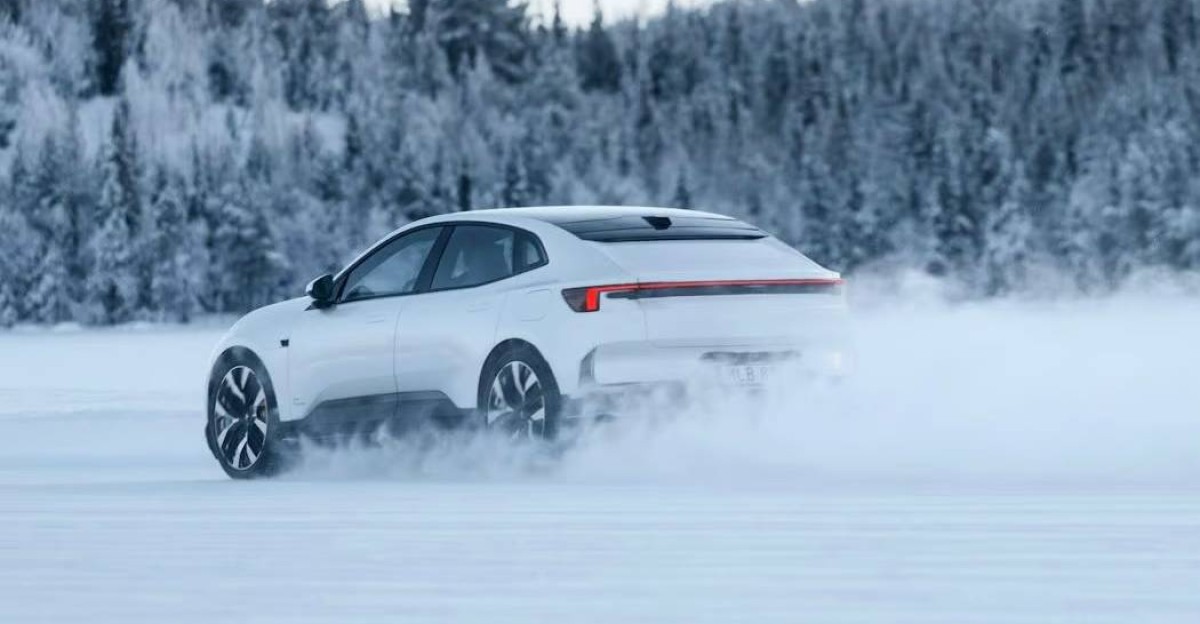
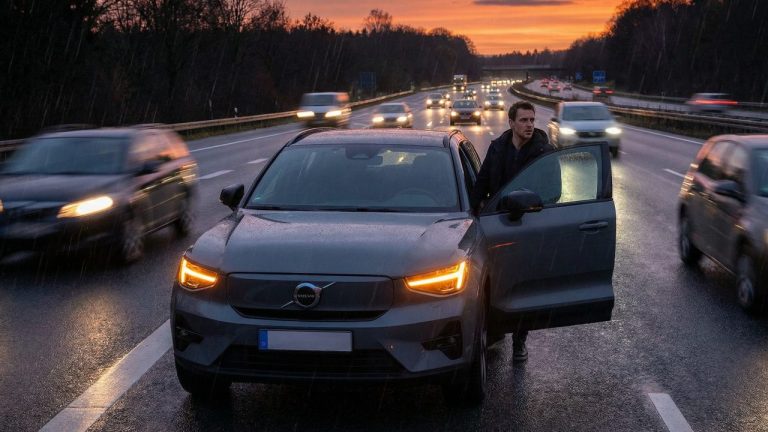
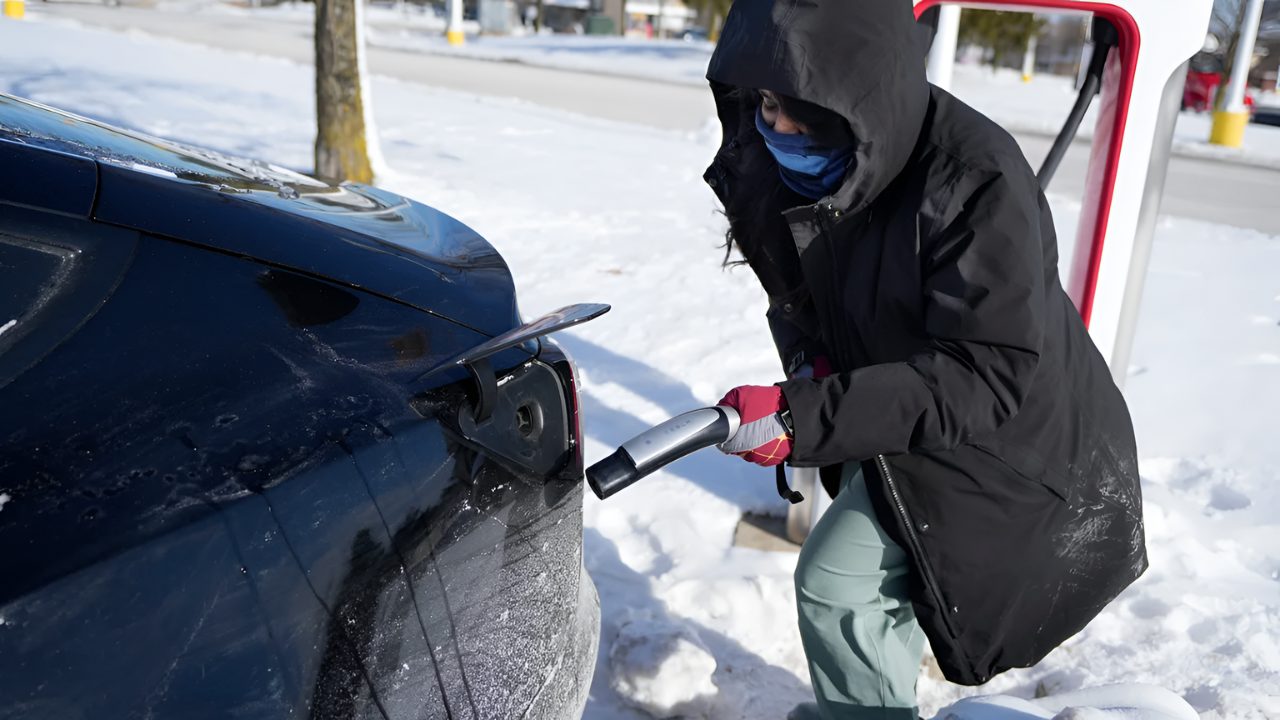
Recurrent Auto’s real-world data confirms what owners feel in their gut: range drops substantially in cold conditions, and the range estimate displayed on the dashboard adapts to reflect recent driving efficiency and conditions. A few cold days reset the number downward, and watching miles remaining fall faster than miles driven triggers genuine fear. For cold-climate drivers without home charging, that fear compounds. They depend on public chargers that may be farther apart than the new effective range allows. The math stops being abstract when you’re calculating whether you can make it home.
Label Reckoning
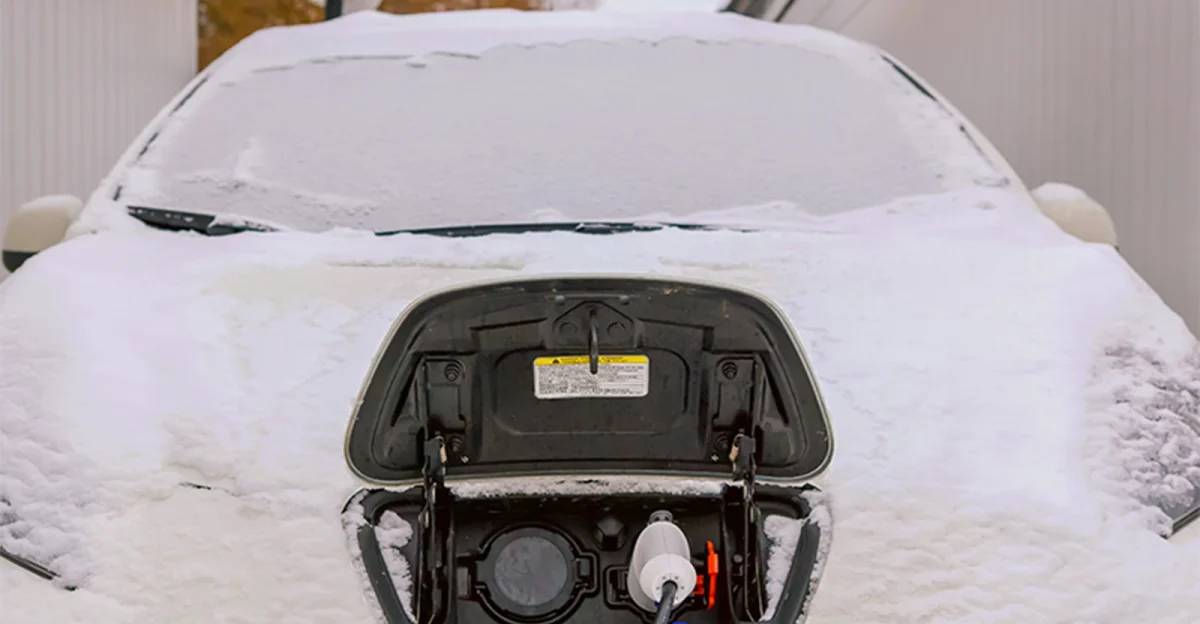
EPA range values come from standardized lab testing under SAE J1634 procedures, designed for vehicle-to-vehicle comparison, not as a winter driving guarantee. That distinction matters because it sets a precedent: the label is a benchmark, not a promise. As complaints about winter range loss accumulate, pressure builds on regulators and automakers to improve disclosure. The gap between label and lived experience could eventually force supplemental cold-weather ratings or revised consumer guidance. The rules of the sticker are older than the problem they now face.
Winners and Losers
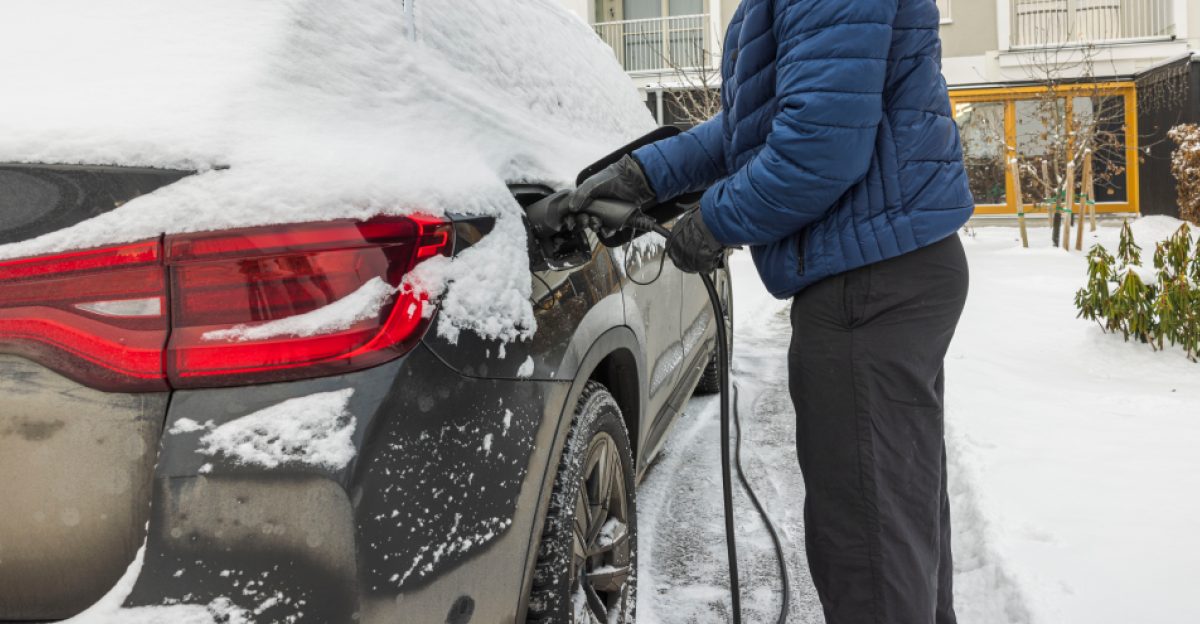
Paid fast-charging networks collect more revenue every winter as drivers plug in more often. Heat-pump suppliers gain leverage as automakers chase efficiency. Meanwhile, cold-climate EV owners without home charging absorb the highest costs: more sessions, more time, more planning. The irony is sharp. The feature that makes winter driving tolerable, cabin heat, is the single biggest range killer. Drivers who learn to precondition while plugged in, moderate speed, and use eco modes can claw back meaningful miles. Knowledge becomes the dividing line between anxiety and control.
Cascade Continues
Automakers are already responding with software updates, preconditioning reminders, and better thermal systems. But the underlying physics won’t change. Cold chemistry slows batteries. Heating demands energy. And every winter will stress-test the gap between the sticker and the road. The cascade from one weather pattern reaches tires, charging infrastructure, electricity bills, trip planning, and resale confidence in cold states. Understanding range as an energy budget, not a fixed number, is the status upgrade that separates a frustrated owner from a prepared one. This story resets every November.
Sources:
“Icy Temperatures Cut Electric Vehicle Range Nearly in Half.” AAA Newsroom, 7 Feb. 2019.
“Fuel Economy in Cold Weather.” FuelEconomy.gov, U.S. Department of Energy, 2024.
“Winter & Cold Weather EV Range.” Recurrent Auto, Jan. 2024.
“Fuel Economy and EV Range Testing.” U.S. Environmental Protection Agency, 2024.