Toyota Recalls 550,000 Vehicles Over Seat-Back Lock That Can Collapse During Crucial Moment
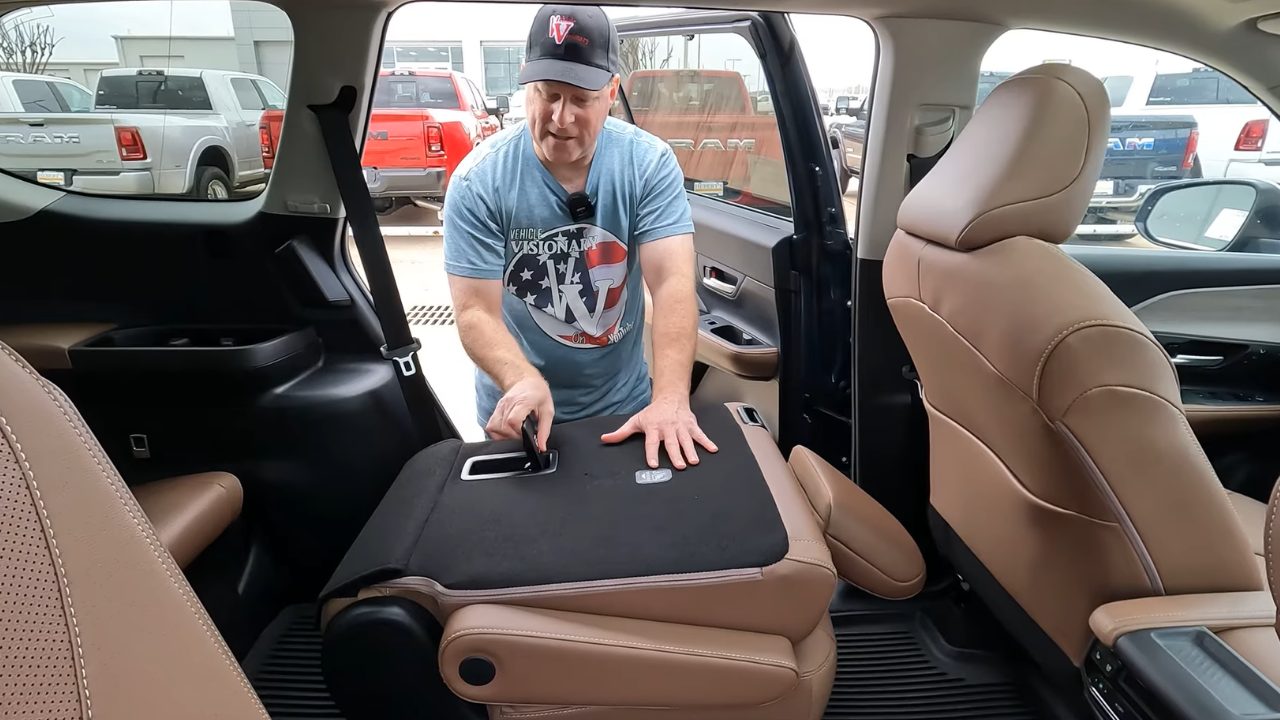
Toyota is recalling 550,000 vehicles, specifically 2021–2024 Highlander and Highlander Hybrid SUVs, over a seat-back recliner assembly whose return spring may fail to fully engage during seat adjustment, leaving the seat back unsecured in the event of a crash. Not an engine. Not brakes. A latch. The kind of part most owners never think about until the one moment it has to hold. That number, 550,000, represents households, families, car seats strapped in behind a backrest that might fold forward under impact forces. You bought a Toyota because you trusted it. That trust now has a VIN number attached. Check it.
Tiny Part, Big Physics
The defect sounds minor until you map it to crash physics. A seat-back lock holds the rear of the cabin together during impact. It manages crash energy, keeping occupants in their designated survival zones. When that lock fails to fully engage after seat adjustment, the seat back sits unsecured, and in a crash, it may fail to properly restrain second-row occupants. This recall exists because the cabin is a crash-safety system, not furniture. One small mechanism failing changes the math on injury risk for everyone in the vehicle.
Your Grocery Run
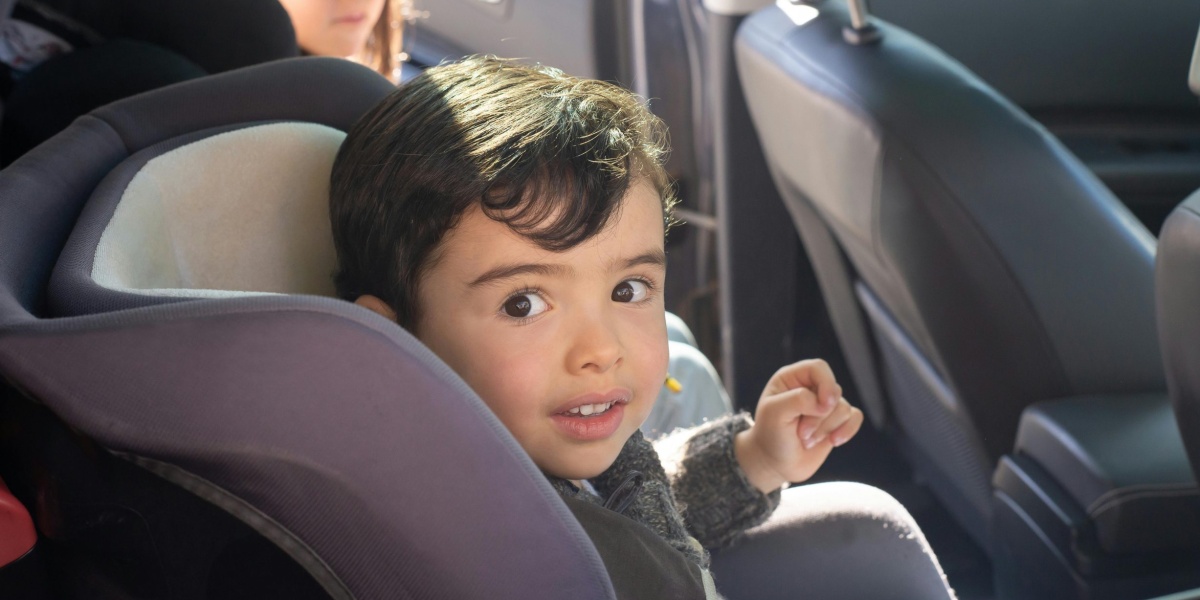
The immediate hit lands on 550,000 households that now need to schedule a dealer visit. That means time off work, arranging rides, and waiting for parts. For a family of four, the seat-back lock sits directly behind the kids. The concern reported by safety agencies is that unrepaired vehicles may carry an elevated risk in high-speed crash scenarios. No crashes or injuries linked to this defect had been reported as of the recall filing. Remedy parts are not yet available; Toyota expects to begin mailing owner notification letters on April 20, 2026. Every day an affected vehicle stays unpatched, the exposure rides along.
Dealer Gridlock
Now multiply that single household by hundreds of thousands. Toyota dealerships face a surge in service-bay demand that strains scheduling capacity nationwide. Large recalls create bottlenecks: technicians trained on specific repairs, parts inventories that need replenishing, and appointment slots that fill weeks out. Owners calling for appointments will hear wait times they didn’t expect from a brand built on efficiency. The dealership network absorbs the cost of every recall in labor hours and customer patience. That pressure ripples into every other service appointment on the books.
Resale Shockwave
Here’s where the cascade crosses a line nobody budgets for. An open recall on a vehicle’s record can affect resale and trade-in conversations until the status clears. Dealers checking VINs before accepting trades will flag unresolved recalls. Private buyers running NHTSA lookups will see the same red marker. A latch the size of your palm just altered the negotiating position on potentially hundreds of thousands of used-car transactions. One component. The entire secondary market feels it. That’s the part most people miss entirely.
The Machine Behind It
Three systems fire the moment a recall launches. NHTSA’s registry logs the defect and opens VIN verification to the public. Toyota’s own lookup tool routes owners toward the remedy. And the SaferCar app pushes alerts directly to phones, skipping the mailbox entirely. Defect detection. Federal registry. Dealer execution. That three-layer machine determines whether 550,000 owners actually get fixed or just get a letter they ignore. The recall announcement is the easy part. The logistics war that follows decides who stays protected and who keeps driving exposed.
Behind The Seat
Picture loading your kids into the back seat. The lock holding that backrest in place serves one purpose: keeping the cabin structure intact if something goes wrong. The reported concern is that the return spring in the recliner assembly may fail to fully engage during seat adjustment, leaving the seat back unlocked before a crash ever happens. Seat-back failures can turn a routine collision into a cabin-impact event, changing who absorbs the energy and how. Parents strap children in behind that seat every morning. The mental image alone, a backrest folding forward under impact, is enough to make you check your VIN tonight.
New Rules Forming
This recall reinforces a precedent that keeps gaining weight: VIN-based verification is the decisive consumer step, not model-year headlines. News coverage names broad categories. The VIN tool gives you a yes or no. NHTSA’s recall system and Toyota’s parallel portal now function as the primary consumer-protection checkpoint for half a million owners. Every large recall that runs through this infrastructure strengthens the expectation that owners verify individually. The system is training Americans to stop guessing and start entering 17 characters. That behavioral shift outlasts any single defect.
Winners And Losers
The losers are obvious: owners burning vacation hours at dealerships, families second-guessing a brand they chose for reliability. The quiet winner is the recall system itself, proving that a reliable brand running a large recall isn’t a contradiction. Recalls surface edge-case failures at scale. That’s the safety net working, not breaking. The real loser is the owner who ignores the notice, lets the letter pile up, and keeps driving a vehicle flagged for a crash-critical defect. A recall is a warning plus a free fix. Only if you act.
Still Cascading
If remedy parts face supply constraints, the backlog grows, and completion rates lag. Hundreds of thousands of vehicles could sit in the queue for months. Push alerts from the SaferCar app and Toyota’s VIN tool are accelerating awareness, but awareness without parts availability just creates informed anxiety. The cascade from one failed latch to a nationwide logistics operation to a resale-market ripple to a behavioral shift in how Americans verify vehicle safety — none of that is finished. Download the SaferCar app. Enter your VIN. The system only works if you use it.
Sources:
“Toyota Recalls 550,000 Highlander SUVs Because Seat Backs May Fail to Lock.” CBS News, 12 Mar. 2026.
“Toyota Highlander Seatback Locks May Fail, Potentially Resulting in Serious Injuries: NHTSA.” AboutLawsuits.com, 11 Mar. 2026.
“Toyota Recalls 550,000 Cars Over Defective Seat Problem.” LiveNow from Fox, 10 Mar. 2026.