Nissan Joins Uber’s Driverless Bet In First Major Carmaker-Platform-AI Alliance
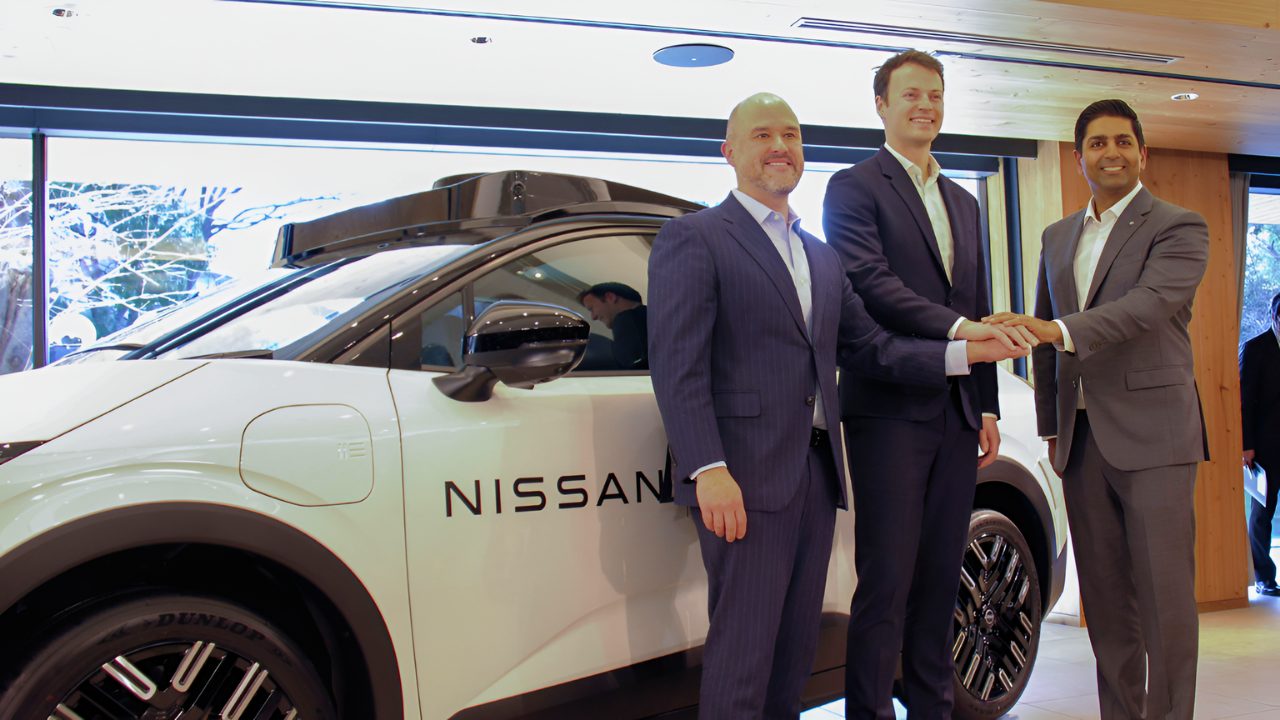
Nissan just joined Uber and autonomous-driving startup Wayve in a robotaxi partnership targeting 2026. Reuters reported the three-company tie-up, and the structure matters more than the timeline. Nissan provides the vehicle, Wayve provides the autonomous driving technology, and Uber operates the ride-hailing platform and dispatch marketplace. One robotaxi stack, three companies. That’s the announced structure. Most people saw the headline and moved on. The cascade of consequences rolling out from this single announcement reaches further than any of them expect.
Why Now
The old playbook had one company doing everything: building the car, writing the code, and finding the riders. That approach burned billions and stalled. This alliance exists because none of the three can pull it off alone. Nissan lacks autonomy software, while Wayve lacks vehicles and rider demand, and Uber lacks both hardware and a self-driving brain. So they bundled the full robotaxi product into a three-layer stack. The model copies how smartphones work: one company makes hardware, another writes the operating system, and a third runs the app store.
Your Ride
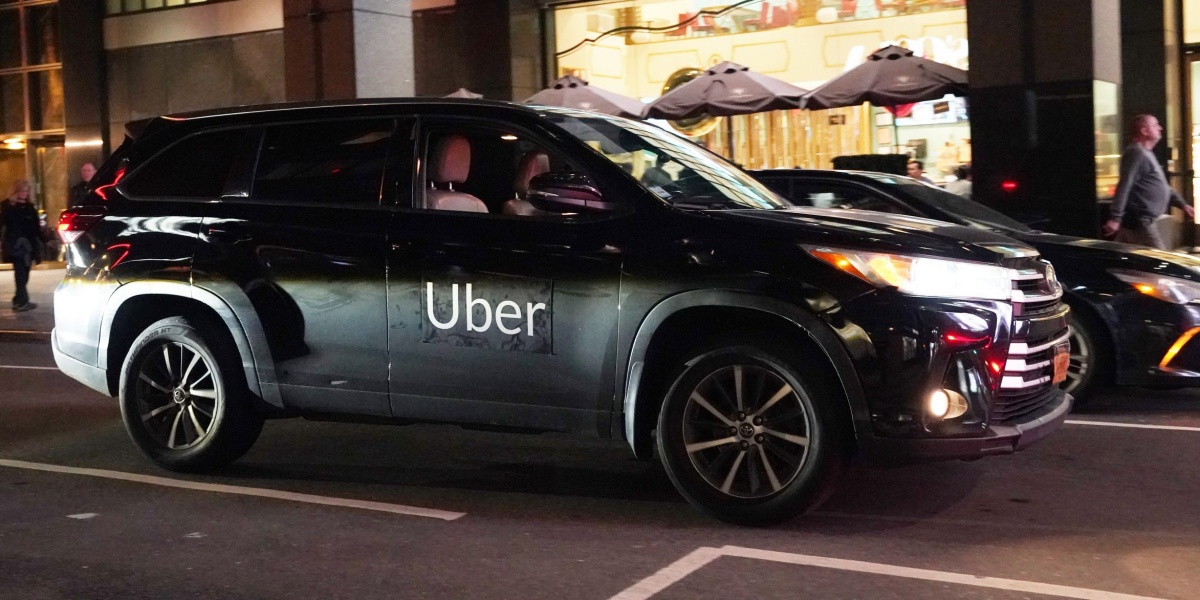
The direct hit lands on price and availability. If this stack reaches even a handful of cities, per-trip costs face downward pressure because the most expensive line item in any Uber ride disappears: the driver’s cut. Riders could see cheaper fares in launch markets. But “could” is doing heavy lifting. The 2026 target pins a specific year to a service that still needs permits, safety approvals, and integration testing across three separate companies. Cheaper rides are the promise. The permit office is the bottleneck.
Industry Scramble
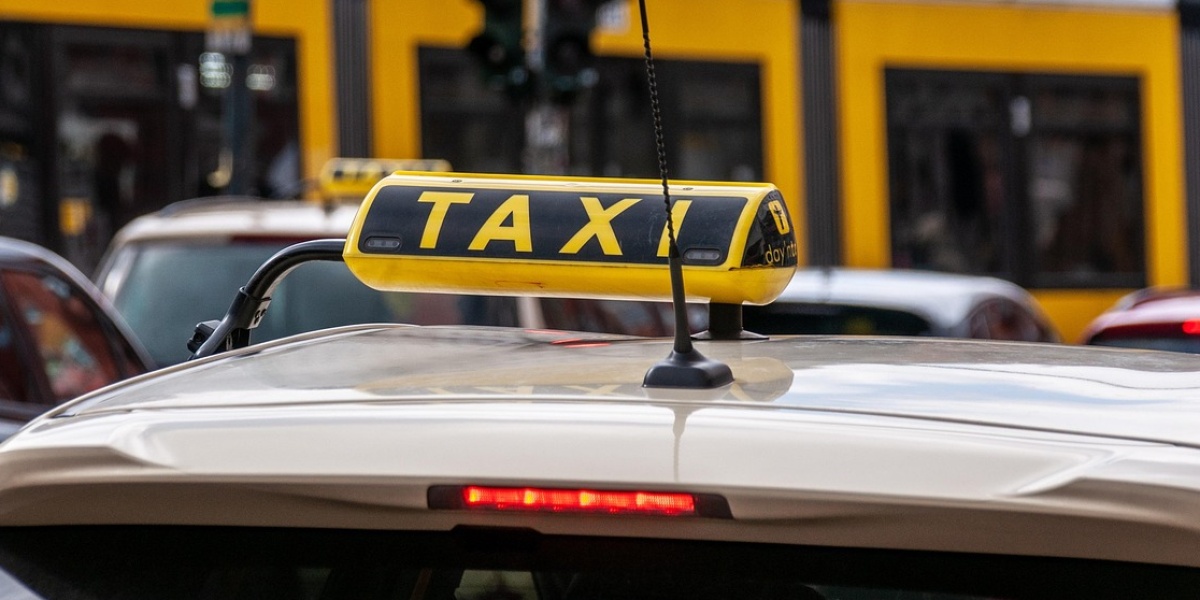
Every other carmaker, ride-hail operator, and autonomy startup just got a new template to copy or counter. The industry ripple from this deal points toward more three-way alliances as traditional manufacturers, software firms, and platforms bundle strengths to compete. Competitors who lack one layer of the stack now face pressure to find partners or lobby regulators for friendlier rules. Think about that: a single partnership announcement is reshaping how entire boardrooms approach the robotaxi question. The race shifted from “build the best tech” to “assemble the best coalition.”
Surprise Reach
Here is where the scope jumps the guardrail. Robotaxis sound like a transportation story. They are also insurance, real estate, and labor economics stories. Fleets of driverless vehicles change how underwriters price commercial auto policies. They change how cities zone parking structures. They change how gig workers calculate their next career move. One partnership aimed at ride-hailing and suddenly actuaries, urban planners, and workforce boards have new math to run. The boundary of this story is nowhere near where most people drew it.
Hidden Throttle
Every one of these ripples traces back to the same structural chokepoint. Permits. Safety-case documentation. Reporting frameworks. In California, companies testing autonomous vehicles must clear DMV permitting programs. At the federal level, NHTSA oversees automated vehicle safety guidance. SAE International defines levels of driving automation (Levels 0–5) that shape how regulators evaluate claims. Robotaxis are a regulatory-platform product, not just a self-driving car. The technology can be ready. The permits can still say no. That single bottleneck controls whether any of these consequences actually arrive.
Blame Gap

Now put a person inside this system. A robotaxi hits a pedestrian. The vehicle is Nissan’s. The driving decision is Wayve’s software. The ride was dispatched through Uber’s platform. Three companies. One incident. Whose fault? Multi-party robotaxi stacks normalize shared responsibility models, and “shared responsibility” is corporate language for “finger-pointing.” The accountability question is not theoretical. It is the question regulators, lawyers, and families will ask first. No driver, no single throat to choke. That silence should unsettle everyone paying attention.
New Rules
This deal does not just operate within existing regulations. It pressures regulators to write new ones. The UK government maintains official frameworks for connected and autonomous vehicles. California’s AV permitting program has long functioned as the proving ground for deployment. When a major carmaker-platform-autonomy stack files for permits, it forces agencies to formalize rules they have been drafting in theory. Precedent gets set not by the best technology but by the first credible applicant with a complete stack. The rules of the road are being written right now.
Winners and Losers
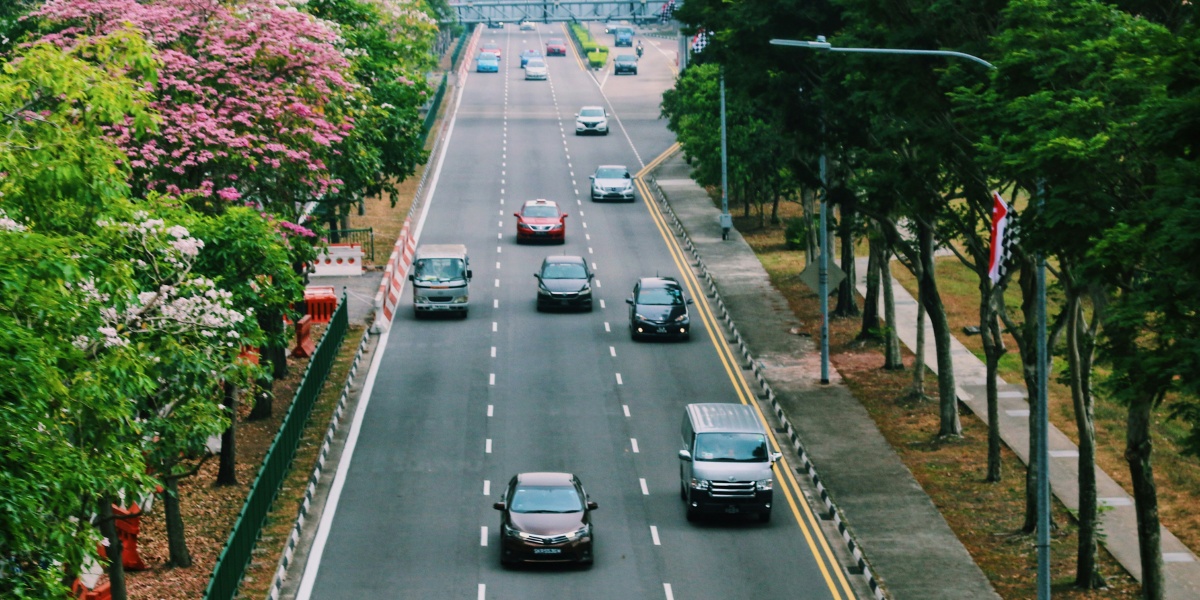
The clearest losers are human drivers in early rollout cities and smaller fleet operators without platform-scale demand. If per-trip labor costs drop, independent drivers absorb the hit first. The clearest winner may be Uber itself. The platform controls rider demand and dispatch. Nissan builds the cars. Wayve writes the code. Uber collects the margin on every ride without employing a single driver. Same mechanism, different industry, identical result: the platform extracts value while partners carry risk. Knowing that structure is worth more than any stock tip.
Not Over
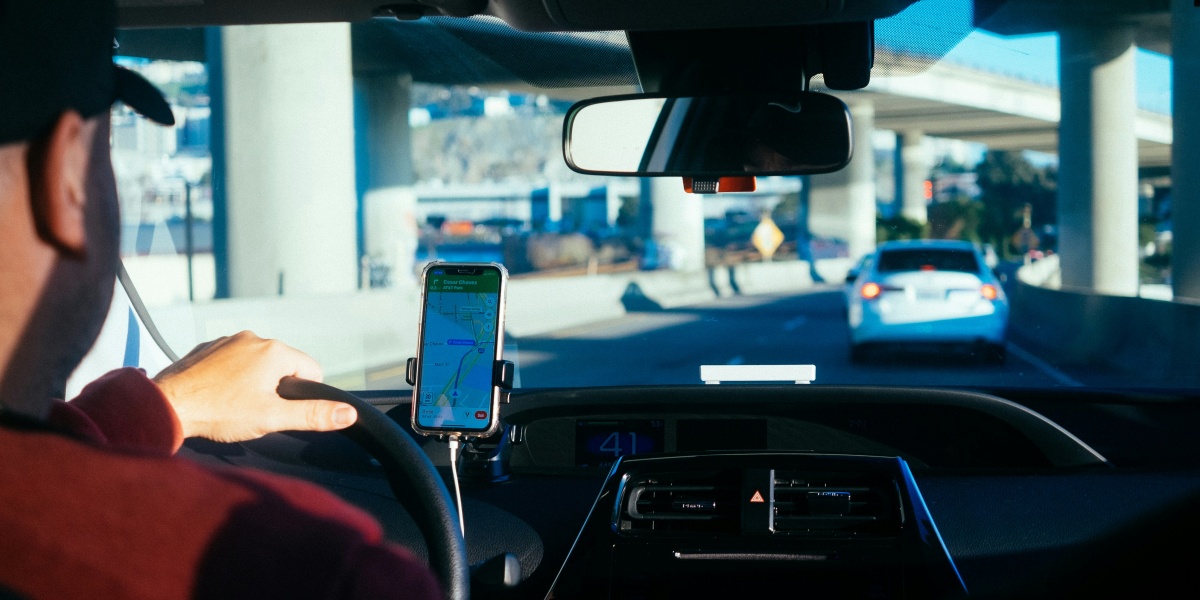
The cascade is accelerating, not landing. Next comes pilot design, jurisdiction selection, and the first real incident that triggers public scrutiny and reporting demands. That scrutiny can slow expansion or force a full redesign of the safety case. Meanwhile, competitors are pursuing exclusive partnerships or lobbying for favorable autonomous vehicle rules. The counter-moves could reshape the alliance before it ever carries a paying passenger. Anyone who read this headline and thought “cool, robot taxis” now understands the system: permits, platforms, and accountability decide everything. The 2026 clock is ticking.
Sources:
“Nissan, Uber, Wayve unveil robotaxi tie-up.” Reuters, 12 Mar 2026.
“Uber, Wayve and Nissan plan Tokyo robotaxi pilot by late 2026.” Investing.com (via joint company statement / press release), 11 Mar 2026.
“Uber, Wayve, and Nissan are bringing robotaxis to Tokyo.” The Next Web, 11 Mar 2026.
“Autonomous Vehicle (AV) Testing and Operation Requirements.” California Energy Department / California DMV reference, 2025.