Stellantis Raids Toyota’s Supplier Network To Build New Jeep Hybrids—After Years Dismissing The Technology
Somewhere inside Stellantis headquarters, somebody picked up the phone and called Toyota’s people. Not for a partnership or a joint venture. For parts. Hybrid parts. The kind of components Stellantis could have been developing internally for years but wasn’t, because the official line under former CEO Carlos Tavares focused on leapfrogging to full electrification rather than investing deeply in conventional hybrid systems. Now the company that positioned itself as an EV-forward automaker needs proven hybrid technology, and it needs it fast enough to source it from outside its own walls.
Jeep’s New Reality
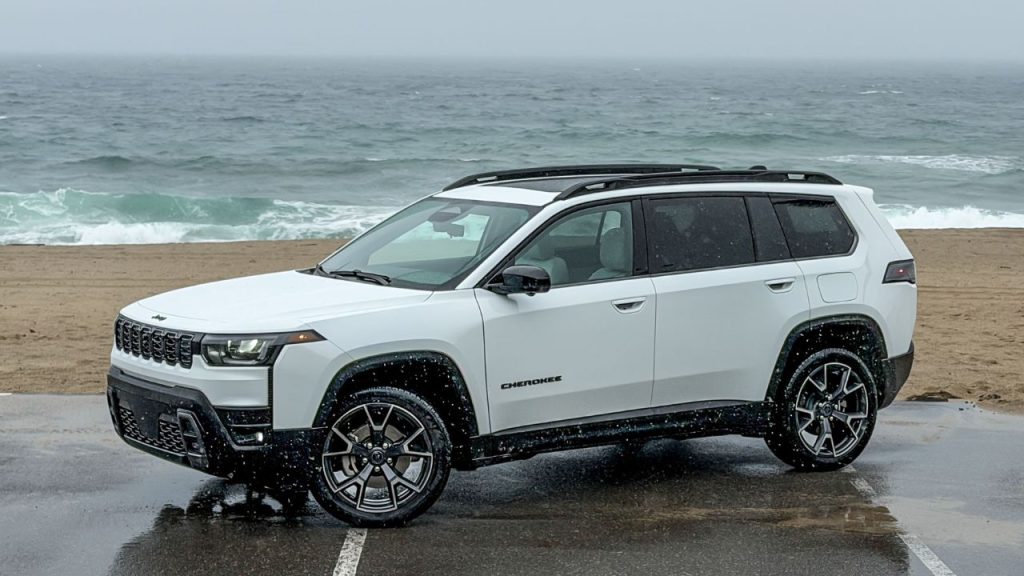
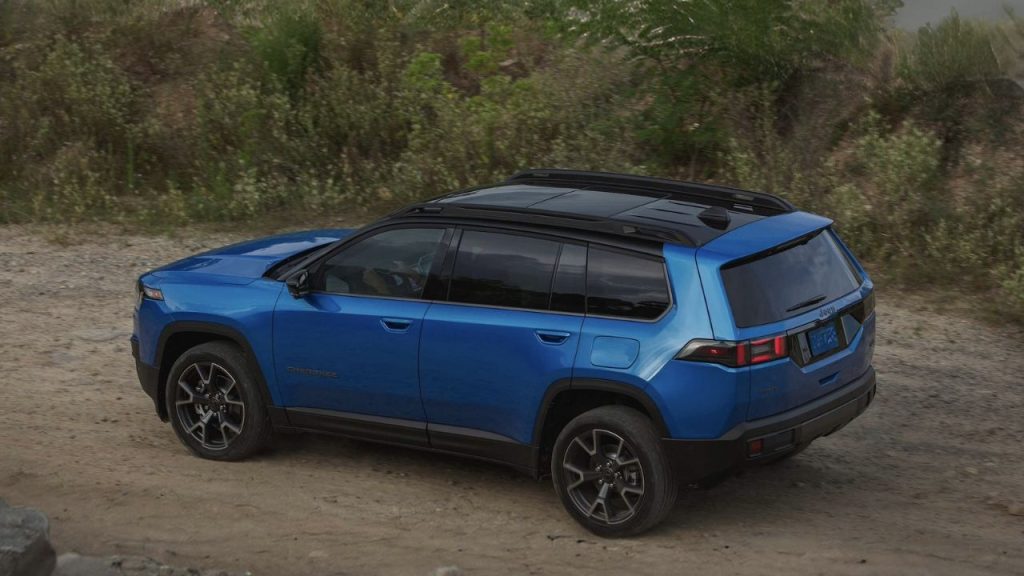
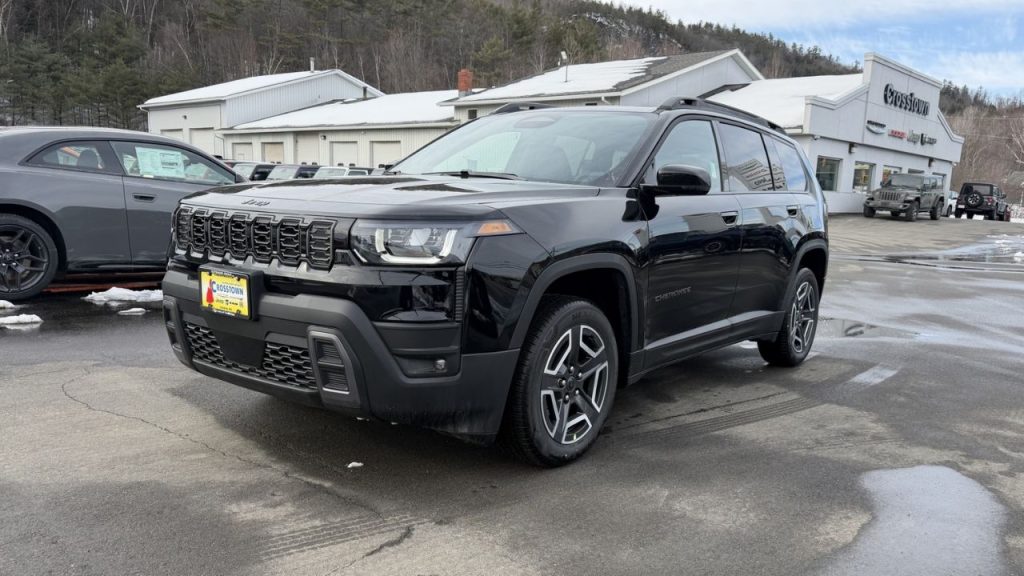
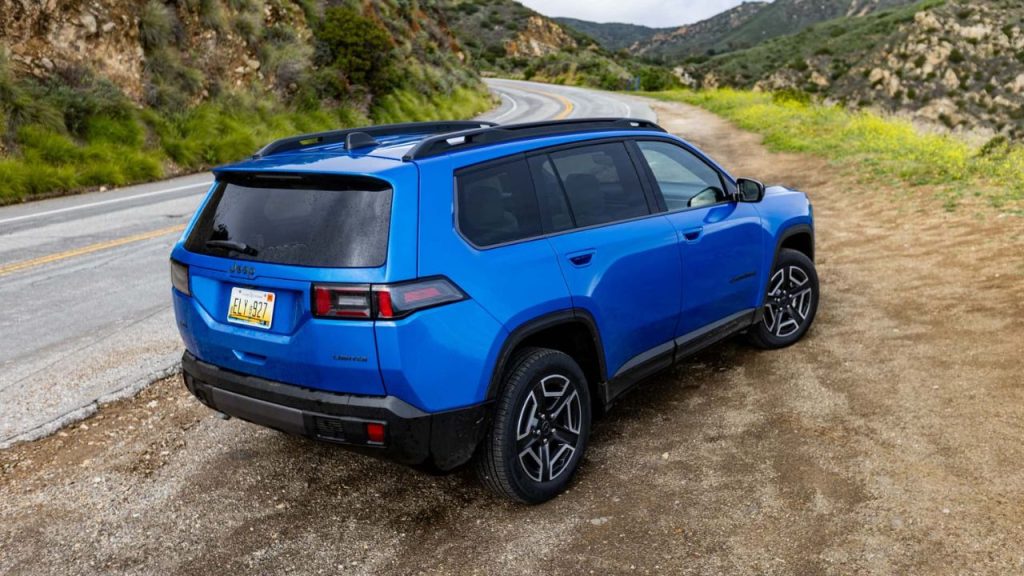
New Jeep hybrids sit at the center of this sourcing push. Stellantis is using Blue Nexus, a Toyota-backed company, and Bosch to secure hybrid and extended-range technologies for upcoming Jeep models. That means the brand synonymous with rugged American capability will run on powertrains developed in someone else’s ecosystem. Jeep buyers walking into dealerships expecting homegrown engineering will find Toyota-adjacent components under the hood. The regulatory pressure forcing automakers toward cleaner fleets left Stellantis with a gap in conventional hybrid capability it couldn’t fill alone, and Jeep is where that gap shows first.
Buying Into Someone Else’s Ecosystem
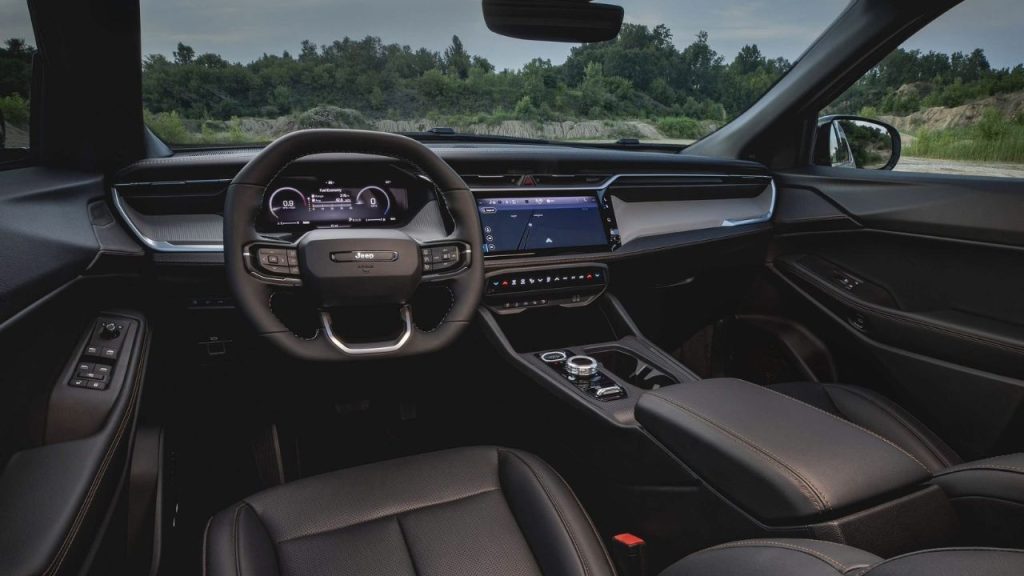
Call it aggressive sourcing. Stellantis is reaching into the industry’s most battle-tested hybrid supply chains rather than reinventing systems internally. Blue Nexus, backed by Toyota, built its expertise across decades of hybrid production—its two-motor electric continuously variable hybrid transmission now powers the new Jeep Cherokee. Bosch brings electrified powertrain components refined through millions of units, supplying technology for the upcoming Grand Wagoneer EREV. Stellantis is plugging into both. In the auto industry, strategy is what you fund and source, not just what you say. And right now, Stellantis is funding hybrid capability by writing checks to suppliers who perfected the technology for someone else entirely.
A Quiet Reversal
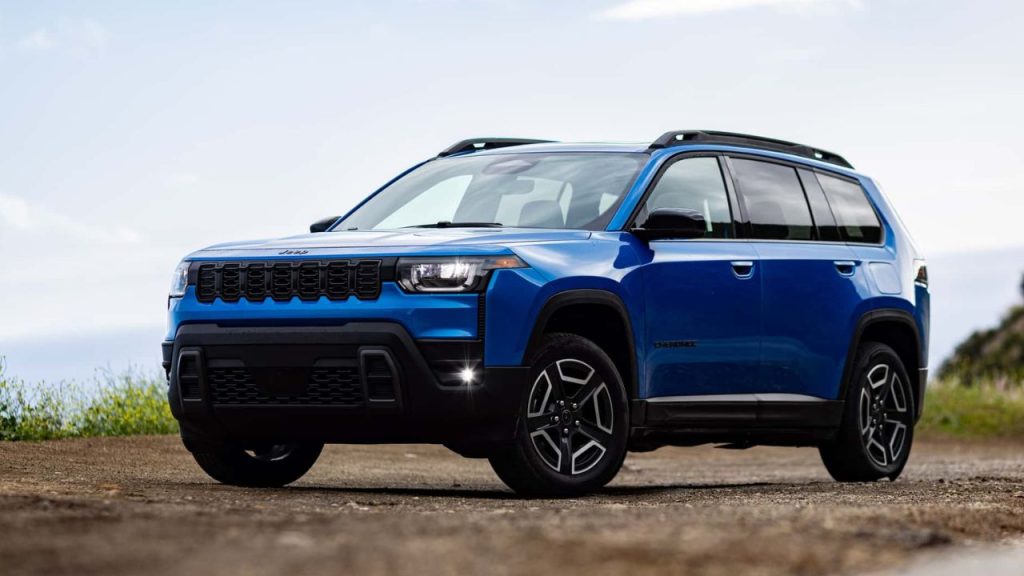
Whatever Stellantis’ earlier messaging on electrification, the sourcing decision itself is the tell. The company sold plug-in hybrids (PHEVs) for years—the Wrangler 4xe, Grand Cherokee 4xe, Chrysler Pacifica Hybrid—but discontinued all of them in January 2026, citing shifting customer demand and regulatory changes. Now conventional hybrids and EREVs have moved from “nice-to-have” to “need-to-have,” and Stellantis lacks the in-house conventional hybrid architecture to deliver them. Tapping outside suppliers for new Jeep hybrids. Proven components from Blue Nexus and Bosch. Not internal development. Outsourced expertise. That’s not a company confident in its electrification roadmap. That’s a company rewriting the roadmap mid-drive, and the correction runs through someone else’s parts catalog.
Speed Over Sovereignty
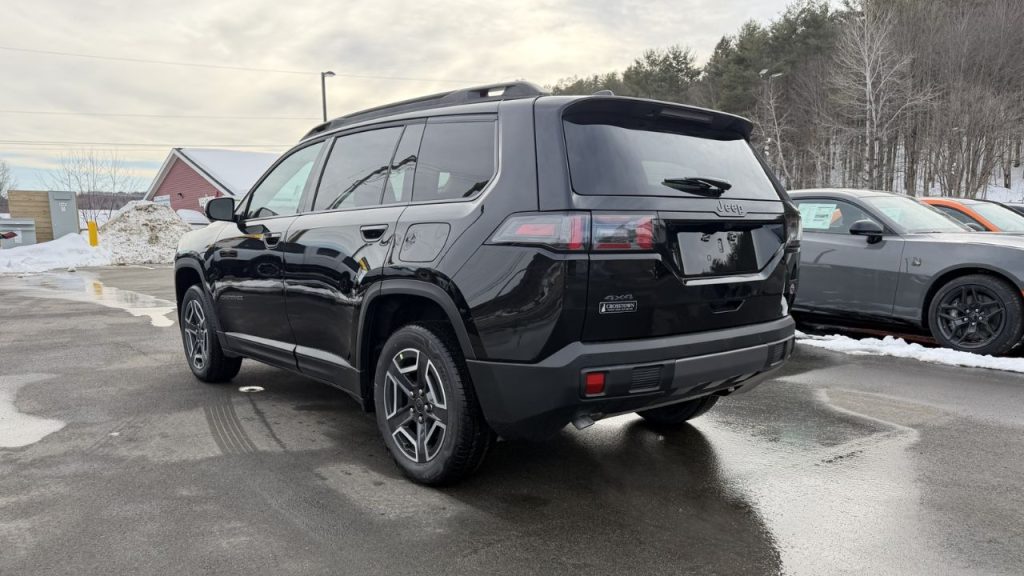
Think of it as a restaurant expanding its menu by buying sauces from a famous supplier instead of developing recipes in-house. Faster, proven, and entirely dependent on someone else’s expertise. Stellantis chose speed over sovereignty. Toyota’s supplier ecosystem exists because Toyota committed to hybrid technology when other automakers were still debating it. Bosch invested in electrified powertrain components while competitors hedged. Stellantis now benefits from both commitments without having made either one, which is efficient in the short term and revealing about what was missing internally.
Compliance By Phone Call
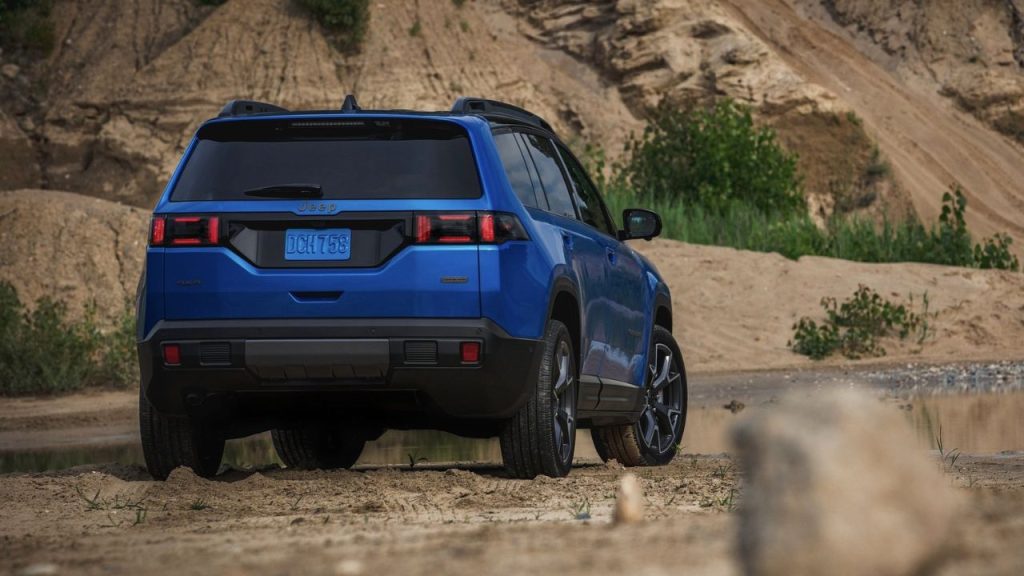
The EPA tracks U.S. fleet emissions trends that put real teeth behind electrification timelines. The IEA’s global EV outlook shows hybrid adoption accelerating worldwide as consumers and regulators reject the binary choice between combustion and pure electric. Stellantis operates in both markets. New Jeep hybrids aren’t a lifestyle choice for the company. They’re a compliance tool. When regulations tighten and your internal conventional hybrid capability is thin, you either source externally or watch your fleet averages fall behind competitors who planned ahead. Stellantis chose the phone call.
Power Shifts In The Supply Chain
This sourcing move reshapes more than Jeep’s product line. It signals to the entire supplier industry that legacy automakers without deep conventional hybrid expertise will come shopping. Toyota-linked suppliers like Blue Nexus gain leverage. Bosch gains new customers. And Stellantis’ own internal powertrain teams face an uncomfortable question about their role going forward. Every hybrid component sourced externally is a component not developed in-house, which means institutional knowledge stays with the supplier, not with Stellantis. The dependency runs one direction, and it doesn’t favor the buyer long-term.
When The Leapfrog Theory Breaks
This reads like a reversal in posture: conventional hybrids and EREVs are no longer a sideshow if the company is building supply lines around them. But zoom out further. Stellantis isn’t an outlier. The entire industry assumption that automakers could leapfrog hybrids straight to battery-electric is cracking under consumer hesitation and infrastructure gaps. Stellantis just made the crack visible by sourcing from the ecosystem of the one company that never bought the leapfrog theory. Toyota bet on hybrids when it was unfashionable. Now that bet is paying dividends to Toyota’s suppliers from Stellantis’ checkbook.
Questions The Next Playbook Has To Answer
While Blue Nexus and Bosch have been confirmed as the key suppliers, and the Jeep Cherokee and Grand Wagoneer EREV identified as the initial models, production volumes and the exclusivity of those arrangements remain undisclosed. That silence matters. Are these short-term bridge deals or long-term platform commitments? Does Stellantis retain any path to internalizing conventional hybrid development, or has it conceded that capability permanently? CEO Antonio Filosa’s business plan presentation on May 21 will either answer those questions or confirm that the strategy is still being written while the parts are already being ordered.
What The New Jeeps Really Say
Here is what most people will miss about this story. The headline is about Jeep getting hybrids. The real story is about where those hybrids come from. Stellantis tapping Blue Nexus and Bosch means the competitive advantage in conventional hybrid technology has already been decided, and Stellantis lost that race before most people realized it was running. Every new Jeep hybrid rolling off the line will carry proof that the company’s earlier focus on full electrification left a hole only its competitors’ suppliers could fill. That hole doesn’t close with one deal.
Sources:
“Stellantis’ Jeep taps Toyota-backed firm, Bosch for hybrid, extended range technologies.” Reuters, 10 Mar 2026.
“Stellantis taps Toyota, Bosch suppliers for hybrid tech for Jeep.” CNBC, 10 Mar 2026.
“Stellantis discontinues all plug-in hybrid vehicles for 2026.” Detroit Free Press, 9 Jan 2026.
“The 2025 EPA Automotive Trends Report.” U.S. Environmental Protection Agency, 2026.