Uber’s Next Robotaxi Deal Hands Amazon The Wheel
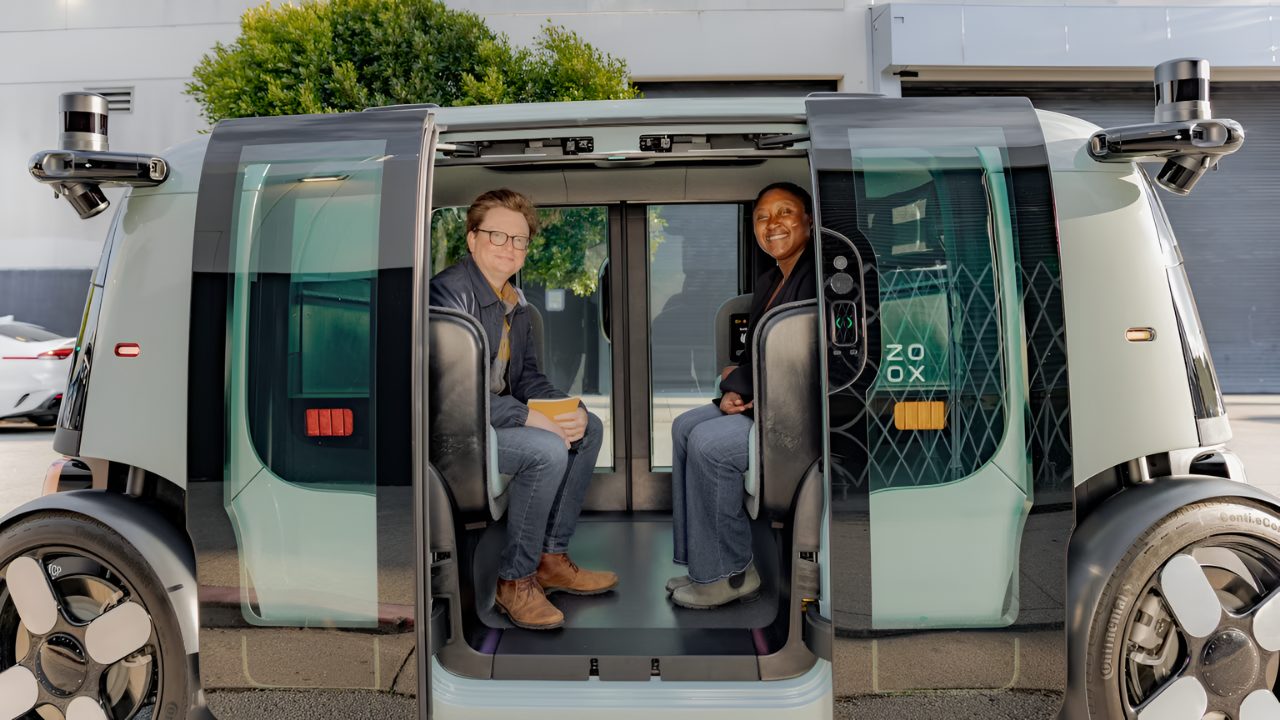
In the near future, an Uber arrives at the curb. No driver sits behind the wheel. No human rides inside. The vehicle is a purpose-built pod, designed from the ground up to transport passengers with no employees on board. That pod is owned by Zoox, a company under Amazon.
Forbes reports Uber is in talks for its next robotaxi partnership, and the potential partner is the world’s largest e-commerce company. The company that changed taxis could soon rely on Amazon for vehicles.
Uber and Amazon: A New Alliance
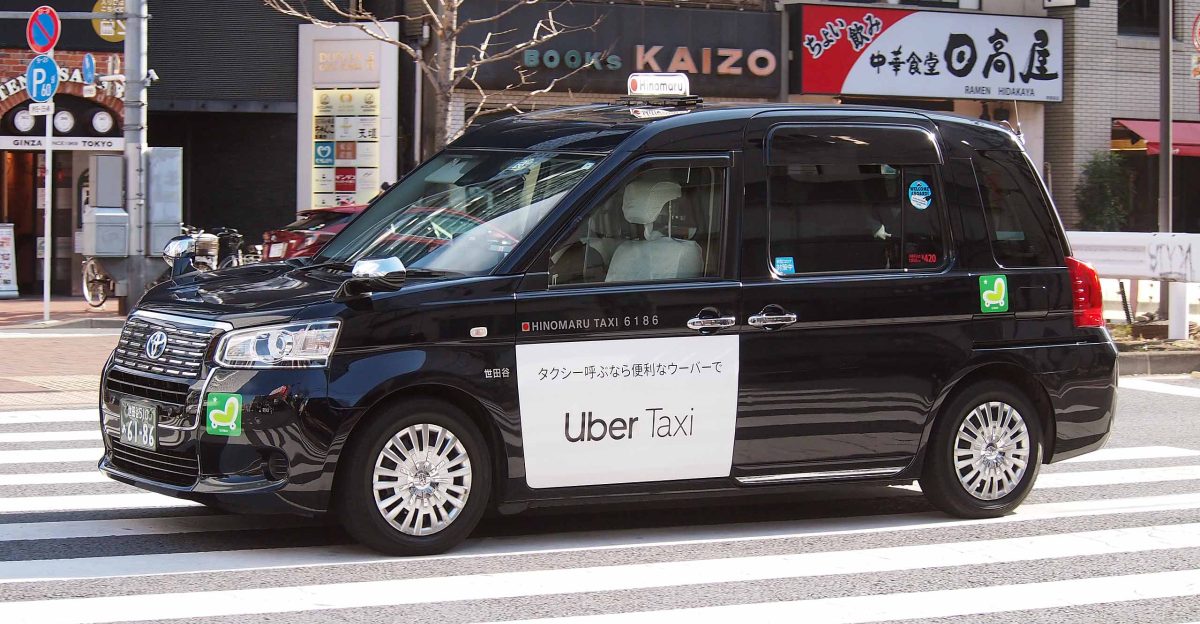
Uber has pursued autonomous vehicle partners before. The company has shaped its strategy around combining outside technologies instead of building its own self-driving system. Uber serves as the demand layer: the app, the riders, the marketplace. Another company supplies the vehicles.
This model offers control over which partners reach millions of riders. With Amazon as a partner, that control becomes much more complicated.
A Vehicle Designed for Autonomy
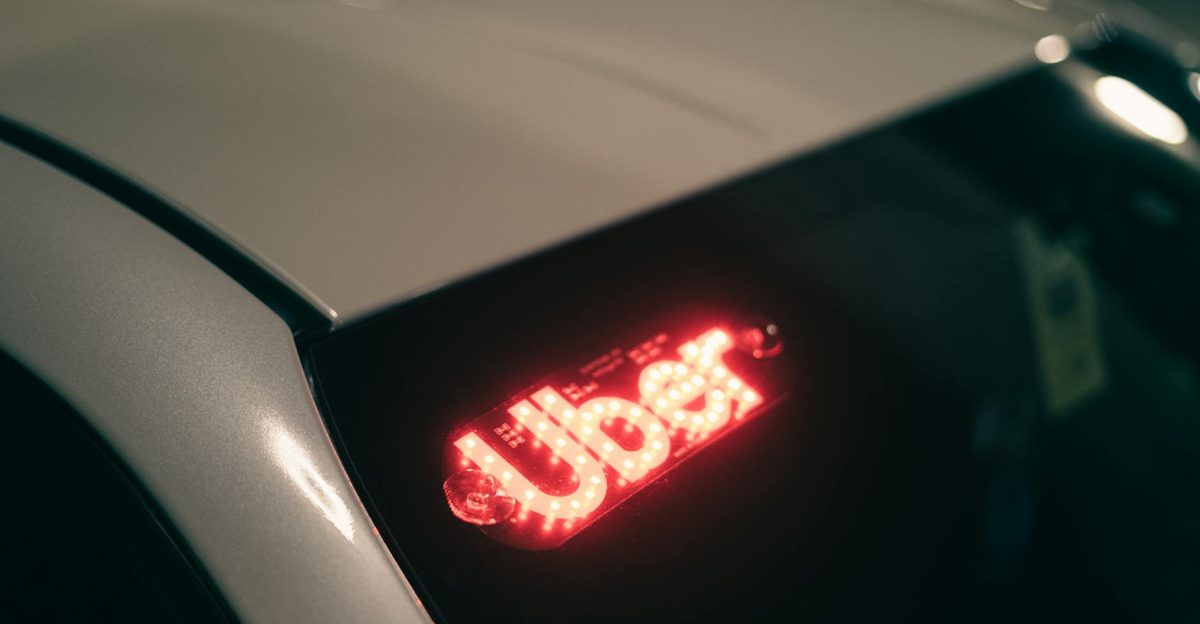
Most robotaxi projects begin with a standard car fitted with sensors. Zoox designed an autonomous vehicle from scratch, with no steering wheel, pedals, or driver’s seat.
This approach gives Zoox control over hardware, design, and manufacturing. Uber controls demand. The industry has assumed the best AI would win the robotaxi race. Yet the real bottleneck may be somewhere else entirely: not in software, but in who owns the vehicles and puts them on the road.
Who Holds the Power?
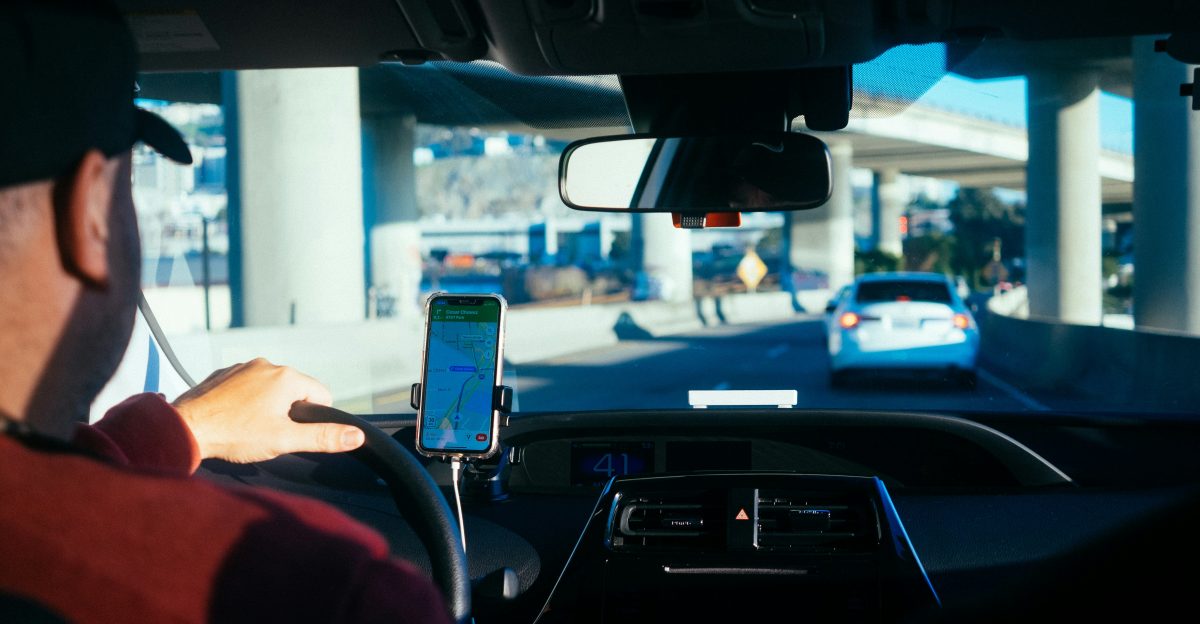
Underneath, this is a power struggle. Uber brings together riders. Zoox, supported by Amazon’s resources, controls the fleet.
In a driverless world, the side with fleet capacity sets pricing and availability. Uber could end up as just a demand channel. Amazon has already taken on its share of risk. The real transaction is about dividing power between a platform and a fleet owner. One side brings riders. The other controls the asset that matters most.
Regulation Decides the Race
Algorithms only go so far. U.S. autonomous vehicles face a dual-track regulatory system: federal safety oversight by NHTSA and state-level permits and reports, such as California’s AV program. Even the most advanced robotaxi cannot operate until regulators give approval for each city and state.
Permits act as the zoning laws for robotaxis. The company with compliant, permitted vehicles on the road controls the outcome, regardless of which app a rider uses.
The Economics of Fleet Ownership
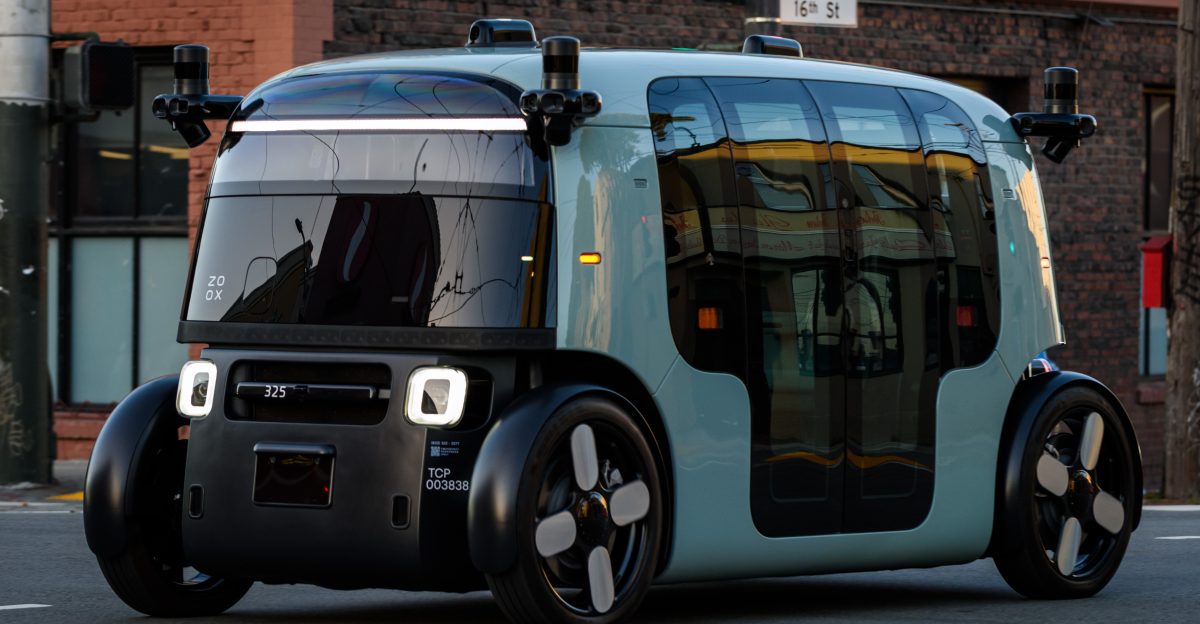
The economics reveal a stark difference. Zoox owns the vehicles, and Amazon owns Zoox. Fleet capacity rests within a tech giant with near-unlimited capital for manufacturing, compliance, and scaling up. Uber supplies demand, but demand without vehicles means an empty app.
Owning the fleet can capture more profit over time, while platforms risk turning into commodity distribution channels. That imbalance is built into any deal where one side owns the vehicles and the other side owns only the interface.
Industry Impact and Exclusion
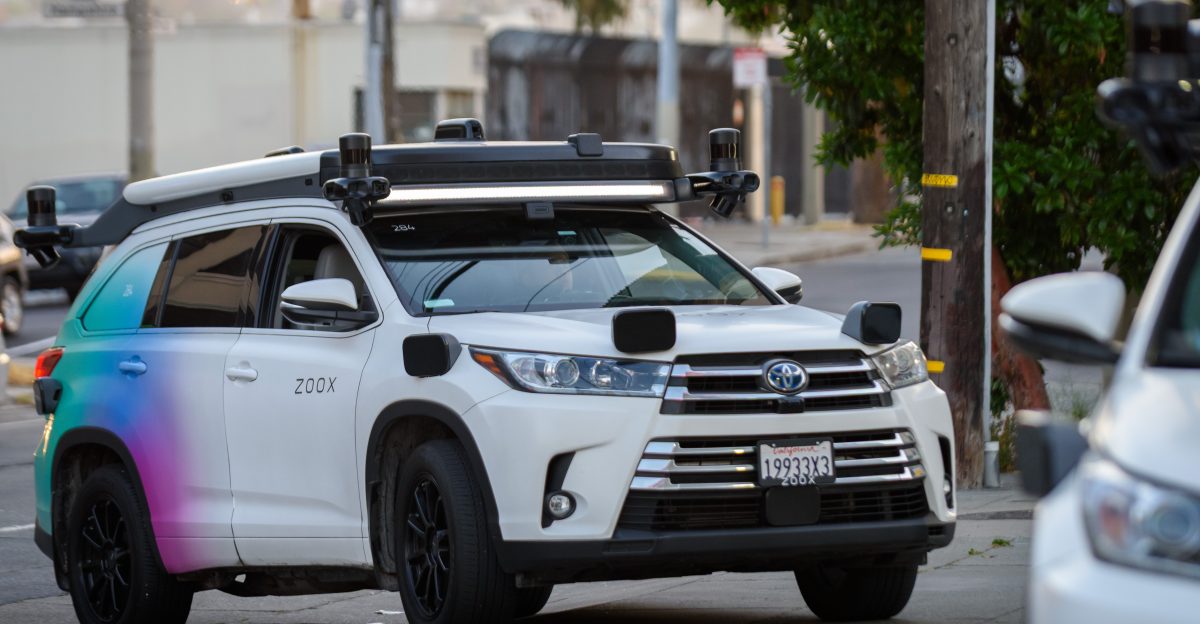
If this partnership model continues, more platform-fleet alliances will form as companies exchange distribution for vehicle supply.
Smaller AV startups feel the impact first. Lacking Big Tech capital, permits in enough cities, and a strong distribution partner, they hit a wall. No vehicles, no business. Regulatory limits already decide where and when robotaxis can run, shaping maps before a single ride is booked. Early deals between industry leaders could shut out those who don’t secure permits quickly.
Big Tech Sets the Standard
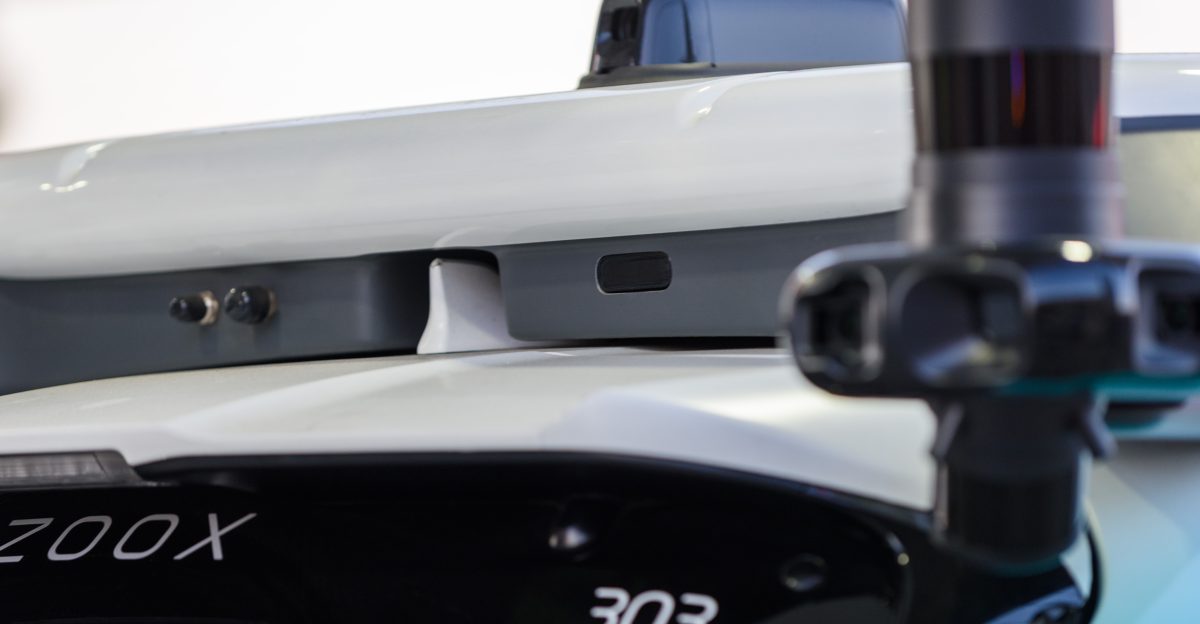
Amazon acquired Zoox and added robotaxis to a portfolio that already leads in logistics, cloud computing, and retail. That move was about positioning. The pattern goes beyond one deal: Big Tech-owned AV fleets teaming up with consumer mobility platforms could set the industry standard. This shift reframes the entire robotaxi race.
Success will not depend on writing the best self-driving code. It will come down to who can put permitted vehicles on the streets, backed by deep pockets.
Rising Stakes in the Robotaxi Race
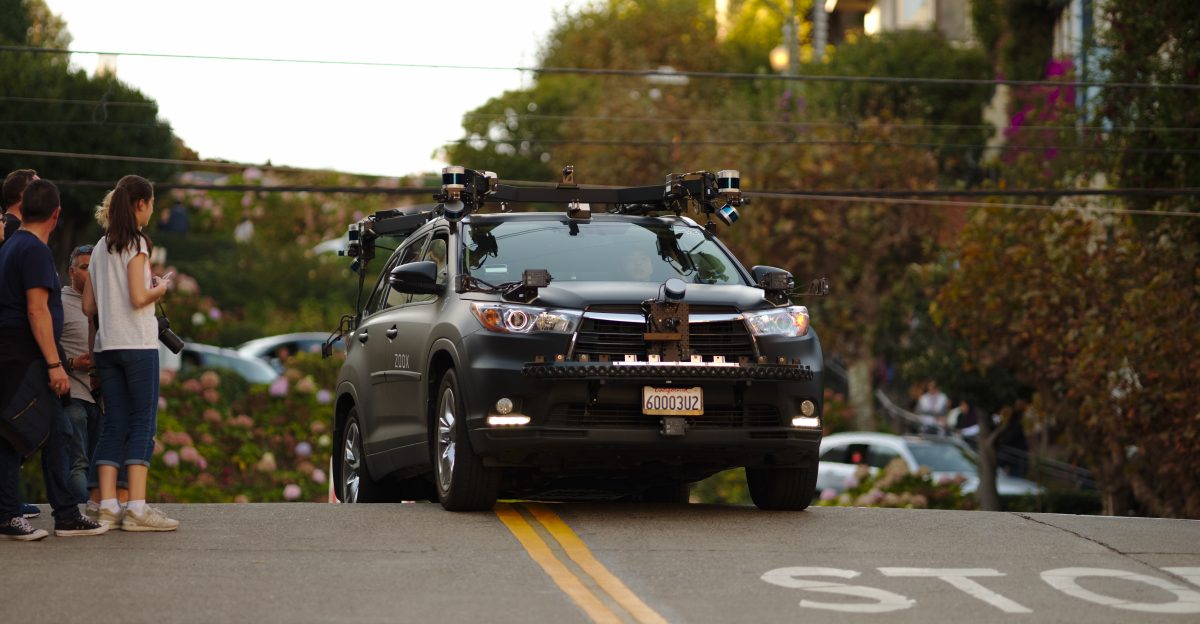
The dominoes fall quickly. Exclusive fleet deals restrict supply, concentrating pricing power with fleet owners. That pricing power draws regulatory attention. This power struggle between platforms and fleet owners will only grow, regardless of how well the cars perform.
Without a fleet partner, companies are already behind. The real countdown now is not for technology, but for getting permitted vehicles on the streets in the cities that matter most.
Rivals Scramble for Position
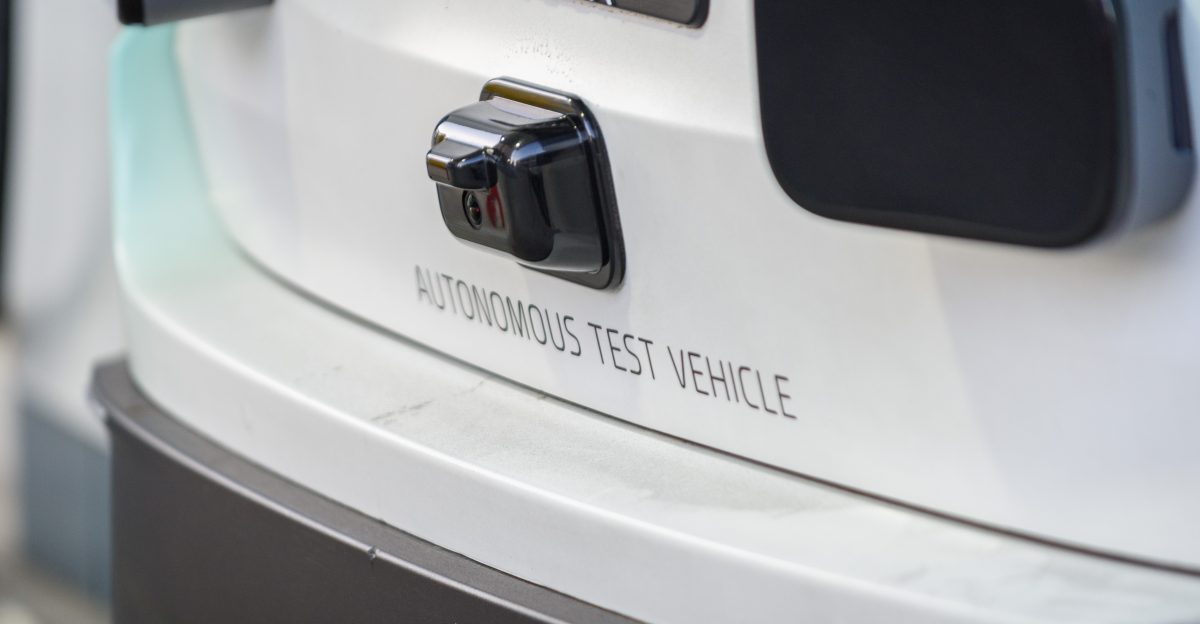
Rival platforms and fleet operators are forming new partnerships and working to secure permits faster, aiming to avoid reliance on a single supplier. This deal brings a central issue into focus: in a driverless future, does power belong to the app that books the ride or the company that owns the vehicle?
Many still view robotaxis as a technology story. The reality is about supply chains, permits, and leverage. Those who see this distinction understand the industry better than executives still chasing perfect software.
Sources:
Zoox and Uber; Zoox and Uber Announce Strategic Partnership; March 10, 2026
CNBC; Amazon’s Zoox partners with Uber to reach more robotaxi riders; March 11, 2026
California Department of Motor Vehicles; Autonomous Vehicle Deployment Program; October 23, 2023
National Highway Traffic Safety Administration (NHTSA); NHTSA takes ‘milestone’ step toward robotaxi commercial deployment; March 10, 2026
Amazon; We’re acquiring Zoox to help bring their vision of autonomous ride-hailing to reality; June 25, 2020