550K Toyota Owners Just Learned Their Seats Could Betray Them In A Crash
Half a million Toyota vehicles sit in driveways, parking lots, and school pickup lines across the country with a defect few owners recognize. It’s not the engine or the brakes. The problem lies in the second-row seat. Passengers rely on it for long drives and road trips, rarely giving it a second thought.
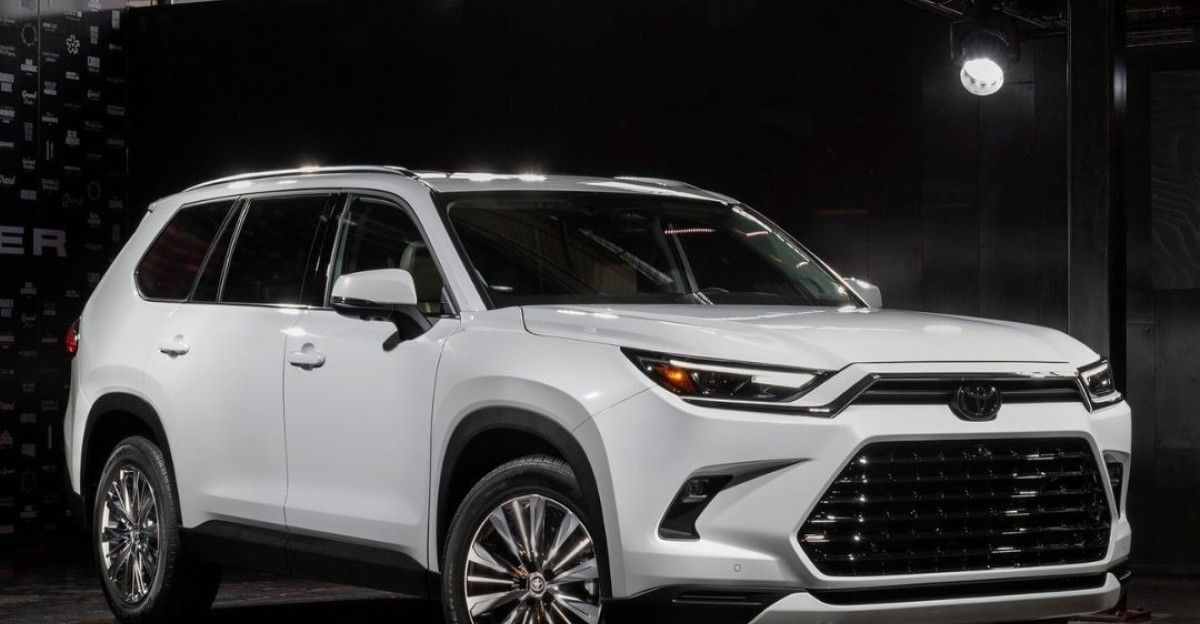
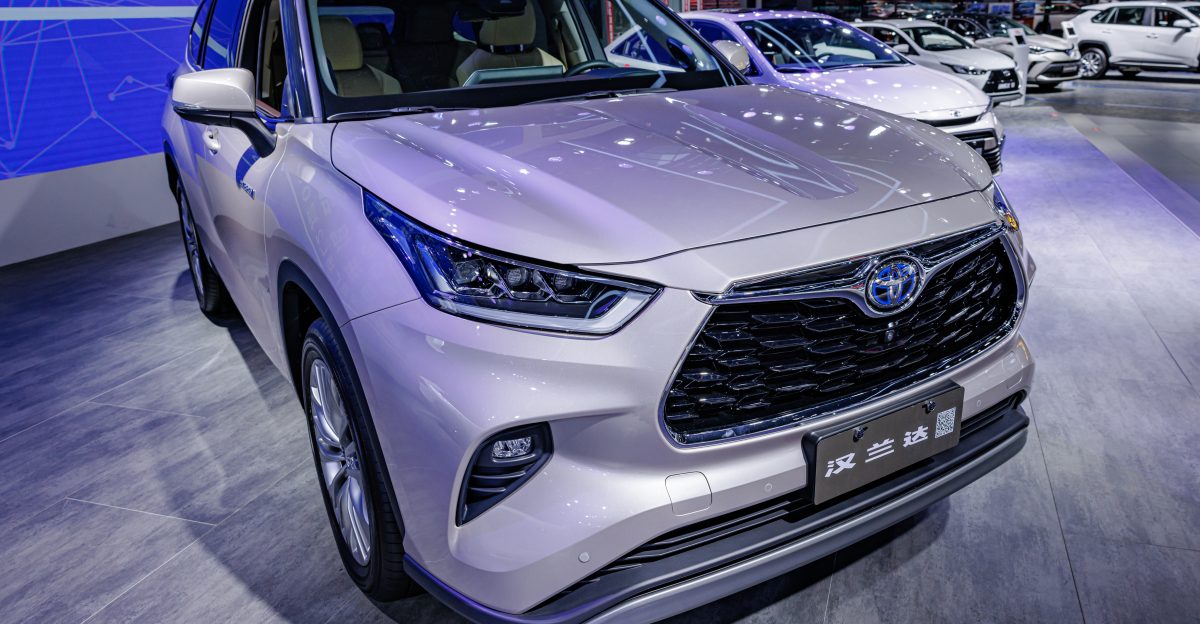
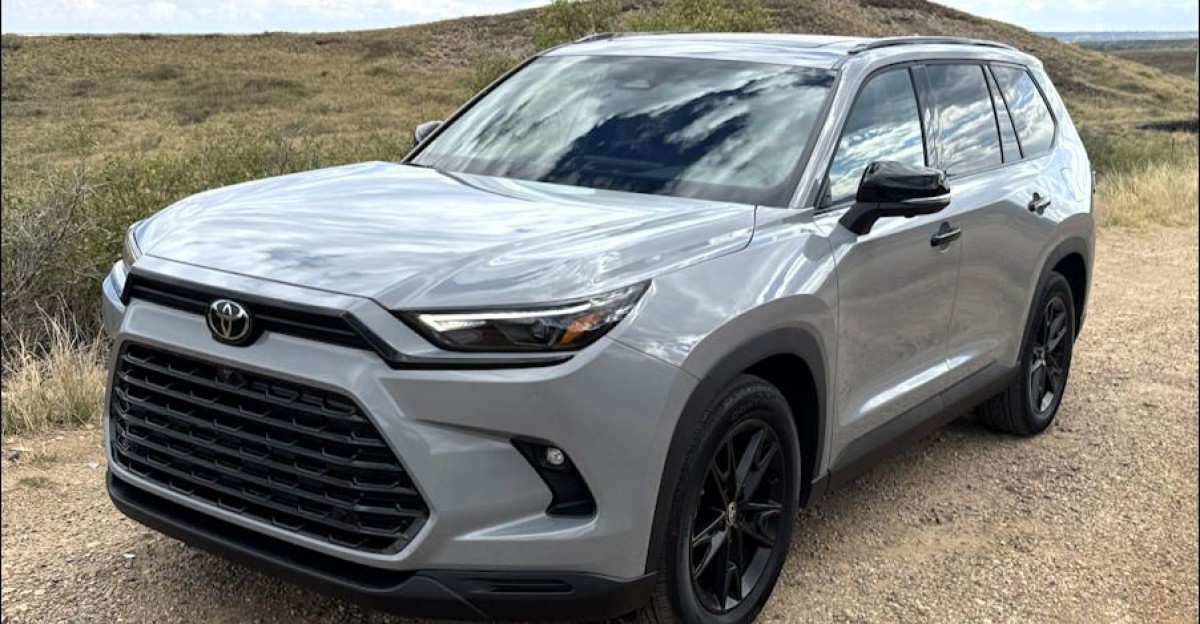
Toyota issued a recall for around 550,000 vehicles. This includes 2021 through 2024 Highlander and Highlander Hybrid SUVs. The reason is a second-row seat-back defect that can compromise occupant protection. This recall covers vehicles nationwide, and most have not been repaired. These cars remain on the road, still carrying families.
A Safety Flaw Hiding in Plain Sight
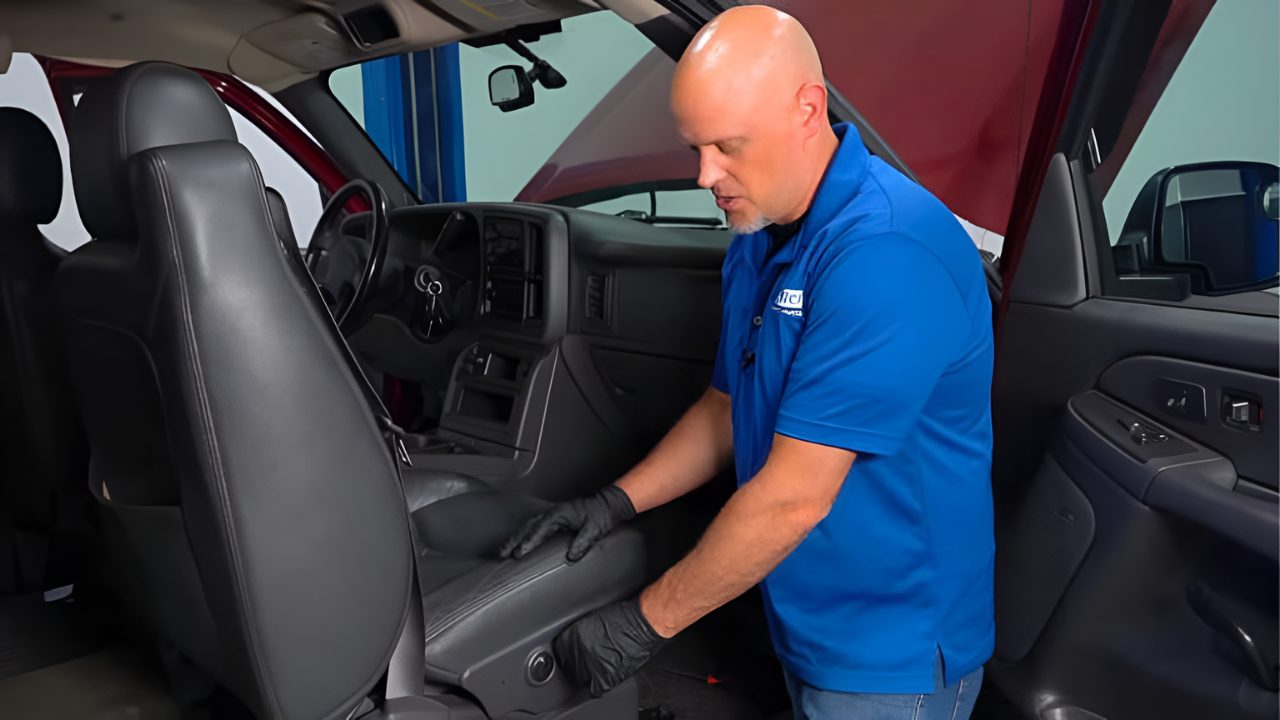
Many people hear “seat defect” and picture a squeaky cushion or a stuck track. That assumption misses the true risk. Seats are vital safety hardware. They control body movement during a crash, working with seatbelts and airbags to keep occupants in place. When a second-row seat-back component fails to lock under collision loads, the entire restraint system changes and injury risk increases.
The Insurance Institute for Highway Safety includes seat structure in crashworthiness ratings, treating seats as critical to safety rather than just another part of the interior. Toyota’s recall treats this defect with the seriousness it requires.
Why Most Owners Never Hear in Time
Many owners believe that if a recall is urgent, the manufacturer will contact them right away. The process actually takes time. After a defect is identified, NHTSA files a campaign, generates a VIN list, notifies owners, and dealers prepare remedies.
Mailers often arrive weeks or months after a recall begins. During that period, the vehicle remains in use. The real risk exists in the window between the announcement and the completed repair, and that window is wide open right now.
How to Know if Your Car Is at Risk
A headline alone offers no protection. A recall notice is just paperwork. Actual protection comes from a completed repair order at a dealer, performed free of charge under federal safety-recall law. NHTSA provides a VIN lookup tool, and Toyota maintains its own recall portal.
Both can confirm whether a specific vehicle is included, not just the model year but the individual VIN. Owners of 2021–2024 Highlander or Highlander Hybrid SUVs need to check their VIN for inclusion. About 550,000 households may be affected, but only those who confirm and schedule repairs are protected.
What the Recall System Actually Does
The recall system operates quietly in the background. NHTSA’s database identifies affected vehicles down to the specific VIN.
Toyota directs confirmed owners through its portal to dealer appointments. The free repair is a federal requirement, not a courtesy. Manufacturers cover the expense. Owners need only show up. This step often becomes the bottleneck.
The Scope of the Danger
About 550,000 vehicles are included. Even if only a fraction are used daily for family transport, this adds up to millions of passenger trips every week where a second-row seat-back defect stands between an occupant and the crash forces a seat is meant to manage.
“Seat defect” in a headline may sound minor, but NHTSA classifies this as an unreasonable risk to motor vehicle safety. What seems like a warranty nuisance is, in fact, a federally tracked recall issue. Both describe the same problem.
The True Cost of a Recall
When 550,000 vehicles enter the dealer system at once, service bays fill quickly. Owners encounter appointment backlogs, loaner shortages, and the hidden cost of time. Arranging rides, missing work, and waiting add up.
The repair is free, but the inconvenience is real. Each day an owner delays, the vehicle remains at risk. Used-car buyers who do not check the VIN can unknowingly acquire a vehicle with an open recall. Disclosure is not required in many private-party sales, so the risk simply transfers to someone else.
A Changed Standard for Safety
This recall highlights a shift in U.S. vehicle safety. VIN-based targeting and public transparency now form the backbone of the system. NHTSA’s database serves as the authoritative source, defining who is affected and what repairs are required.
The safety event is not the announcement but the closed repair order. That distinction determines which families are actually protected.
Why Delays Increase the Risk
A delayed remedy leaves owners exposed and may draw more regulatory attention. Toyota’s VIN check portal is active, and owner notification letters are scheduled for April 2026. Completion rates depend on owners taking action when those notices arrive.
Delays are common: months can pass, percentages stall, and NHTSA increases pressure on manufacturers. Owners who act early minimize their risk. Those who wait continue to travel on the same second-row seats, through the same intersections, with the defect still unresolved.
What Every Owner Should Do Next
Anyone who learns the details behind this recall understands the framework: headlines announce risk, VIN checks confirm it, and only a completed dealer repair eliminates it. This three-step process is the foundation of the safety system, and it fails if an owner relies solely on the announcement.
Both NHTSA’s lookup tool and Toyota’s recall portal are active. The check is quick, the repair is free. The seat used tomorrow is only as safe as the action taken today.
Sources:
Toyota / NHTSA – Toyota recalls 550,000 vehicles over seat-back locking defect – March 5, 2026
Fox Business – Toyota recalls 550000 vehicles over seat defect – March 10, 2026
LiveNOW from FOX (Fox O&O network, e.g., FOX 9 / FOX 5) – Toyota recalls 550000 cars over defective seat problem – March 10, 2026
NHTSA – Motor Vehicle Safety Defects and Recalls (explainer on “unreasonable risk” and safety-recall obligations) – 2016
NHTSA – Risk-Based Processes for Safety Defect Analysis and Management of Recalls (regulatory tools and enforcement, including monitoring completion and recall investigations) – 2018
CNBC – Toyota recalls 550,000 vehicles in U.S. over seat defect, NHTSA says – March 11, 2026