Toyota Hit With 550K-Vehicle Recall After Feds Flag Seat-Backs May Fail On Impact
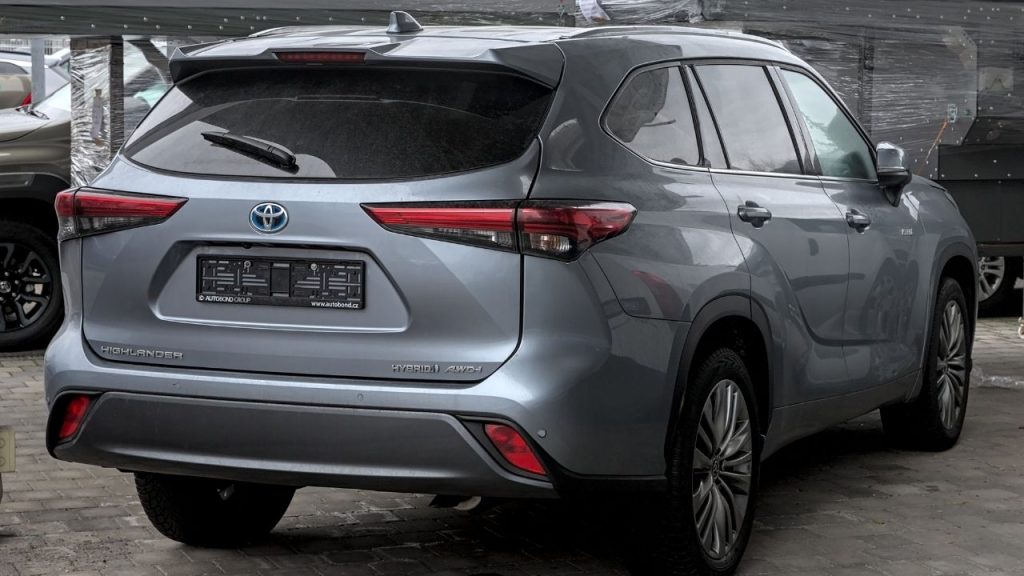
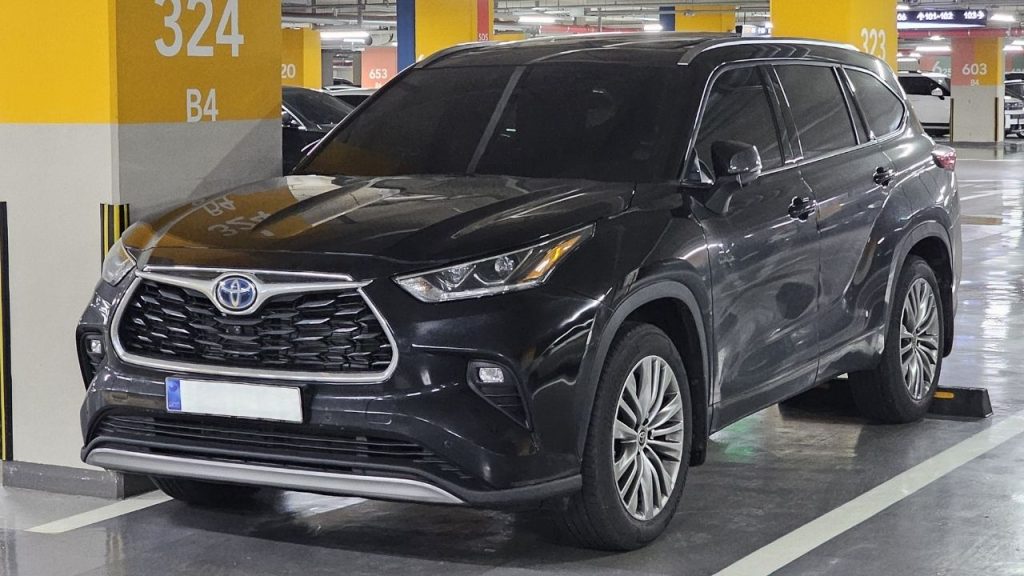
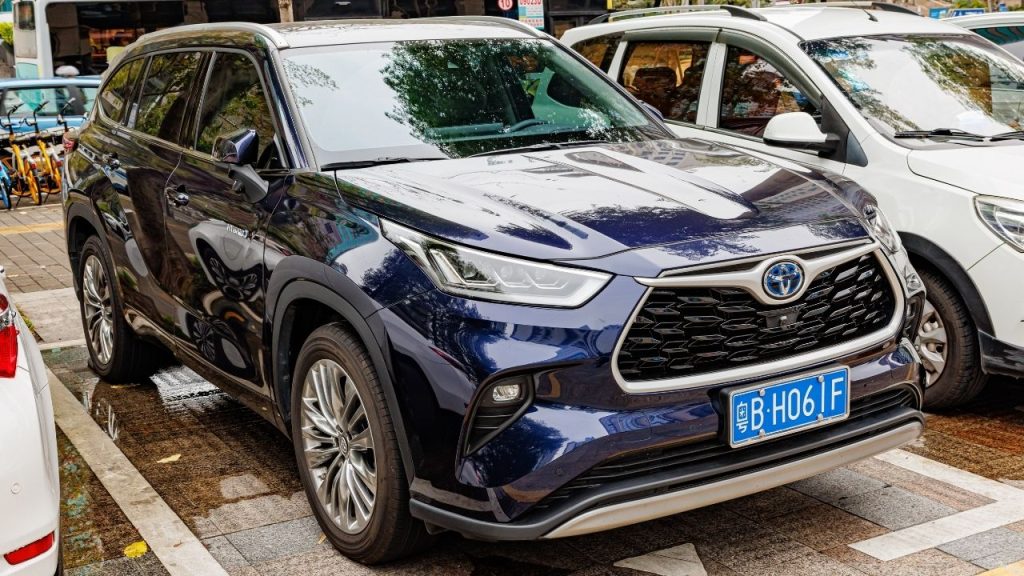
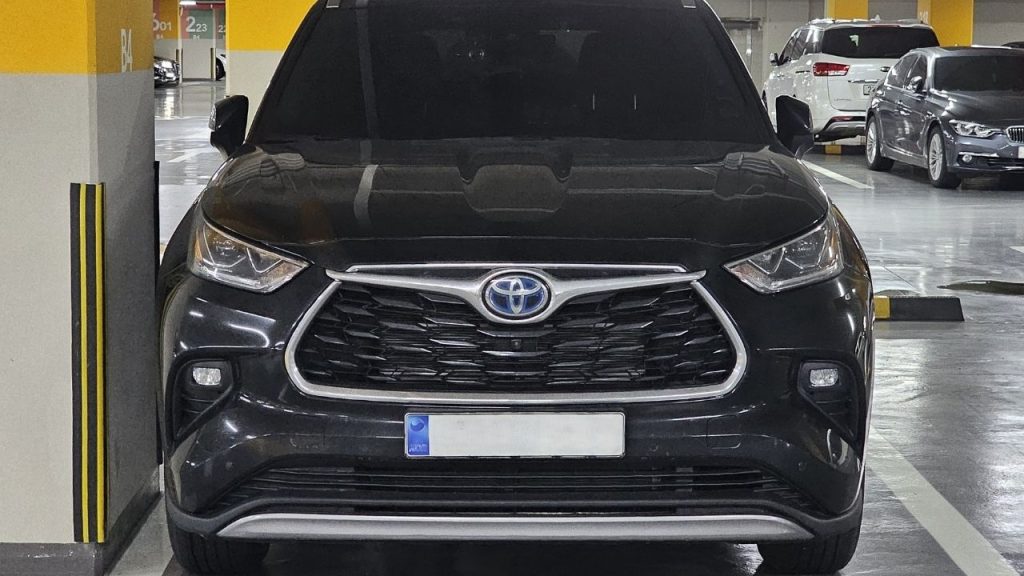
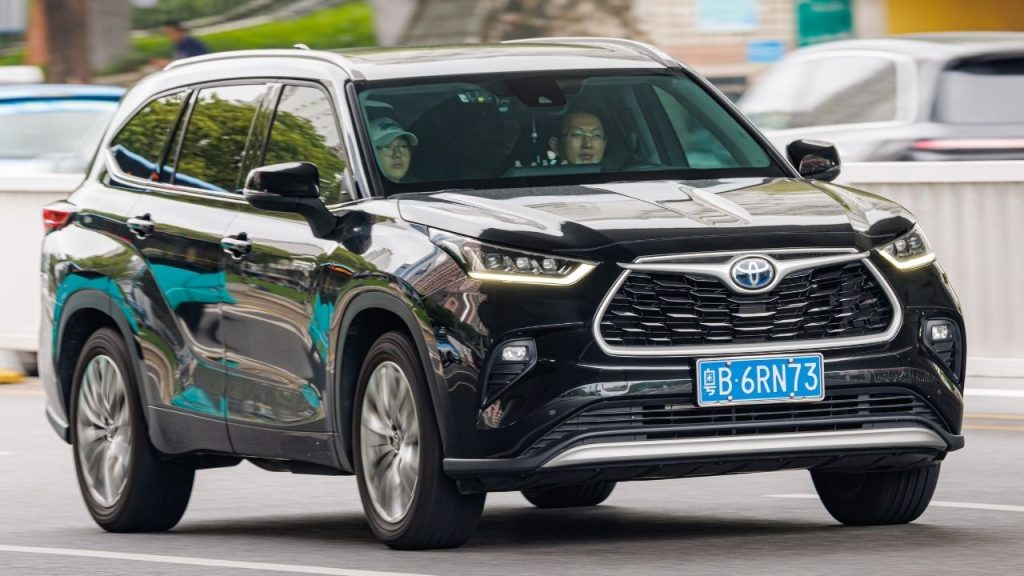
Half a million Toyota owners woke up to a safety notice about the last part of their vehicle they’d ever worry about. Not the engine. Not the brakes. Not the electronics. The seat-back. That padded thing you lean against in traffic, adjust for comfort, and never think about again. Toyota filed a voluntary recall with NHTSA covering a defect in that component across 550,000 vehicles — specifically, the second-row seat backs in 2021–2024 Highlander and Highlander Hybrid models. The part designed for comfort could become a failure point where it matters most.
What’s Actually at Stake in a Crash
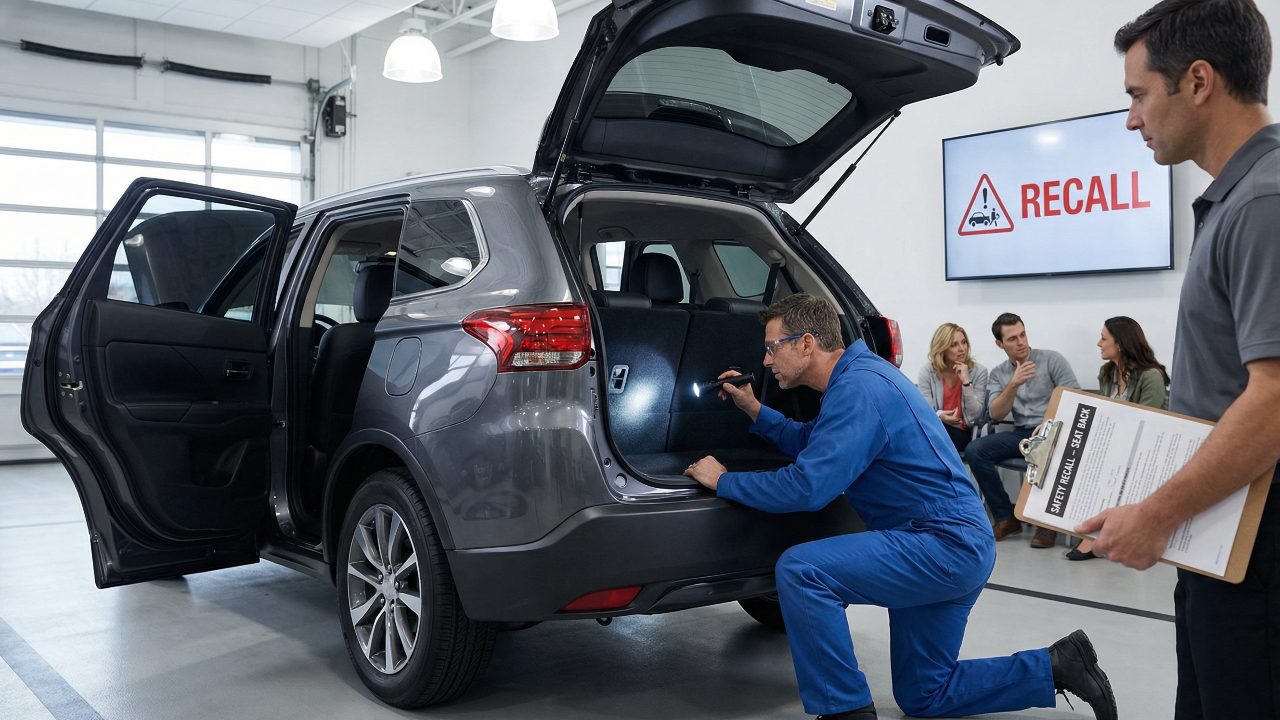
Every seat in a vehicle serves two jobs. During your commute, it’s furniture. During a collision, it’s part of the protection system holding your body in place. That second job is the one nobody considers until it fails. Toyota’s recall targets a second-row seat-back locking defect: if the recliner assembly fails to lock after adjustment, the seat back carries no structural resistance against collision forces. In a higher-speed crash, that unlocked seat back can buckle forward under impact rather than holding the occupant in place — the mechanical consequence of recliner teeth that never fully engaged. The part designed for comfort becomes an active safety risk. Approximately 550,000 households now need to confirm whether their vehicle carries this defect. The recall covers U.S. vehicles, and the remedy costs owners nothing.
Why Waiting for the Dealer to Call Is a Mistake
Most people assume the same thing: if something is seriously wrong with their car, the dealer will call. That assumption is comfortable. It’s also wrong. NHTSA publishes recall entries in a searchable federal database. Toyota maintains its own VIN lookup tool. The infrastructure exists for owners to verify recall status themselves, right now, without waiting for a letter or a phone call. The system already logged this 550,000-vehicle recall. Whether owners check it is another story entirely.
How the Federal Recall System Actually Works
The recall itself is the headline. The real story sits underneath it. NHTSA doesn’t just announce recalls. It operates a three-part machine: a regulator database that logs every recall by VIN, a document repository holding the paper trail, and a process requiring manufacturers to notify owners and provide a free fix. Toyota executes the repair. NHTSA holds the receipts. That pipeline means this recall became a searchable, verifiable federal entry the moment it posted. Waiting for a dealer notification is volunteering to be last in line.
The Verification Layer Most Owners Never Use
Think of it this way: the recall announcement is the surface. Beneath it runs a verification layer most owners never touch. NHTSA’s database lets anyone punch in a VIN and see every open recall tied to that vehicle. Toyota’s portal does the same from the manufacturer side — two independent systems, both free, both live. The defect matters because seat-backs are safety-critical during a crash. The system matters because it puts confirmation in the owner’s hands instead of the dealer’s calendar.
Understanding the Scale of This Problem
Five hundred fifty thousand vehicles. That number represents roughly 550,000 households with a potential safety defect sitting in their driveway or garage. The recall is framed around a seat-back issue, not an engine or electronics failure. That distinction matters because most owners mentally rank seat components below drivetrain and braking systems on the worry list. NHTSA’s classification says otherwise. A defect that could change crash protection assumptions gets the same federal treatment as a faulty brake line. Same database. Same free remedy.
The Hidden Costs Beyond the Free Fix
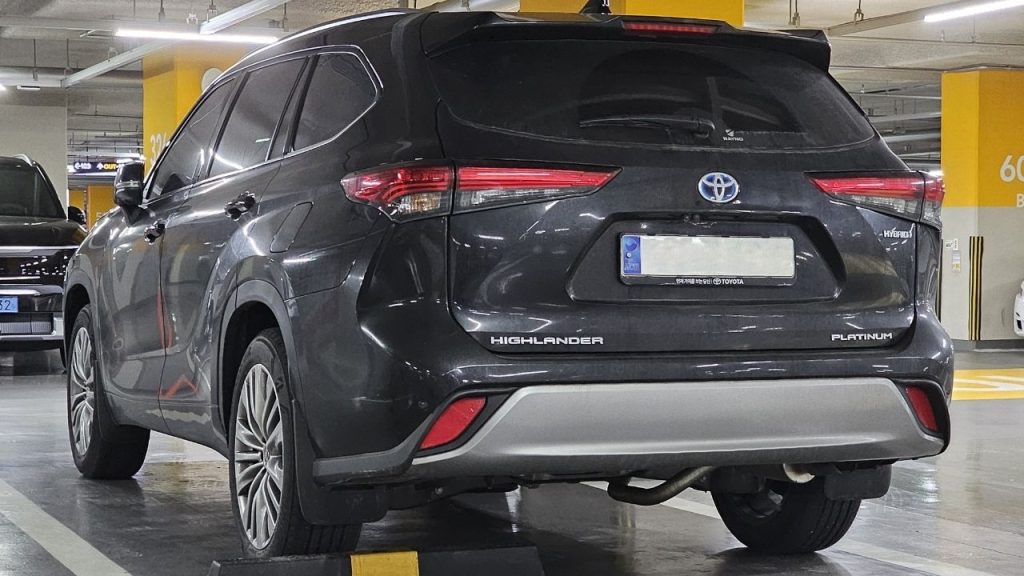
The fix is free. The friction is not. Owners still need to check their VIN, schedule service, arrange transportation, and absorb the time cost of a dealer visit. Multiply that across hundreds of thousands of vehicles and the service network absorbs a serious workload. There’s a secondary cost nobody talks about: private sellers sitting on vehicles with open recalls. VIN-level lookup means any buyer can surface unresolved defects instantly. That changes negotiating leverage before a single word is spoken at the curb.
This Is the System Working as Designed
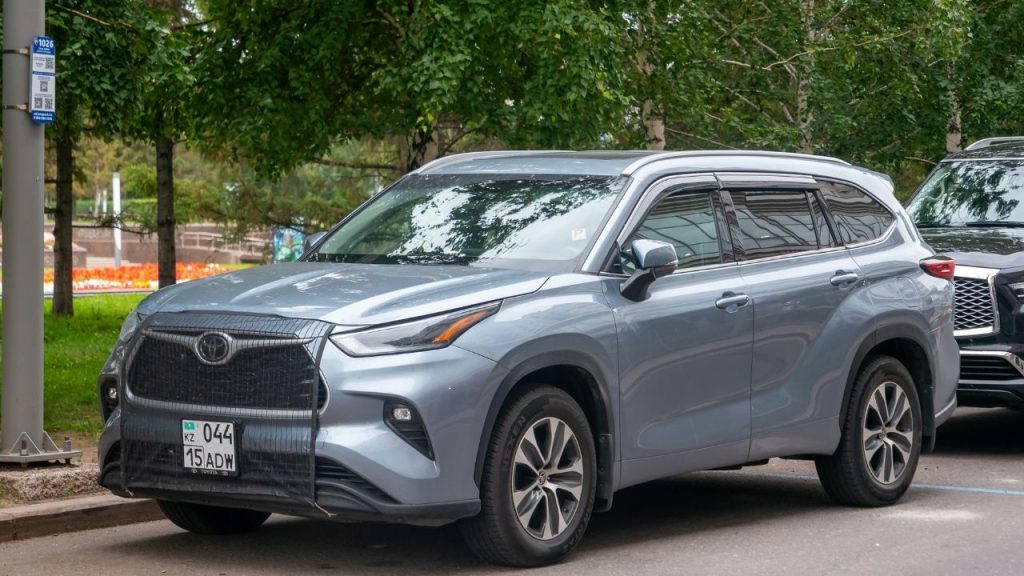
This recall is not an exception. It is the system working exactly as designed. NHTSA maintains a standing public database, not one-off announcements. Every recall becomes a permanent, searchable entry tied to specific VINs. Once you see that structure, the whole concept of “recall news” shifts. A recall is less a breaking story and more a live federal record you can query on demand. The precedent reinforces NHTSA’s database as the consumer’s verification layer, not the manufacturer’s press release.
The Gap Between Issued and Completed
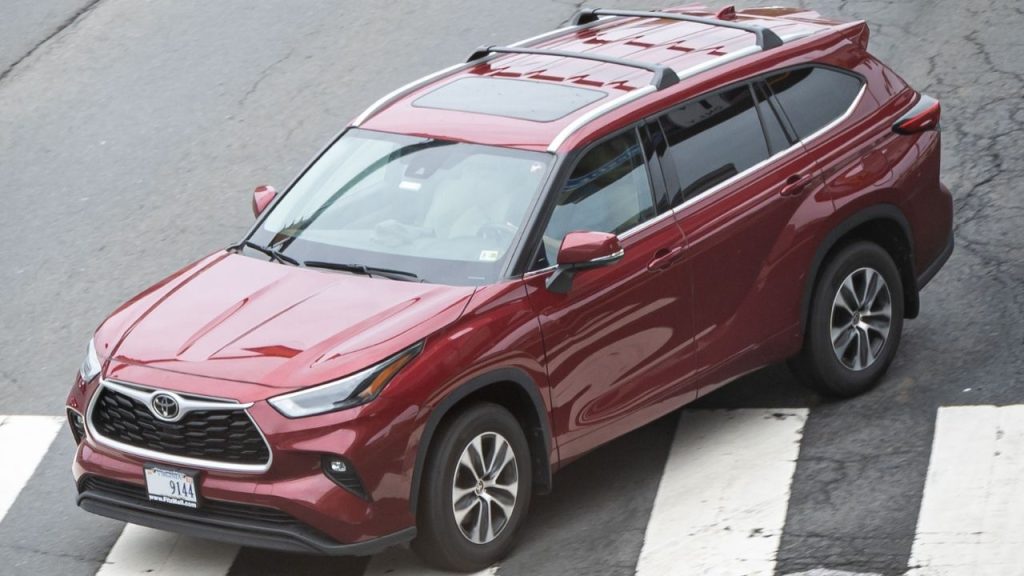
The escalation path is straightforward and uncomfortable. Every owner who doesn’t check their VIN and schedule service leaves a vehicle with an unresolved seat-back defect in daily operation. That vehicle carries passengers. It sits in school pickup lines. It merges onto highways. The defect doesn’t expire because the owner didn’t open a letter. NHTSA’s process requires notification and a free remedy, but it cannot force an owner to act. The gap between “recall issued” and “recall completed” is where risk lives.
What You Can Do Right Now
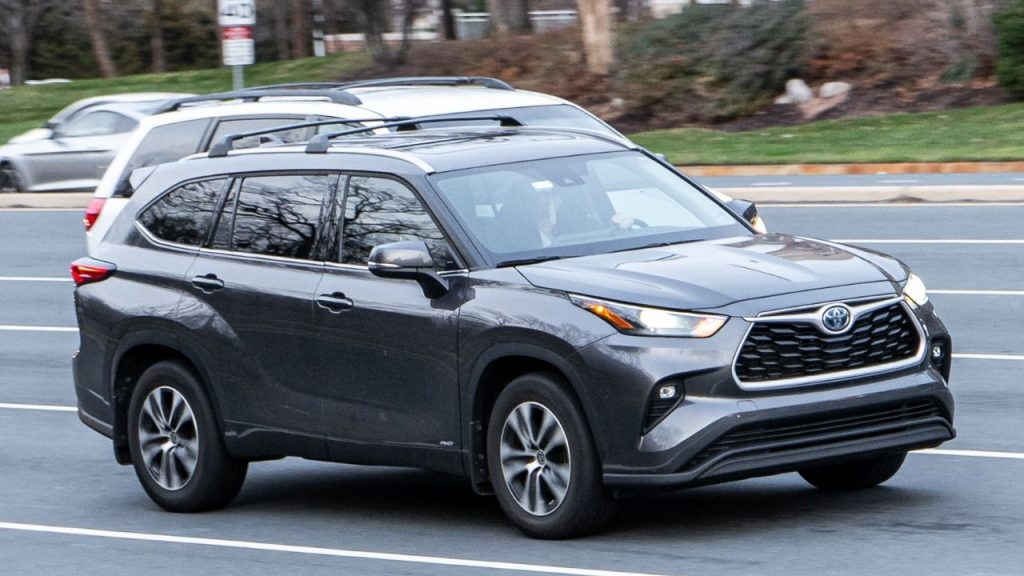
Toyota directs owners to its recall portal for confirmation and next steps. NHTSA’s database covers the same. Two tools, both free, both live right now. The person who runs their VIN today knows something most of their neighbors don’t: whether the seat holding their family is built to do its job in a crash. That’s the status upgrade a recall hands you, but only if you stop assuming someone else will check first.
Sources:
“Part 573 Safety Recall Report 26V128.” National Highway Traffic Safety Administration, 5 Mar 2026.
“Toyota Recalls Certain MY2021-2024 Toyota Highlander Vehicles.” Toyota USA Newsroom, 5 Mar 2026.
“Toyota recalls 550,000 vehicles in U.S. over seat defect, NHTSA says.” CNBC, 11 Mar 2026.
“Toyota recalls 550,000 vehicles over seat defect.” Fox Business, 10 Mar 2026.