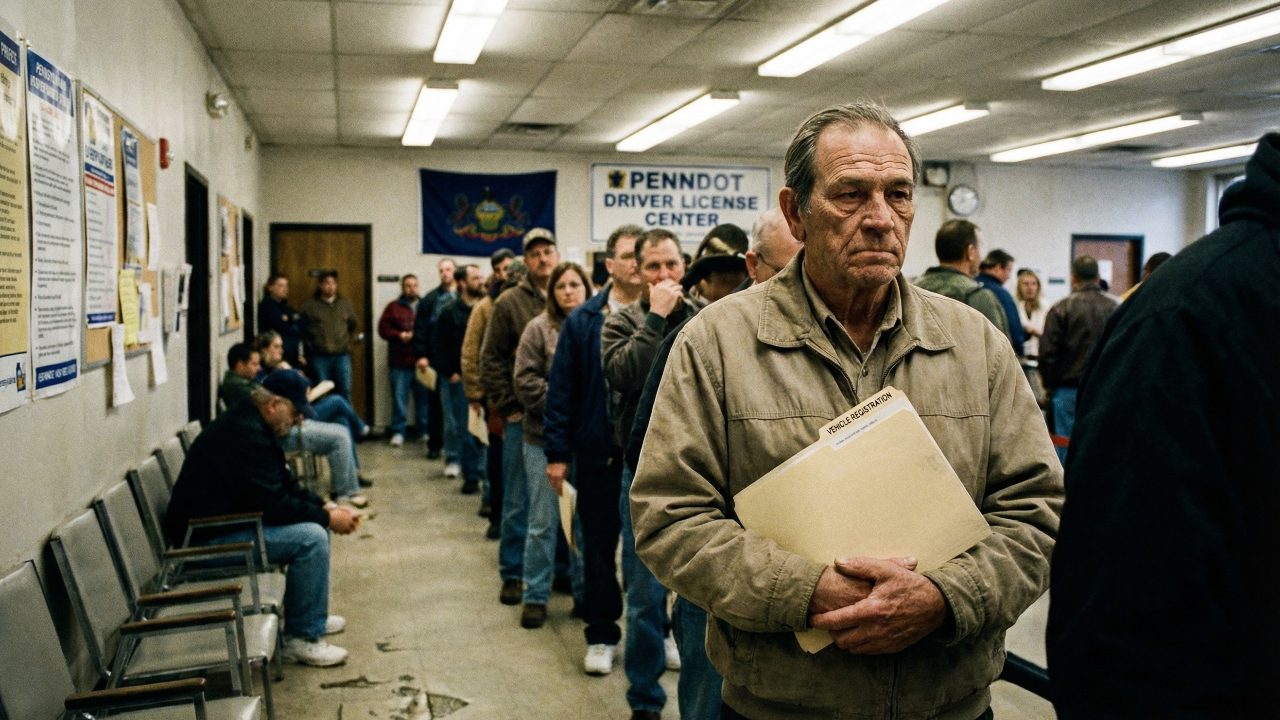
Pennsylvania Rejects More Than 3,000 Vanity Plates In 2025—See The Full List
In 2025, Pennsylvania drivers submitted thousands of personalized license plate requests, hoping for unique messages on their vehicles. PennDOT, the state’s Department of Transportation, reviewed each submission from its Harrisburg office along the Susquehanna River. By year-end, more than 3,000 plates were rejected for vulgar language, sexual innuendos, and misleading references. Applicants paid between $82 and $200 per submission, yet were denied. The surge reflects growing creativity and state enforcement. The full list of banned configurations, now public, reveals the surprising trends behind Pennsylvania’s most controversial vanity plate rejections.
Rules That Shape What’s Allowed
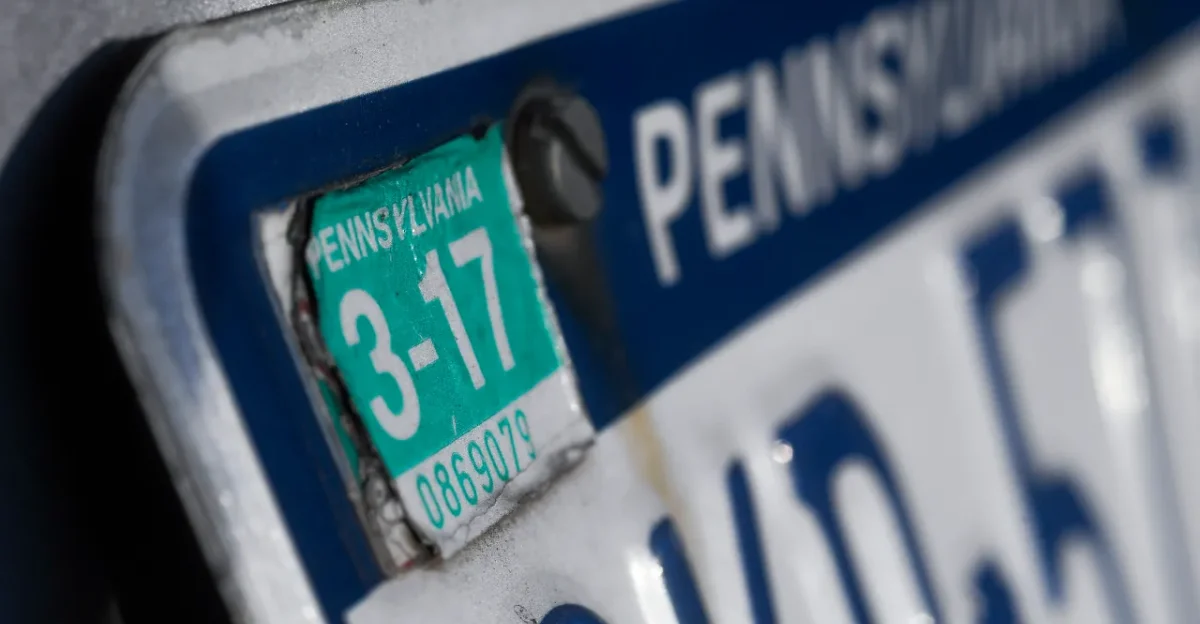
PennDOT maintains strict content rules for personalized plates. Profane or lewd language, sexual innuendos, references to excretory functions or illegal activity, and plates potentially misleading law enforcement are all banned. Additional categories include racial, ethnic, or religious slurs, political phrases, or anything suggesting government affiliation. A small, dedicated team screens each application using acronym dictionaries, slang references, foreign-language translations, and upside-down or reversed reading methods. This ensures enforcement is consistent and not arbitrary. How did these rules lead to the denial of pop culture favorites and political plates?
Pop Culture Plates Hit The List
Several pop culture and social media-inspired plates were rejected in 2025. Examples include HAWK TUA, ONLYFAN, MF DOOM, GYATTT, and LFGENZ. Creative circumventions such as D1PSH1T, B4D4SS, SH1TBOX, SMARTAZ, and M1LF-M4N were also denied. PennDOT staff identified these configurations as potentially vulgar, offensive, or misleading. The high number of denials shows the lengths drivers will go to personalize their cars, and the lengths regulators must go to screen applications. Some rejections sparked social media chatter, revealing cultural trends that test state standards. Could Pennsylvania’s list grow even longer next year?
Political Plates Face Tight Scrutiny
Political-themed plates were a major category of rejections. PennDOT denied EF ELON, FK TRUMP, FJB46, FU BIDEN, POTUS 47, and STALIN. Plates that might incite confusion or misrepresent government affiliation were especially scrutinized. The state treats all vanity plates as public signage, not private expression, meaning enforcement is legally grounded. Applicants must reapply with compliant alternatives. This intersection of politics and licensing highlights the regulatory challenge. PennDOT’s decisions demonstrate the tension between personal expression and public oversight, leaving drivers to rethink what fits within state-issued boundaries.
Law Enforcement Impersonation Is Prohibited
Requests suggesting affiliation with government or law enforcement were rejected. Denied examples include PENNDOT and US MAIL. The state emphasizes that plates must not mislead the public or authorities. This protects safety and maintains the integrity of vehicle identification. Applicants are notified by letter, with explanations for the denial and guidance on resubmission. The process involves thorough review, often referencing dictionaries and reverse reading to catch hidden or disguised meanings. Each denial enforces the legal principle that state-issued signage remains regulated, not free-form personal messaging.
Rising Numbers Reflect A Trend
PennDOT’s Do Not Issue list has grown dramatically. In 2023, the state had around 2,000 banned plates. By mid-2025, it exceeded 4,500 entries, a 125% increase. The 2025-specific disclosure listed over 3,000 rejections, illustrating both growing driver creativity and rigorous review. Comparatively, Illinois rejected just 550 out of 55,690 applications in 2025, showing Pennsylvania’s unusually high volume. Cultural trends and legislative proposals, like requiring two plates, fueled bold expressions. This year-over-year growth underscores how creative applications challenge regulators and expand the scope of banned configurations. What other trends might emerge next?
How PennDOT Reviews Applications
PennDOT uses a formal review process. Drivers submit Form MV-904 and pay $82–$200. A dedicated team screens each request using acronym dictionaries, slang references, foreign-language checks, and upside-down or reverse readings. If unclear, applicants may receive a call for clarification. Denied plates come with an explanation, and drivers must select a new configuration. The system ensures fairness while enforcing state standards. The 3,000+ denials in 2025 reflect both human creativity and procedural diligence, highlighting the scale of the agency’s task in balancing expression and regulation.
Financial Impact On Consumers
Rejected applicants collectively spent tens of thousands of dollars on plates that were denied. Fees ranged from $82 to $200 per submission, meaning 3,000+ denials represent $246,000–$600,000 in payments. Some applicants must resubmit, effectively doubling the transaction volume for the state. PennDOT does not issue refunds for denied configurations, requiring drivers to choose new plates. The financial stakes add practical consequences to creative expression, emphasizing that state oversight has both regulatory and economic effects. The mix of humor, creativity, and compliance creates a complex landscape for Pennsylvania drivers.
Public Transparency Revealed
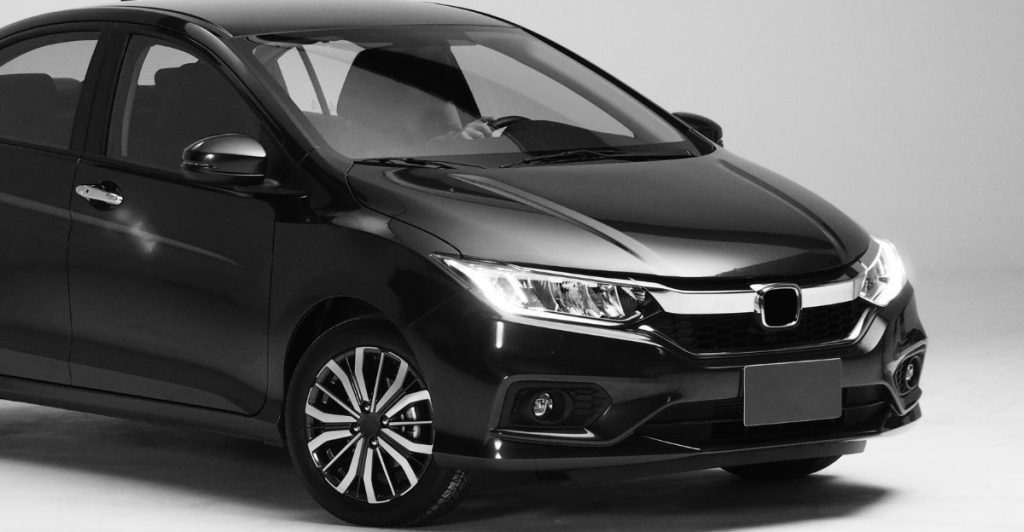
PennDOT voluntarily published the 2025 rejection list with CBS 21, promoting government transparency. The “full list” shows exactly which configurations the state would not allow, from vulgar phrases to political and social references. Sharing this data provides insight into regulatory processes, cultural trends, and the state’s enforcement scope. Observers can track patterns, from creative circumventions to social commentary, highlighting the evolving dynamic between residents and regulators. By making this dataset public, Pennsylvania illustrates how government agencies can enforce rules at scale while maintaining accountability.
What The Rejections Teach Drivers
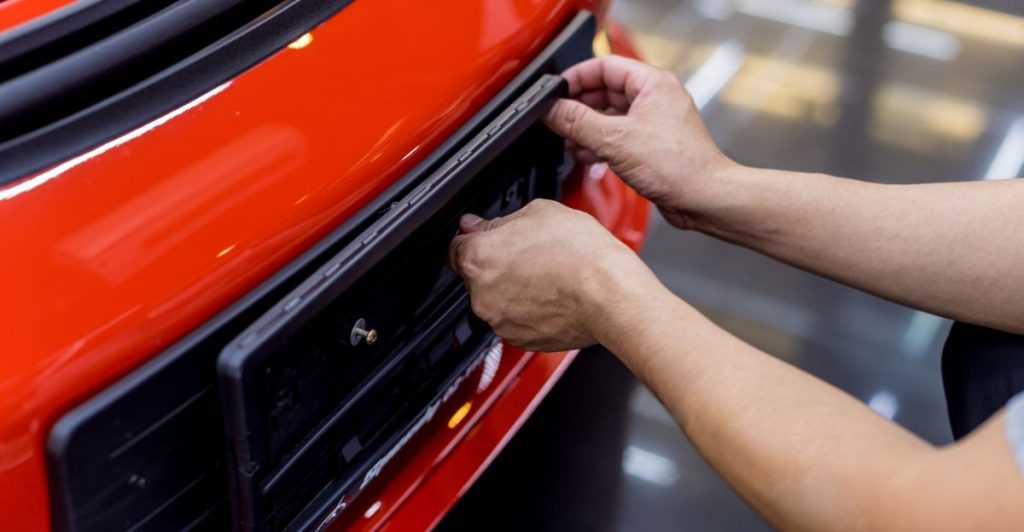
Pennsylvania’s 3,000+ vanity plate rejections illustrate that plates are public signage, not private speech. Creativity is welcomed, but state rules define boundaries. Drivers must consider language, cultural references, legality, and clarity when requesting personalized configurations. The screening process, fees, and resubmission requirements encourage thoughtful choices. Over time, the growing list shows how expression evolves alongside regulatory vigilance. For drivers, the lesson is clear: bold or humorous ideas may be denied, but understanding the system helps navigate the rules. The 2025 list may inspire next year’s submissions with caution and ingenuity.
Sources:
FULL LIST — PennDOT rejects thousands of personalized license plates in 2025. Local 21 News (WHP-TV/CBS 21), March 8, 2026
PennDOT’s List Of Rejected Vanity License Plates Keeps Growing. Patch, March 4, 2026
Pennsylvania’s latest banned license plate list is a riot. Axios Philadelphia, July 25, 2025
See Pennsylvania’s Banned Vanity License Plates. New Hope Free Press, December 3, 2025