Ford’s ‘Hands-Free’ BlueCruise Faces Federal Probe After 2 Fatal Crashes
Ford promised its drivers they could take their hands off the wheel. What it couldn’t promise was that they’d keep their eyes on the road. Two nighttime crashes, both involving Mustang Mach-Es running BlueCruise, both into stationary vehicles at highway speed, killed three people in the span of a single week in early 2024.
Now two federal agencies are closing in, and a public hearing on March 31 will put the blame on the record.
Two Nights, Two Interstates
On February 24, 2024, a 2022 Mach-E was traveling eastbound on Interstate 10 in San Antonio when it struck a stationary 1999 Honda CR-V whose hazard lights were not illuminated. The Honda’s 56-year-old driver was killed on impact. About a week later, the pattern repeated on I-95 in Philadelphia.
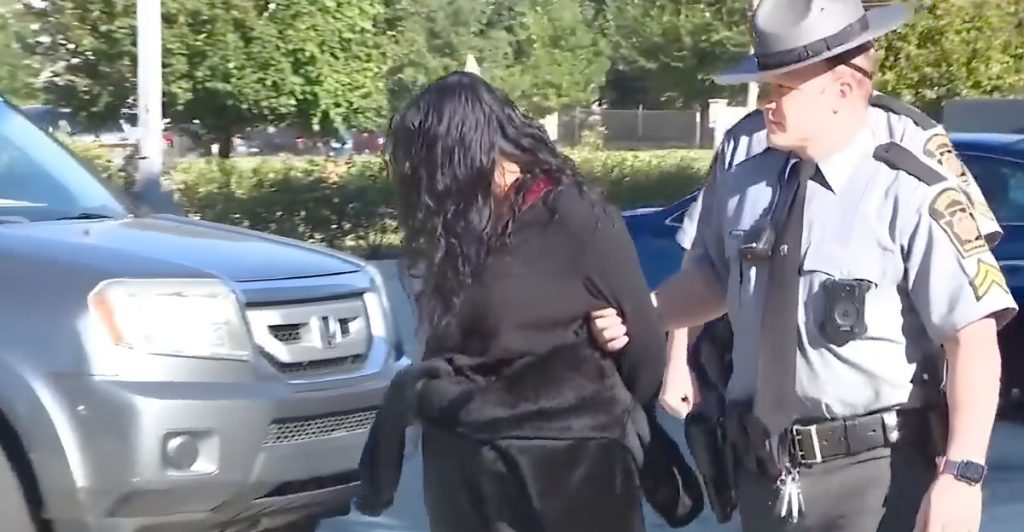
At around 3:15 a.m., Dimple Patel, a 23-year-old woman, was behind the wheel of another Mach-E, moving at 72 mph through a 45-mph construction zone with BlueCruise engaged. Her vehicle struck a stopped Hyundai Elantra, which chain-reacted into a Toyota Prius. Both of those drivers — one of whom was standing outside his car — died at the scene.
The Drivers Were There, Yet They Weren’t
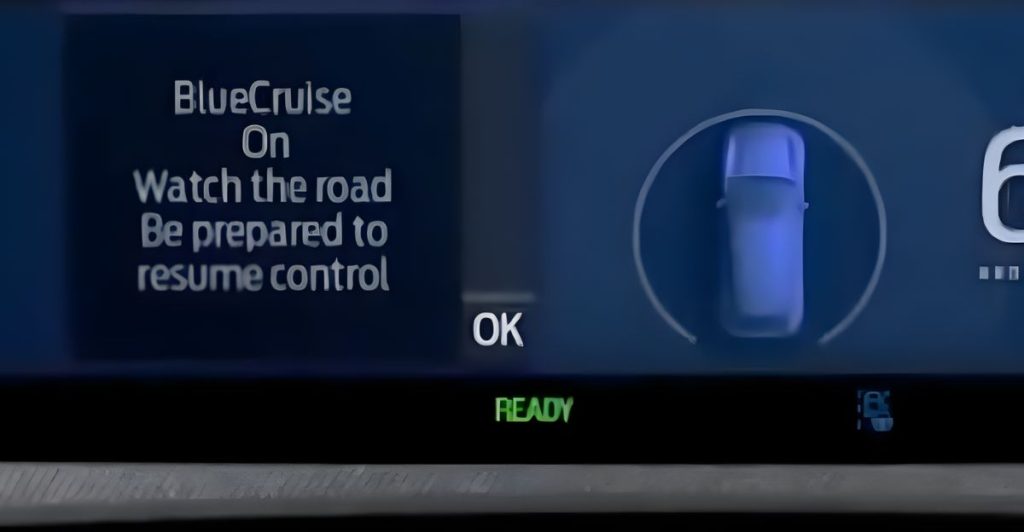
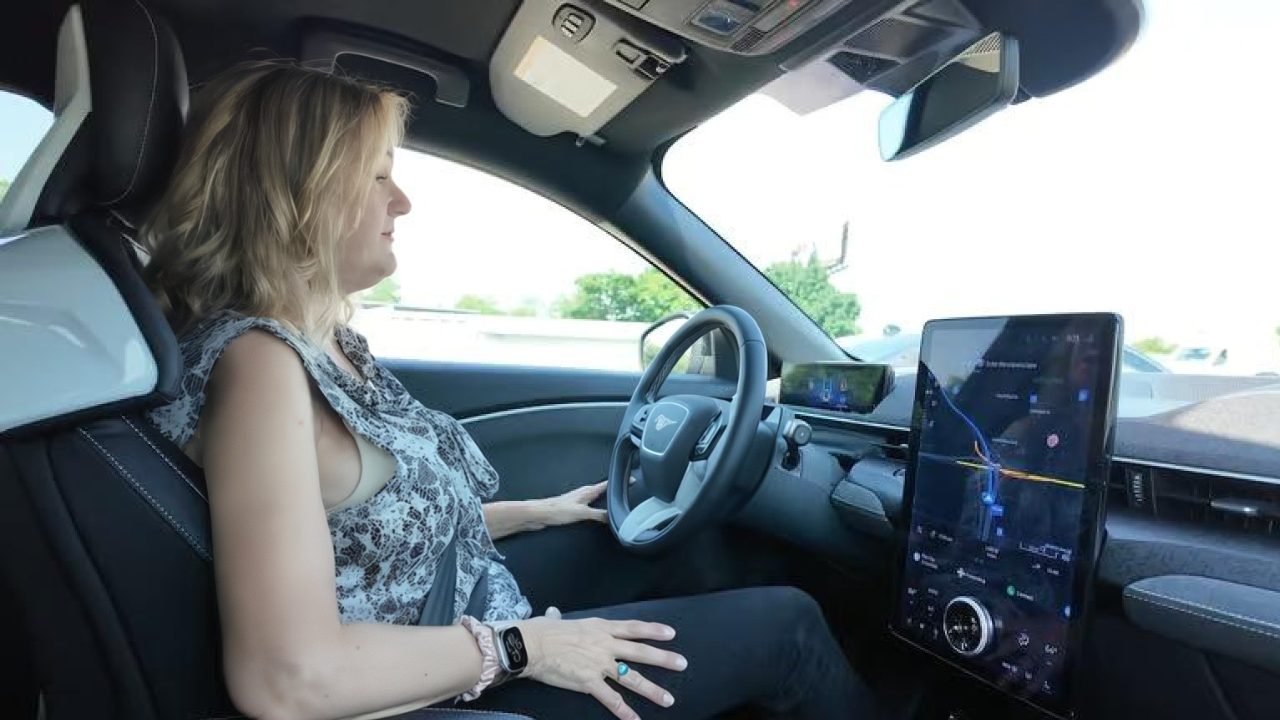
In the San Antonio crash, Ford’s camera-based driver-monitoring system captured the 44-year-old Mach-E driver staring at the vehicle’s 15.5-inch infotainment screen during the final five seconds before impact, likely pulling up directions to a charging station. The system issued two audible alerts to watch the road. He never looked up.
In Philadelphia, Patel was intoxicated and was later charged with vehicular homicide. But what the monitoring camera couldn’t see is what makes this story worse than a straightforward DUI crash.
The Blind Spot
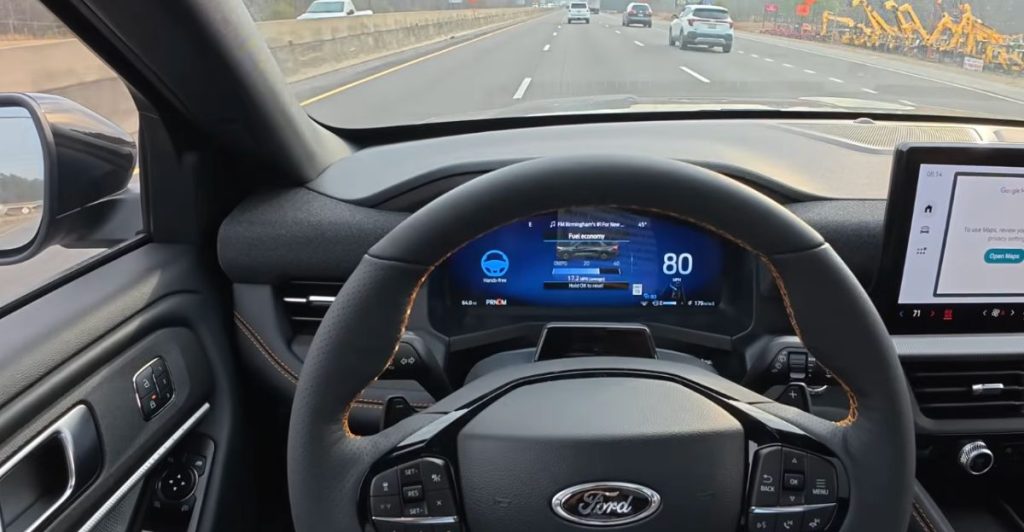
Ford’s system registered Patel’s eyes as “on-road” for the entire five seconds before she killed two people. According to every metric the car was tracking, she was paying attention. But an NTSB photograph captured roughly two seconds before impact appears to show her holding a phone above the steering wheel — positioned just high enough to fall outside the camera’s detection zone.
The safeguard designed to hold a distracted driver accountable was beaten by a phone held at the wrong angle. Ford has not publicly addressed whether it was aware of this vulnerability.
Nobody Hit the Brakes. Not Even the Car
In both crashes, no vehicle subsystem intervened — not BlueCruise, not forward-collision warning, not automatic emergency braking. Ford engineers told the NTSB they “would not expect the current generation of AEB systems to detect and classify a collision target with enough confidence for the AEB system to respond” under those conditions.
NHTSA’s own investigation confirmed the underlying reason: Ford designed its adaptive cruise control to ignore stationary objects entirely when the vehicle is traveling at or above 62 mph, a deliberate trade-off to avoid false detections at long range. Both Mach-Es were doing over 70.
Level 2 Means You’re Still Driving
“Hands-free” does heavy lifting as a marketing term. Under SAE International standards, BlueCruise is classified as Level 2, Partial Driving Automation, which means the human driver remains legally and technically responsible for the driving task at all times. Ford’s own documentation describes BlueCruise as a “convenience feature” and “not a self-driving system.”
But when you take your hands off the wheel at 74 mph, and the car holds its lane without complaint, the word “responsible” starts to lose its meaning fast.
This Isn’t Just a Ford Problem
The Insurance Institute for Highway Safety found that drivers using partial automation from multiple automakers are significantly more likely to check their phones, eat, or zone out than those driving unassisted.
Some Tesla Autopilot users learned to game attention-reminder timing, nudging the wheel just often enough to reset alerts, then going right back to their screens. “If you train them to think that paying attention means nudging the steering wheel every few seconds, then that’s exactly what they’ll do,” IIHS President David Harkey said.
Two Agencies Closing In
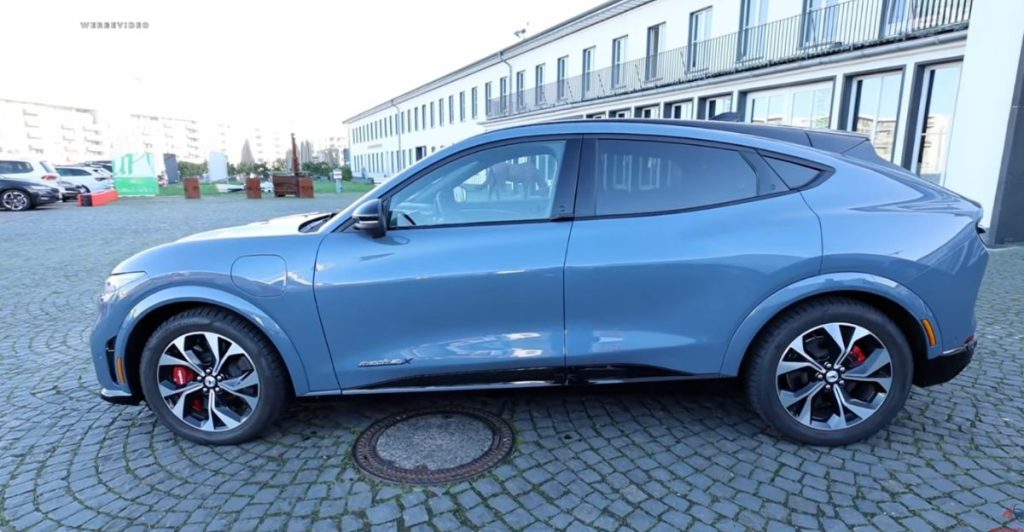
NHTSA — the agency with enforcement power — escalated its investigation to an engineering analysis in January 2025, the final step before a potential recall. That probe covers 129,222 BlueCruise-equipped Mustang Mach-Es from model years 2021 through 2024.
The NTSB, which investigates crashes and issues recommendations but cannot regulate or mandate recalls, has scheduled a public probable-cause hearing for March 31. Whatever goes on the record that day will shape how hard NHTSA pushes next, and how exposed Ford becomes in courtrooms nationwide.
Ford Says It Played by the Rules
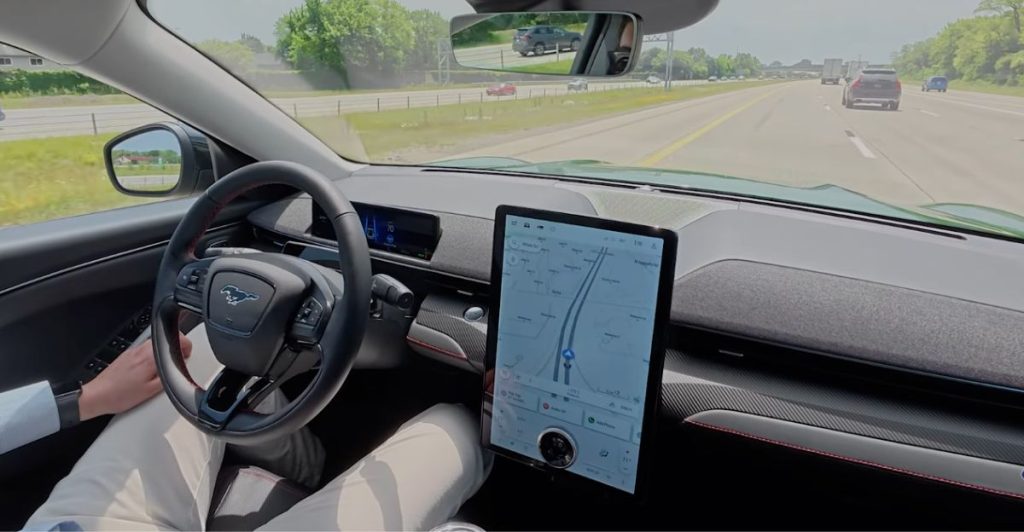
Ford has maintained that BlueCruise was developed in accordance with industry standards for partial autonomy and that the company made deliberate choices in product development and marketing, according to Reuters. That’s a legal posture built for depositions.
Meanwhile, Ford reported that drivers logged 264 million BlueCruise miles in 2025 alone — an 88% increase over the prior year — framing the system as broadly safe through the sheer volume of uneventful use.
March 31 Puts a Name on It
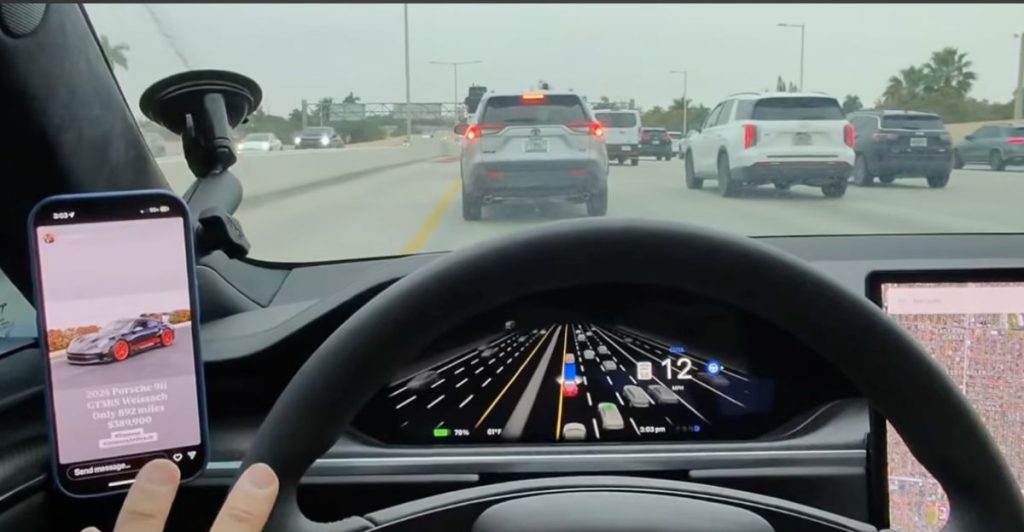
On that day, NTSB board members will vote on probable cause, publicly review the evidence, and issue safety recommendations. The record will include camera-captured images of distracted drivers, engineering admissions about system limitations, and a monitoring camera that couldn’t tell the difference between a drunk woman on her phone and an attentive driver.
Ford built a system that made disengagement easy, marketed it as freedom, and relied on fine print to define the boundaries. On March 31, the NTSB will decide where the blame lands.
Sources:
NTSB Press Release: “Fatal Crashes Involving Ford’s Hands-Free BlueCruise” — NTSB, March 11, 2026
NTSB Investigation Page: HWY24FH006 (San Antonio crash) — NTSB
NTSB Investigation Page: HWY24FH008 (Philadelphia crash) — NTSB
“Drivers in fatal Ford BlueCruise crashes were likely distracted before impact” — TechCrunch, March 11, 2026
“US safety board to hold hearing on two fatal Ford crashes” — Reuters, March 11, 2026
“NHTSA opens engineering analysis on Ford BlueCruise, lane assist” — Repairer Driven News, January 22, 2025