Mercedes-Benz Lot Seen ‘Completely Full’ As Payment Shock Slams Car Shoppers
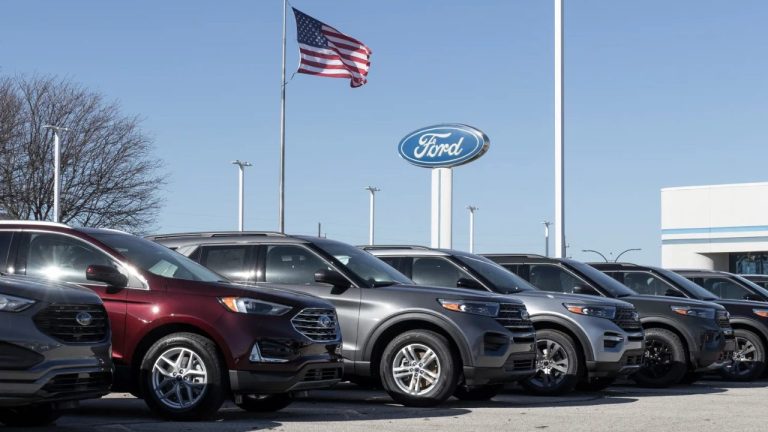
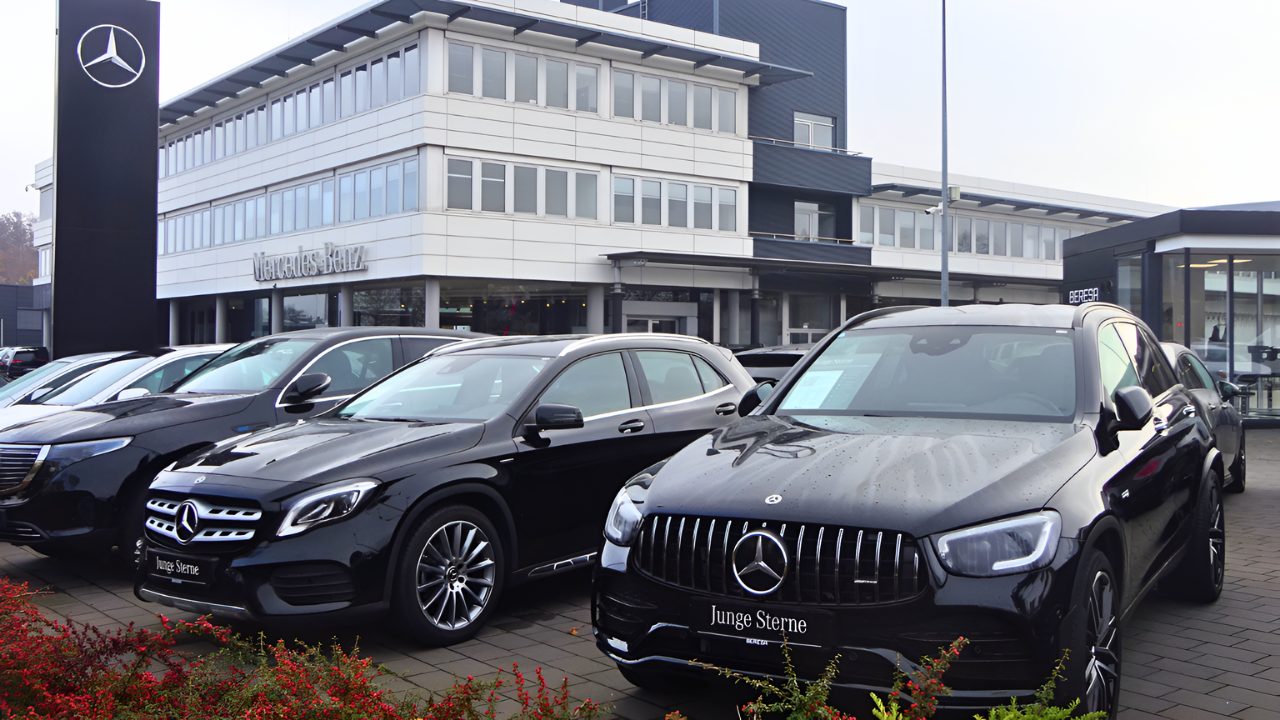
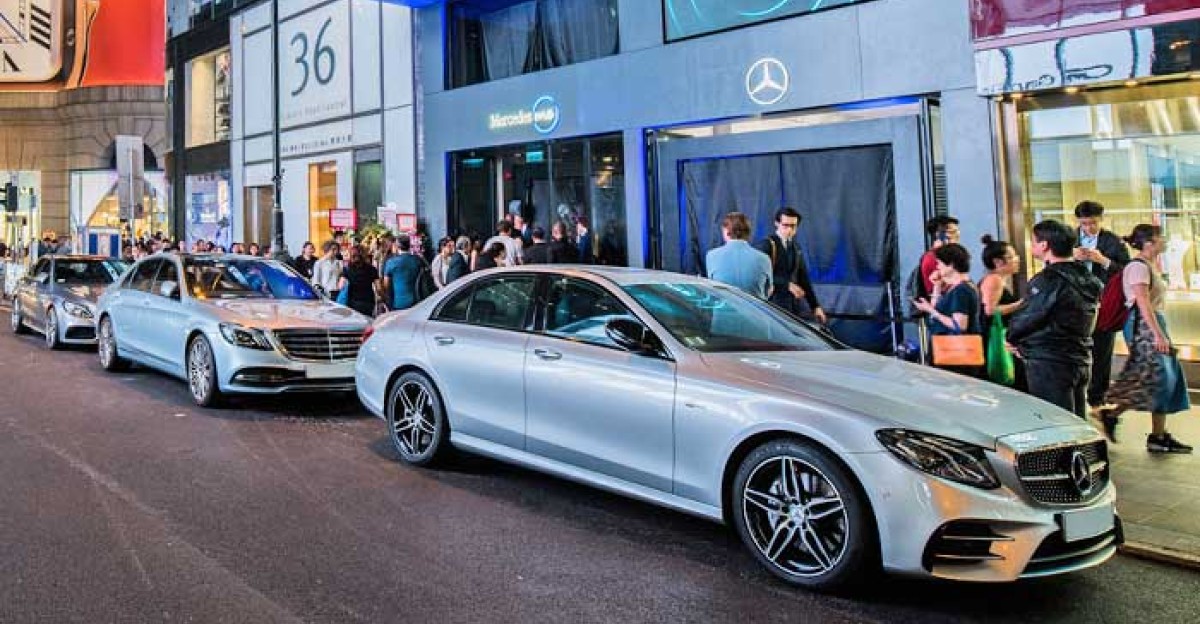
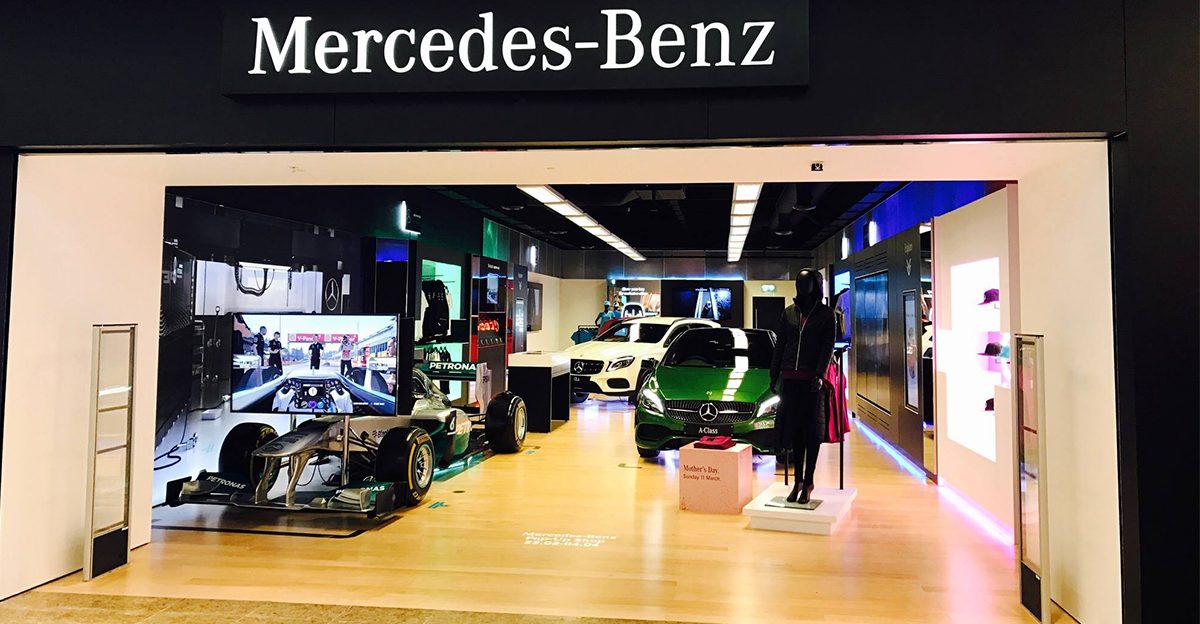
Rows of gleaming Mercedes sedans and SUVs, bumper to bumper, stretching across every visible inch of asphalt. A recent video showed a Mercedes-Benz dealership lot, every parking spot filled. Two years ago, shoppers waited for allocation slots on vehicles that hadn’t left the factory.
Now, every model sits ready. The demand vanished. The silence between supply and demand reveals a story the sticker price cannot.
From Scarcity to Surplus
During the pandemic car market, dealers charged thousands over MSRP because inventory barely existed. Shoppers waited months for a base-model SUV. Scarcity trained buyers to believe that when cars are available, the economy is strong.
Cox Automotive tracks U.S. inventory and pricing. Their data shows a new reality. Supply normalized. Buyers from the shortage era are gone. The lot is full because the math changed. Business is not booming.
The Full Lot Illusion
Many people assume availability means affordability. If cars are on the lot, they should sell. S&P Global Mobility publishes automotive research tracking the tension between supply recovery and sales velocity. A full lot can be a warning light.
When inventory rises but qualified buyers shrink, those packed rows become carrying costs instead of revenue. The “shortage economy” story is breaking down. Underneath, the reality looks far from prosperity.
Price Tag as Gatekeeper
Federal Reserve credit data shows how auto retail depends on borrowed money, and borrowing costs remain high. Higher rates mean fewer qualified buyers. Fewer buyers stretch out days-to-sell, which ages inventory on the lot.
A Mercedes dealership stays packed. The buyer pool shrinks. Monthly payments rise beyond what many can budget. The cars remain, but customers are gone. Inventory reflects the problem. The monthly payment drives it.
Financing Takes Center Stage
Picture a restaurant with every table set, candles lit, kitchen fully staffed, and an empty dining room after menu prices doubled overnight. That is the auto market now. The BLS Consumer Price Index tracks inflation eroding purchasing power on big-ticket items, and vehicles sit at the center of that trend.
Interest rates now shape demand more than brand loyalty. Shoppers may want the car, but the loan application decides who drives away.
Shoppers Face the Crunch
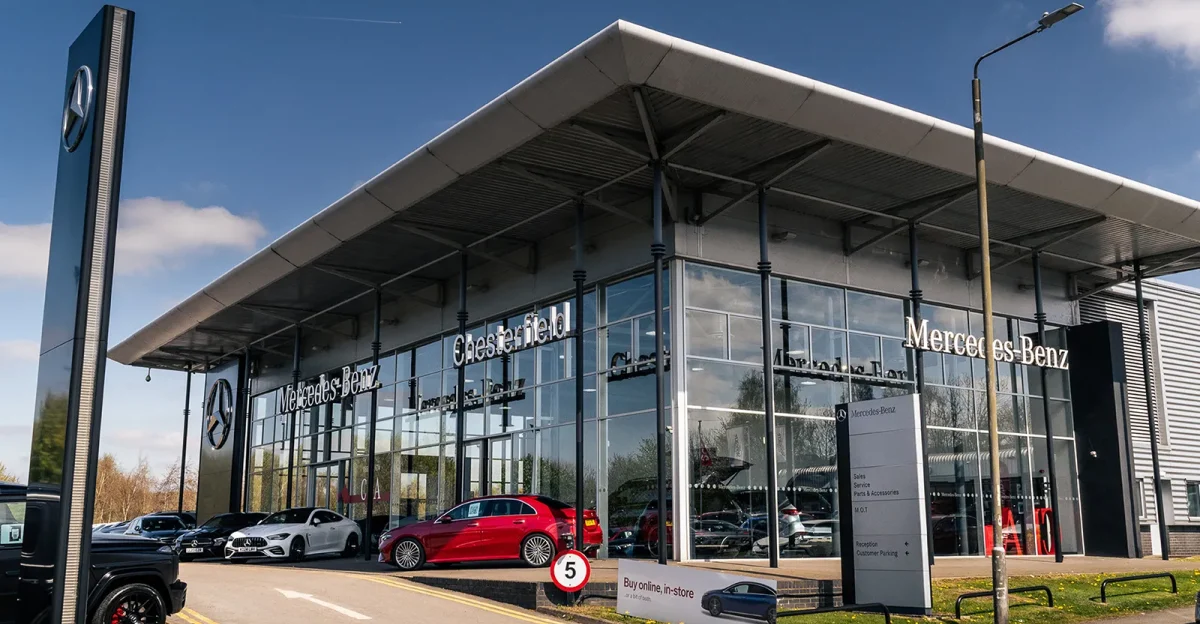
Edmunds analyzes affordability, incentives, and shopping conditions for car buyers. Their research confirms the visual on dealership lots: rising payments trigger consumer hesitation. Some shoppers move to used vehicles, while others delay buying.
The buyer pool contracts as inventory expands. For rate-sensitive shoppers, the math no longer works. Affordability pressure causes the slowdown. The market shifted from “shortage” to “payment shock,” but most people haven’t caught up yet.
Dealers Under Pressure
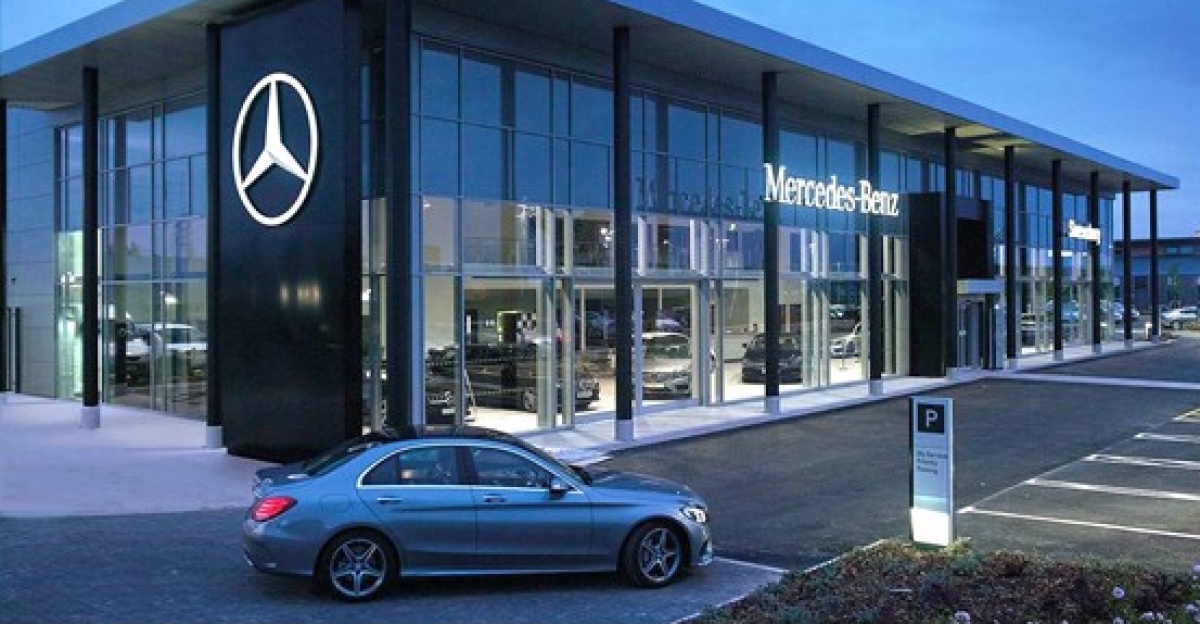
Dealers feel the impact first. When inventory lingers, discounting and incentive pressure builds. Dealers compete harder on price and financing as supply normalizes, according to industry tracking from Cox Automotive and Edmunds. Meanwhile, high borrowing costs suppress demand for durable goods everywhere. The effect is not limited to Mercedes.
The entire retail channel watches floorplan interest rise on vehicles stuck on the lot. One packed dealership is a local snapshot. The affordability pressure keeping those rows full is a national challenge.
A Changed Market Reality
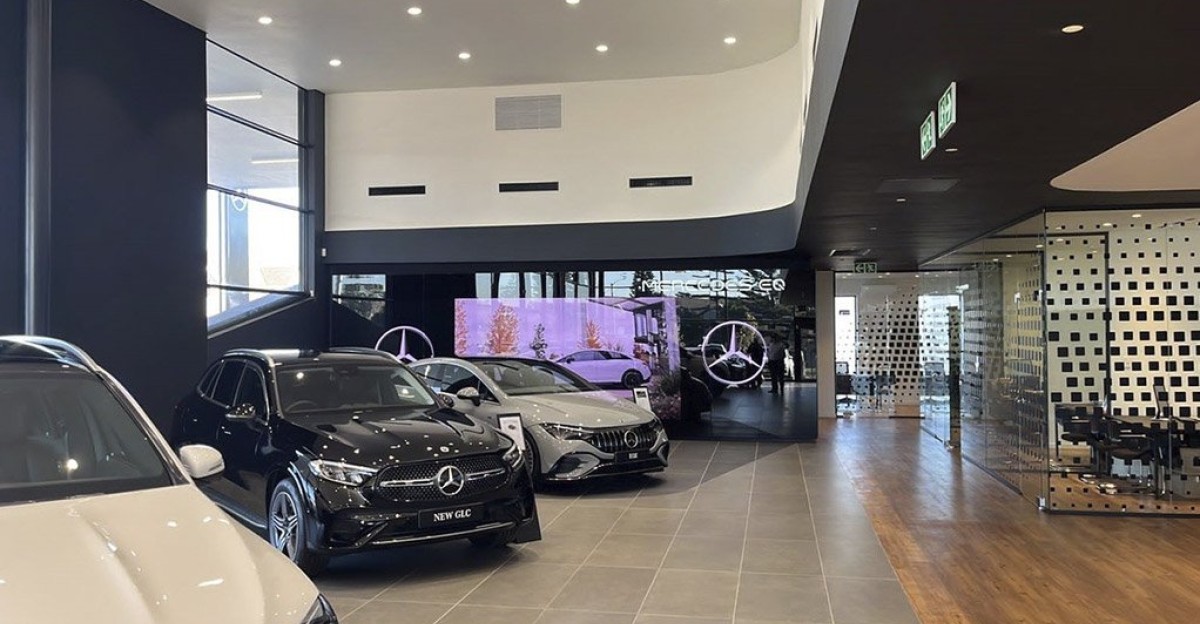
This shift is the new rule. The market narrative moved from “shortage” to “affordability,” and that change sets a precedent. Post-pandemic auto analysis now focuses on inventory normalization and pricing pressure instead of scarcity.
Every packed lot tells the same story: the payment is the gate. Brand prestige, dealer location, model year. None of it matters if the monthly number locks the door. The old belief that full lots signal a booming economy disappeared quietly in the data.
Ripple Effects in Motion

If demand continues to weaken, automakers may change production and allocations. Mercedes-Benz Group publishes annual performance reports, and the gap between corporate strategy and the situation on the lot can widen quickly. Rate-sensitive buyers and dealers with aging inventory face the most risk.
Over the coming months, more salespeople may stand waiting in empty showrooms. Industry leaders remain calm in public, but captive finance promotions, lease specials, and targeted incentives have already begun. These moves show exactly where the pressure is building.
Buyers Hold the Cards
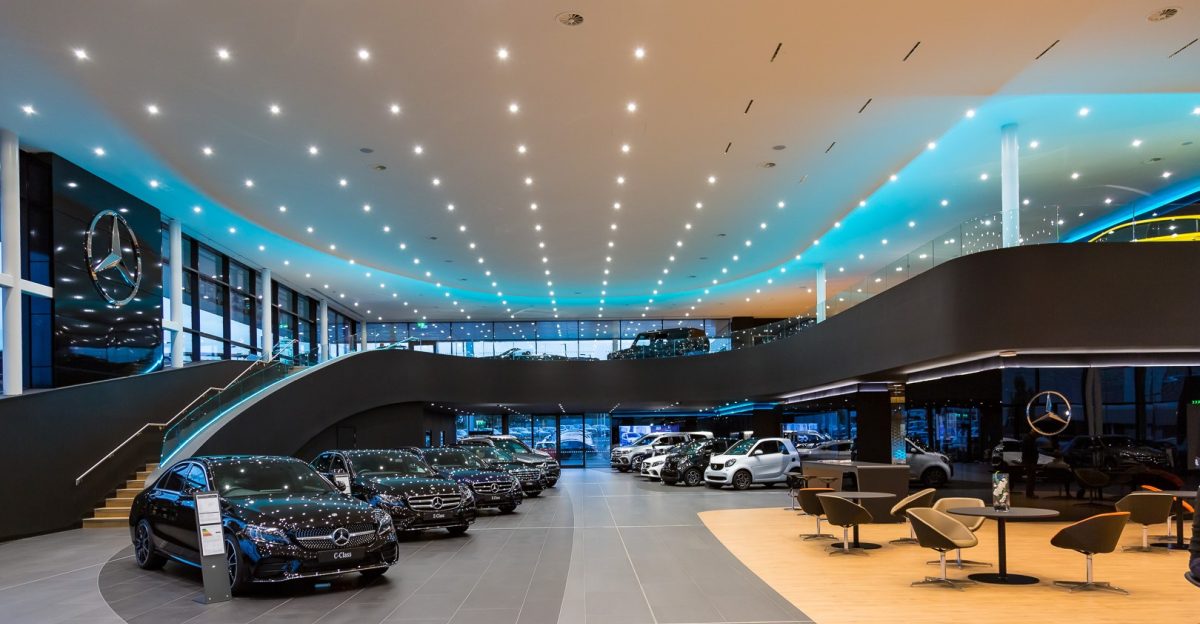
A packed luxury lot signals that negotiating power has shifted to buyers for the first time since the pandemic. The inventory is visible. The barrier is financial.
Across the country, shoppers are running the same monthly payment calculation and walking away more often. Dealers holding aging stock will give way first. The next step depends on whether buyers recognize this leverage before manufacturers reduce production and tighten supply again.
Sources:
Rivian Wave, Rivian Discontinues Entry-Level R1T, R1S Trims Ahead of R2 Launch, 2026-03-10
Electric-Vehicles.com, Rivian Phases Out Lowest-Priced Trims of Both R1T and R1S Models, 2026-03-10
CNN, Ford recalls more than 694,000 Bronco Sport and Escape SUVs, 2025-07-21
Car and Driver, Ford Recalls 694,271 Bronco Sport, Escape SUVs for Fire Risk, 2025-07-15
Federal Trade Commission (FTC), FTC to Ramp Up Law Enforcement Against Illegal Repair Restrictions, 2021-07-20
The Texas Tribune, Texas adds new ID restrictions on vehicle registrations and renewals, 2025-11-25