Abbott Signs ‘Red Tape-Cutting’ Bill That Lets Texas DMV Freeze Your Registration At Renewal
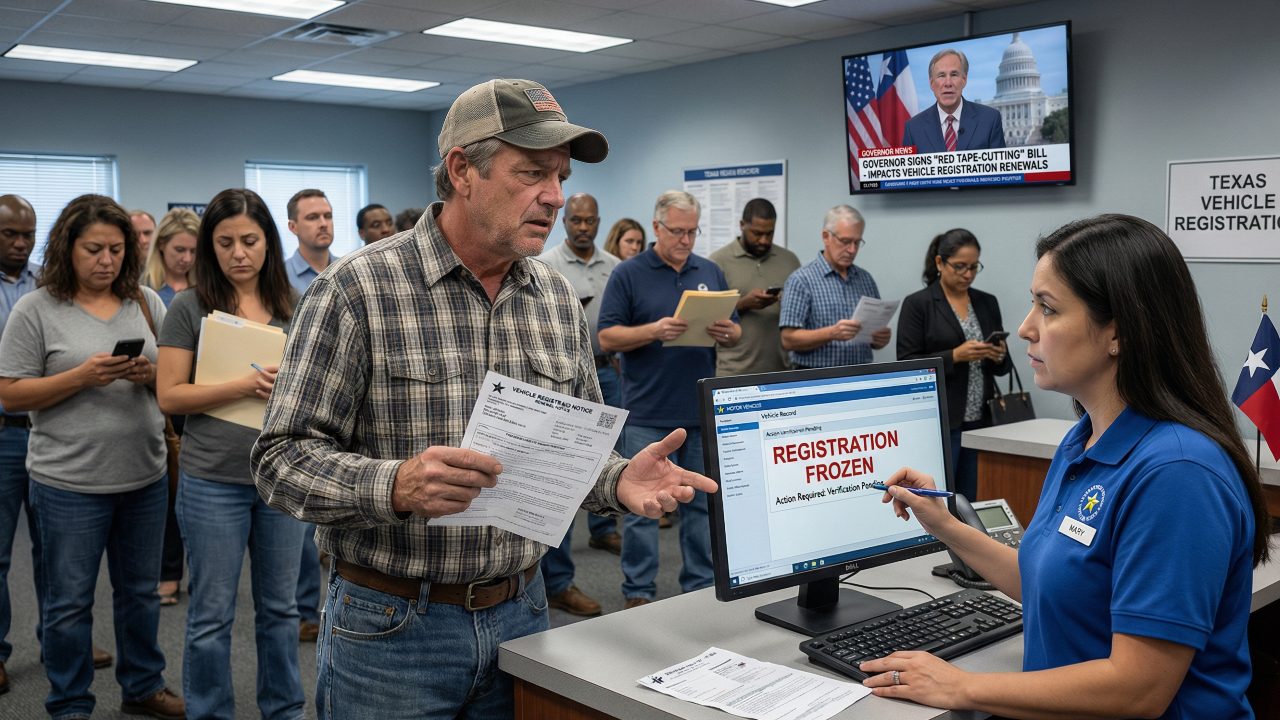
You’re at the computer, renewing your Texas registration like you’ve done every year. You type in your info, hit submit, and the screen stops cold. “Your registration cannot be renewed.” There’s no warning letter, and no phone call, just a database deciding your vehicle no longer qualifies. Texans in specific counties are walking into exactly this scenario, and most of them think the state just made inspections easier.
The Promise
Governor Abbott signed HB 3297 with fanfare, framing it as cutting red tape and supporting the Texas economy. The headline sounded like freedom: no more dragging your truck to an inspection station for a safety check. Effective January 1, 2025, periodic safety inspections ended for most non-commercial vehicles. In their place, there was a $7.50 annual replacement fee. It was cheaper and simpler. The kind of policy that makes a bumper sticker. But that fee replaced only one layer of a system with two.
The Asterisk
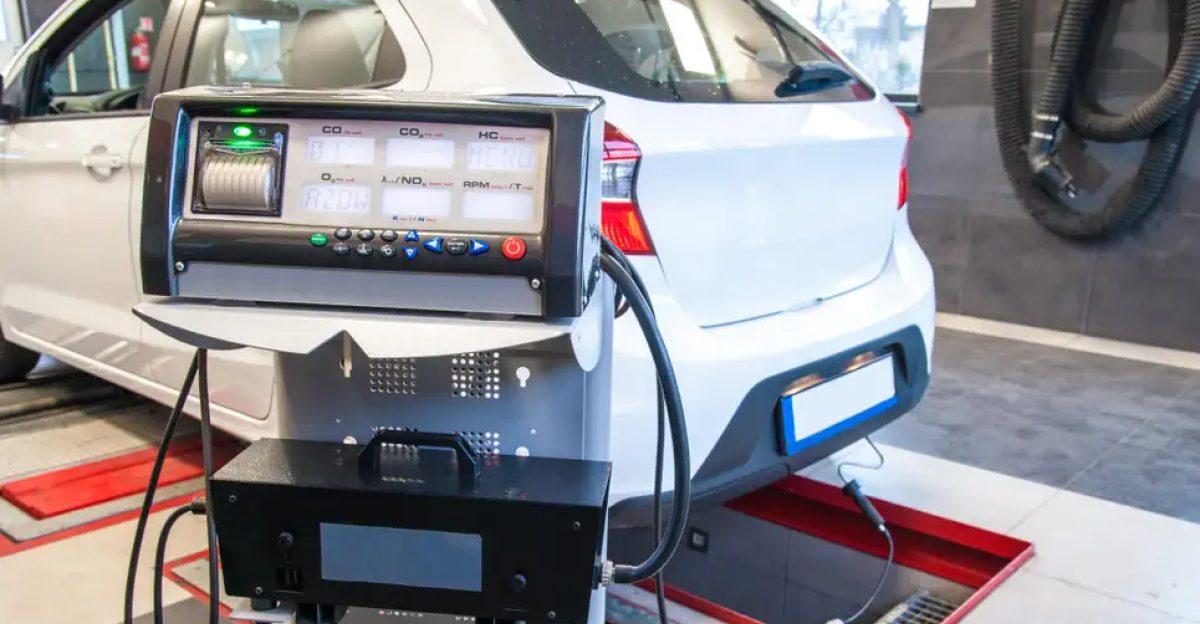
Texas killed statewide safety inspections. Texas did not kill emissions testing. In designated counties, vehicles still must pass an emissions test, and that requirement feeds directly into the state’s registration database. Same car, different county, completely different outcome. A pickup in rural West Texas runs without a hitch. The identical truck in a Dallas-area emissions county hits a wall if the test isn’t on file. “No inspections means no rules” is the comfortable assumption. The county line is where that assumption dies.
The Gate

The enforcement tool is a system called “Two Steps, One Sticker.” It links inspection databases directly to registration issuance. Skip or fail a required emissions test, and the database flags your vehicle. TxDMV doesn’t send a trooper. It doesn’t need to. Your renewal just stops. Blocked until compliance is met. No negotiation. No override. One database entry between you and legal driving. That’s not deregulation with an asterisk. That’s a digital choke point wearing a deregulation headline.
Invisible Enforcement

The old system caught you roadside. A trooper checked your sticker, maybe wrote a ticket. You could argue, delay, or fix it on your own schedule. The new system catches you in software. Registration denial isn’t a conversation. It’s a locked door. And the shift matters because it concentrates all enforcement pressure into a single moment: the renewal window. Miss that window without compliance, and you’re not driving legally until you circle back through the emissions station and clear the database.
Who Gets Trapped
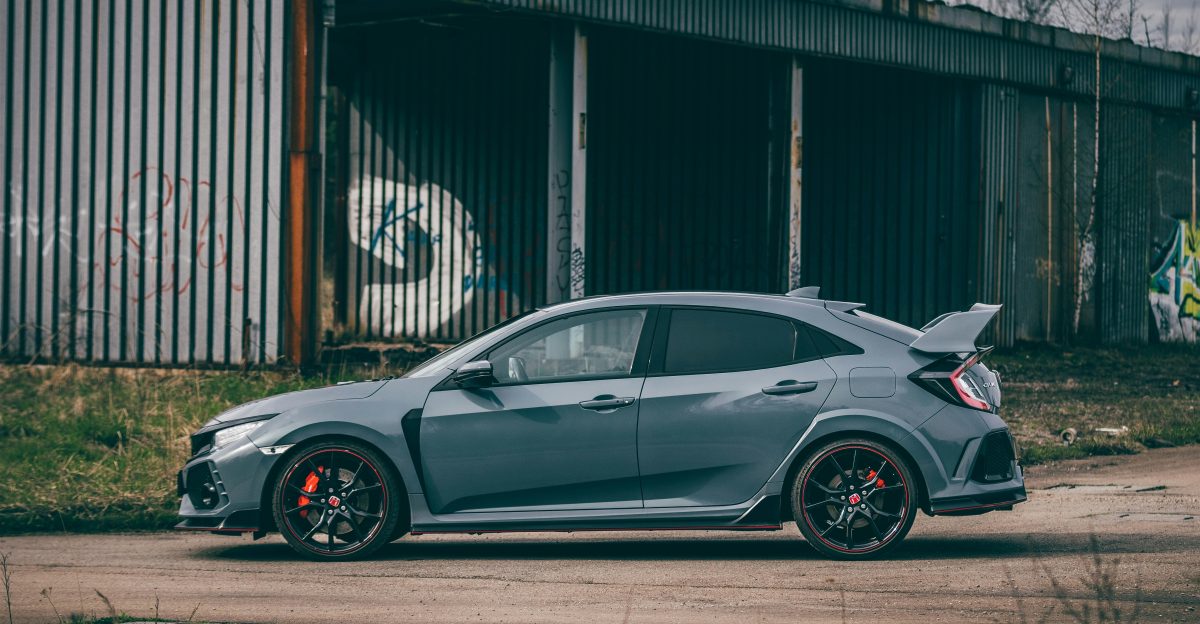
Owners of older vehicles and high-emitting trucks in emissions counties carry the heaviest burden. Their cars are most likely to fail. Their repairs are the most expensive. And they discover the problem only when they try to renew, not before. The $7.50 fee saves them the safety-inspection trip. The emissions requirement can cost them hundreds in repairs just to keep their registration active. Call it deregulation with a gate: fewer inspections, same database enforcement at registration.
Ripple Effects

Inspection stations that once handled routine safety checks now face a business model in free fall. The stations that survive will pivot toward emissions testing and specialized vehicle categories. Meanwhile, Texans still pay the $7.50 replacement fee annually, roughly $37.50 over five years, even though most will never sit in an inspection bay again. The state collects revenue. The stations scramble. And drivers in emissions counties still face the same renewal friction their rural neighbors just escaped.
The Precedent

This is bigger than Texas paperwork. A major state just proved you can strip broad vehicle inspections while preserving targeted environmental compliance through a registration gate. That model is exportable. Any state with air-quality nonattainment zones can adopt the same architecture: cut the popular inspection, keep the database lever, and enforce at renewal. The registration-linked enforcement model predates HB 3297 and now outlives the inspection regime it was built alongside. Once you see renewal as enforcement, every state’s system looks different.
What Comes Next

If air-quality pressures rise in Texas metro areas, the emissions program’s scope could expand to more counties, pulling more drivers into the renewal trap without a single new law being passed. The infrastructure already exists. The database already decides. And the drivers who lose next are the ones who just bought a used truck in a county that wasn’t on the emissions list last year. The escalation path runs through county designations, not legislation.
The Strategist’s Edge
Some Texans will chase repairs. Some will replace vehicles. Some will explore whether registering at a different address offers relief, though state rules constrain that option. The counter-moves are already starting. But the real status upgrade is knowing what most drivers still don’t: Texas didn’t deregulate your car. Texas moved the enforcement checkpoint from the inspection lane to the renewal screen. Everyone else will figure that out when their screen says no.
Sources:
“H.B. No. 3297: Relating to the Elimination of Regular Mandatory Vehicle Safety Inspections for Noncommercial Vehicles and the Imposition of Replacement Fees.” Texas Legislature, 88th Legislature, Enrolled, 2023. Effective January 1, 2025.
“Vehicle Emissions Inspections in Texas.” Texas Commission on Environmental Quality (TCEQ), updated Feb. 2026.
“Vehicle Emissions Inspection Program Enforcement.” Texas Commission on Environmental Quality (TCEQ), updated 2025.