Ford Recalls Every Model Since 2020 Except One—Fire Risk Hits Family SUVs Nationwide
In February 2026, Ford recalled over 4.3 million vehicles after discovering a software glitch that could disable trailer brake lights, turn signals and braking functions while towing. The defect affects popular models such as the F-150, Super Duty, Ranger and Expedition from the 2021 to 2026 model years, as well as certain Lincoln vehicles. Owners are advised to check their VIN online and schedule a free over-the-air update or dealer repair. This action alone underscores the scale of Ford’s ongoing safety campaign.
Record-Breaking Recall Volume in 2025
In 2025 alone Ford issued at least 153 safety recall notices, more than double the previous single-year high of 77 set by General Motors in 2014. The surge forced the automaker to surpass its own annual record by July, marking the highest number of recalls by any manufacturer in a single year. The increase reflects both a rise in identified defects and Ford’s intensified monitoring of its expanding vehicle lineup.
Widespread Impact Across Ford Lineup
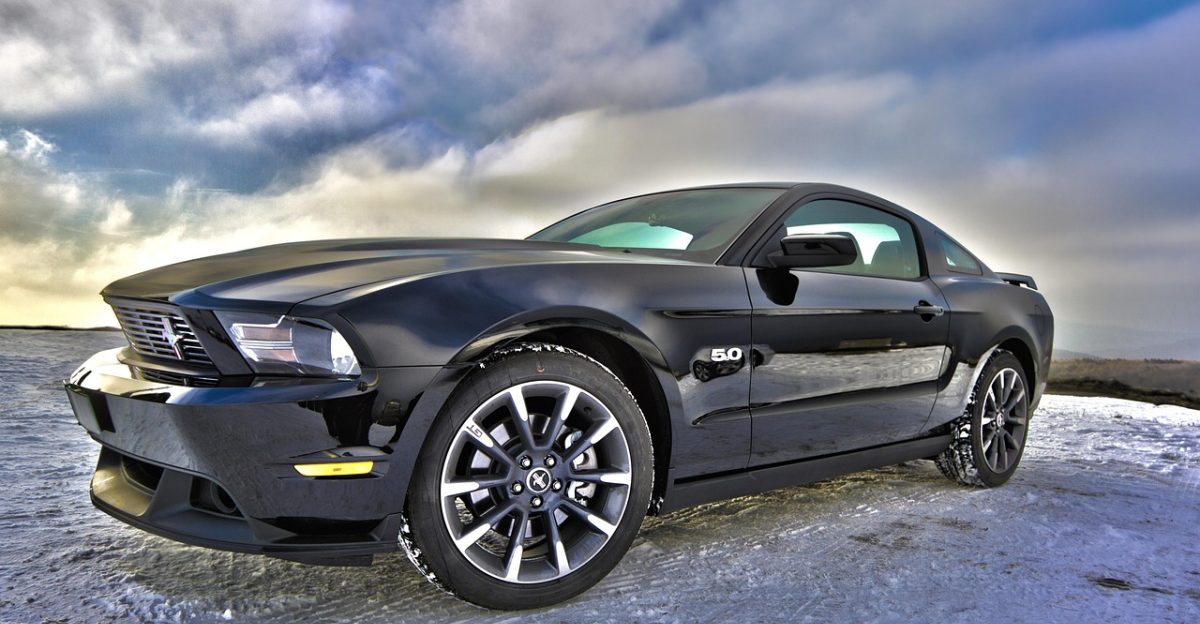
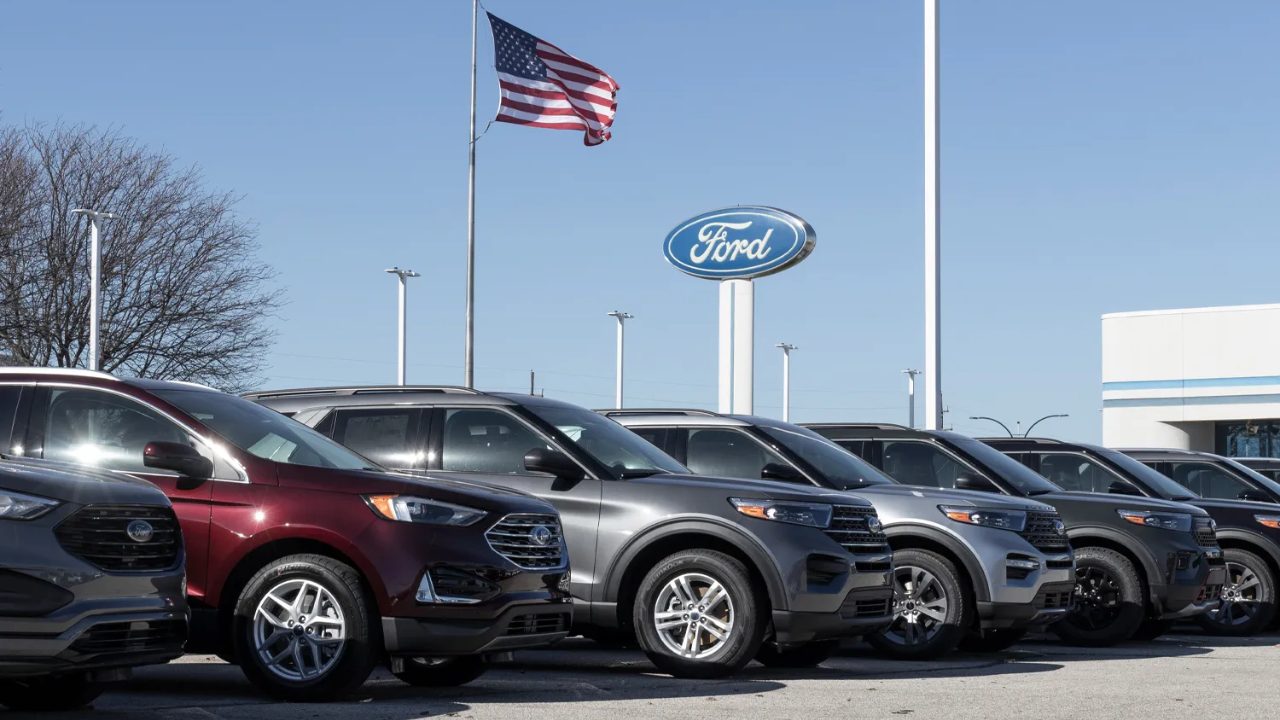
The recall wave has touched nearly every vehicle Ford sells in North America, leaving the Ford GT sports car as the sole exception among current models. All seven SUV and crossover models, Escape, Bronco Sport, Bronco, Explorer, Expedition, Mustang Mach-E and Edge, have faced at least one recall. Every major truck line, Maverick, Ranger, F-150, F-150 Lightning and Super Duty, has also been affected, as has the Mustang, Ford’s last remaining passenger car. Commercial vans such as the Transit, E-Transit and Transit Connect have likewise been recalled for braking, towing, electrical and visibility issues.
Specific Defects Prompting Action
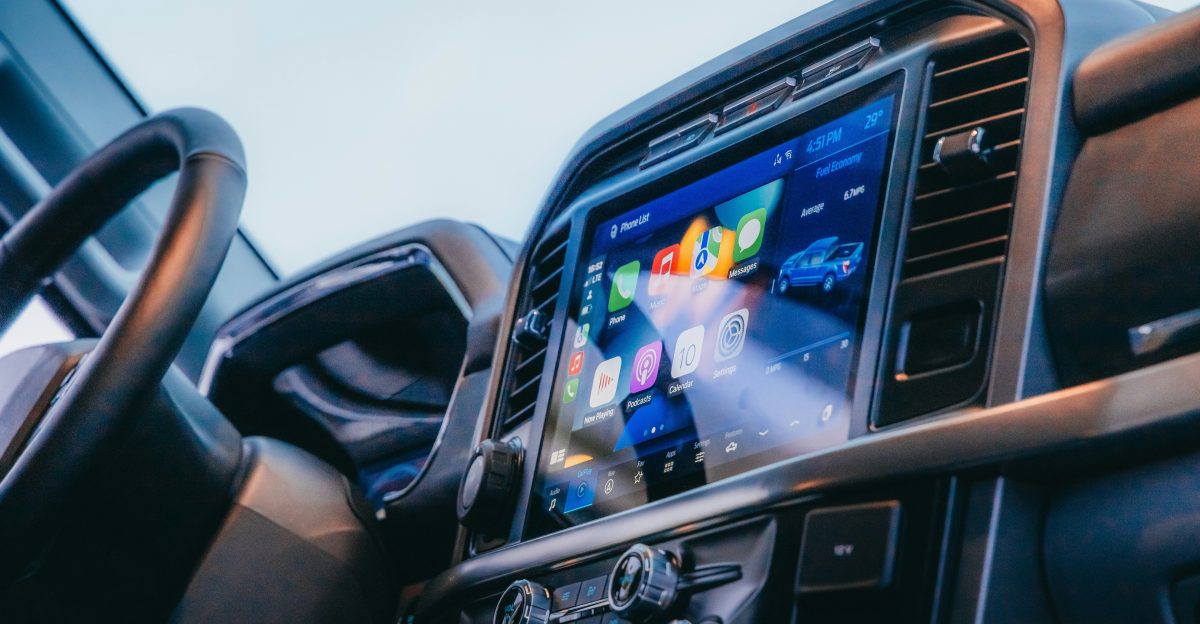
Specific campaigns have included over 615,000 vehicles for wiper and driveshaft defects, more than 412,000 for suspension problems and nearly 1.9 million for rearview camera software that displayed distorted or blank images. Additional recalls have addressed cracked fuel injectors posing fire risks, electronic door latch faults that could lead to lockouts or entrapment, and parking-function software that might allow a vehicle to roll away if the driver exits without shifting to park. Many of these issues can be remedied via over-the-air updates, while mechanical faults require dealer service.
Ford’s Proactive Safety Strategy
Ford attributes the recall increase to a proactive safety stance, stating, “The increase in recalls reflects our intensive strategy to quickly find and fix hardware and software issues and go the extra mile to help protect customers.” The company has more than doubled its safety and technical expert team over the past two years and expanded failure testing on critical systems such as powertrains, steering and braking. This approach aims to catch defects earlier, even if it leads to more frequent recall notices.
Industry Reaction and Regulatory Context
Safety experts praise Ford’s increased transparency, noting it helps catch defects before they cause accidents. A former NHTSA official told reporters, “When a manufacturer doubles its safety team and openly shares recall data, it signals a commitment to preventing harm rather than merely reacting to it.” This aligns with regulatory pressure after Ford’s 165 million dollar NHTSA fine in late 2024 for delayed rearview-camera recalls. Ford added that most recalls can be fixed remotely, saying, “We are conducting safety recalls to address the loss of park function issue and will notify owners and begin repairs in March 2026.”
Owner Notification and Remedies

Owners of affected vehicles receive notifications by mail and through Ford’s online portal, where they can enter their vehicle identification number to check recall status. Many software-related recalls, including the February 2026 trailer-brake glitch and the park-function issue, are resolved via over-the-air updates that require no dealer visit. Mechanical defects such as cracked fuel injectors or suspension faults necessitate a service appointment. Ford urges customers to act promptly once a notice arrives to ensure safety and avoid potential hazards.
Financial and Operational Impact
The recall campaign has added significant costs beyond the 165 million dollar NHTSA fine, including expenses for parts, labor and software development. Despite the short-term burden, Ford argues that early intervention reduces long-term liability and preserves consumer trust. The automaker’s increased investment in testing is expected to yield fewer severe defects in future model years. Compared with rivals, Ford led U.S. recalls in 2022, 2023 and 2025, while Chrysler recorded 53 recalls in 2025 and General Motors logged 27.
Safer Future Models
Ford says it will continue to expand its safety organization and integrate lessons from recall data into new vehicle designs. The goal is to balance rapid innovation with uncompromising safety, ensuring that future recalls become less frequent even as the company pushes technological boundaries. For now, drivers are urged to stay alert for recall notices and act promptly when alerts arrive. By turning a challenging period into a learning opportunity, Ford aims to emerge with stronger quality controls and renewed confidence from its customer base.
Bottom Line
Although the sheer volume of recalls may alarm some buyers, Ford’s proactive strategy reflects a commitment to fixing problems before they escalate. The recall surge, driven by both genuine issues and heightened oversight, has affected nearly every model since 2020, and only the GT sports car is the sole exception among current models. As the automaker invests in safety and transparency, it hopes to turn a difficult chapter into a foundation for more reliable vehicles in the years ahead.
Sources:
“Ford recalling 4.3 million U.S. vehicles over software issue.” Reuters, 26 Feb 2026.
“Ford recalls over 4.3 million vehicles due to software issue.” Fox Business, 25 Feb 2026.
“4.3 Million Ford Trucks Recalled For Trailer Controller Software Glitch.” MotorTrend, 26 Feb 2026.
“Ford Recall Statistics 2025–2026.” Woodard Injury Law, 2026.
“Ford recalls over 615,000 vehicles over wiper, driveshaft defects.” Fox Business, 4 Mar 2026.
“Ford recalls over 412,000 Explorer vehicles due to suspension issue.” Reuters, 24 Feb 2026.
“Ford recalls 1.9 million vehicles over faulty rear-view camera.” Reuters, 9 Sep 2025.