Ford’s Electric Mustang Wins On Volume With Bigger Deals As Gas Version Holds Steady—America’s Iconic Mustang Still Matters
Ford’s 2024 U.S. sales reveal a surprising shift within one of America’s most iconic nameplates. The electric Mustang Mach-E sold about 51,700 units, surpassing roughly 44,000 gas Mustangs, but the volume came with heavier discounts, aggressive lease programs, and federal tax credit dependencies. Both vehicles share the legendary badge, yet their market paths diverged sharply. Ford’s quarterly and annual reports show that incentives, pricing complexity, and timing drove the Mach-E’s success, while the gas Mustang maintained steady, predictable sales, highlighting how modern buyers respond to cost, risk, and opportunity.
Electric Mustang Outsells Gas Model in 2024
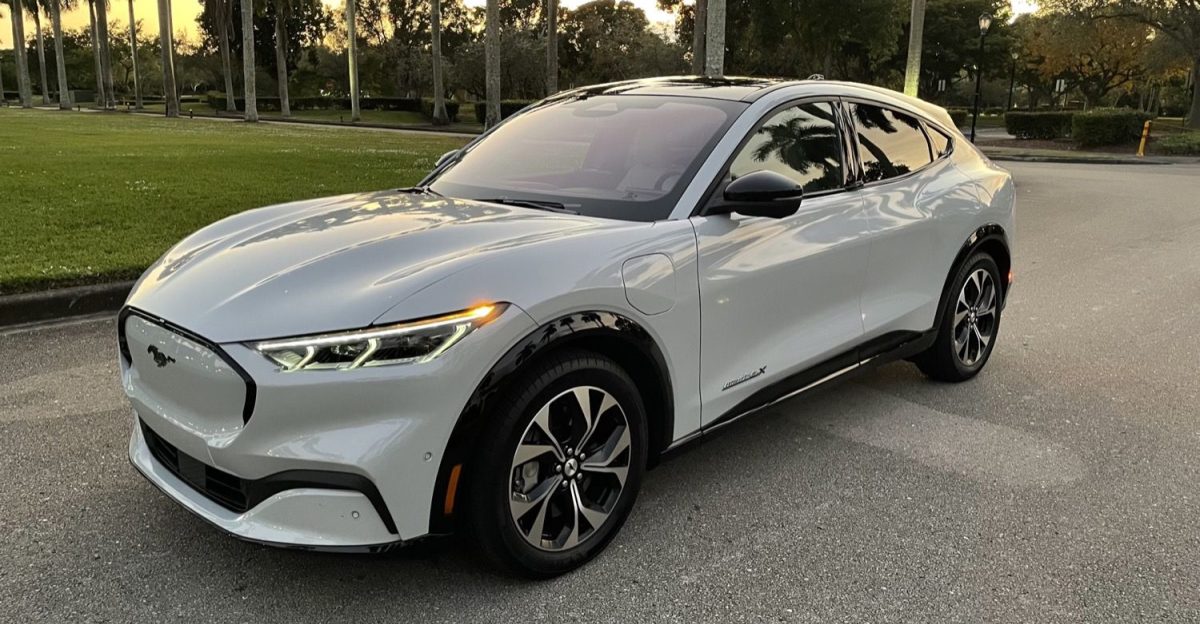
Ford’s quarterly data shows how incentives shape consumer choices. The Mach-E moved about 51,700 units in 2024 by combining price cuts, lease programs, and federal tax credits. Dealers layered promotions to keep the electric model competitive against the gas Mustang’s roughly 44,000 units. The gas model continued steady sales with familiar financing and conventional incentives. Analysts highlight that the Mach-E’s success demonstrates how financial strategies, not brand recognition alone, determine which vehicles capture volume. Each quarter revealed how aggressive deals boost EV sales while maintaining steady gas car demand.
Price Adjustments Shape Electric Sales
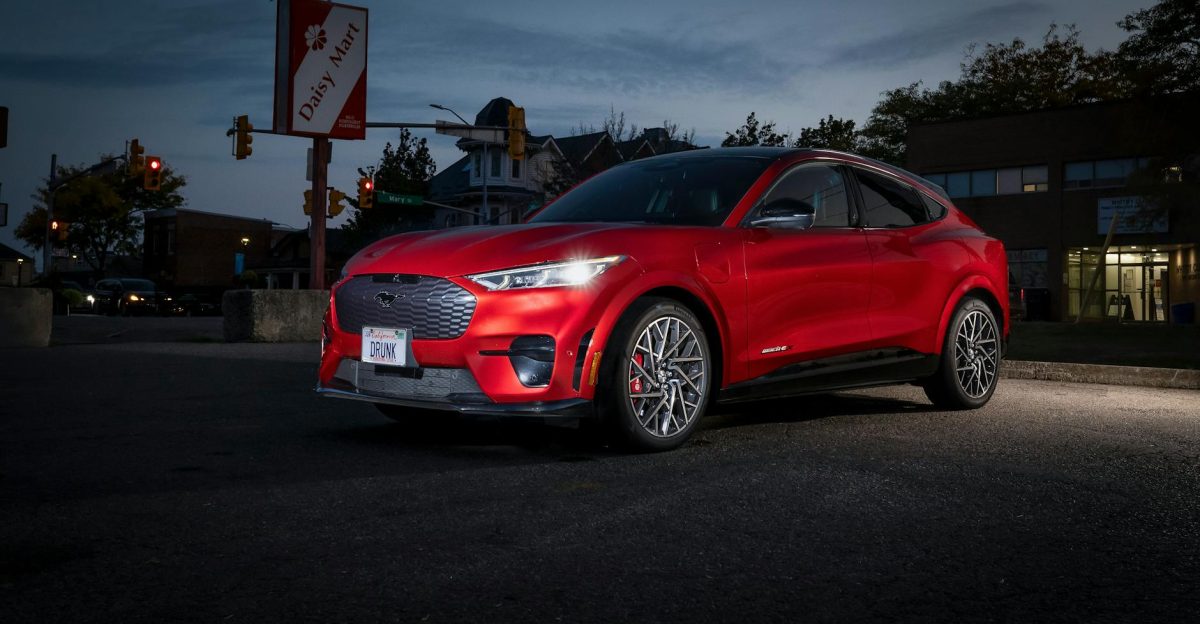
Pricing pressure defines the Mach-E’s path in the U.S. market. Federal incentives reduced costs for some buyers depending on income, battery sourcing, and configuration. Ford cut prices by roughly $8,100 on some 2023 Mach-E trims. Leasing programs offered additional reductions and monthly payment flexibility. Even with these moves, the electric Mustang carries a higher sticker than many gas coupes. The gas Mustang avoids this complexity with a transparent purchase process. Buyers make quick decisions based on total payment. Incentives and credit rules shape demand before the first sticker is even read, creating different paths for each model.
Buyers Compare Payments, Not Just Badges
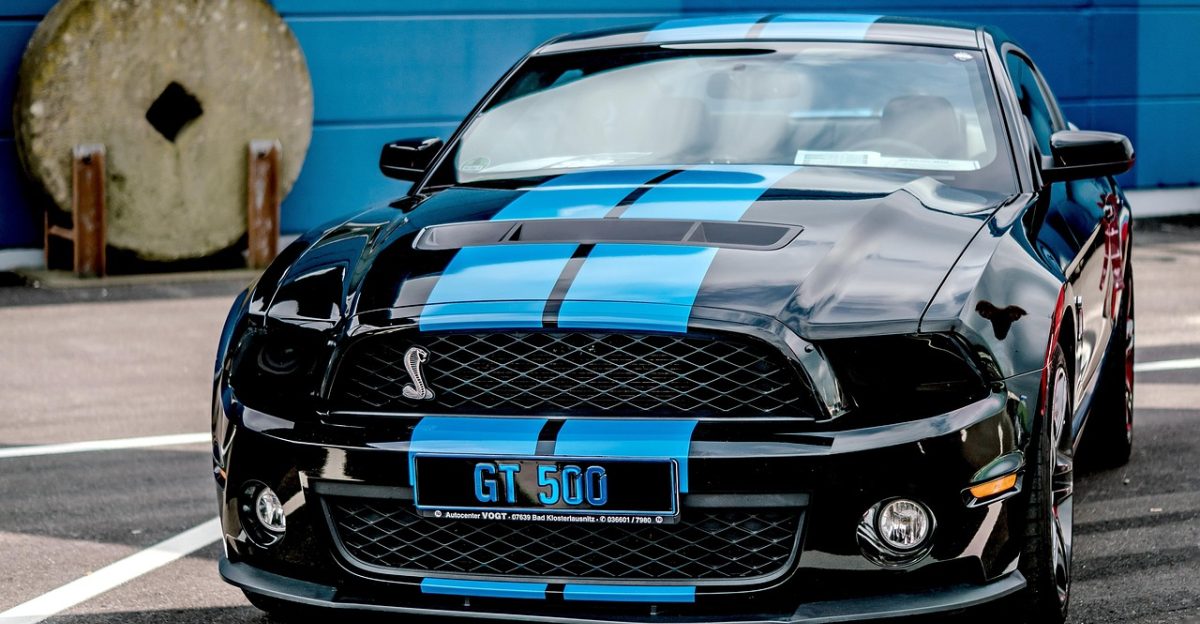
Shoppers see a clear difference on the dealership lot. The gas Mustang presents a predictable sticker, financing, and ownership costs. The Mach-E requires evaluation of federal credit eligibility, dealer lease programs, and discount timing. Market analysts from Cox Automotive reported that 2024 featured rising incentives and discounting across the U.S. EV market. Households comparing the two Mustangs often find the electric option offers a lower monthly payment only under specific conditions. Families make decisions based on total cost and risk. Branding matters less than the immediate impact on a monthly budget and the certainty of the deal.
Dealers Respond With Incentives and Leases
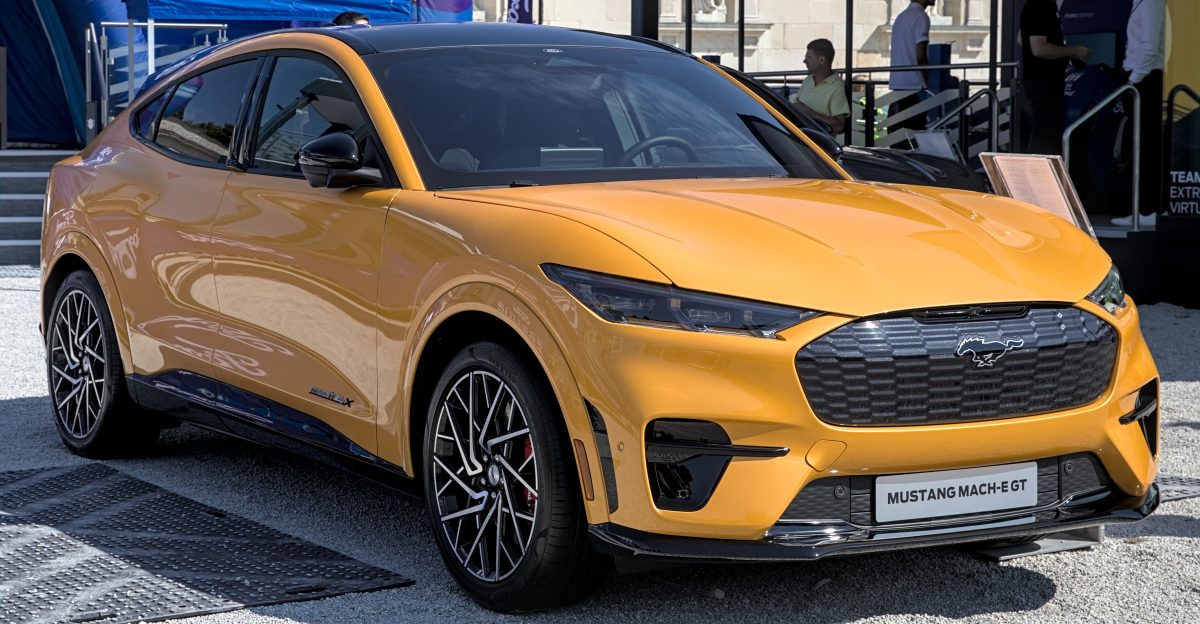
Ford adjusted to Mach-E demand swings in early 2024. Sales plunged more than 50 percent in January after federal tax credit eligibility changed for certain trims. Ford implemented price cuts of roughly $8,100 on selected models and added lease support to stimulate sales. Dealers stack incentives and financing offers to maintain inventory movement. The gas Mustang continued selling under traditional promotions with fewer headline-grabbing discounts. Quarterly sales reports highlighted the contrast between models driven by financial incentives and models supported by brand familiarity. The Mach-E’s growth comes through structured programs rather than organic demand.
Industry Observes Mustang Dynamics
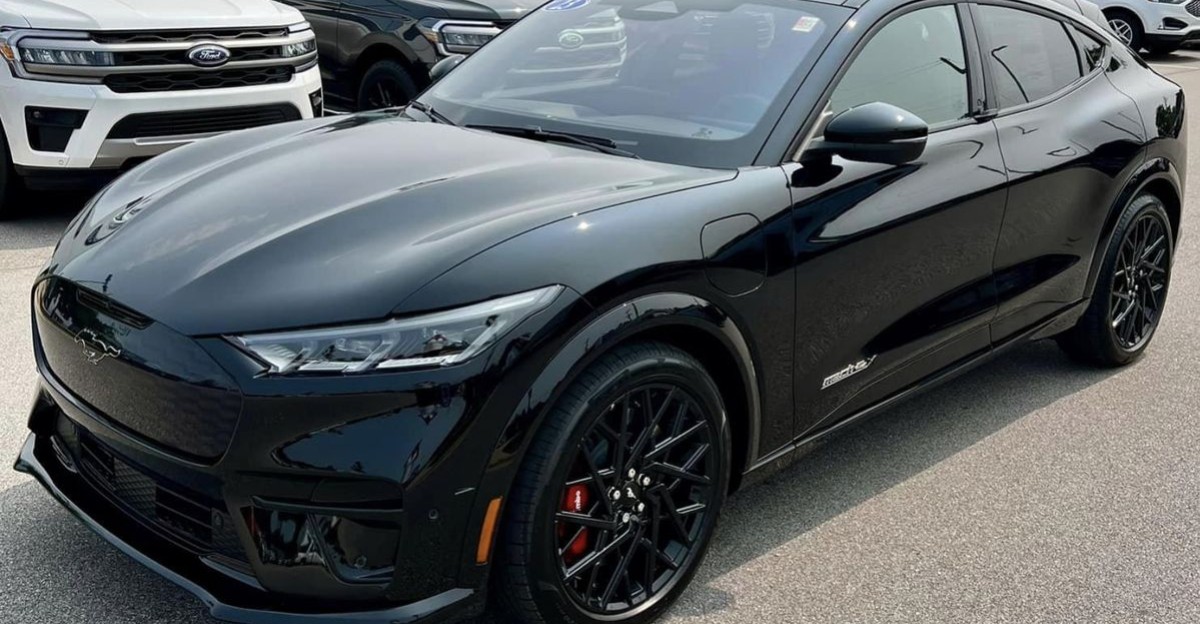
The Mach-E’s performance draws attention beyond Ford. Automakers study how recognizable nameplates perform in the electric vehicle market. Even the Mustang badge, one of the most recognized in American automotive history, relied on discounts, leases, and federal credit timing to surpass gas Mustang sales in 2024. Competitors now evaluate whether lesser-known EVs can achieve similar results without structured pricing programs. Discounting and incentives determine which vehicles move. The Mustang case shows that even strong brands cannot ensure electric vehicle success without coordinated financial support and careful timing of promotions.
Structural Forces Behind EV Pricing
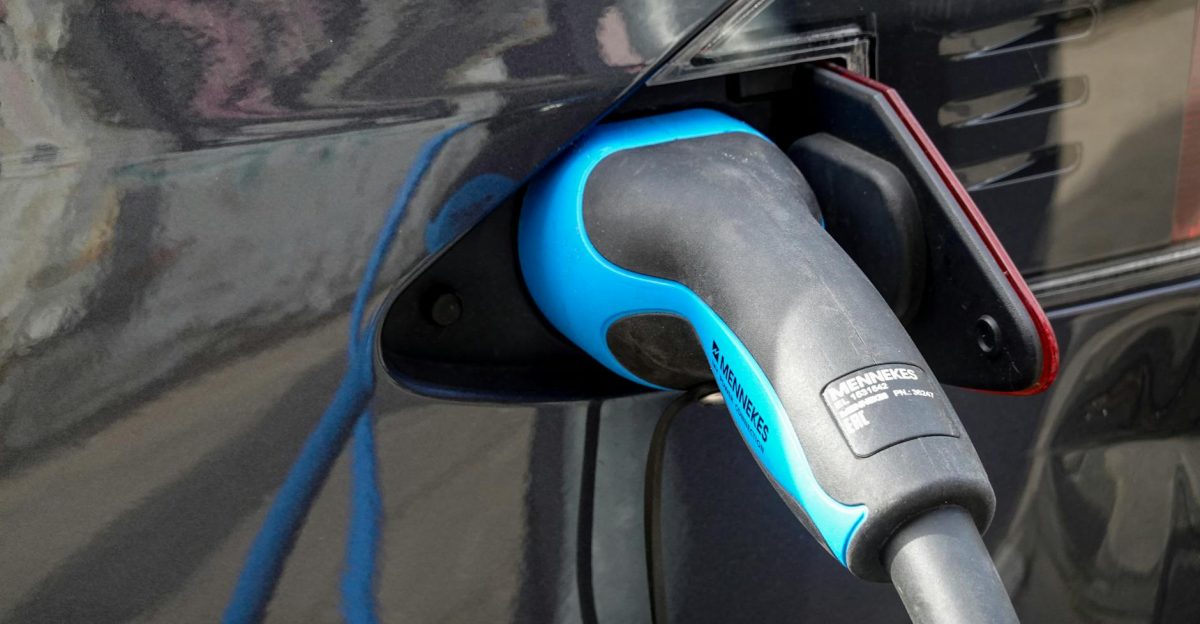
Incentives, eligibility rules, and discount programs shape the “real” price of an EV before a buyer sees a payment quote. Federal policy sets tax credits. Eligibility limits narrow the number of qualified buyers. Dealer discounts and lease offers reflect the market’s desire to move inventory, especially when EV supply exceeds immediate demand. Ford’s Mach-E program demonstrates this system with price cuts, changing credit status, and attractive leases. The gas Mustang remains mostly outside these forces. These hidden structures impact every electric vehicle in the U.S. and influence the choices consumers make when purchasing their next car.
Buyers Face Timing and Risk
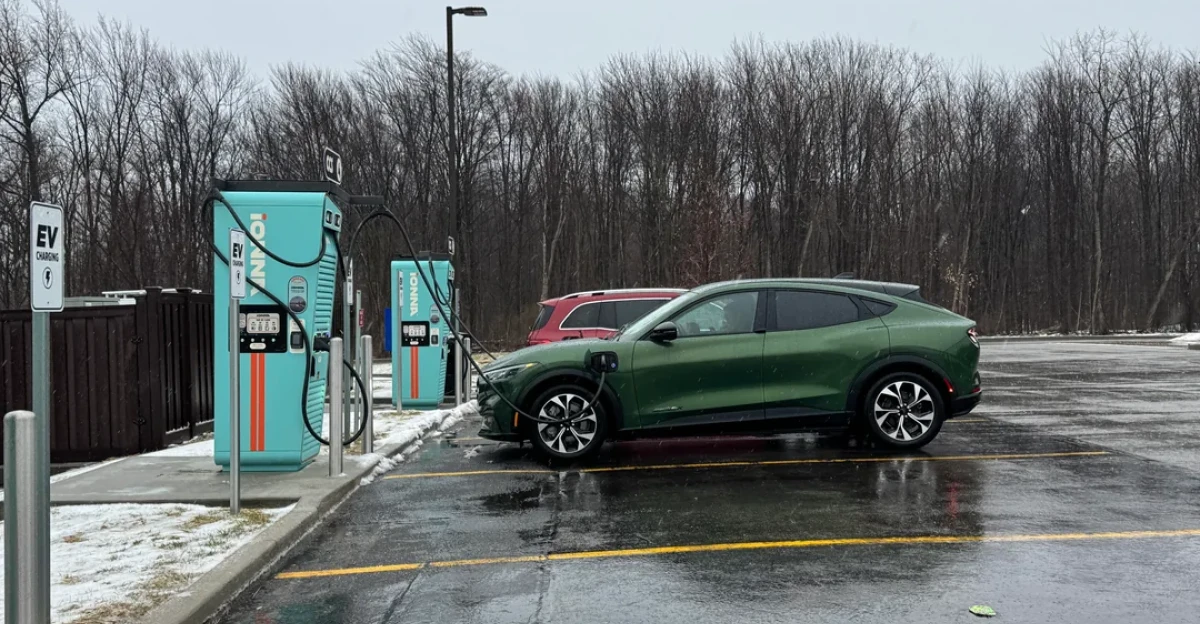
EV buyers experience direct effects from shifting incentives. Early Mach-E customers risked discovering lower prices or stronger lease terms shortly after purchase. Reports highlight how this creates buyer uncertainty and concern over depreciation. Many shoppers remain cautious, timing their purchases to maximize available incentives. The gas Mustang offers a more stable experience. Buyers know the total cost and risk at the point of purchase. Price timing and incentive fluctuations shape demand and influence which model buyers ultimately choose. The Mach-E delivers lower payments only when the right combination of incentives aligns.
Iconic Badges Require Price Support
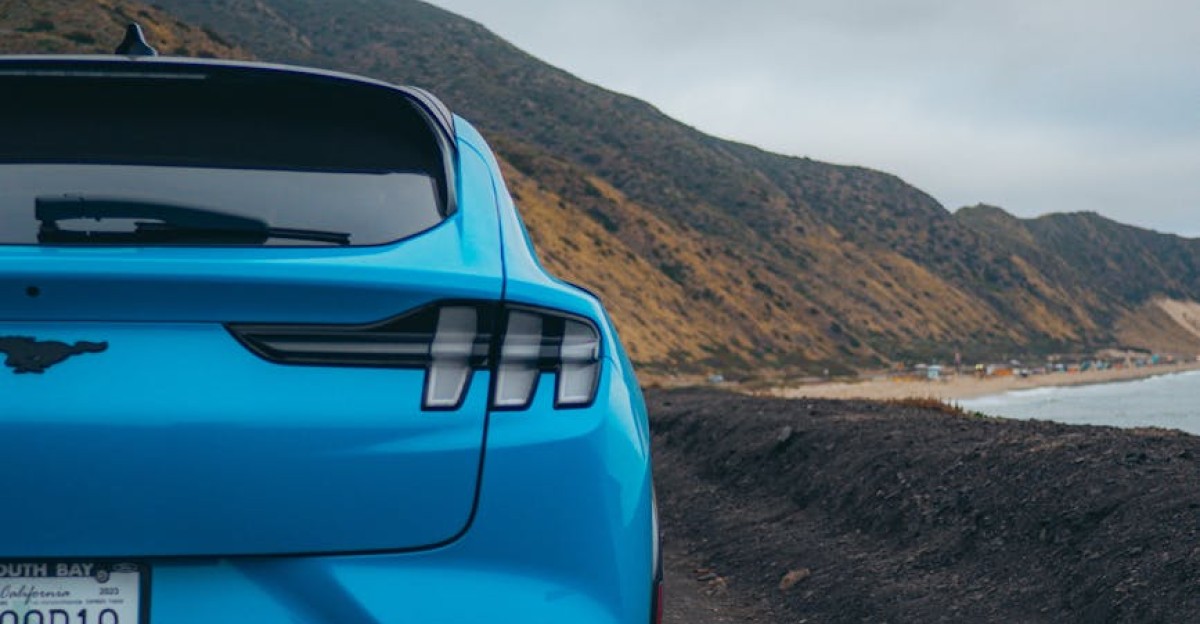
The Mustang example establishes a precedent for EV launches. Electric vehicles with legendary branding succeed only when paired with competitive incentives and financing. The Mach-E exceeded gas Mustang volume in 2024, but only through structured price cuts, lease programs, and federal credit timing. Future EV launches will need coordinated pricing strategies to achieve similar outcomes. Brand recognition alone will not generate consistent demand. Every automaker will test new electric models against lessons from the Mustang program, considering both pricing mechanics and buyer behavior to secure volume and maintain market relevance.
Market Adjustments Continue
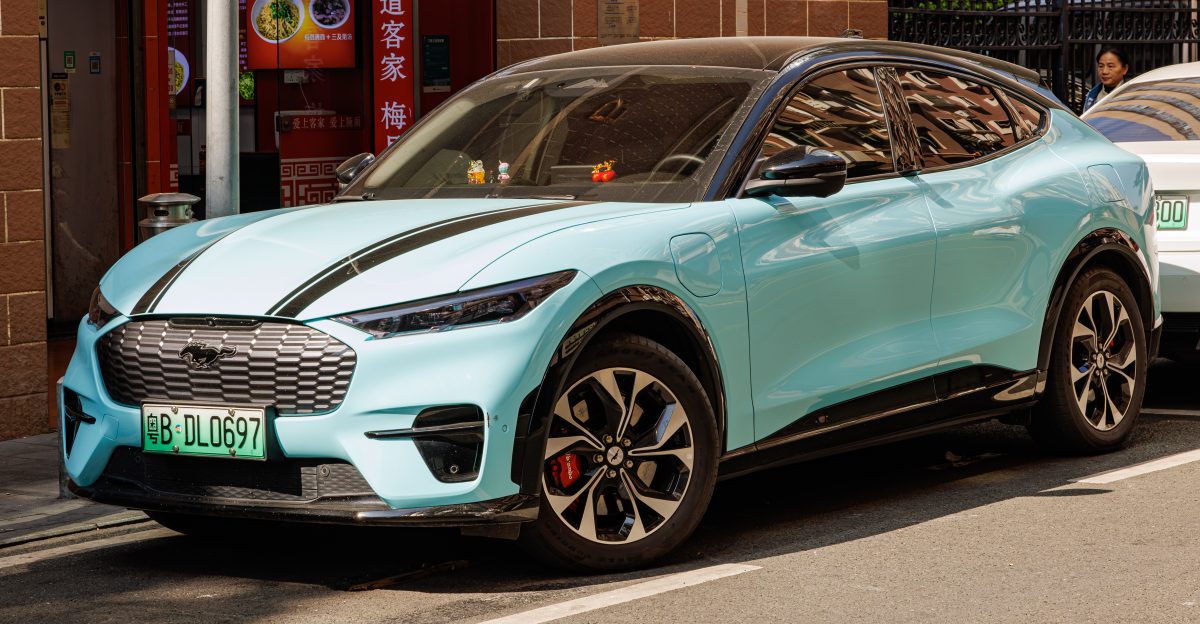
Automakers are actively adjusting EV leases, trims, and pricing to manage inventory and respond to demand. Margin pressure forces production and supply adjustments, shaping which models appear on dealer lots months later. Confusing or uneven EV deals affect buyer confidence. The Mach-E example shows how pricing, incentives, and federal credits interact to create market outcomes. Gas Mustangs remain steady as predictable options while electric models rely on financial programs for volume. The unseen pricing machinery between policy and purchase continues to influence the market. Subsequent quarterly reports will track how these adjustments affect the next round of sales.
Sources:
Ford sold more electric Mustangs in 2024 than gas-powered ones. Green Car Reports, January 5, 2025
Ford Sold More Mustang Mach-Es Than ‘Real’ Mustangs in 2024. The Drive, January 2, 2025
Ford Sold More Mustang Mach-Es Than ‘Real’ Mustangs in 2024. Yahoo Autos, January 3, 2025
Ford cuts prices of electric Mustang Mach-E by up to $8,100. Reuters, February 20, 2024
EV Market Monitor – December 2024. Cox Automotive, February 25, 2025