Ford Rents Space To Chinese Giant—’No Longer American’ As Automaker Masks EV Struggles
Picture a Ford plant humming with activity. Now picture the same plant with someone else’s cars potentially rolling through it. That scenario captures the arrangement being reported between Ford and Geely, the China-based auto group behind Volvo and Polestar. The framing from the primary report is blunt: Ford is exploring a shift from builder to something closer to landlord at one of its European plants. Not a joint venture. Not a merger. A company that once defined American manufacturing is reportedly considering opening the door and stepping aside for another brand on its own production lines in Europe. The badge on the building would stay blue.
Pressure Behind the Blue Oval

Ford still files its annual 10-K with the SEC. Still headquartered in Dearborn. Still sells F-150s by the hundreds of thousands. That is exactly why this rents-space arrangement stings. The company’s EV division, Model e, has been under sustained pressure according to earnings materials and segment reporting. Revenue targets, production scaling, software integration: all documented stress points that rarely make it into the advertising slogans. Ford entered these Geely talks not from a position of dominance but from one where the EV future looked increasingly expensive to build alone—and increasingly tempting to mask behind a landlord-style deal.
What “American” Really Means
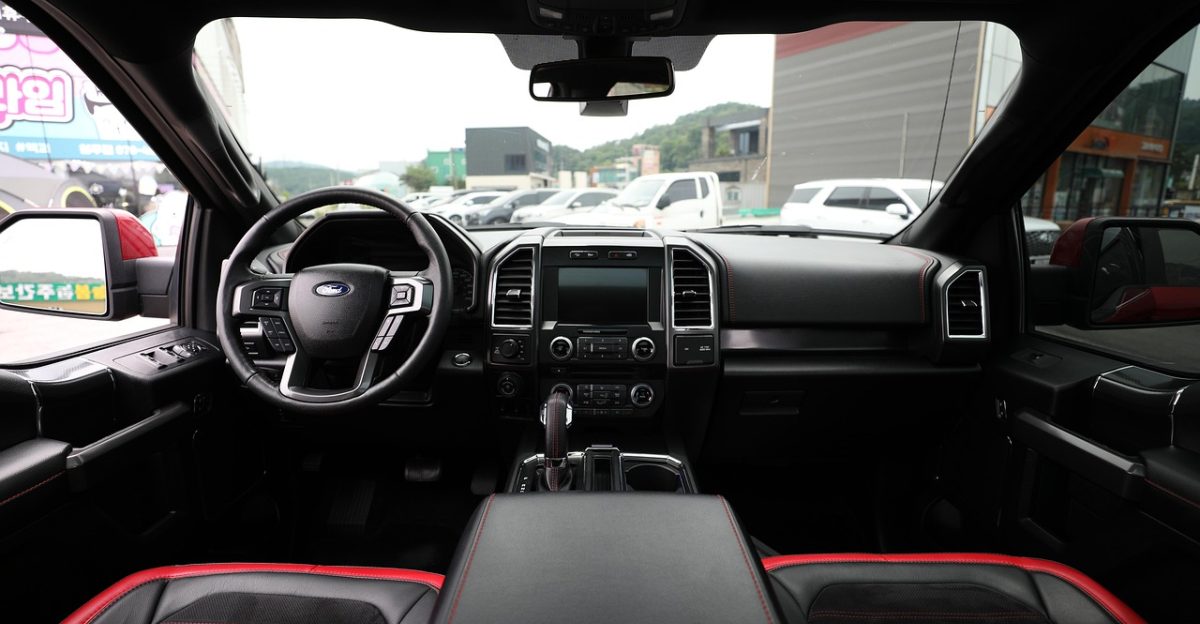
The reported talks frame Ford as renting space and capacity in a European plant to Geely, a China-based auto group with worldwide reach. Not selling factories. Renting them. That distinction matters enormously. A sale transfers the asset. A rental transfers the leverage. Ford would keep the deed but Geely could get the operating footprint. Platform access. Manufacturing rights. The escalation path runs straight from platform control to data control to customer lock-in. One arrangement. And the bargaining power could start migrating from Detroit toward Hangzhou.
From Maker to Possible Landlord
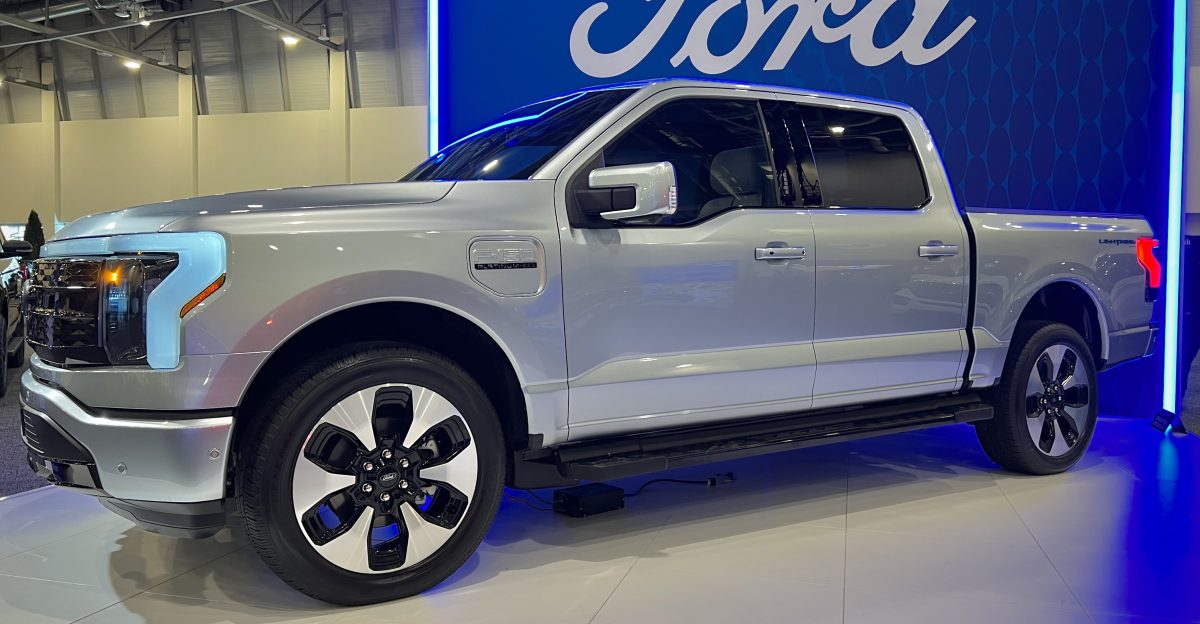
The reported talks frame Ford as potentially renting capacity in a European plant to Geely, a global auto group with worldwide reach. Not selling factories. Renting them. That distinction matters enormously. A sale transfers the asset. A rental transfers the leverage. Ford would keep the deed but Geely could get the operating footprint. Platform access. Manufacturing rights. The escalation path runs straight from platform control to data control to customer lock-in. One arrangement. And the bargaining power could start migrating from Detroit toward Hangzhou.
The Wiring You Don’t See

Auto competition is increasingly platform and software driven. Manufacturing can be commoditized. That is the system reveal buried underneath the landlord headline. Ford’s EV segment disclosures show strategy stress at the platform level—the very stress a rents-space deal can help smooth over in the public story. If a foreign-linked partner gains access to that platform, downstream leverage shifts to software and data control. Like a phone brand outsourcing its operating system and losing the customer relationship entirely. The building is still there. The power moves upstream. Brand patriotism cannot see contract clauses.
Numbers Behind the Flag

SEC filings constrain what is materially true. Headlines can imply more than what is proven. That tension defines this entire story. Ford’s risk disclosures and strategy documents reveal platform-control concerns extending beyond manufacturing into software, data, and supply-chain dependencies. Earnings materials provide segment-level performance signals showing where the pressure concentrates. None of that shows up in a Super Bowl commercial. The numbers live in the filings, not the branding. And the filings paint a company managing retreat in parts of its EV strategy—a slow-motion struggle that a landlord deal can help mask as mere “strategic flexibility.”
Shockwaves Beyond the Factory Gates
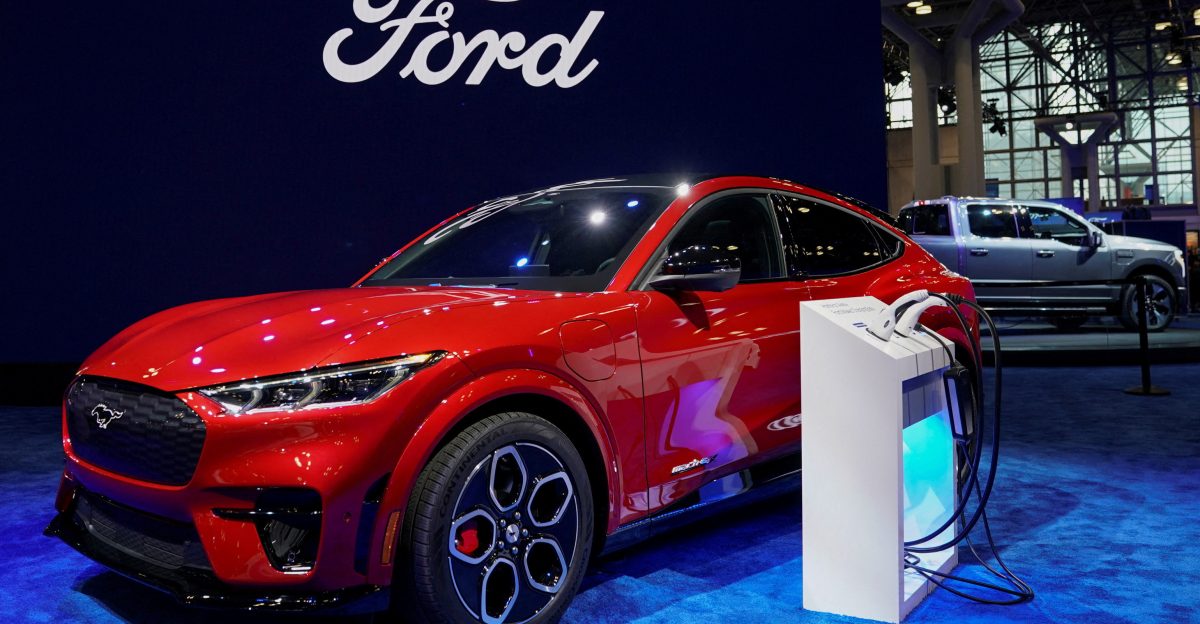
If Ford’s asset-light approach spreads, the casualties extend far beyond Dearborn. Tier-2 and Tier-3 suppliers, the small shops dependent on single-plant demand, face weakening order books when value shifts from parts to software. Local supplier ecosystems hollow out. More legacy automakers may follow Ford’s model, monetizing plants and platforms through licensing or contract manufacturing. One company renting space becomes an industry normalizing retreat. The jobs at risk are not on the assembly line. They are three towns over, making the parts nobody sees.
A Playbook Years in the Making

This may not be an exception. Asset-light strategies are becoming the new rule for some legacy manufacturers. Geely’s cross-ownership pattern, spanning Volvo, Polestar, and global holdings, is a long-running playbook, not a one-off shock. The precedent Ford could set here tells every automaker that renting capacity to a foreign partner is an acceptable strategic move. Once you see nationality as a marketing wrapper and leverage as contractual, the entire “Buy American” framework collapses into a question nobody wants to answer: when does an “American” automaker that rents space to a Chinese giant become, in practice, no longer American at all?
The Clock No One Published

The escalation path runs on a schedule nobody published. Platform control leads to data control. Data control leads to customer lock-in. Customer lock-in leads to pricing power shifting overseas. Policymakers could push domestic-content rules, forcing companies to restructure contracts and relabel sourcing. But legislation moves slower than licensing deals. Ford’s talks with Geely may face scrutiny of actual contract terms and disclosed partnerships if a formal agreement is signed. The question is whether that scrutiny arrives before the leverage has already left the building permanently.
Your Move as a Buyer
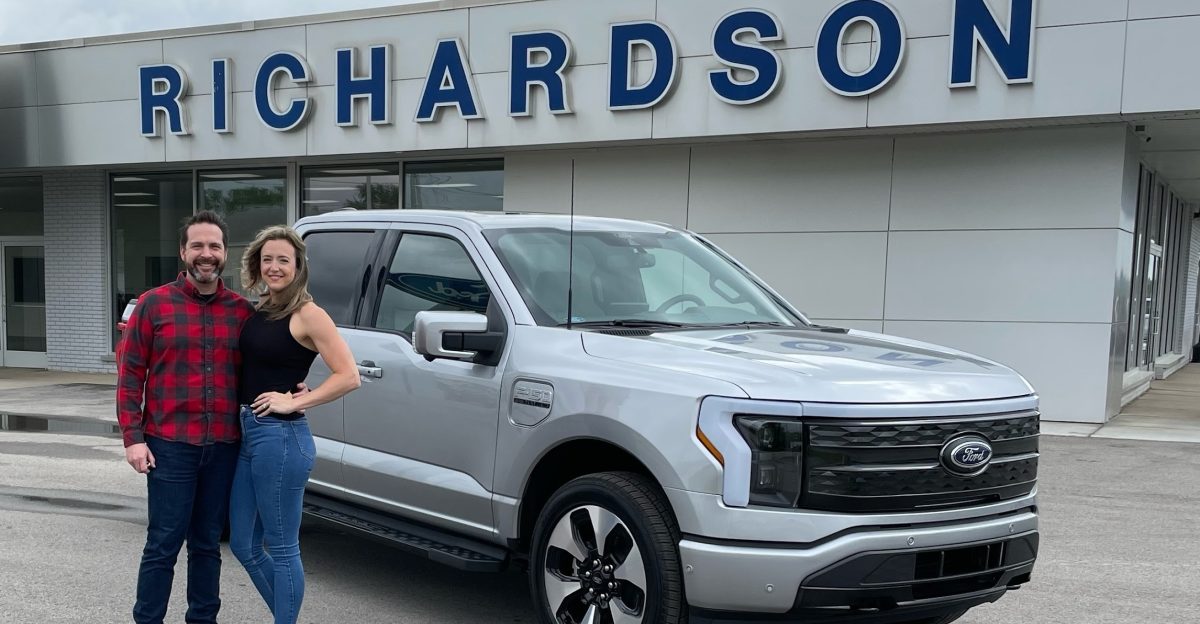
The person who buys a Ford truck because it says “Built Ford Tough” deserves to know whether the platform underneath ultimately answers to Dearborn or to a conference room in Hangzhou. That is the status upgrade this story offers: from brand loyalist to leverage-literate consumer. Flags do not negotiate contracts. Clauses do. And if Ford can edge toward becoming a landlord at a European plant while keeping every American emblem intact, the next company to rent out its future might be the one that signs your paycheck.
Sources:
“Exclusive: Ford and Geely in talks for manufacturing and technology partnership.” Reuters, 3–4 Feb 2026.
“Ford in talks with Geely to share European production capacity.” Yahoo Finance (via Reuters), early Feb 2026.
“Ford eyes Geely partnership.” carsales.com.au, 9 Feb 2026.
“Ford slips to full-year loss in 2025 as costs rise and EV writedowns mount.” Yahoo Finance, 11 Feb 2026.