First Brands Sells $50M Parts Unit Serving Harley—Buyer Gains Leverage in the Pipeline
Somewhere in the supply chain that keeps Harley-Davidson motorcycles on the road, a single parts-manufacturing unit just changed hands. No press conference. No rider notification. First Brands, a branded automotive parts company currently in Chapter 11 bankruptcy, agreed to sell its Walbro division for a reported $50 million, subject to court approval. Most Harley owners will never hear about this deal. They’ll feel it later, though, at the service counter, when the price on a replacement part looks different from what it used to.
The Pipeline
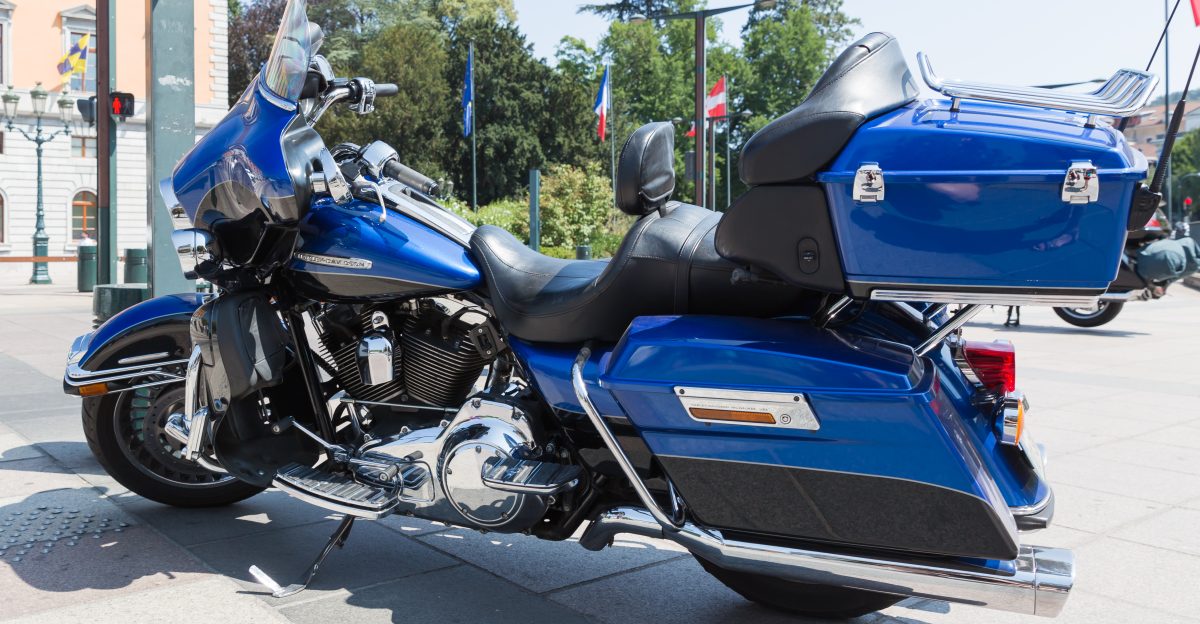
Every Harley-Davidson on the road is a recurring-maintenance machine. Tires, brake pads, gaskets, filters. Riders don’t think about where those parts originate. They think about the badge on the tank. But behind that badge sits a supply chain of manufacturers whose names never appear on a T-shirt. First Brands operated inside that chain, with its Walbro division producing small-engine fuel systems, carburetors, and ignition components for multiple OEM customers, including Harley-Davidson, Arctic Cat, Husqvarna, Mercury Marine, and Deere. Ownership of that pipeline has always been invisible to the people who depend on it most, and $50 million just reshuffled it.
Brand Myth
The assumption most riders carry is simple: Harley controls Harley. The company builds the bikes, stamps the logo, and sets the price. If something breaks, the brand handles it. That belief is comfortable and mostly wrong. Harley-Davidson’s own investor disclosures highlight supply-chain dependencies and risk factors associated with external suppliers. The brand doesn’t make every part. It sources them. And when a supplier changes ownership, the brand’s control over costs, availability, and lead times becomes weaker. That’s the crack in the mythology.
The Price Tag
Fifty million dollars. For a parts unit. Not the motorcycle, the dealership network, or the brand itself. One manufacturing division that supplies components to multiple powersports and industrial ecosystems, including Harley-Davidson. That valuation tells you everything about where real leverage sits. Parts makers in durable-goods ecosystems generate recurring demand by definition: machines break, machines wear, machines need service. Whoever owns that bottleneck owns a toll booth on every repair. First Brands just handed Overdrive Capital, an affiliate of Canada-based Active Dynamics Group, the keys to it.
Bottleneck Economics
Think of it like selling the only locksmith in your neighborhood. The locks don’t change. The doors don’t change. But the person setting the price for every new key just did. Supplier ownership functions as a control point in durable-goods ecosystems because demand is baked in. Riders can’t skip maintenance. Dealers can’t skip inventory. The buyer of this unit now makes integration decisions on pricing, production, and customer terms. None of those decisions requires Harley’s permission, and all of them reach the service counter eventually.
Dealer Math
The downstream math is blunt. If the new owner resets margins even slightly, dealers absorb the first hit. Parts pricing flows straight into labor quotes, warranty estimates, and shelf costs. Riders see it next: higher repair bills, longer waits if inventory tightens. Harley-Davidson’s investor materials flag exactly these supply-chain dependencies as business risks. Price-sensitive riders and small independent dealers sit at the end of that chain with the least negotiating power and the most exposure to cost shifts nobody warned them about.
Ripple Effect
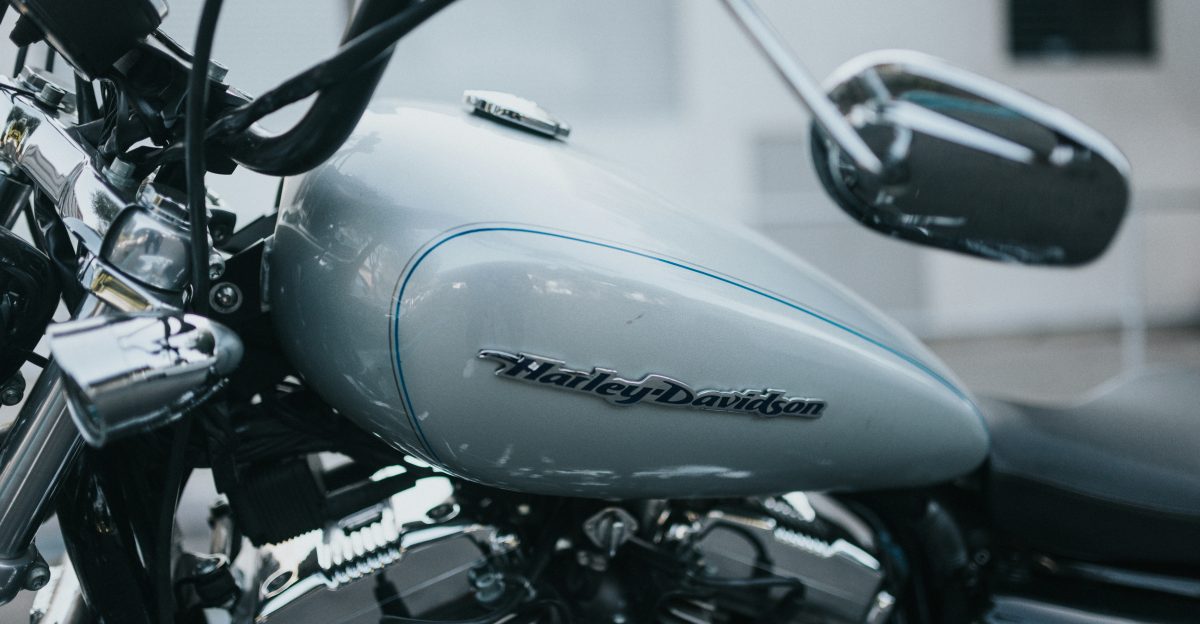
This deal doesn’t stay inside Harley’s ecosystem. A $50 million transaction for a single parts unit creates a comparable valuation for every similar supplier in the aftermarket. Other parts makers now have a price anchor. Other acquirers now have a playbook. The industry ripple is consolidation logic: fewer independent suppliers, more pricing power concentrated in fewer hands. For dealers and riders across the powersports world, the pattern points one direction. Fewer choices at the parts counter, and less leverage to push back on what gets charged.
New Rule
This sale establishes something bigger than a single transaction. Parts makers are being treated as strategic assets, not commodity vendors. That distinction matters enormously. A commodity vendor gets squeezed on price. A strategic asset gets acquired for leverage. Once the market prices parts units as bottleneck plays rather than interchangeable suppliers, every OEM-dependent manufacturer becomes an acquisition target. The motorcycle brand is also a parts subscription machine. Once you see that, you cannot unsee how much power sits outside the logo.
Tightening Window
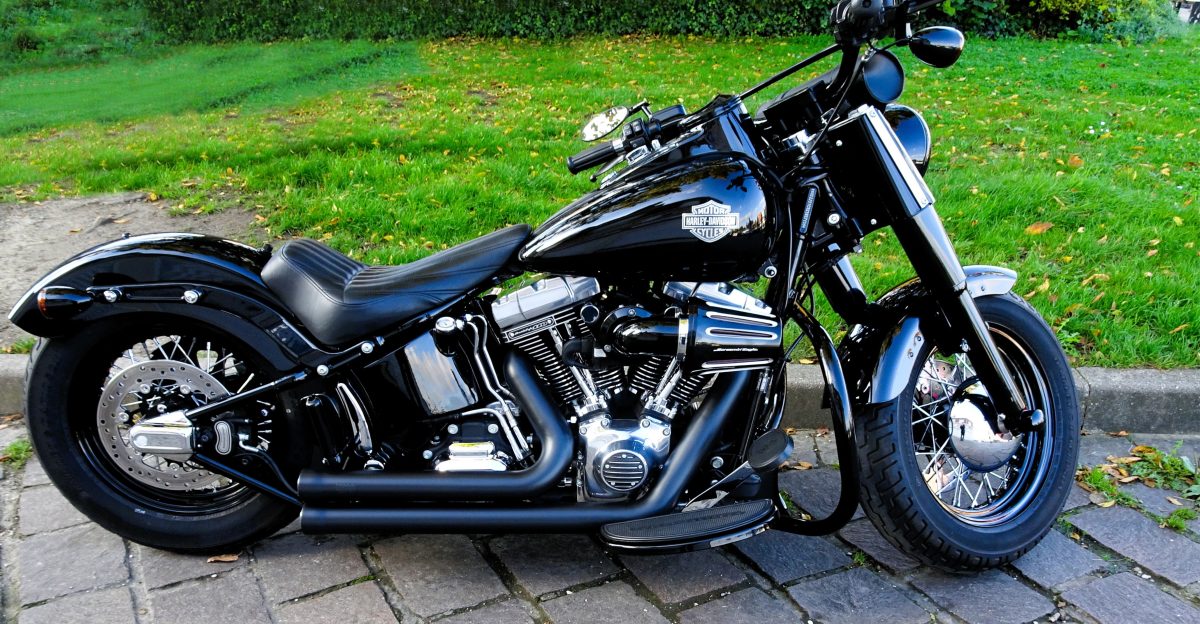
The consolidation path runs in one direction: fewer suppliers, more pricing power, less competition. Small dealers and price-sensitive riders stand to lose the most if repair costs climb. Months from now, a longer lead time on a brake component or a quiet price bump on a gasket won’t make headlines. It will just show up on an invoice. The buyer, Overdrive Capital, is an affiliate of Active Dynamics Group, a Canada-headquartered OEM supplier. What strategic direction they take with Walbro’s product lines will shape repair costs across multiple industries, not just motorcycles.
Counter Move
Harley-Davidson could diversify its suppliers or renegotiate terms to reduce its dependence on any single parts maker. That’s the textbook counter move. Whether the company actually executes it before riders feel the squeeze is a different question entirely. The person who walks into a dealership next year and gets quoted a higher price for routine service won’t know that a $50 million deal caused it. But now you do. The real power in motorcycles was never the engine. It was the parts list.
Sources:
Bloomberg, “First Brands to Sell Unit Making Harley Parts for $50 Million,” March 10, 2026
Reuters, “Active Dynamics buys First Brands’ Walbro business for $50 million,” March 10, 2026
Harley-Davidson Investor Relations, SEC filings (10-K annual reports), ongoing
First Brands Group, company and bankruptcy filings, ongoing
Reuters, “First Brands nears bankruptcy settlement, tees up business unit sales,” February 27, 2026
Law360, “First Brands Seeks Quick $50M Sale Of Walbro Biz In Ch. 11,” March 10, 2026