74% of New Solar Installs Now Need $7K Batteries as Net Metering Collapses—EV Charging Suddenly More Costly
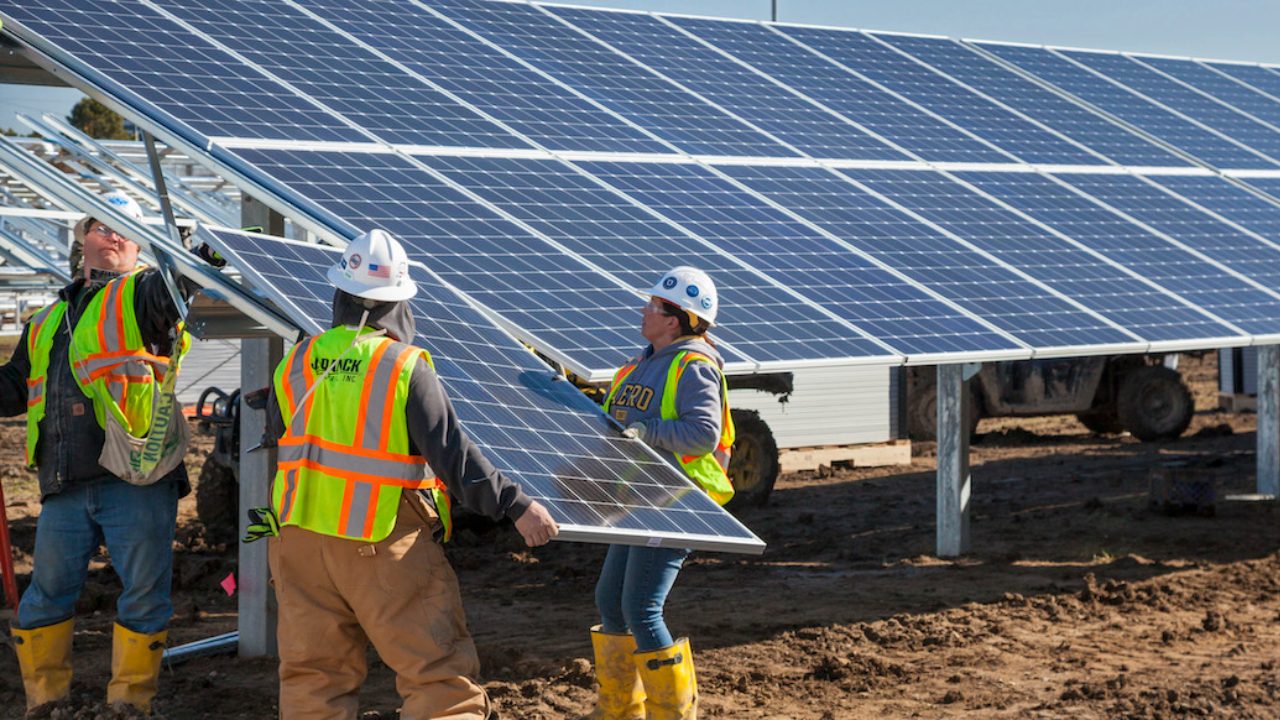
Homeowners across the United States are discovering that sending excess solar power back to the grid now yields far less financial return than it did a decade ago. Changes to net metering policies, exemplified by California’s NEM 3.0, have slashed export rates, making the traditional “sell your surplus” model far less attractive. As one Electrek commentator noted, “Another reason is that batteries function as energy arbitrage devices…”, highlighting the shifting economics. This regulatory shift is prompting a fundamental rethink of how residential solar is valued and used.
Batteries Become the Profit Center
Instead of exporting solar energy, many homeowners now choose to store it in batteries for later use. By charging batteries when solar generation is abundant, or when grid power is cheap during off-peak hours, and discharging during expensive peak-demand periods, households can avoid high utility rates. This practice, known as energy arbitrage, turns a home battery into a profit generating asset rather than merely a backup. The ability to capture solar power that would otherwise be wasted is becoming the primary driver behind new residential storage installations.
Energy Arbitrage Drives Adoption
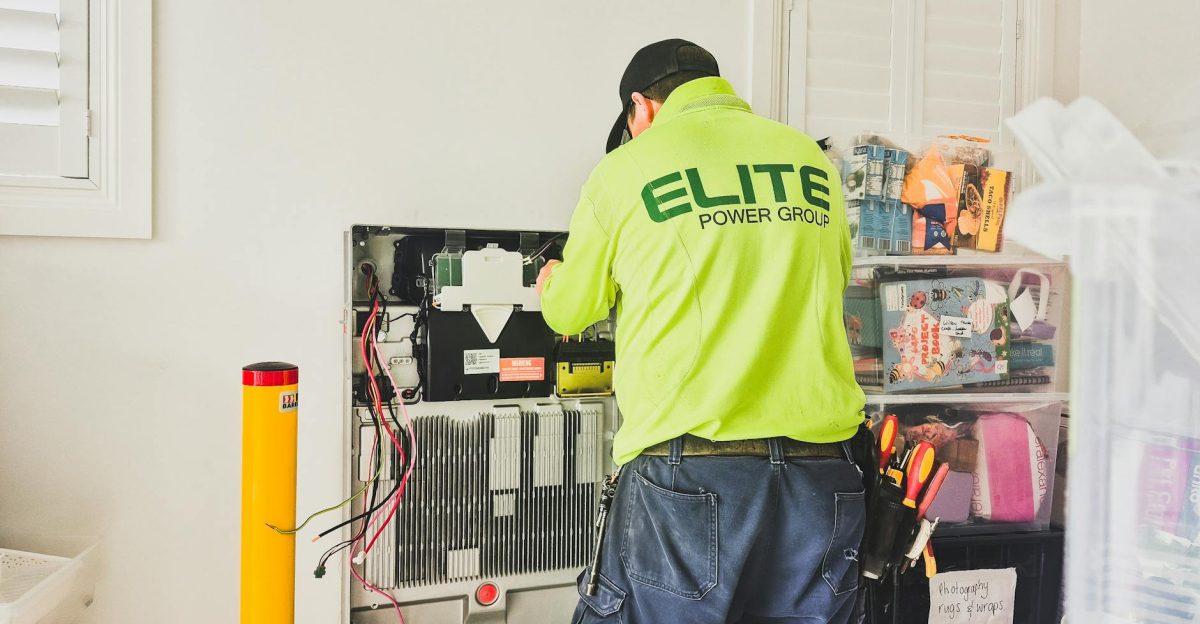
The financial logic behind home batteries is strengthening as electricity prices continue to rise nationwide. When a battery discharges during peak hours, it offsets the need to purchase costly grid power, directly lowering monthly bills. Moreover, by reducing reliance on peaker plants, which are often the most expensive and polluting sources of electricity, widespread battery adoption can yield broader grid benefits. This dual advantage of personal savings and systemic efficiency is accelerating market growth for residential storage solutions.
California Leads the Shift
California, the nation’s largest solar market, has been at the forefront of this transformation. Under NEM 3.0, the compensation for exported solar generation dropped significantly, prompting many solar owners to add batteries to retain self consumed power. Many homeowners are now choosing to pair solar with storage following the rule change. California’s experience is now being watched closely by other states considering similar net metering revisions, as it provides a real world test of how policy changes influence consumer behavior.
Whole-Home Energy Systems Emerge
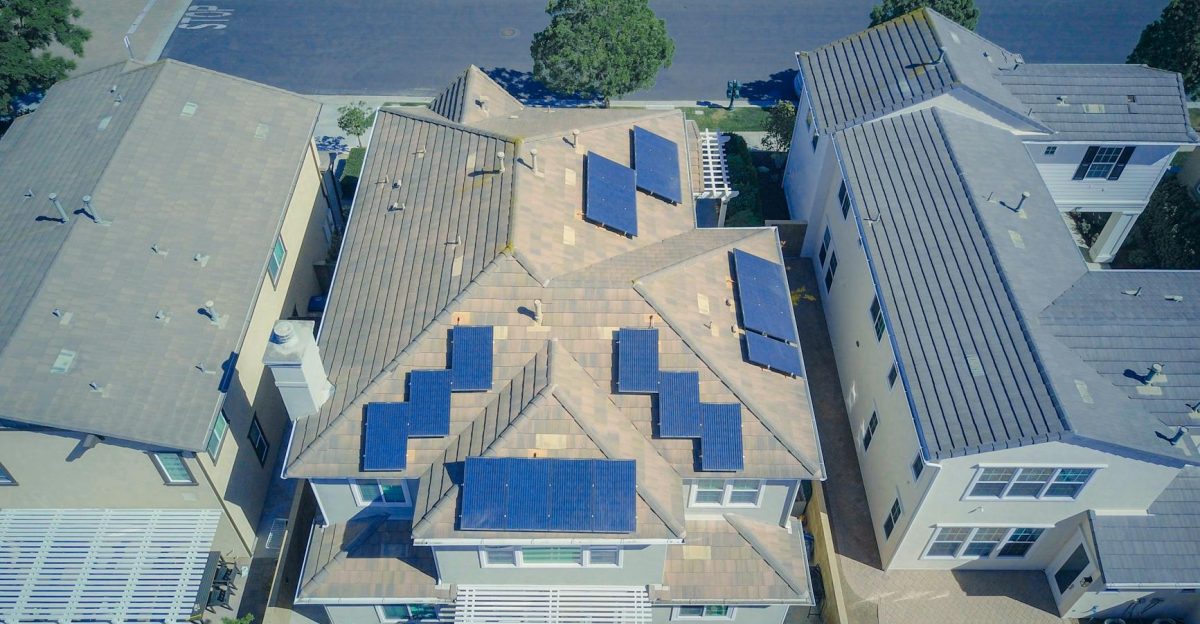
Forward thinking home energy designs are expanding beyond panels and batteries to include smart meters, intelligent electrical panels, and even the electric vehicle parked in the driveway. These components can be coordinated to function as a unified whole home power plant, optimizing when to store, use, or export electricity based on real time pricing and grid conditions. Such integrated systems aim to maximize self consumption of renewable energy while providing backup resilience during outages.
Electric Vehicles Join the Power Plant

Treating an EV as part of the home energy ecosystem unlocks additional value through vehicle to home capabilities. When plugged into a compatible bidirectional charger, an EV’s battery can supply power to the house during peak periods or outages, then recharge later when electricity is cheaper or solar generation is high. This approach effectively expands the home’s storage capacity without requiring a separate stationary battery, making the overall system more cost effective and flexible for owners of electric vehicles.
Industry Leaders Call for Simplified Integration

Despite the technical readiness of these technologies, industry experts warn that a user friendly method to combine them is still lacking. Tracy Price, founder and retired CEO of Qmerit, emphasized that while the technical and policy foundations for whole home electrification are established, creating simple, user friendly integration methods remains a critical industry need. Her comment underscores the need for plug and play solutions that reduce complexity for consumers.
Tesla, GM, Rivian Offer Bundled Solutions
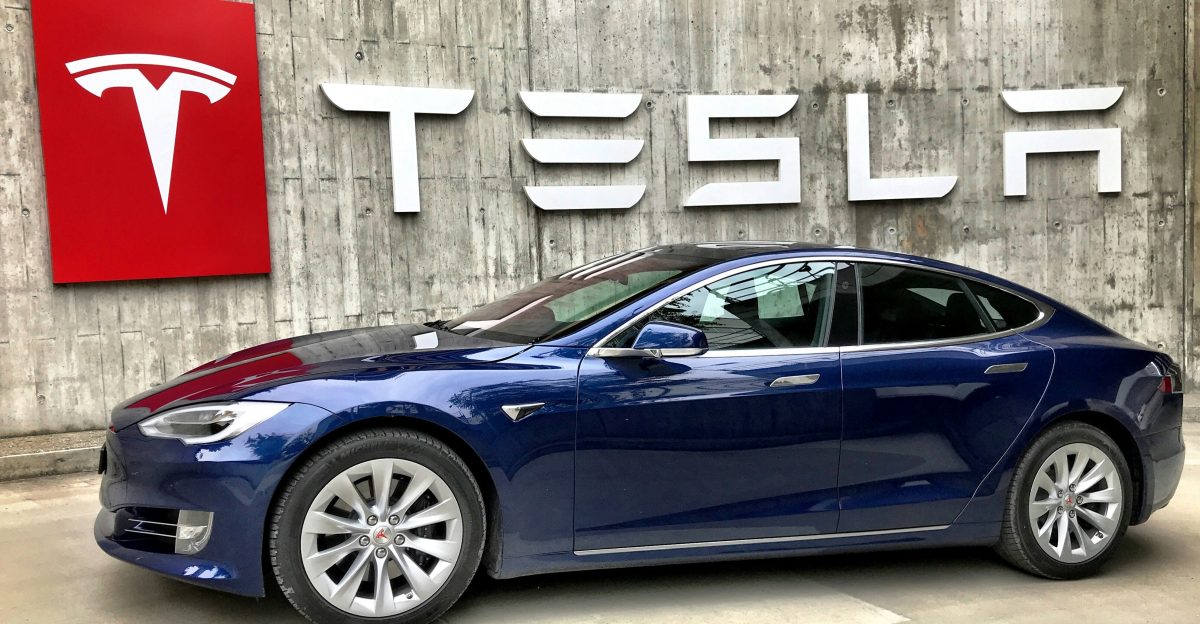
Several manufacturers are creating bundled ecosystems, for example combining Tesla’s Powerwall with the Cybertruck, GM Energy’s vehicle to home bundle, or initiatives from Rivian and Nissan, to coordinate solar panels, home batteries, smart hardware, and EVs under a single management interface. These systems behave less like isolated components and more like a miniature grid, automatically deciding the optimal flow of electricity to maximize savings and resilience.
Financial Incentives Improve Payback
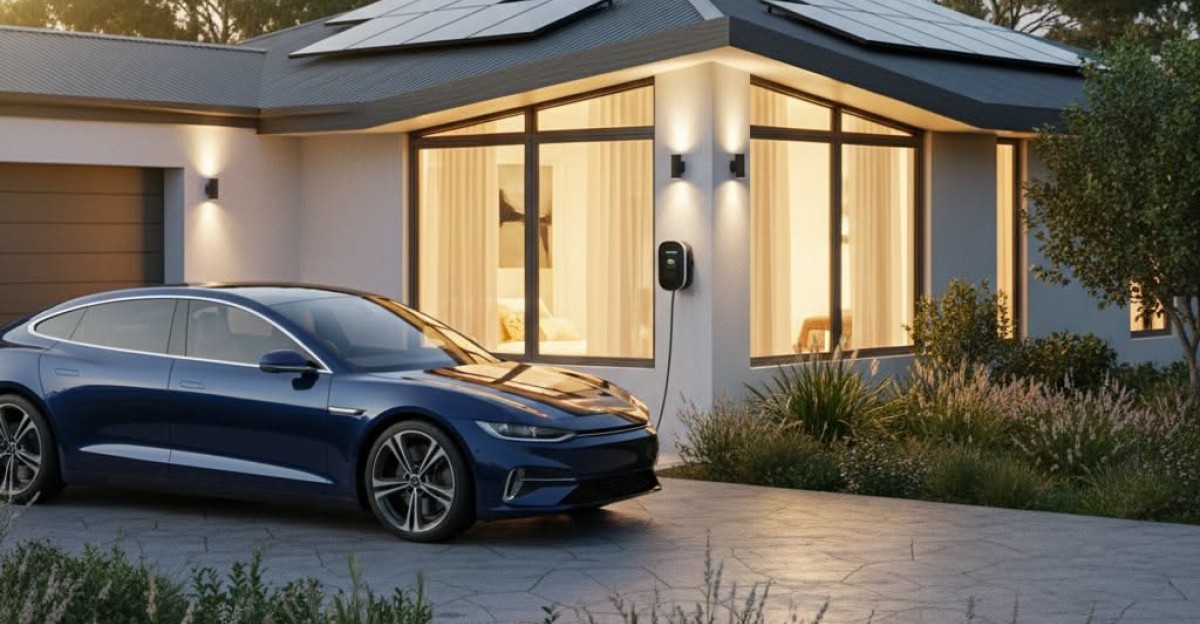
The economics of adding storage are further bolstered by steep declines in battery prices. According to an Ember analysis, global battery costs fell 40 percent in 2024 alone, helping drive down the price of solar plus storage systems by 22 percent. Kostantsa Rangelova, global electricity analyst at Ember, pointed to declining battery costs as making continuous solar power increasingly economically viable worldwide. These lower upfront costs shorten the payback period for residential storage, making the investment accessible to a broader range of homeowners.
Future Outlook
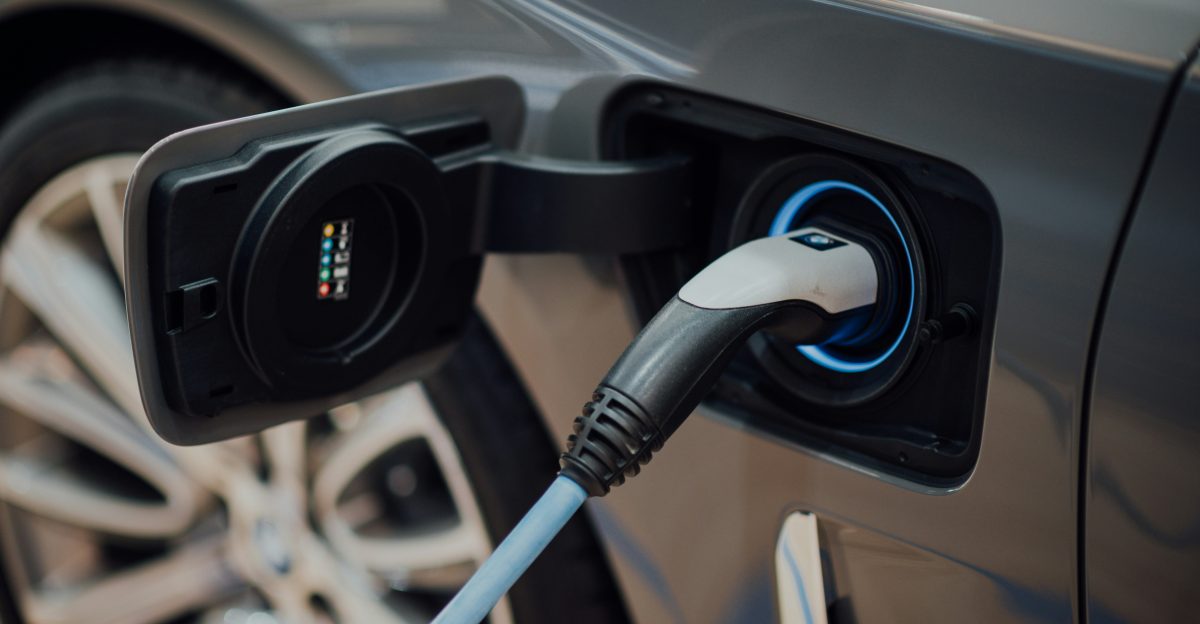
As more homes adopt solar plus storage plus EV configurations, the collective impact could reshape grid operations. Distributed energy resources that can shift load away from peak periods reduce the need for costly infrastructure upgrades and help balance supply and demand in real time. While challenges remain in standardizing communication and creating compelling user experiences, the technical foundation for a resilient, renewables rich residential sector is now in place, pointing toward a future where every home contributes to a cleaner, more stable power grid.
Sources:
“Global Electricity Review 2024.” Ember, January 2025.
“Decision Revising Net Energy Metering Tariffs (Decision 22-12-055).” California Public Utilities Commission, December 2022.
“U.S. Solar Market Insight 2024 Year-in-Review.” Solar Energy Industries Association, March 2025.
“Tracy K. Price to Retire as Qmerit CEO.” Qmerit, April 8, 2024.
“Electric Power Monthly.” U.S. Energy Information Administration, February 2026.