Madison County Wins Federal Grant For Speed Humps While Enforcing 16-Year Ban On Same Devices
Molly Cook saw the headlights and pulled. Her kids were in the wagon, she was in the road, and the sidewalk was blocked. “There was a car coming, I’m trying to [quickly] get the wagon up off the road… it’s terrifying.” A Meridianville mother was dragging her children out of a vehicle’s path because the infrastructure failed before the car ever showed up. The device designed to prevent exactly that moment has been illegal in Madison County for 16 years.
Sixteen Years
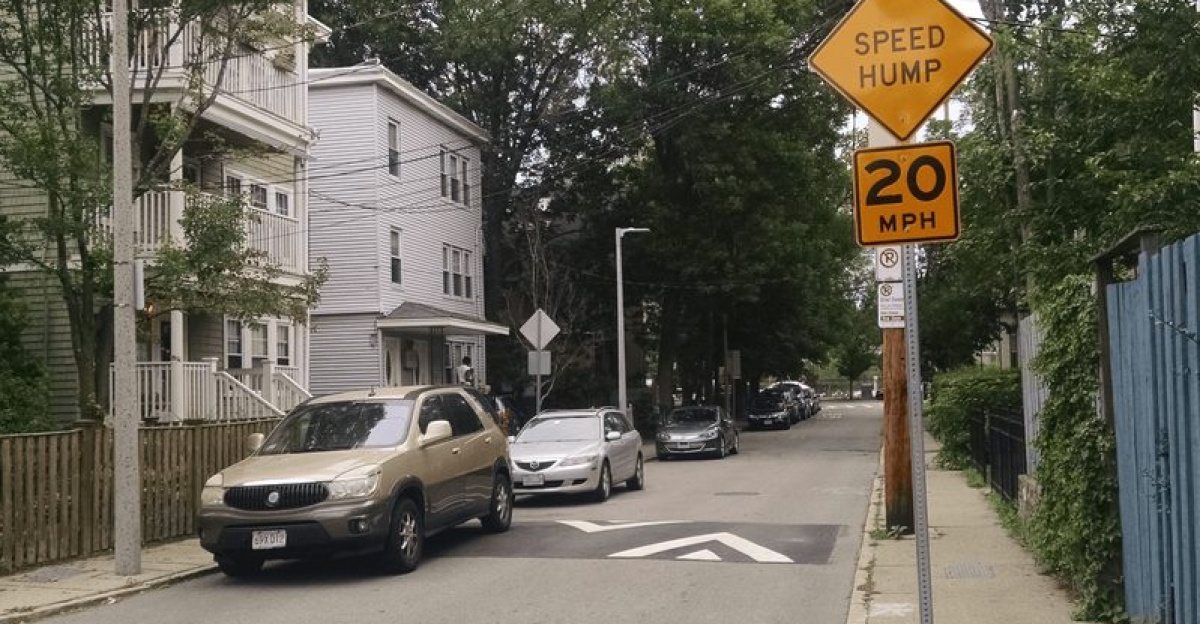
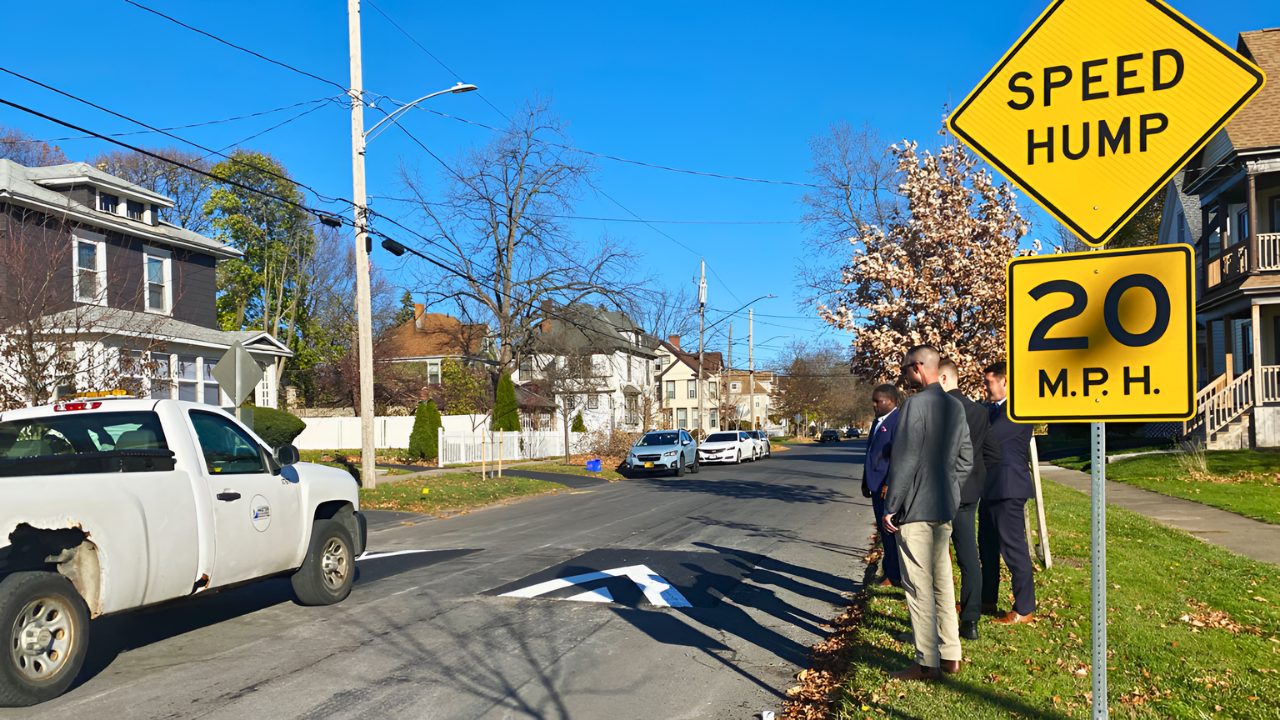
Madison County banned residential speed humps roughly 16 years ago and never looked back. For 16 years, residents have asked for the same traffic calming that peer-reviewed research links to a 24.45% reduction in pedestrian crashes and a 51.14% drop in total collisions. Neighbors express fear about letting children play outside. Speeding traffic treats residential streets like throughways, and the county’s answer has been: no humps, no exceptions. That blanket prohibition held through a national pedestrian death crisis that killed 7,148 people in 2024 alone.
The Myth
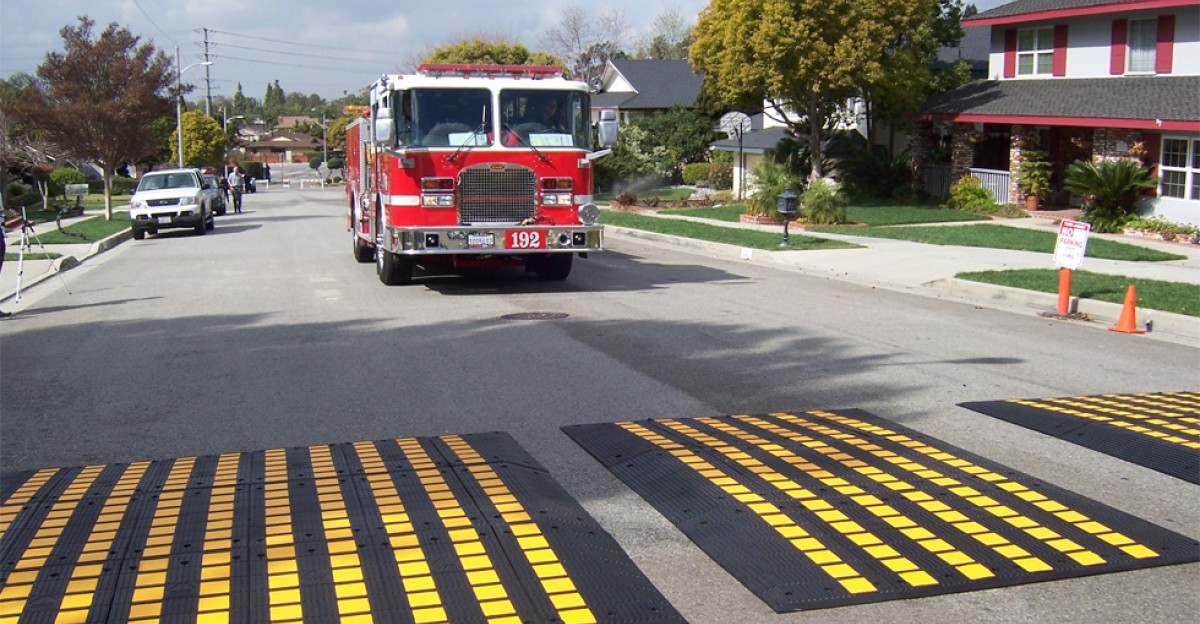
The standard justification sounds reasonable: fire trucks lose 3 to 5 seconds per hump, ambulances carrying patients lose up to 10. North County Fire Protection District in Missouri sued Riverview over speed humps in November 2025, arguing the devices “delay first responders access and response time to an emergency situation.” That framing treats every second of emergency response as sacred. Nobody applies the same math to parked cars, congestion, or narrow streets, all of which cause greater delays. Fire codes require 20-foot street widths for fire apparatus access roads. No code requires fire departments to account for pedestrian deaths their opposition helps sustain.
The Contradiction
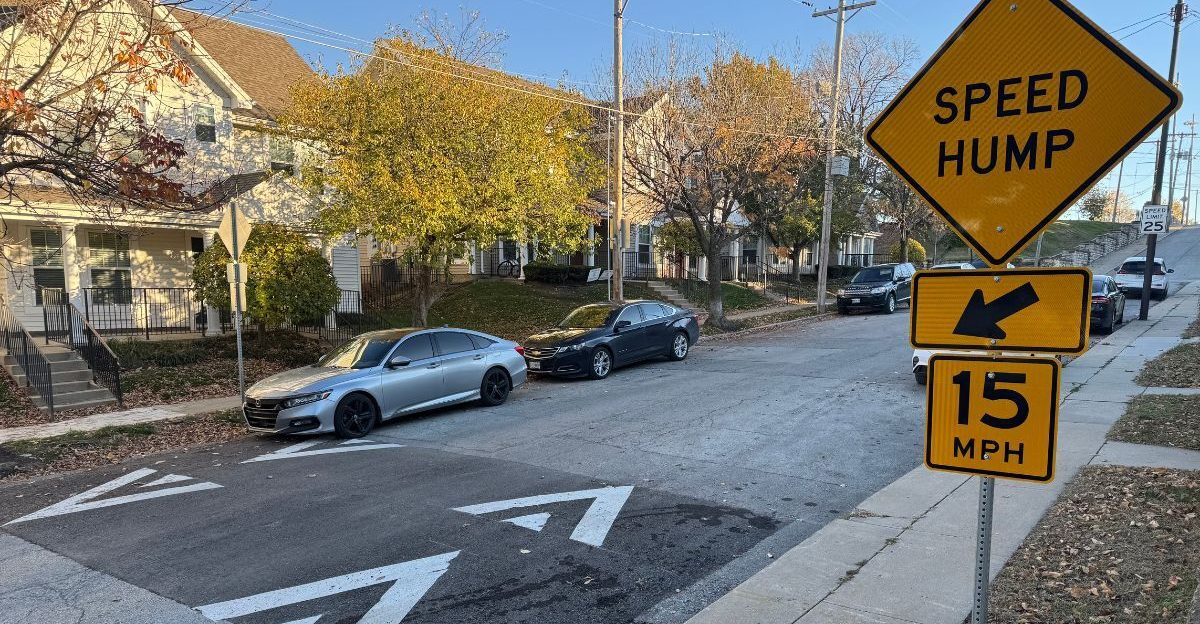
Madison County was selected for a federal SS4A award to develop speed humps and traffic calming infrastructure. The same county. The same devices. Banned for 16 years on residential streets, now backed by federal safety dollars earmarked for installation. That is not a policy disagreement. That is an institution arguing with itself on paper, funded by Washington to build what it forbids its own residents from requesting. Sixteen years of prohibition. One federal award. Zero reconciliation between the two.
The Hidden Veto
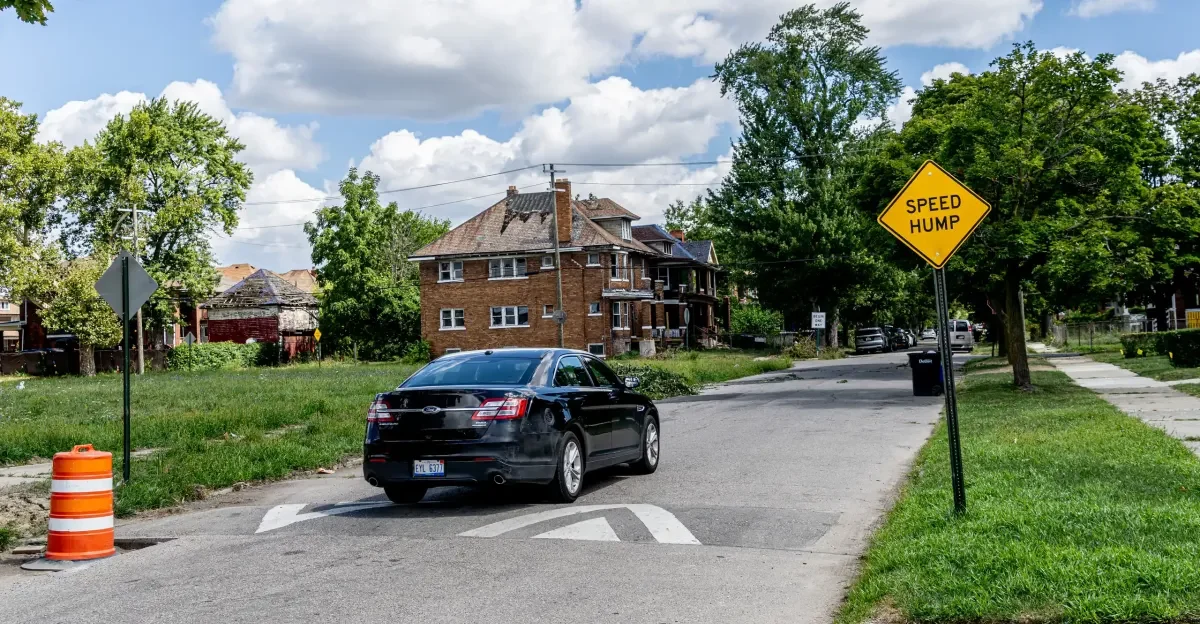
The system works like this: fire departments hold statutory authority over street design through the International Fire Code and NFPA standards. That authority lets them block traffic calming before a single hump gets poured. Pedestrian safety has no equivalent code. No federal mandate requires local governments to reduce speeding deaths the way fire codes require emergency vehicle access. So the institution with the smallest measurable loss, 3 to 10 seconds per hump, overrides the institution tracking 7,148 annual deaths. The veto is structural, not rational.
The Numbers
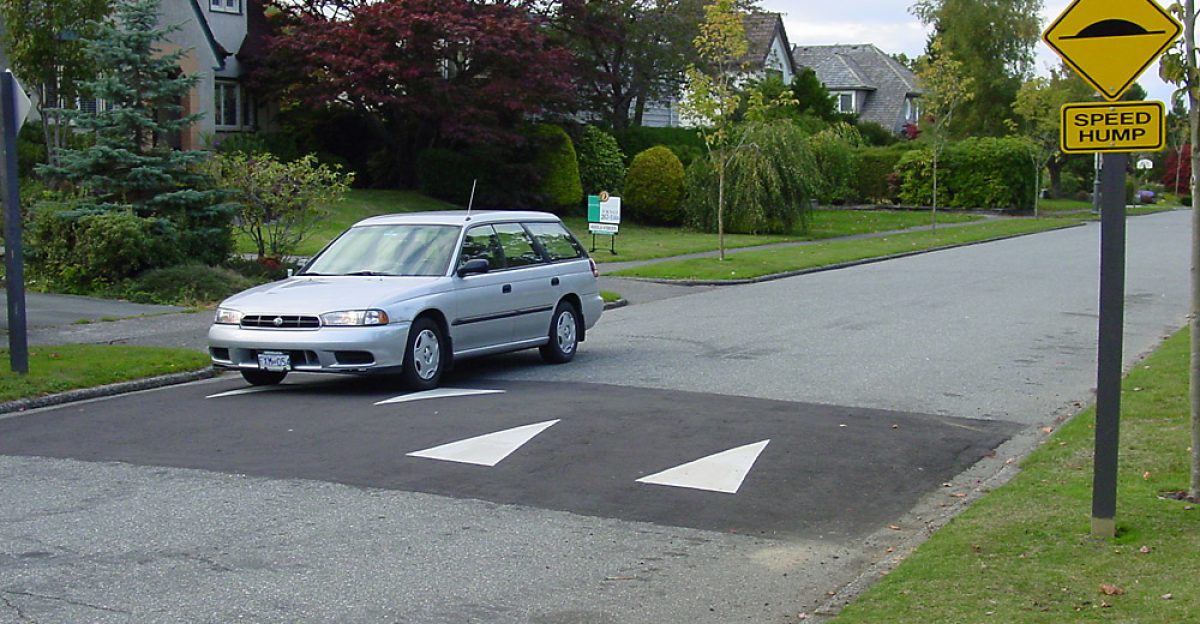
Federal Highway Administration traffic calming data shows speed humps significantly reduce vehicle speeds on residential streets. In series, humps hold drivers to 10 to 15 mph at the hump and 25 to 30 mph between them. SUVs and pickups now account for 54% of pedestrian fatalities, compared to 37% for passenger cars. Heavier, faster vehicles on residential streets with zero calming infrastructure. Detroit grasped this math years ago: nearly 11,000 humps installed since 2018, with over 20,000 resident requests still waiting.
The Ripple
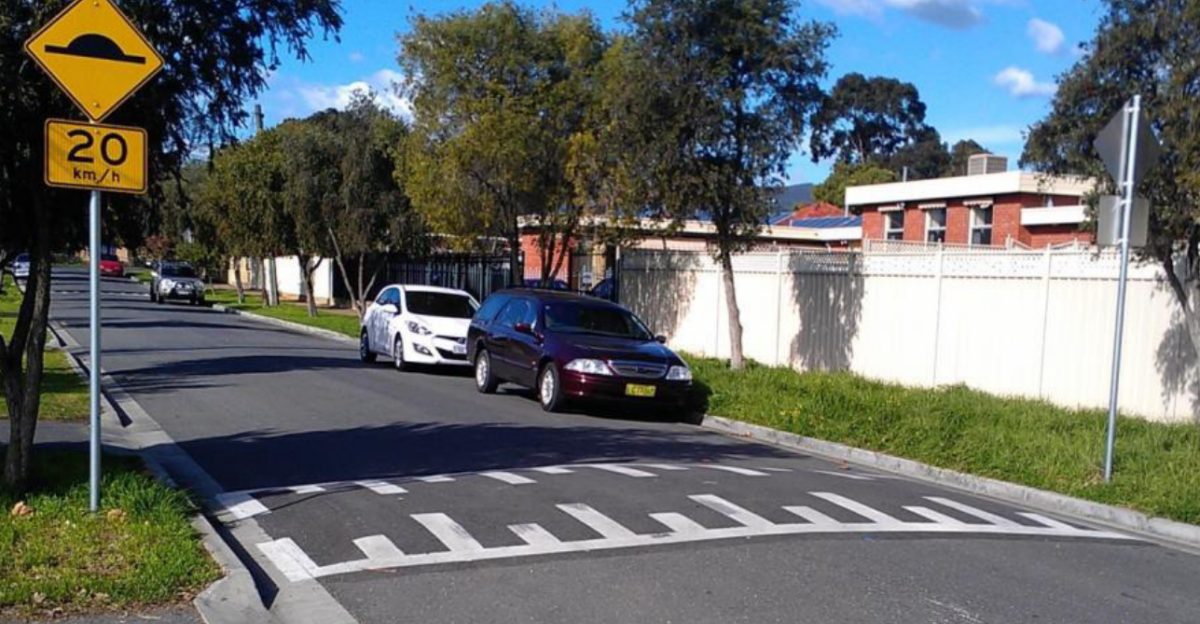
If Madison County’s ban falls under resident pressure and federal accountability, neighboring counties with similar prohibitions face the same question overnight. The SS4A award creates a fiscal trap: reject the funding, and the county publicly walks away from safety dollars during a pedestrian death crisis. Accept it, and the 16-year ban collapses on contact. Fire departments nationwide already face eroding credibility as the 3-to-10-second argument meets data showing 24 to 51% crash reductions. The trade-off only survives if nobody does the comparison.
The New Rule
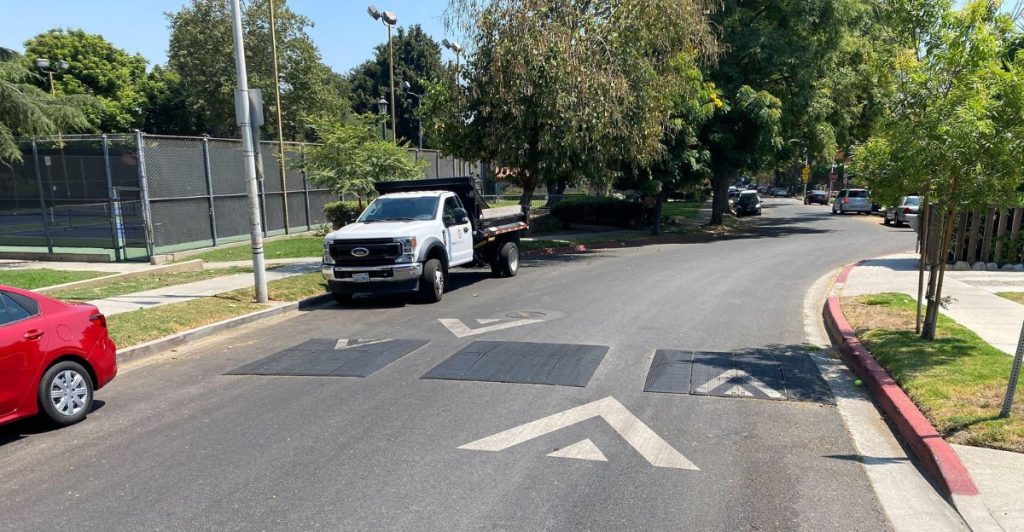
This is not a local zoning dispute. Pedestrian fatalities hit a 40-year high in 2022, and the 2024 count of 7,148 remains 20% above 2016 levels despite a 4.3% year-over-year decline. Madison County’s ban predates the entire national shift toward infrastructure-based safety. Once you see the pattern, every similar ban looks the same: emergency response arguments protecting seconds while pedestrian body counts climb by thousands. The precedent Madison County sets, either direction, becomes the template for every county commission still hiding behind a fire code.
The Clock
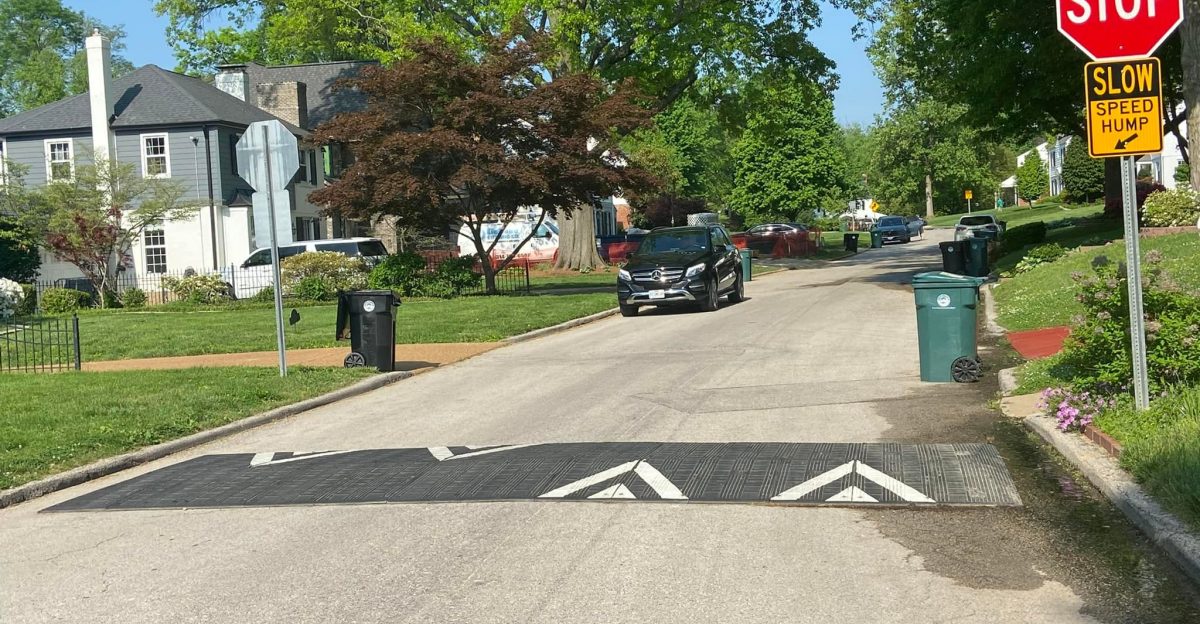
Meridianville residents have launched a formal petition and taken their case to local television. The commission now faces a public timeline: a federal award sitting unused, media coverage mounting, and a mother’s account of dragging her children out of traffic playing on loop. Fire departments will likely push speed cushion configurations that allow emergency pass-through as a compromise, splitting the difference between full humps and the status quo. That buys political cover. Whether it buys safety is a different calculation entirely.
The Upgrade
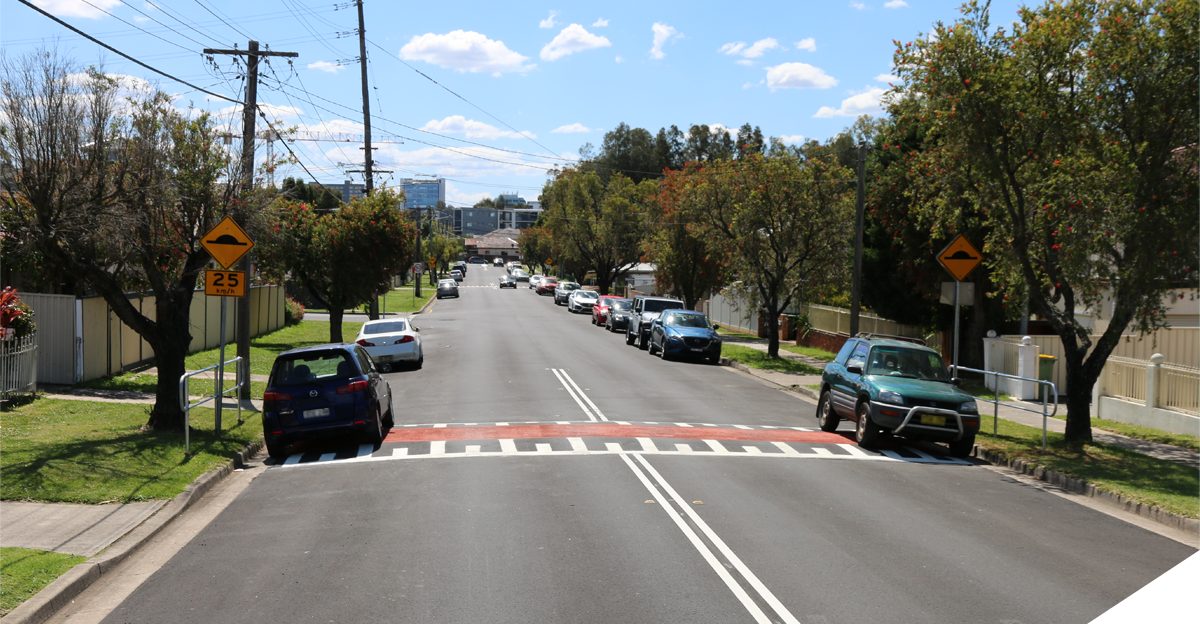
Hundreds of local governments have installed traffic calming programs with few liability issues, according to Army traffic engineering guidance. The legal risk of humps is minimal. The political risk of inaction grows every time a parent steps into a road with a wagon. Most people still believe fire departments oppose speed humps because the safety math demands it. The math demands the opposite. Knowing that puts you ahead of every county commissioner still reciting the 3-second talking point while 7,148 families bury someone each year.
Sources:
“Madison County Neighborhood Challenges 16-Year Ban on Speed Humps.” WAFF 48 News, 9 Mar. 2026.
“2025 SS4A Awards.” U.S. Department of Transportation, 22 Dec. 2025.
“Pedestrian Traffic Fatalities by State: 2024 Preliminary Data.” Governors Highway Safety Association, 10 Jul. 2025.
Benchaabane, Nassim. “Riverview Speed Bumps, Street Closures Delayed First Responders, Firefighters’ Lawsuit Says.” St. Louis Post-Dispatch, 29 Nov. 2025.