40-Truck Texas Fleet Collapses To One—20-Year Hauler Now Owes 49 Creditors
Serna’s Trucking hauled construction materials across Texas for 20 years, built a fleet the company claimed totaled 40 trucks, and on March 3, 2026, filed for Chapter 11 bankruptcy in the Western District of Texas. Assets: $500,001 to $1 million. Liabilities: $1 million to $10 million. Creditors: approximately 49. Federal FMCSA records show just one active power unit and one driver. On paper, a 40-truck carrier. In the official operating records, a one-truck operation. Texas spent a nation-leading $50.33 billion on construction in 2025. That number matters later.
The Squeeze Machine
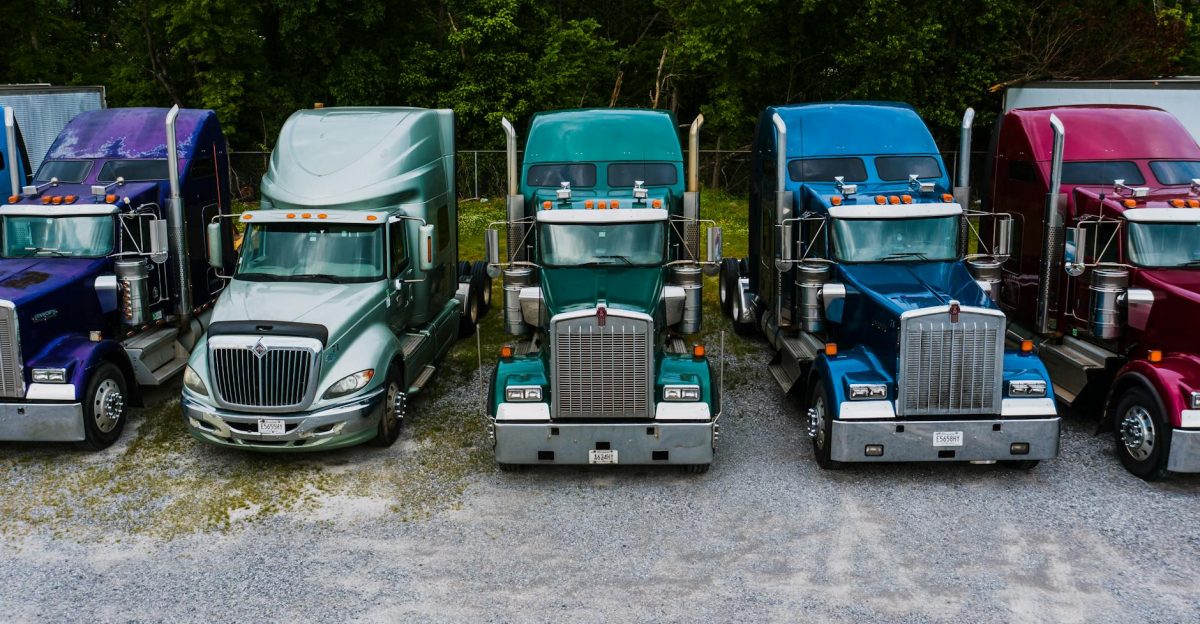
The freight recession started in 2023 and never let up. Rates collapsed while every fixed cost climbed. Truck and trailer payments rose 52.3% since 2019. Insurance hit a record $10.2 per mile in 2024, with costs up 52.3% since 2019. Tariffs added an estimated $10,000 to $50,000 per replacement truck. Small carriers with 10 to 70 trucks absorbed all of it on shrinking revenue. Claudia Serna founded her company in 2006 with a single truck. Two decades later, the math no longer worked. The costs alone would have been enough. They weren’t the only problem.
Your Grocery Run
Construction materials need trucks. When carriers vanish mid-contract, shippers scramble for replacement capacity at premiums estimated at around 10 to 20 percent. That cost doesn’t stay in the supply chain. It lands on project bids, timelines, and final prices. Austin construction jobs dropped 5% in the third quarter of 2025, the sharpest single-quarter dip some regions had seen since the 2008 recession. Fewer workers on site means fewer loads moving. Fewer loads mean fewer carriers surviving. The cycle feeds itself, and the construction season starting now has fewer trucks available to break it.
Big Carriers Adapt
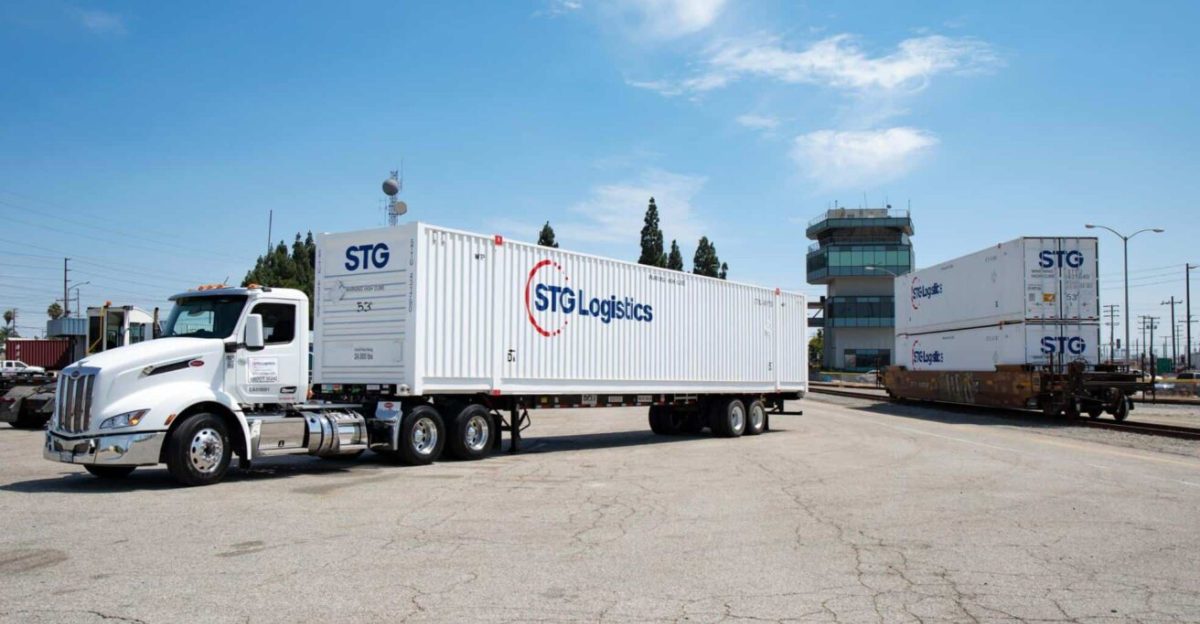
STG Logistics, a major freight company operating more than 60 locations, filed its own Chapter 11 in January 2026 and eliminated 91% of its debt. Big carriers restructure. Small carriers liquidate. That split defines the 2026 freight market. Elite Carriers, Dolce Truckload, Xtreme Quality Logistic, GEC Transport Solutions, VP Direct: all filed in 2025. Freight companies logged 21 bankruptcies in the third quarter of 2025 alone. Class 8 truck orders ran 22% behind 2024’s pace by October. Same mechanism, different scale. The industry is consolidating around whoever has enough capital to outlast the recession.
The Labor Shock

Here is where the cascade crosses into territory nobody expected. ICE conducted 9,100 arrests in South Texas since January 2025, roughly 20% of the statewide total. Construction sites emptied. Materials suppliers watched revenue fall by double digits. Isaac Smith, co-owner of Matt’s Building Materials, said: “Construction can’t continue.” Fewer workers mean fewer projects. Fewer projects means fewer materials moving. Fewer materials moving means truckers like Serna’s lose the freight that kept them alive. A $50.33 billion construction boom, and the trucks have nothing to haul.
The Hidden Wiring
Pandemic-era demand flooded trucking with new entrants who financed fleets at peak debt levels. Demand normalized. Rates cratered. Insurance markets hardened after nuclear verdicts drove claims costs through the roof. Tariff policy blocked equipment replacement. Then Texas eliminated its HUB minority-business certification program in December 2025, stripping procurement preferences from women- and minority-owned operators. Serna’s Trucking held HUB, WBE, HABE, 8(a), and DBE certifications. All became worthless weeks before the bankruptcy filing. Policy shock. Cost shock. Demand shock. Rate shock. Everyone traces to the same structural squeeze, and the squeeze reaches your driveway next.
Voices From Inside

Ronnie Cavazos, board president of the South Texas Builders Association, didn’t mince words: “Business is down significantly. If we continue on this trajectory, we will see a lot of businesses fail.” That trajectory is already baked in. Serna’s Trucking listed secured claims totaling more than $194,000, secured by trucks, trailers, and receivables. The company must file a reorganization plan by May. Forty-nine creditors, mostly materials suppliers and equipment lessors, are waiting to learn how much they lose. Some of those suppliers serve the same construction sites that just lost their hauler.
New Rules
Subchapter V bankruptcy has become the standard exit ramp for small trucking. Baltimore International Warehousing, VP Direct, and now Serna’s all used it in the span of months. That pattern sets a precedent: the 10-to-70-truck carrier model may no longer be economically viable under current cost and rate structures. Texas construction job losses in some South Texas regions matched the severity not seen since 2008-2009. The HUB program elimination created a template other states could follow, removing minority-business safety nets precisely when operators need them most. The rules changed mid-game.
Winners And Losers
Someone profits from every wave of failures. Large, well-capitalized carriers absorb the freight that small operators can no longer move, then charge premium rates to shippers desperate for stable capacity. Minority- and women-owned logistics firms could lose an estimated 30 to 40 percent of potential procurement revenue as HUB certifications vanish. Regional carriers running 50 to 200 trucks face the same cost pressures without big-carrier economies of scale. They’re next in line. Think about that: the companies positioned between small and large are now the most exposed, and the spring construction season just started.
Still Breaking
The cascade keeps moving. Industry projections suggest 10 to 15 more small and mid-sized carrier bankruptcies through mid-2026, tightening capacity further and pushing spot rates upward. Shippers are diversifying across three to five carrier partners and demanding financial transparency before awarding volume. Tractor builds fell 32% from the first half of 2025 to the second. By 2027, the industry could emerge with 15 to 25 percent fewer carriers, higher rates, and reduced lane coverage. Serna’s Trucking was a 20-year-old company with 49 creditors and one power unit. The next filing is already being drafted somewhere in Texas.
Sources:
“Texas Carrier Serna’s Trucking Files for Chapter 11 Bankruptcy.” FreightWaves, 9 Mar. 2026.
“Texas Removes Women, Minorities From Small Business Program.” The Texas Tribune, 2 Dec. 2025.
“STG Logistics Files for Chapter 11 Bankruptcy.” Trucking Dive, 12 Jan. 2026.
“What Texas’ Surge in 2025 Construction Spending Means for Contractors.” BillDr.ai (citing Statista / U.S. Bureau of Labor Statistics), 2025.