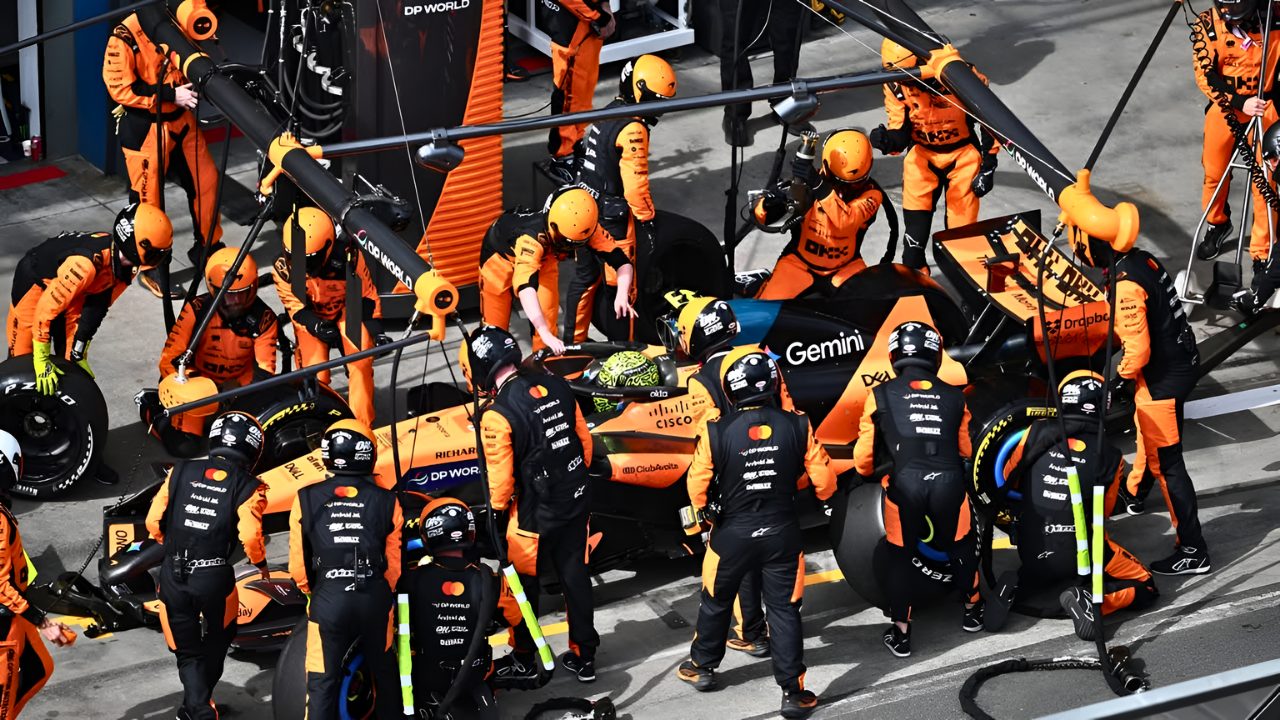
5 F1 Teams Bet Wrong On 2026’s First-Ever Car-And-Engine Reset—Now They’re Stuck For Years
Formula 1 didn’t tweak the rulebook for 2026. It torched it. New chassis regs, active aero wings, deletion of the MGU-H, a near-tripling of electrical power from 120kW to 350kW, 100% sustainable fuel, and total fuel allowance slashed from 110kg to just 70kg per race … all at once.
Every team was rebuilt from scratch. One round in, five teams already look like they were built for the wrong era.
Mercedes Nailed The New Game
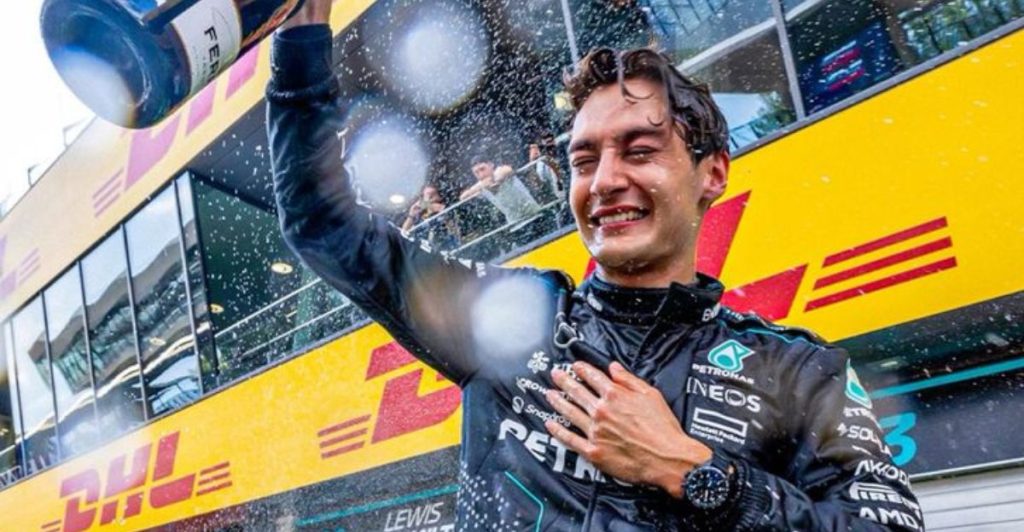
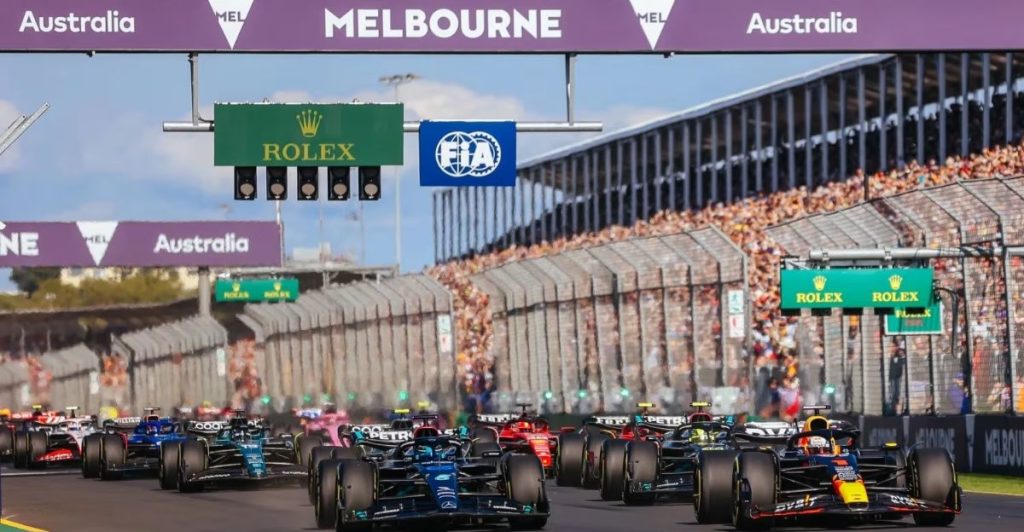
George Russell won the Australian Grand Prix by 2.974 seconds over teammate Kimi Antonelli, a commanding Mercedes 1-2. Energy harvesting and deployment now account for roughly half the car’s total output, and Mercedes has mastered it.
The five teams below haven’t. Their problems range from overweight cars to engines that shake drivers’ hands numb.
1. Cadillac — America’s Team Meets F1 Reality
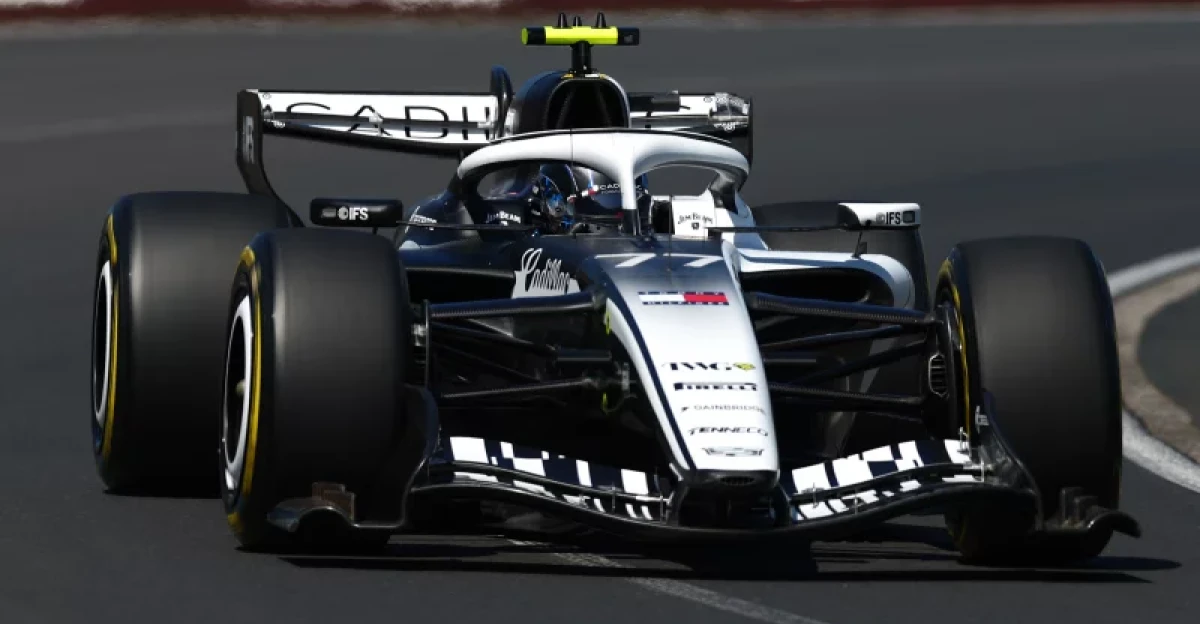
Cadillac’s grand entrance got a reality check in Melbourne. Sergio Perez finished 16th, three laps down, while Valtteri Bottas retired on lap 16, citing a mechanical issue. Their Q1 deficit of 3.897% compares favorably to the three teams that debuted in 2010—Virgin, Lotus, and HRT, but those outfits never closed the gap.
“We’re just losing in all the corner apexes, we can’t carry enough speed,” Bottas said Saturday. That’s a downforce and mechanical grip deficit. Their Ferrari power unit is solid. The car around it isn’t.
2. McLaren — The Champions Who Can’t Use Their Own Engine
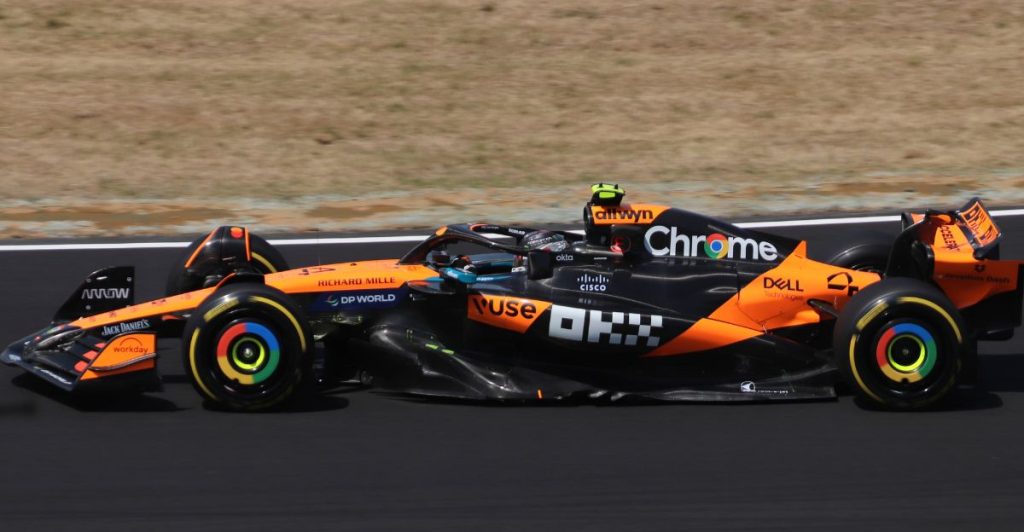
Reigning constructors’ champions McLaren came into 2026 expecting a step back. Nobody expected Lando Norris to finish 51 seconds behind Russell despite carrying the exact same Mercedes power unit.
Team principal Andrea Stella has publicly expressed frustration that the information gap between Mercedes’ works team and its customers is larger than McLaren expected. Same hardware, vastly different understanding of how to use it.
3. Alpine — A Messy Divorce For Nothing
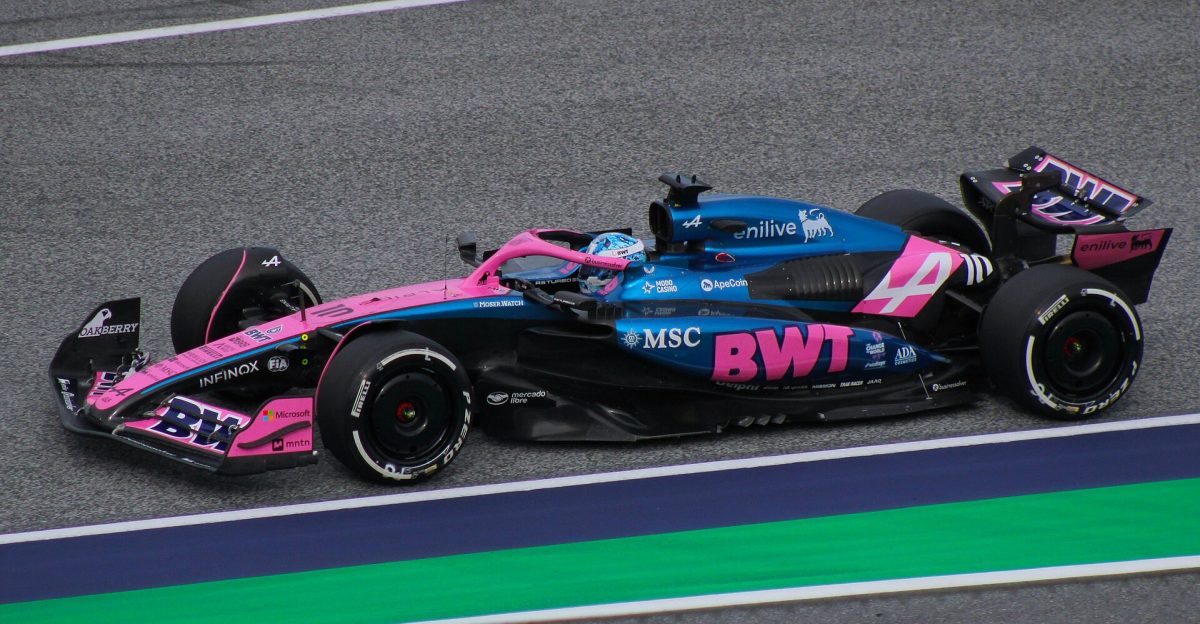
Alpine terminated Renault’s historic Viry-Châtillon engine program, over protests from staff who accused management of betraying the team’s legacy, to become a Mercedes customer for 2026. They wrote off nearly all of 2025 to focus on these regulations. The payoff: Pierre Gasly was eliminated in Q2, well off Russell’s pace with the same engine in the back of his car.
Neither Gasly nor Franco Colapinto reached Q3. One point scored in Melbourne. All that upheaval for a chassis that can’t exploit the power unit they sacrificed everything to get.
4. Williams — Over 20 Kilograms Of Dead Weight And Nowhere To Hide
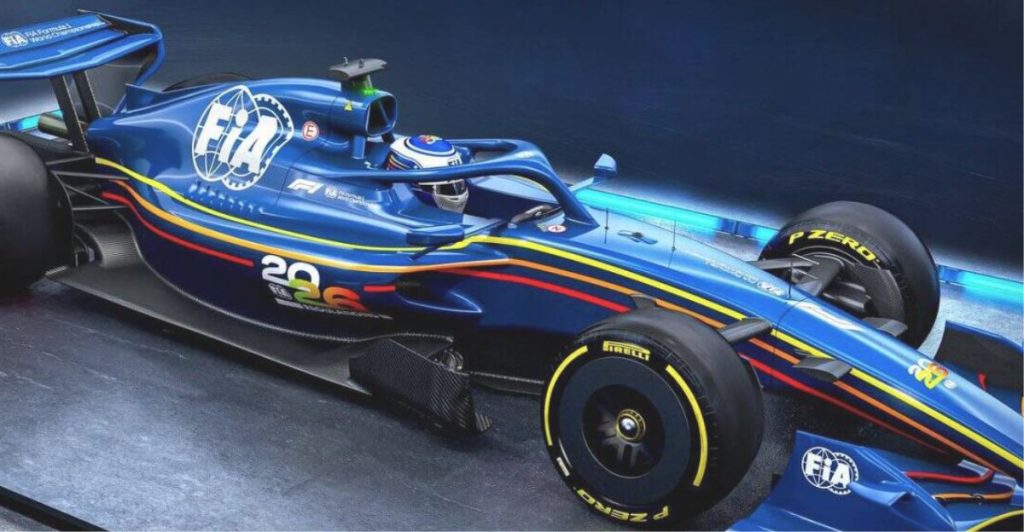
James Vowles spent two years saying Williams was “prioritizing 2026.” When the FW48 arrived, it was more than 20 kilograms above the minimum weight limit. Alex Albon said the team is stuck in “no-man’s land” between midfield and backmarkers. Vowles admits the weight raises the center of gravity, kills apex speed, and wrecks energy harvesting.
He says the engineering solutions are “in my inbox today,” but the cost cap prevents him from executing them all at once. Carlos Sainz suffered reliability issues on Saturday, severely limiting his running.
5. Aston Martin — The Superteam That Can’t Even Race
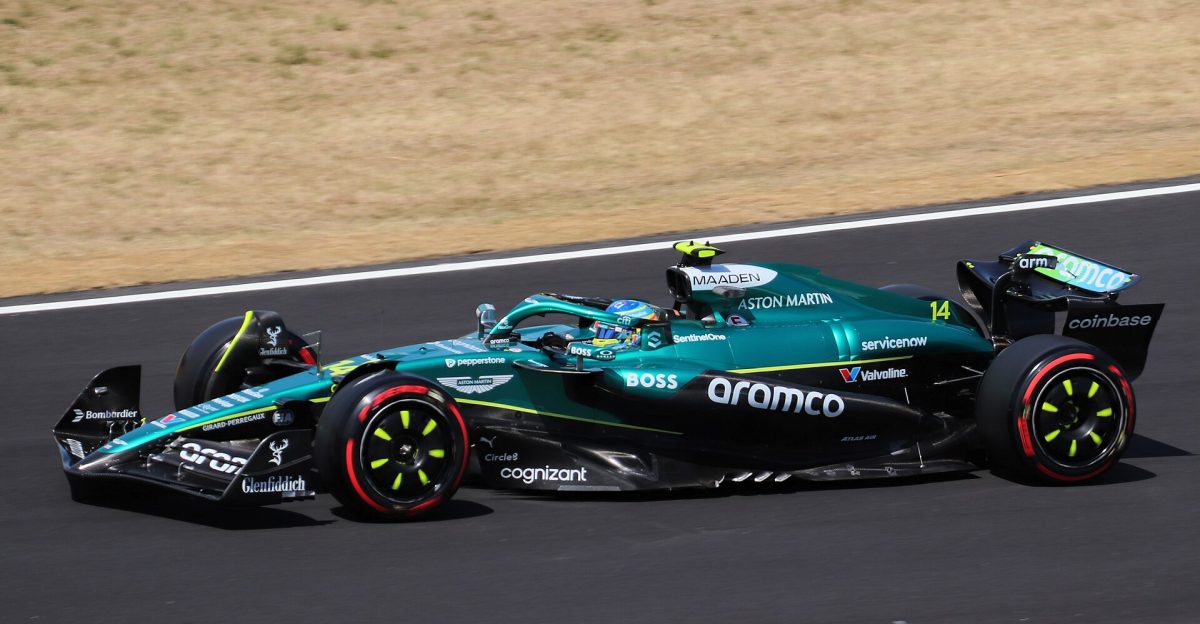
This was supposed to be the Adrian Newey era—the greatest F1 car designer in history, backed by Lawrence Stroll’s billions and a brand-new Honda power unit for 2026. Instead, Aston Martin is the grid’s most spectacular disaster. Honda’s engine produces vibrations so severe that Newey publicly warned of “permanent nerve damage” to drivers’ hands. Newey told reporters Alonso felt he couldn’t run more than 25 consecutive laps before going numb; Stroll’s limit was 15.
Honda reportedly admitted that because multiple linked factors generate the vibration, they don’t yet know whether fixing just one will solve it. In Melbourne, Alonso initially retired around lap 15 before rejoining 11 laps later, only to retire for good around lap 37. Stroll was classified 17th after completing 43 laps—15 laps down.
Your “Team” Is Really A Supply Chain
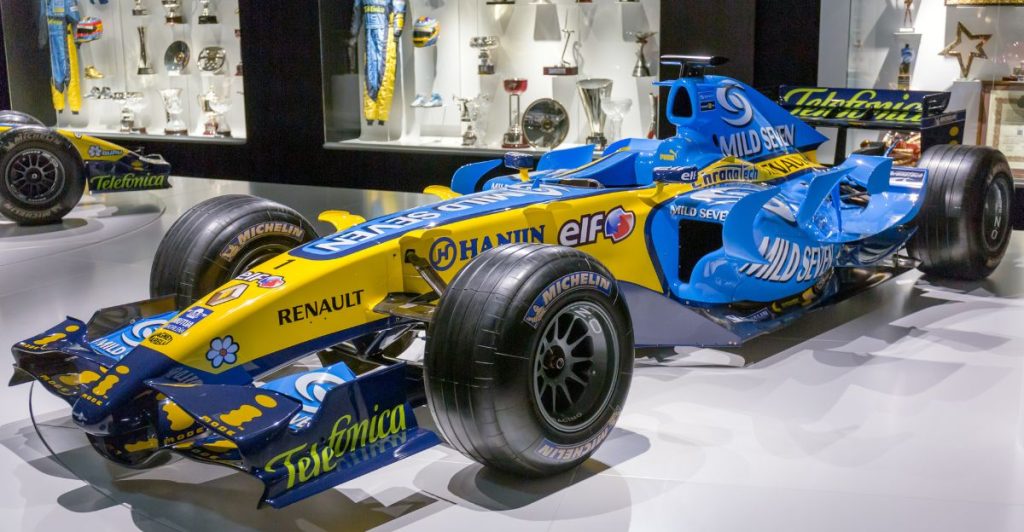
Six manufacturers now supply the grid: Mercedes, Ferrari, Honda, Red Bull Ford Powertrains, Audi, and, through absence, no more Renault. McLaren, Williams, and Alpine all run Mercedes hardware but can’t match the works team’s energy deployment. Aston Martin hitched its wagon to Honda’s unproven return. Cadillac entered an arms race mid-sprint with a borrowed Ferrari unit.
In 2026, team performance is being decided upstream, in factories and on dynamometers before drivers ever touch a steering wheel.
These Bets Are Locked In Through 2030
These regulations are scheduled to last five seasons. The foundational choices each team made, which power unit, how to integrate it, where to prioritize weight and cooling, will define the competitive order for half a decade. There are no shortcuts when both the car and engine reset simultaneously.
The teams sitting pretty after round one got their integration right before the lights went out in Melbourne. The five listed here are chasing. And history says catching up under stable regulations is brutally, punishingly slow.
Sources
The Race: “Five teams in most trouble after F1’s 2026 season opener”
ESPN: “McLaren critical of lack of Mercedes F1 engine information”
Motorsport.com: “How Cadillac fared on its Formula 1 debut”
The Race: “What we’ve learned about Honda’s ‘abnormal’ F1 engine problem”
GPFans: “Williams F1 car ‘more than 20kg’ overweight at Chinese GP”
Sky Sports: “Australian Grand Prix: George Russell wins F1 2026 season opener for Mercedes”