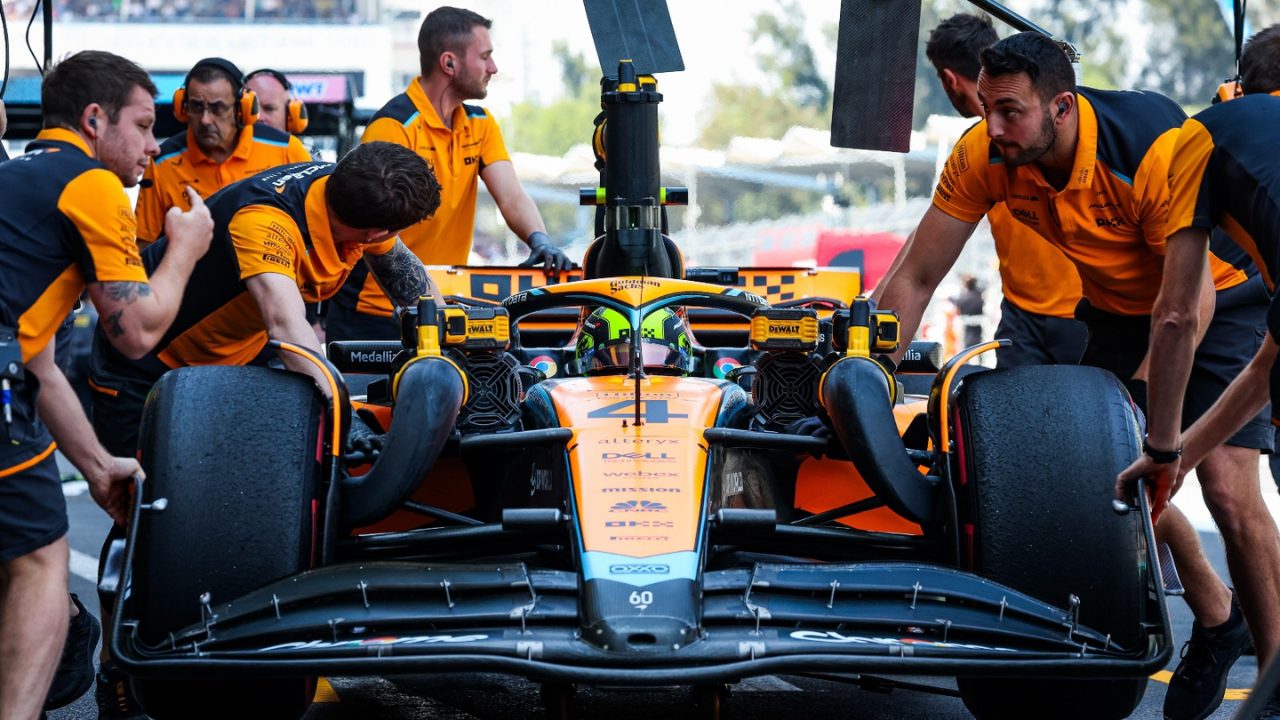
McLaren’s 51-Second Collapse Leaves Defending F1 Champions ‘Puzzled’ By Their Own Mercedes Engine
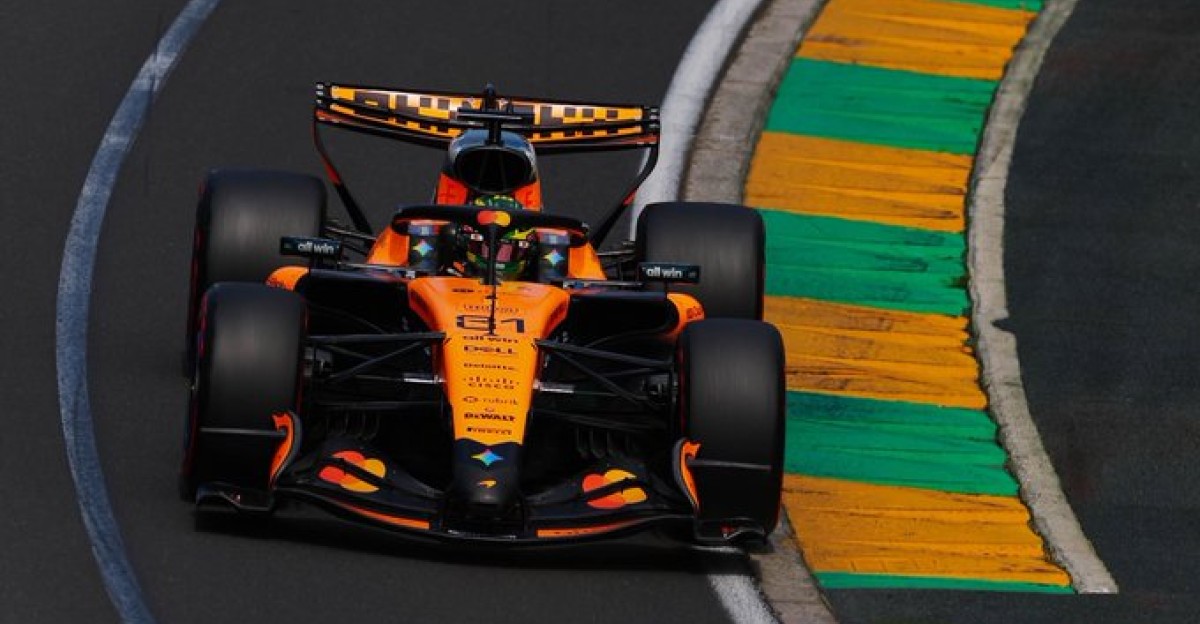
The reigning constructors’ champions rolled onto the Melbourne grid with the same Mercedes power unit that won them the title. Oscar Piastri never made it to the start. He reported experiencing about 100 kilowatts of extra power he “didn’t expect” on the reconnaissance lap before he hit the Turn 4 barriers. One McLaren down before a single racing lap. The other, piloted by world champion Lando Norris, qualified nearly a full second off pole. Something invisible had changed between seasons, and McLaren couldn’t yet name it.
Champion’s Baseline
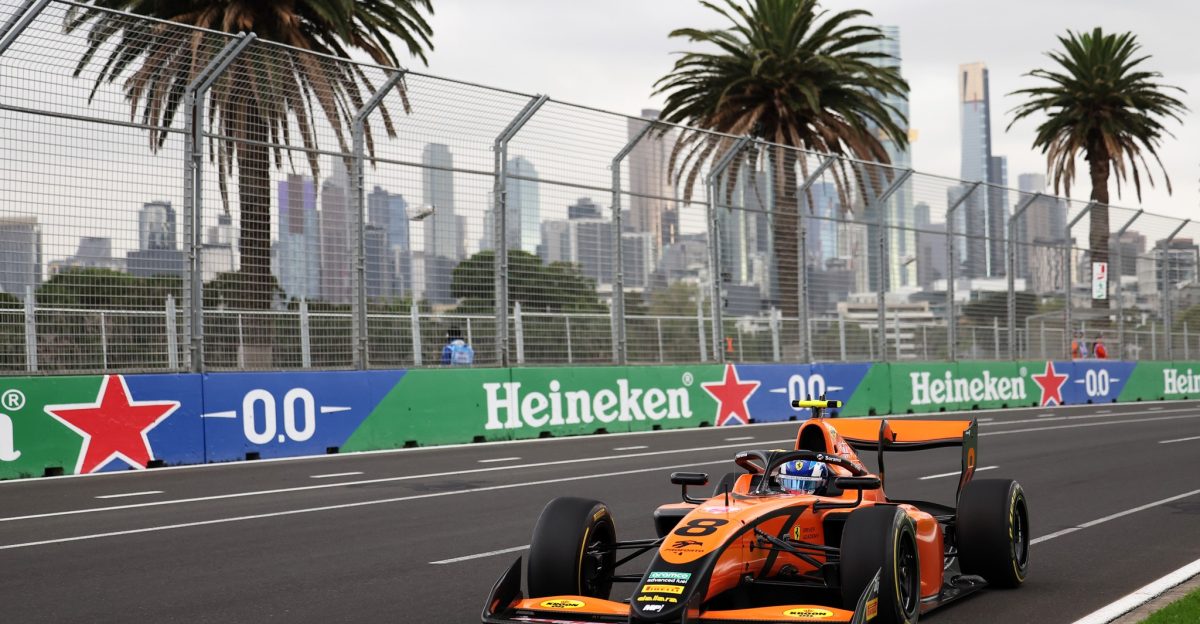
Twelve months earlier, McLaren won this exact race at Albert Park. The team returned with the same engine partner and driver line-up, and the continuity of a champion operation behind them. The 2025 constructors’ championship confirmed what everyone assumed: buy the best power unit, build the best chassis, win races. Norris carried that confidence into 2026. Then, qualifying gaps of 0.862 and 0.957 seconds appeared on the timing screens. Data and analysis showed McLaren losing most of their time on the straights rather than in the corners. Identical engines. Radically different speed.
Same Hardware
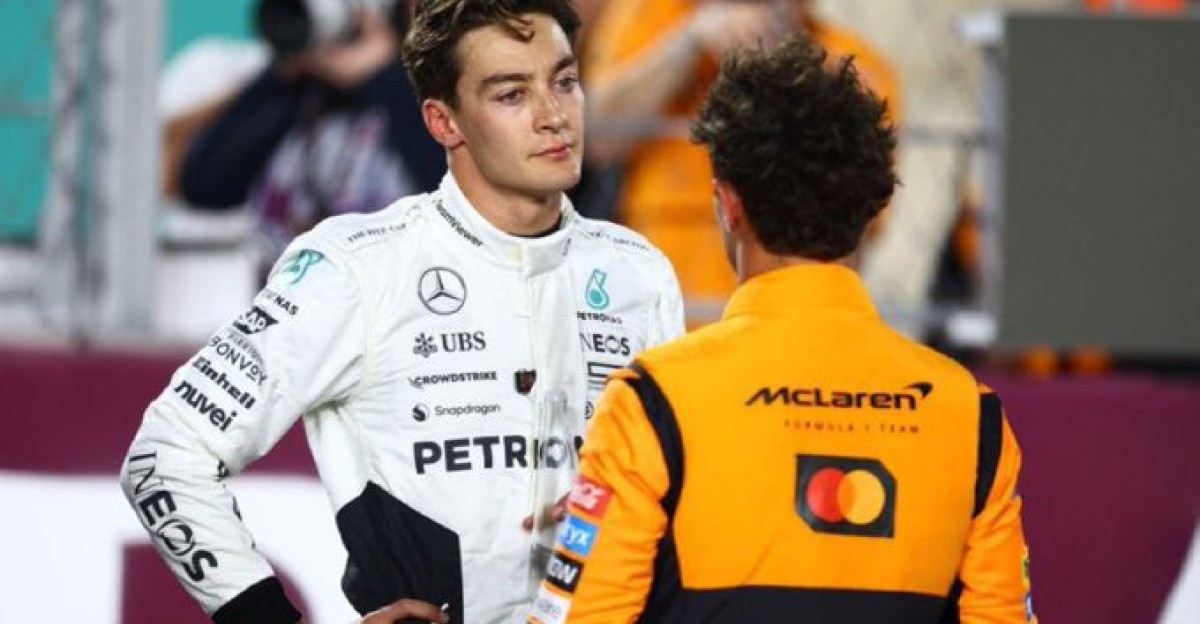
F1 regulations mandate that customer teams receive identical power unit hardware and software. McLaren’s Mercedes unit is, by rule, the same machine George Russell used to take pole. So the assumption was simple: if the engine matches, the gap must be chassis. Except GPS data told a different story. McLaren lost significant time on straights where aerodynamics matter least and energy deployment matters most. Andrea Stella called it unprecedented: “First time we feel on back foot” as a Mercedes customer. The engine was identical. The understanding of it was not.
Operating Blind
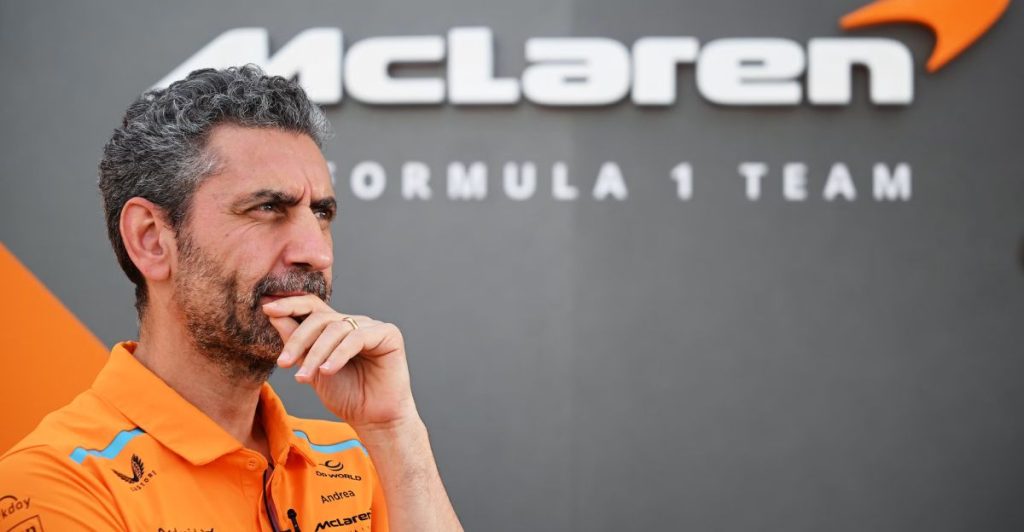
Stella’s admission landed like a confession. “It’s not how you work in Formula 1,” he said. “In Formula 1, what happens on track, you simulate, you know what is happening, you know what you’re programming, you know how the car is going to behave.” McLaren could do none of that. They ran the car, collected data, reacted, and ran again. A billion-dollar operation reduced to trial and error. Mercedes’ works team have been working closely with HPP on the new power unit and its energy management system for a long time. Same parts. Different knowledge timeline. That gap helped create 51.741 seconds of daylight.
The Moat
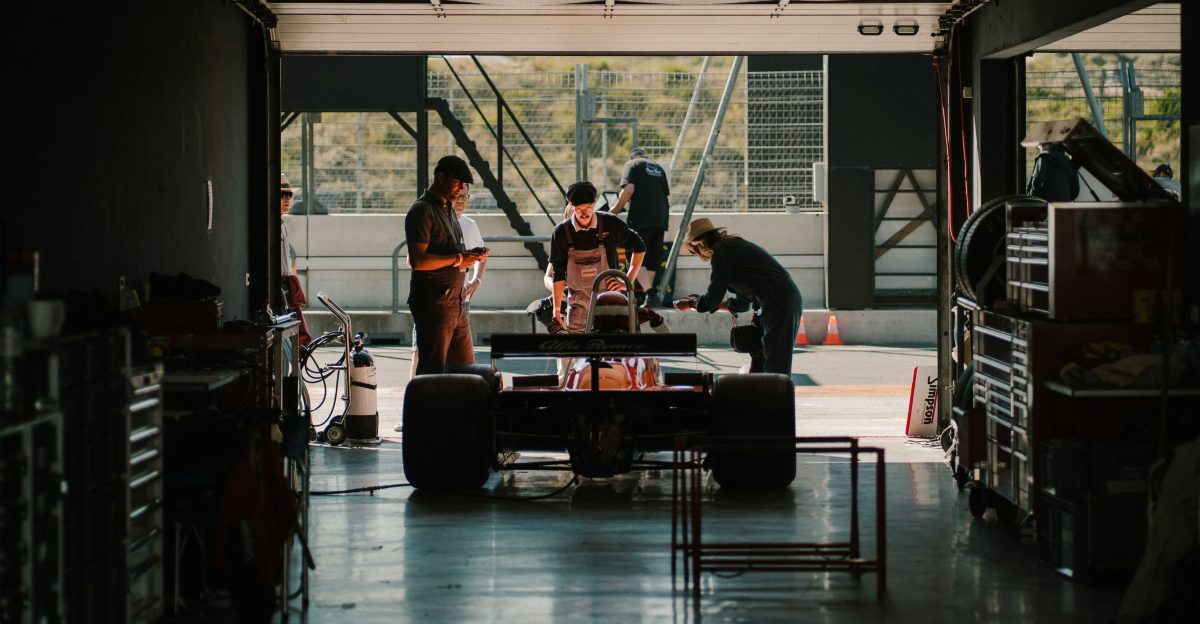
The 2026 regulations rewrote what matters in F1. New flat-floor rules slashed downforce. The power unit’s energy harvesting and deployment system became the primary performance lever. Battery state calculations, lift-and-coast timing, deployment curves: invisible variables that determine whether a car accelerates or coasts at any given meter. Mercedes’ works team spent months mapping those variables before customer teams received full access to the specifications. Customer teams like McLaren say they are still at an earlier stage of their “journey of knowledge” with the 2026 power unit and have been learning how to exploit it mainly from track running rather than established simulations. By the time customers fully understand the tools available, Mercedes may already have refined its playbook.
The Numbers
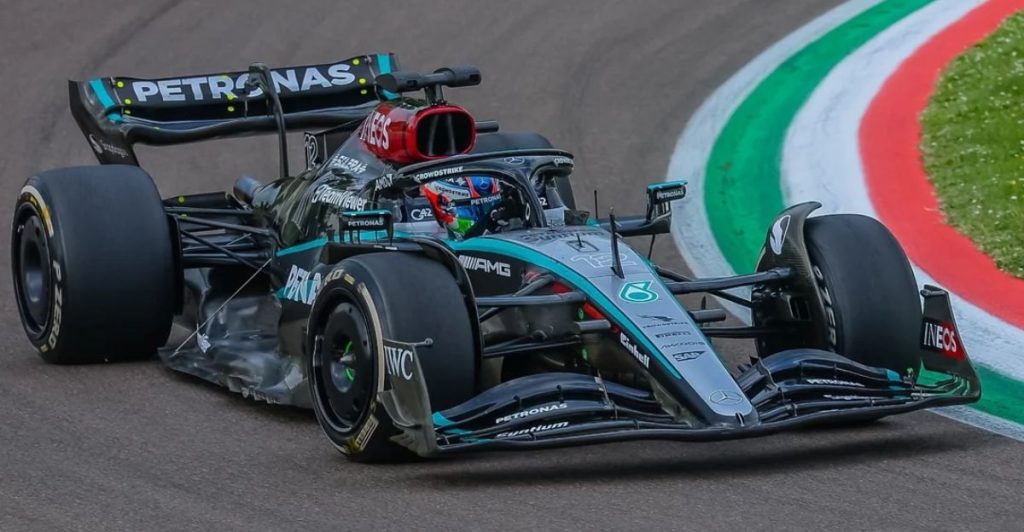
Russell won. Kimi Antonelli finished second. Mercedes locked out the front row and the podium’s top two steps. Norris crossed the line fifth, 51.741 seconds behind, roughly 0.89 seconds per lap slower across 58 laps. Ferrari’s Charles Leclerc and Lewis Hamilton split third and fourth. Even Max Verstappen, who started 20th after a qualifying crash, recovered to sixth. The world champion finished behind a driver who began from the back of the grid. Norris put it plainly: “We’re nowhere near where we need to be with the car.”
Ripple Effect
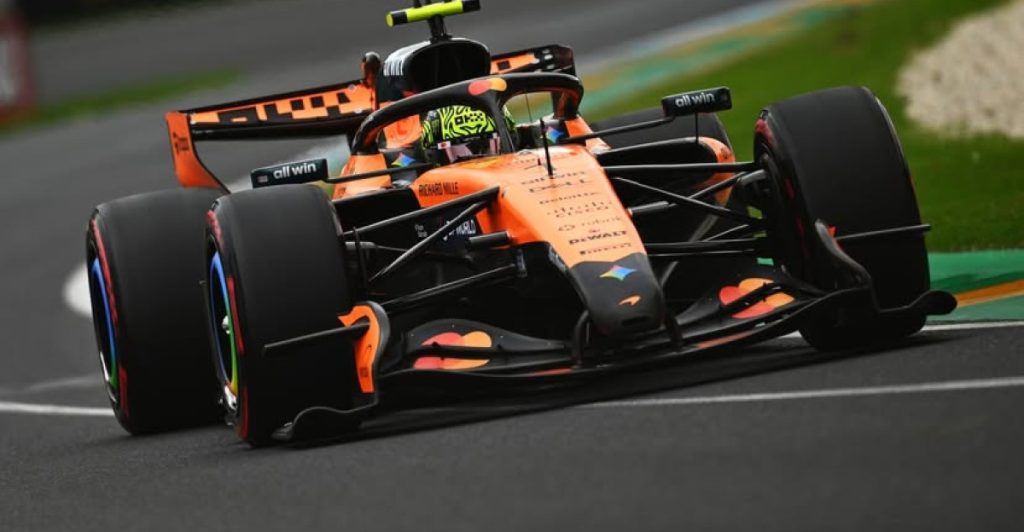
McLaren’s problem belongs to every Mercedes customer. Williams use the same power unit and have voiced similar concerns about the information they receive. One team principal estimated around three-tenths of a second per lap attributable solely to how well the power unit is understood. That creates the potential for multiple customer teams to push harder for clarity on what engine suppliers must share beyond identical hardware. The rules guarantee identical hardware. They say nothing about synchronized learning. Mercedes built its advantage in a grey area the rules don’t explicitly address: they guarantee identical hardware, but they don’t define how equal the knowledge and tools around that hardware must be.
New Rule
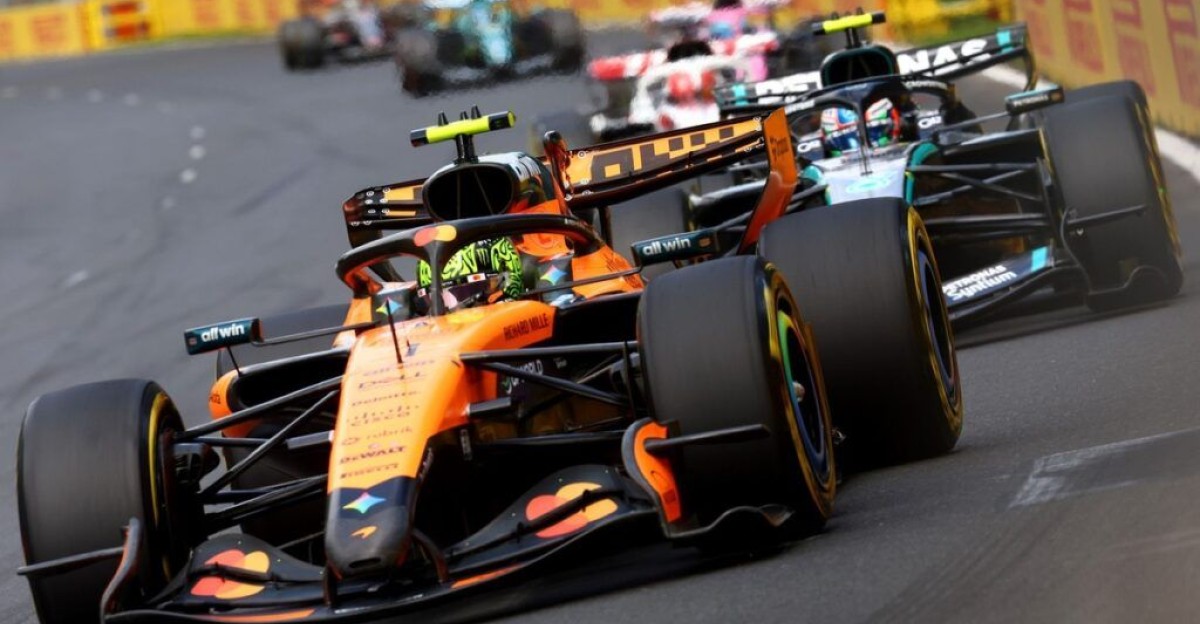
This pattern will repeat. Every regulatory cycle, the manufacturer first develops the new power unit. Each cycle, the works team learns the system months before customers touch it, and the customer starts behind. McLaren dominated the previous era because chassis mattered most. The 2026 reset shifted the axis to energy management knowledge, which lives inside the manufacturer’s walls. Stella identified two clear deficits: power unit exploitation and grip. One requires engineering. The other requires information McLaren doesn’t control. That structural asymmetry may outlast any single upgrade package.
No Time
China’s sprint race follows immediately. Sprint weekends compress practice time, giving McLaren even fewer laps to decode deployment behavior through their reactive, run-by-run methodology. Stella confirmed major upgrades will take “a few races” before producing visible gains. Meanwhile, Mercedes refines a system it already understands. Teams and observers are already debating whether the 2026 power‑unit framework has tilted the field too far toward works operations, but there is no clear indication yet of if or when regulators might step in. McLaren’s championship defense bleeds points every weekend, the knowledge gap persists, and nobody has promised when the bleeding stops.
The Leverage
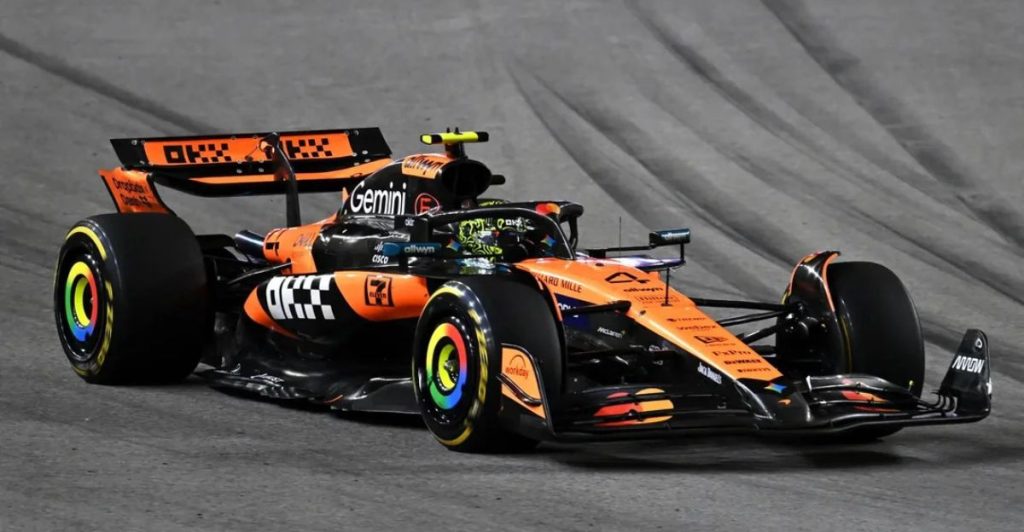
The real question facing F1 isn’t whether McLaren recovers. Recovery takes engineering, and McLaren has engineers. The question is whether customer teams will demand contractual guarantees of symmetric knowledge transfer before signing future engine deals. Mercedes has no regulatory obligation to share what it learned first. In practice, that information advantage can feel like something that can be monetized, hoarded, or even weaponized against customer teams. Stella admitted that his team is “a little puzzled” by data showing that identical engines produce vastly different results. Puzzled is polite. The word McLaren needs is leverage, and right now Mercedes holds all of it.
Sources:
Formula1.com , Russell wins action-packed Australian GP from Antonelli as Mercedes secure 1-2 , March 7, 2026
ESPN , George Russell leads Mercedes 1-2 in Australian Grand Prix — as it happened , March 7, 2026
The Race , Referenced twice across Slides 7 and 8 , March 2026
SpeedCafe , The mystery McLaren must solve for Oscar Piastri’s F1 title hopes , March 9, 2026
Motorsport.com , McLaren’s theory on Mercedes’ concerning Australia F1 advantage , March 6, 2026
Autosport , Referenced in Slide 5 for 2026 power unit regulation details , March 2026