Chinese-Made Batteries Force 40,000 Volvo Owners to Park Outside—7 Already Caught Fire
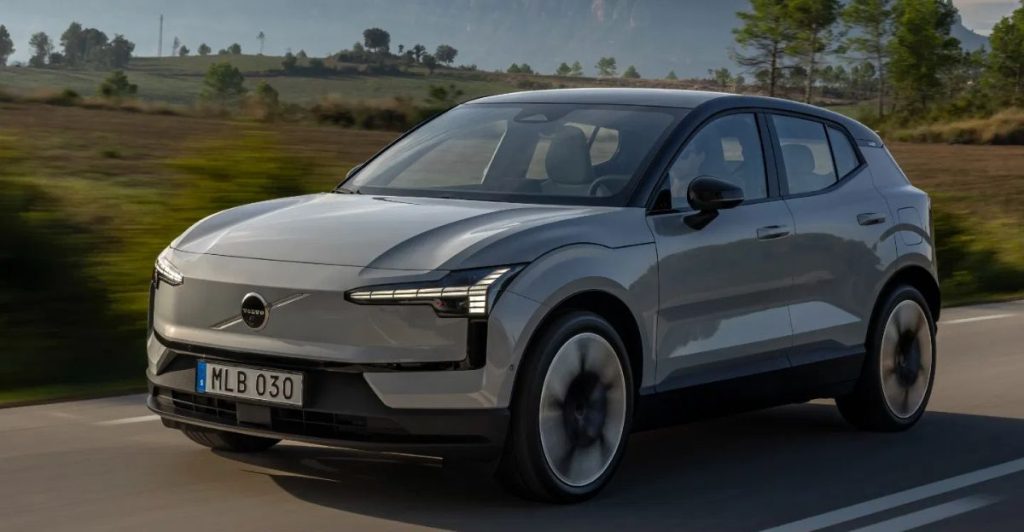
Sometime in December 2025, EX30 owners opened a notice from Volvo and read something no premium car buyer expects: keep the vehicle outside. Away from the house. Away from the garage. The battery could overheat and ignite while the SUV sat parked and powered off. No action required from the driver. No warning light. Just a car that might catch fire in the middle of the night with nobody behind the wheel. Seven already had.
Safety’s Flagship
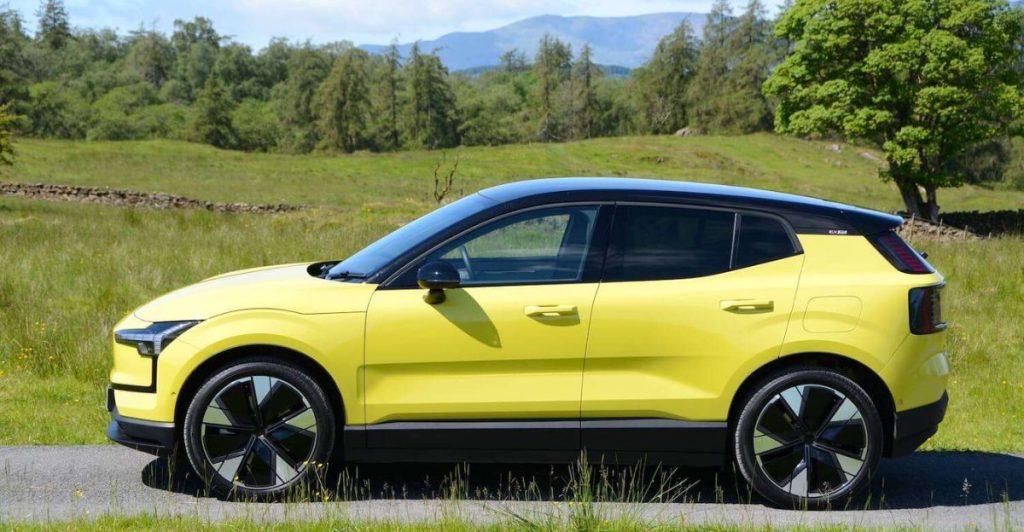
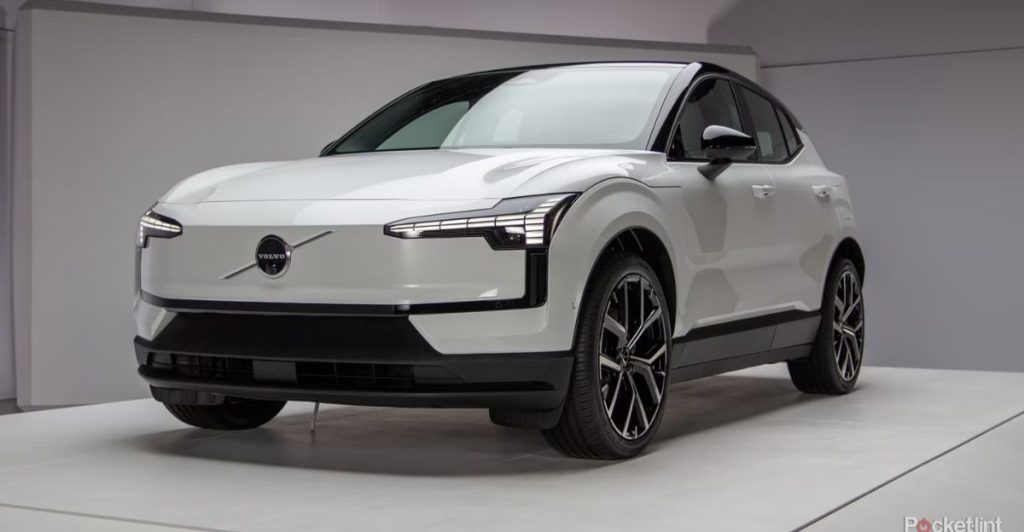
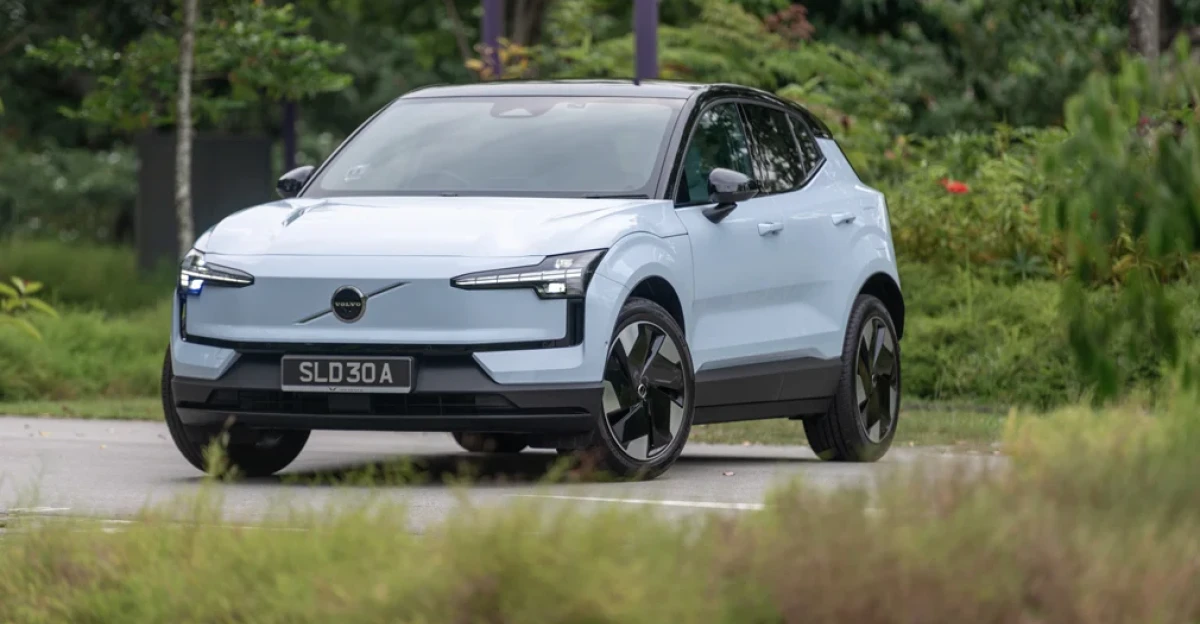
The EX30 was supposed to be Volvo’s answer to affordable electric competition. It earned a five-star Euro NCAP crash rating and sold 98,065 units in 2024 alone. Buyers paid a premium specifically because the badge on the hood meant something: Swedish engineering, century-old safety DNA. That reputation is what separated Volvo from cheaper Chinese rivals flooding European markets. The recall now covers 40,323 EX30s globally. With 75,169 EX30s sold worldwide in 2025 alone, that means a very large share of the model’s early production run is affected, even before counting 2024 sales.
The Crack
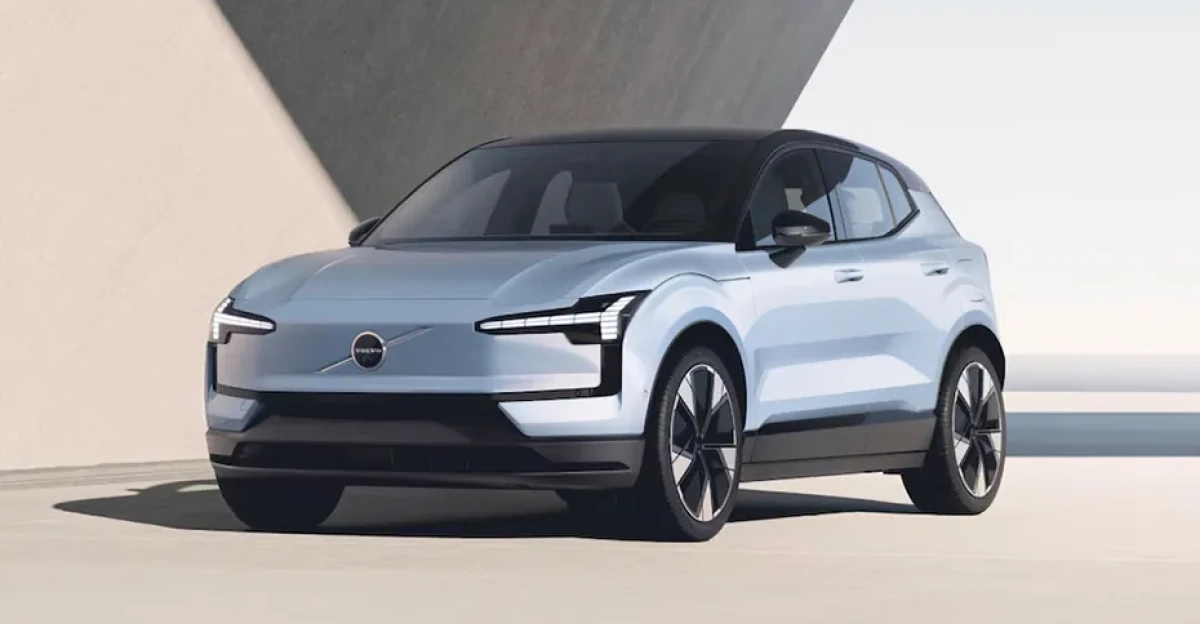
Owners assumed they bought Swedish safety. The batteries told a different story. The defective cells came from Shandong Geely Sunwoda Power Battery Co., a joint venture between Volvo’s Chinese parent Geely and supplier Sunwoda, operating out of a factory in Shandong province. A manufacturing issue at the Shandong Geely Sunwoda Power Battery Co. plant created cells that can overheat at high states of charge, prompting Volvo to warn EX30 owners not to charge above 70%. An NHTSA filing shows at least some affected EX30s were built between early September and late October 2024, but Volvo has not publicly detailed the full production window for all recalled vehicles.
The Betrayal
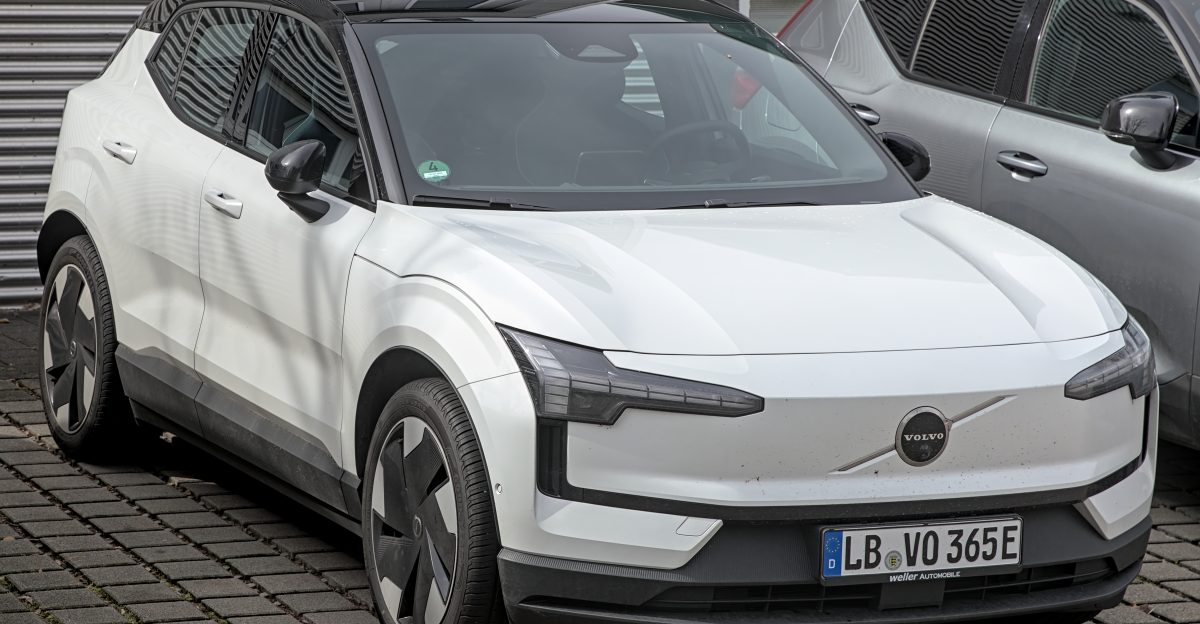
Volvo told owners to cap charging at 70% and park outside until free battery replacements arrived. No timeline for parts. No end date. Just indefinite restrictions on a vehicle people chose because they trusted the brand with their families. “I chose the EX30 partly for its safety credentials,” British owner Matthew Owen said, “and now the company should take responsibility for producing a car that is dangerous.” A five-star crash rating. A battery that ignites while turned off. The company that invented the seatbelt couldn’t keep its own car out of driveways.
Same Supplier
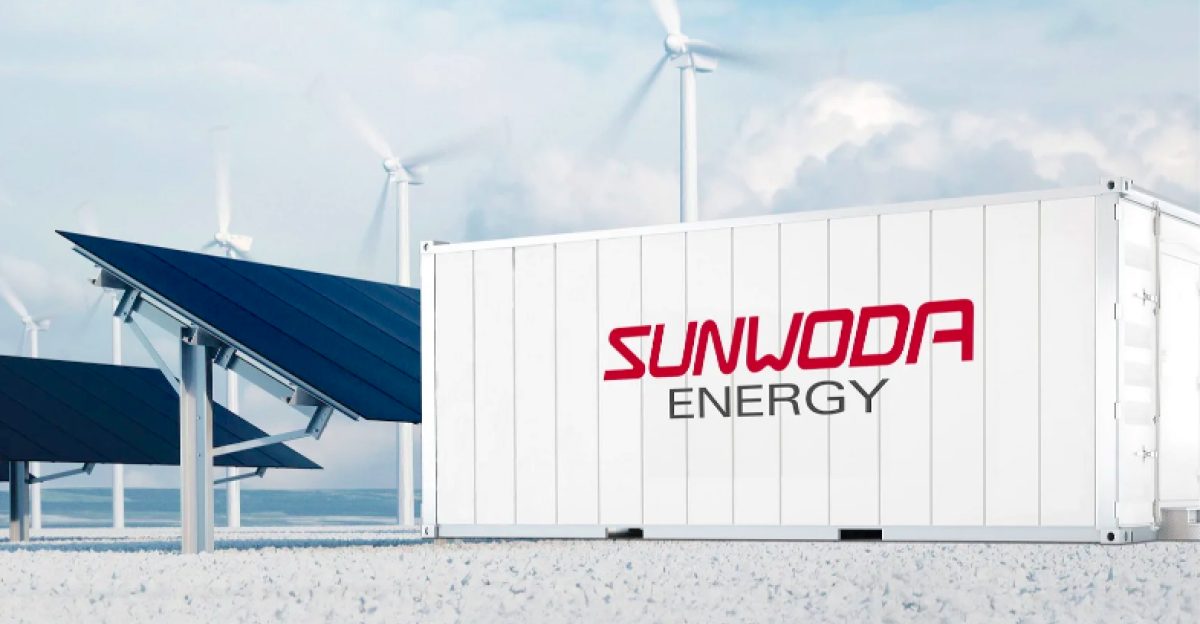
Geely already knew Sunwoda had a problem. Weeks before Volvo’s recall expanded globally, Geely filed a $323 million lawsuit against Sunwoda over identical battery defects in its Zeekr 001 vehicles. Chinese media report that tens of thousands of Zeekr 001s in China are affected by a similar battery issue, tied to the same supplier, though exact global percentages of that model’s deliveries are not disclosed in mainstream English‑language coverage. Same supplier. Same flaw. Two brands under the same parent company. Geely’s corporate left hand was suing the supplier while its right hand kept shipping those batteries inside Volvos. The holding structure didn’t prevent the crisis. It multiplied it.
The Bill
Reuters estimated the cost of battery replacements at $195 million, excluding logistics and labor. That landed on a company already bleeding. Volvo’s Q4 2025 EBIT margin collapsed to 2.0%. The company swung to a net loss. Full-year free cash flow shrank to roughly $265 million. Volvo had announced a $1.9 billion cost-cutting plan and 3,000 job cuts months earlier to stabilize margins. Then came an unbudgeted nine-figure recall bill from the same supply chain those cuts were supposed to optimize.
Ripple Effect
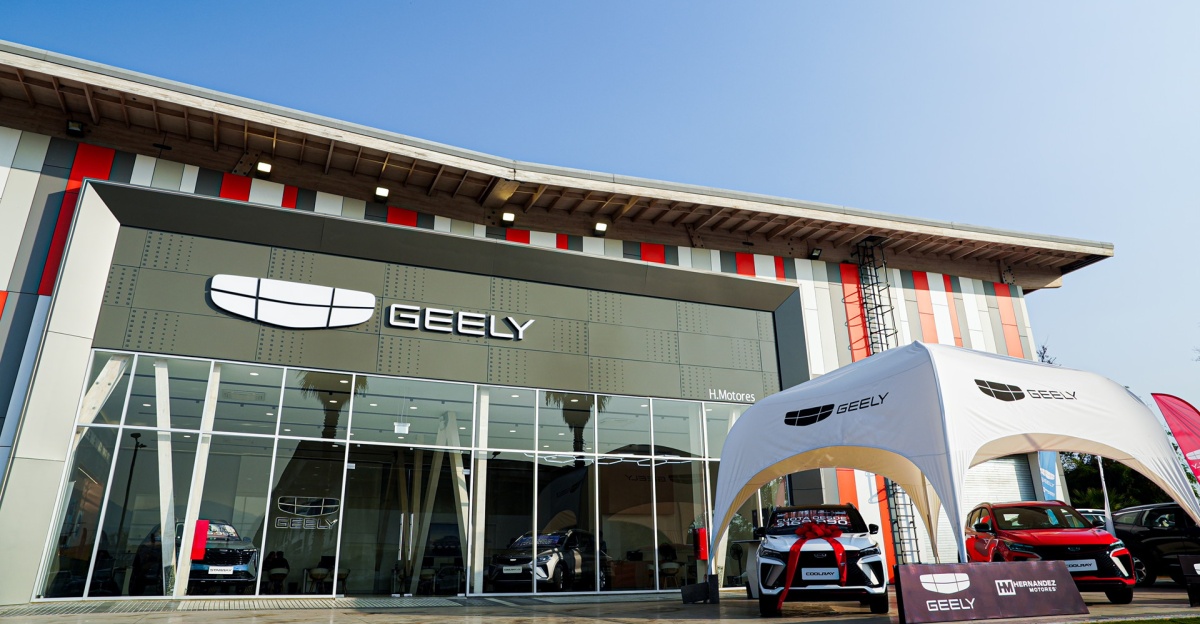
Sunwoda settled with Geely in February 2026, paying an additional $89 million and absorbing all affected battery packs. Combined with the original $323 million lawsuit, Geely’s battery supplier exposure now exceeds $400 million across two brands and 78,000-plus vehicles. Volvo’s stock dropped 4% on the recall announcement. Resale values for 2024-2025 EX30s face stigma. And every other Geely-owned Western brand, Polestar, Lotus, Lynk & Co., now fields the same uncomfortable question about supply chain independence from a Chinese parent.
New Rule
This recall arrived faster than any comparable EV battery crisis. The Chevy Bolt defect took years to surface across 141,000 units. Volvo emerged within roughly 15 months of the EX30’s production launch. Industry expert Andy Palmer put it plainly: “Volvo can’t afford a safety issue because that strikes at the heart of their brand.” He was describing a precedent, not an exception. When joint-venture battery suppliers serve multiple brands under one holding company, a single factory deviation doesn’t stay contained. It becomes a corporate contagion.
Indefinite Limbo

Owners still have no repair timeline. The 70% charge cap cuts the daily range roughly in half, turning a practical commuter SUV into a vehicle that requires constant planning. Forty thousand households are parking outside indefinitely, watching weather forecasts instead of plugging in overnight. If replacement parts stretch past late 2026, class-action lawsuits following the Chevy Bolt precedent become likely. And if a single additional fire occurs after the recall announcement, regulatory investigations intensify across every market where the EX30 is sold.
The Real Badge
Ownership structure, not heritage, determined what went inside that battery pack. EX30 buyers thought they purchased Swedish safety discipline. They purchased Geely’s supply chain priorities. Sam Fiorani of AutoForecast Solutions warned that “the EX30 especially is very important to Volvo, so they have to get it right.” They didn’t. And now the question every premium buyer under Chinese ownership should ask before signing: whose quality standards are actually inside the car with your family?
Sources:
Fox Business, Volvo recalls 40000 EX30 SUVs over battery fire risk, February 22, 2026
Reuters, Exclusive: Volvo Cars to recall 40,000 electric SUVs over battery fire risk, February 23, 2026
EV.com, Volvo Recalls 40,000 EX30 SUVs Over Battery Fire Risk, February 23, 2026
Electric Vehicles, Volvo Recalls Nearly a Quarter of All EX30s Ever Sold Amid Battery Fire Risk, February 23, 2026
Car News China, Volvo to recall over 40,000 electric EX30 SUVs due to battery fire risk, February 23, 2026
Car News China, Volvo to recall over 40000 electric EX30 SUVs due to battery fire risk – follow-up/analysis on Geely and Sunwoda settlement, February 24, 2026